

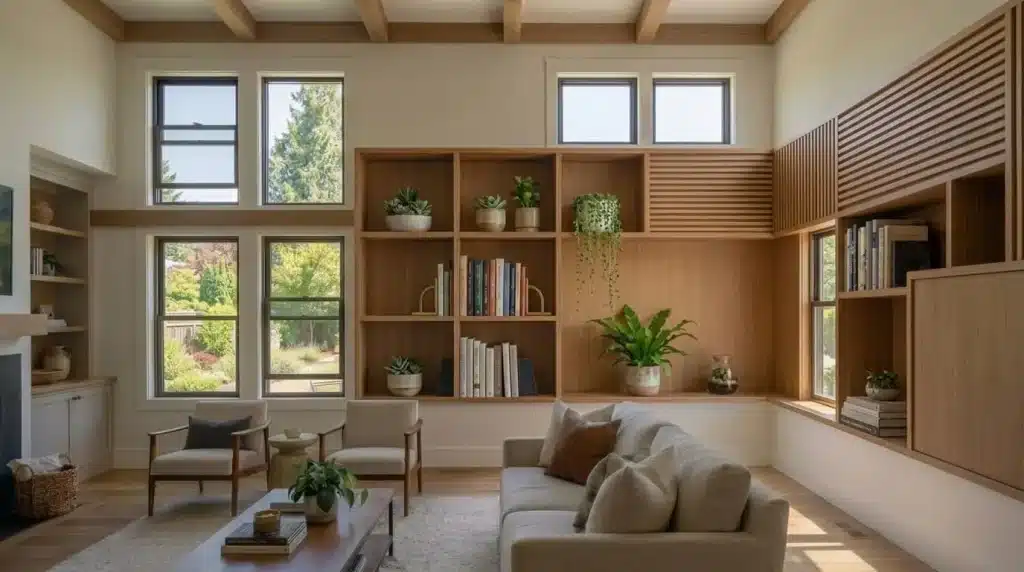


A window does more work than most people credit it for. It controls light, airflow, energy efficiency, and quietly shapes how a room feels to live in, yet the decision gets less thought than most furniture choices.
I have seen homeowners spend weeks on paint colors and minutes on windows, then spend years dealing with drafts, high energy bills, and rooms that never feel quite right.
The window style you choose matters more than the view it frames. Understanding the types of windows for the home is what turns a guesswork decision into a confident one.
Large picture windows flood a room with natural light and openness, while smaller fixed styles create a more private, contained feel. Beyond aesthetics, windows control airflow, influence layout options, and define the connection between indoors and outdoors.
For anyone planning a new build or renovation, especially a project like a glass-heavy sunroom addition, window type is one of the most consequential decisions in the entire project.
The Impact of Window Styles on Light and Living Space
Windows are more than just openings in a wall; they define your home’s character and comfort. The right window style can completely change your space.
A large picture window floods a room with light and openness, while smaller windows create a cozy, private feel. I’ve seen how even a small change in window style can shift the mood of a space.
Windows control how light flows through your home. More light makes rooms feel open and inviting, while softer light sets a calm mood.
They influence airflow, layout, and the connection to the outdoors. For those who prefer a modern or classic design, choosing the right windows is one of the most impactful decisions one can make for a home.
Types of Windows for Home: Style-By-Style Breakdown
Not every window is built for the same purpose. Some are made for airflow, some for views, some for safety, and others for privacy or design. Here are the types of windows worth knowing before choosing one for your home.
1. Single Hung Windows
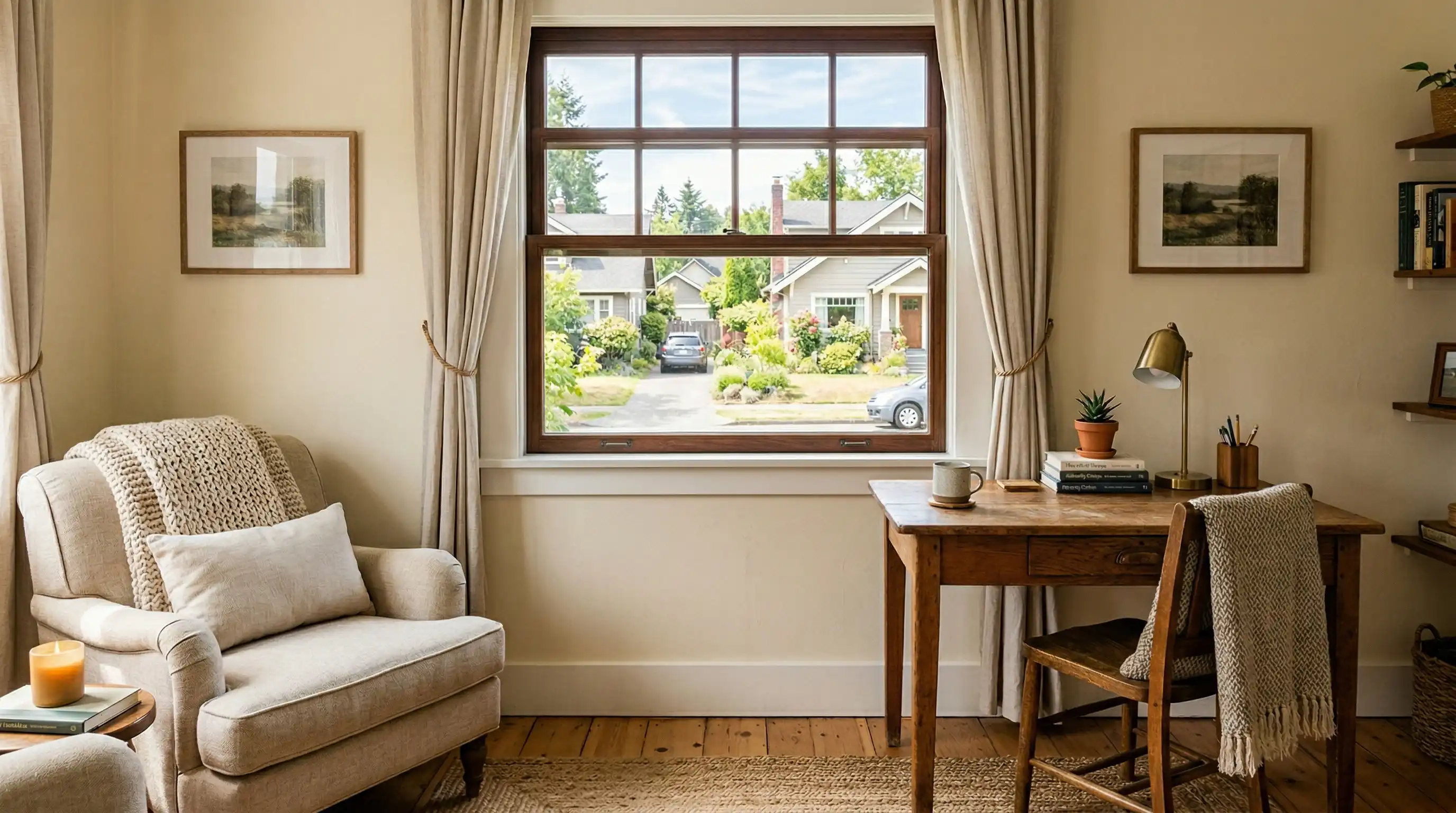
Single-hung windows are simple, practical, and budget-friendly. Only the bottom sash moves, while the top sash stays fixed. This makes the design easy to use and easier to maintain than many moving window styles.
They work well in bedrooms, living rooms, rental homes, and traditional houses where cost and function matter most. Single-hung windows also seal fairly well because they have fewer moving parts.
Best For: Standard home installations where affordability, simple use, and low upkeep are the main priorities.
2. Double Hung Windows
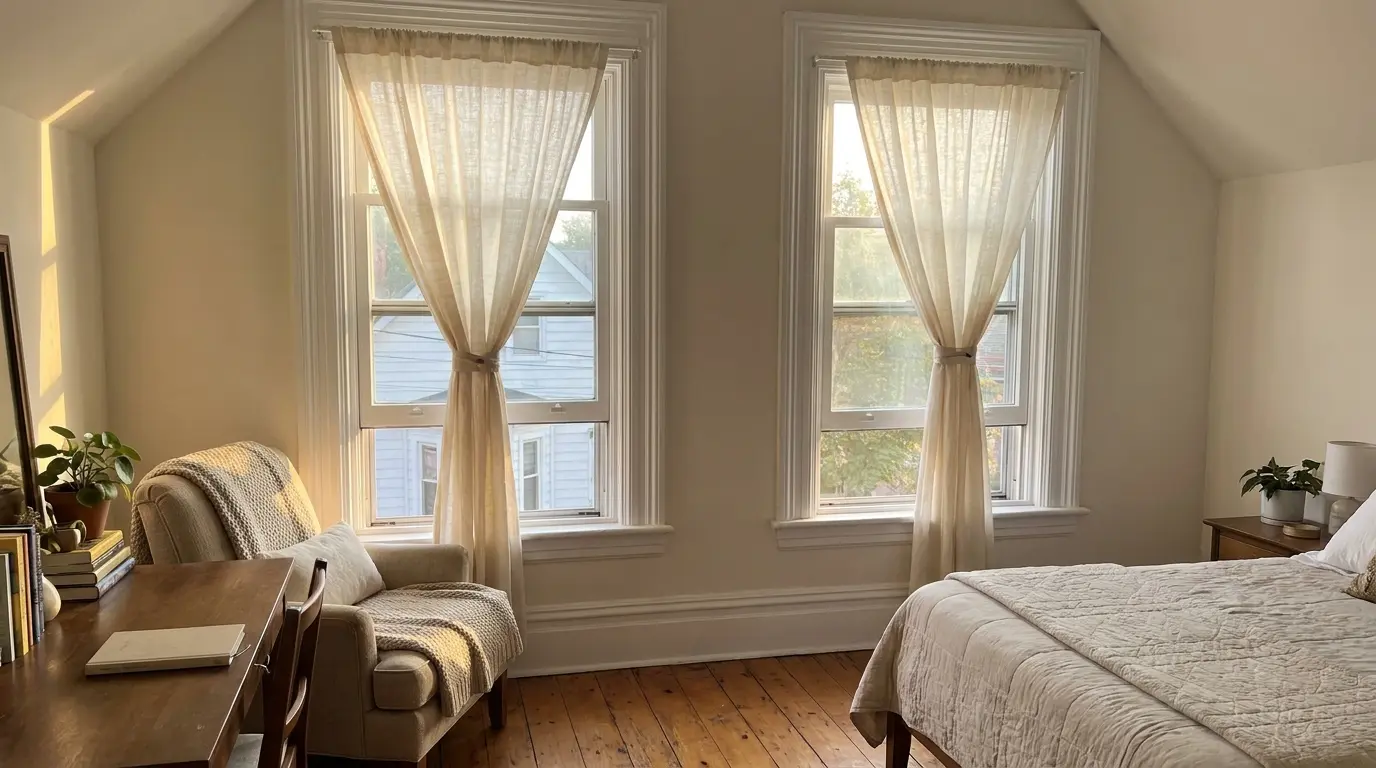
Double-hung windows offer more flexibility than single-hung windows. Both the top and bottom sashes can move, which gives better control over airflow. You can open the top, bottom, or both at the same time.
They are also easier to clean because many modern designs tilt inward. This is helpful for upper floors where outside cleaning is harder. These windows suit bedrooms, kitchens, living rooms, and family spaces.
Best For: Multi-story homes where safe cleaning, flexible ventilation, and everyday use matter.
3. Casement Windows
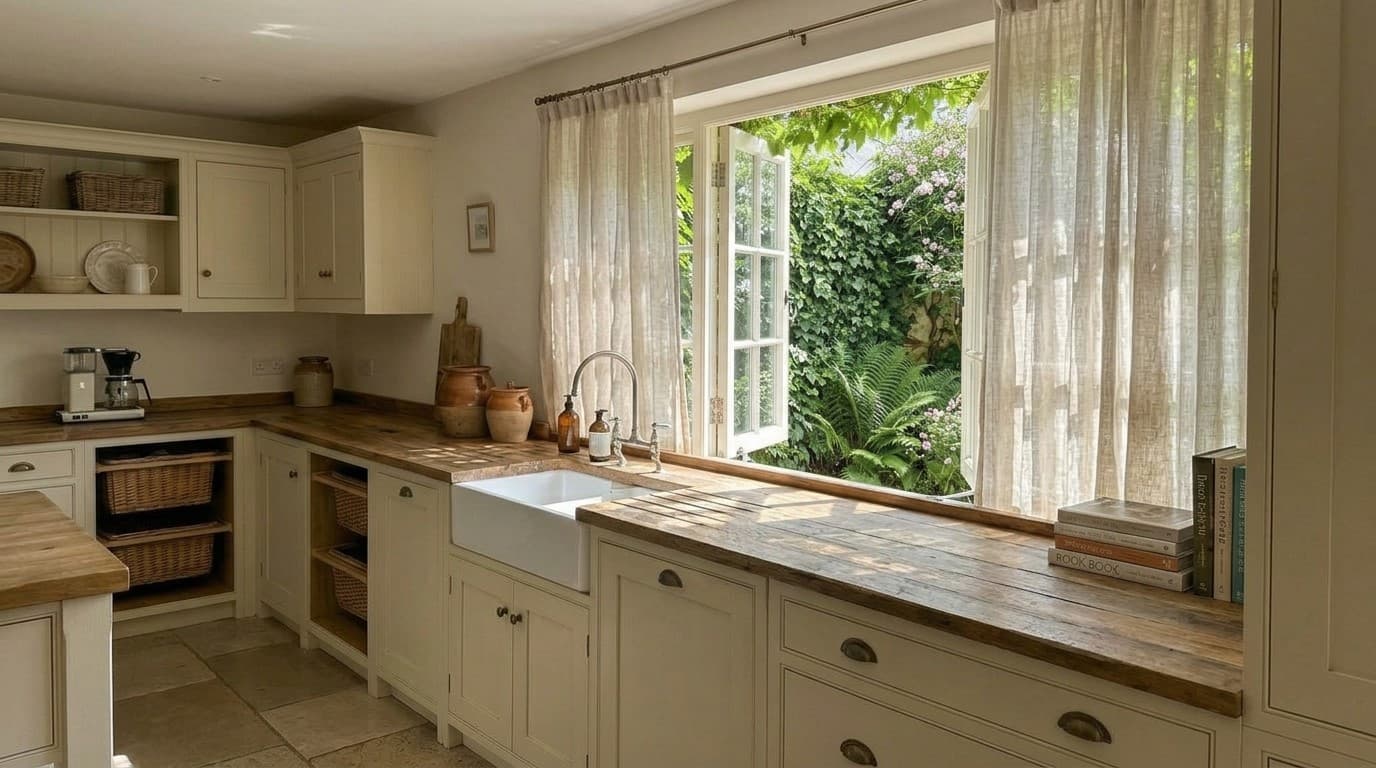
Casement windows open outward from the side with a hinge. They usually use a crank handle, which makes them easy to open even in tight spots. Their wide opening allows strong airflow into the room.
When closed, casement windows seal tightly, making them a good choice for energy efficiency. They work well in kitchens, bathrooms, and rooms where you want fresh air and clear outdoor views.
Best For: Side walls, kitchens, and rooms where strong airflow and tight sealing are important.
4. Awning Windows
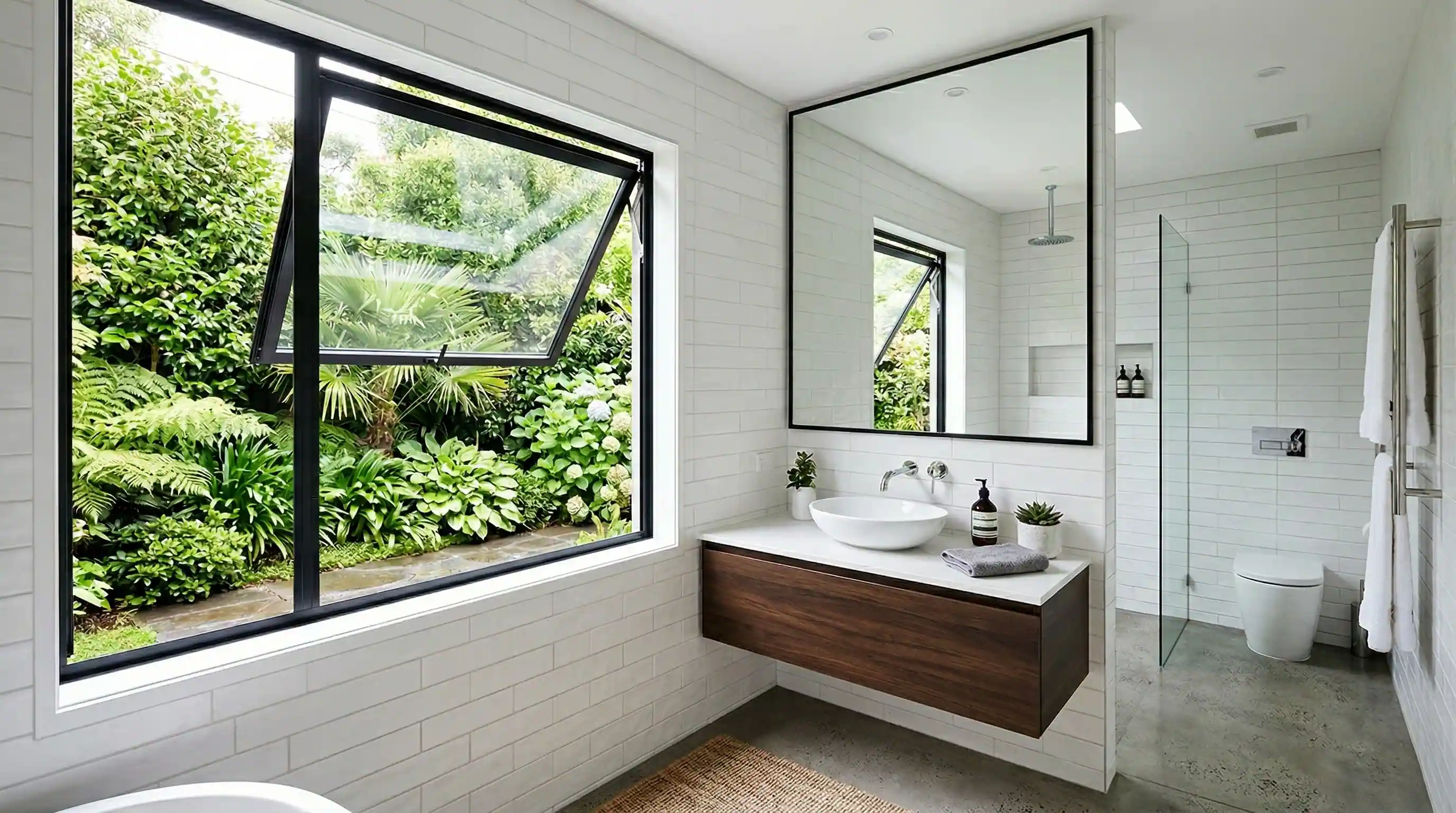
Awning windows are hinged at the top and open outward from the bottom. When open, they form a small cover that helps keep rain out. This makes them useful in places where you want airflow even during light rain.
They are often placed higher on walls, which helps with privacy. Awning windows work well in bathrooms, kitchens, basements, and laundry rooms where ventilation is needed without giving up privacy.
Best For: Wet climates and high-humidity rooms that need fresh air and privacy.
5. Sliding Windows
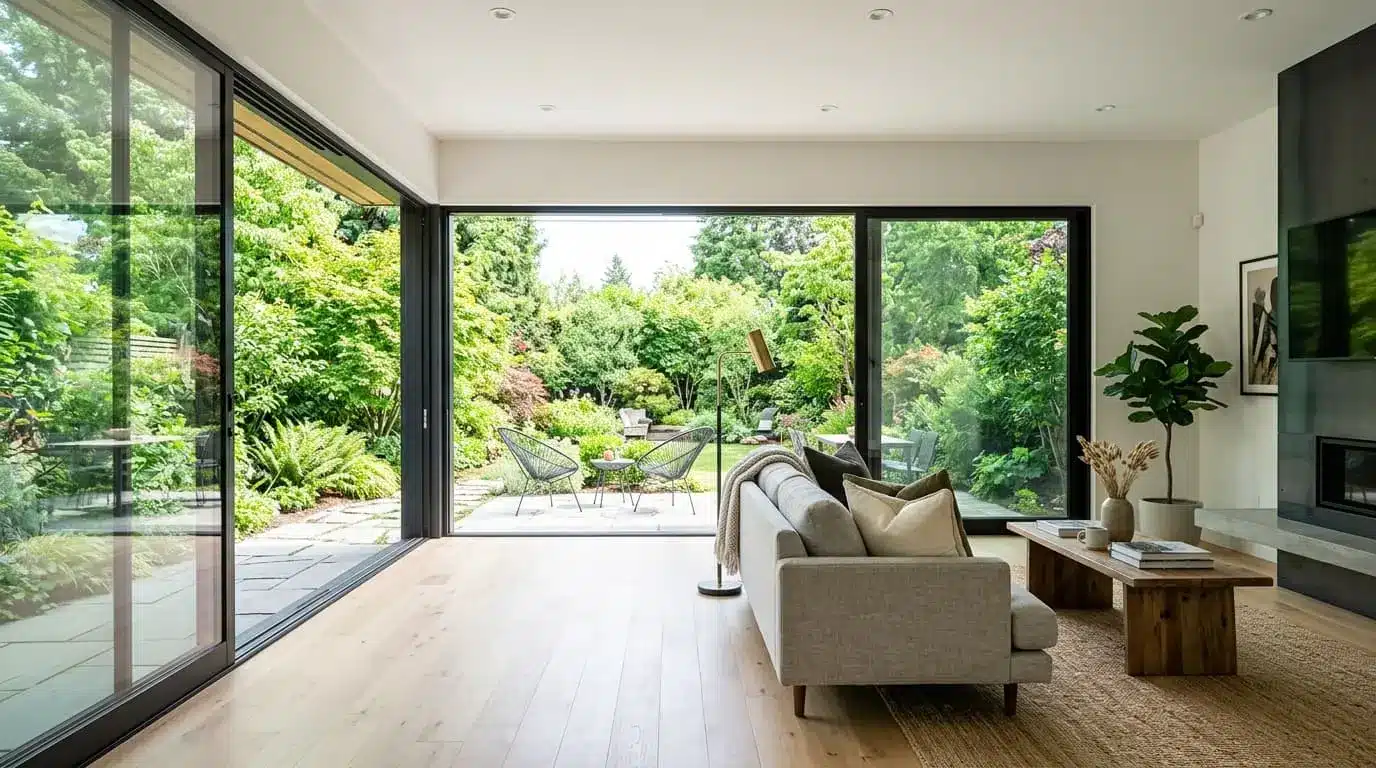
Sliding windows open sideways along a track. They do not need hinges or extra space to swing open, which makes them useful in compact areas. Their simple design also makes them easy to operate and maintain.
They are a good fit for modern homes, hallways, utility rooms, and wide wall openings. Sliding windows are also practical in rooms where vertical space is limited.
Best For: Wide openings, tight spaces, garages, and rooms where simple operation matters.
6. Picture Windows
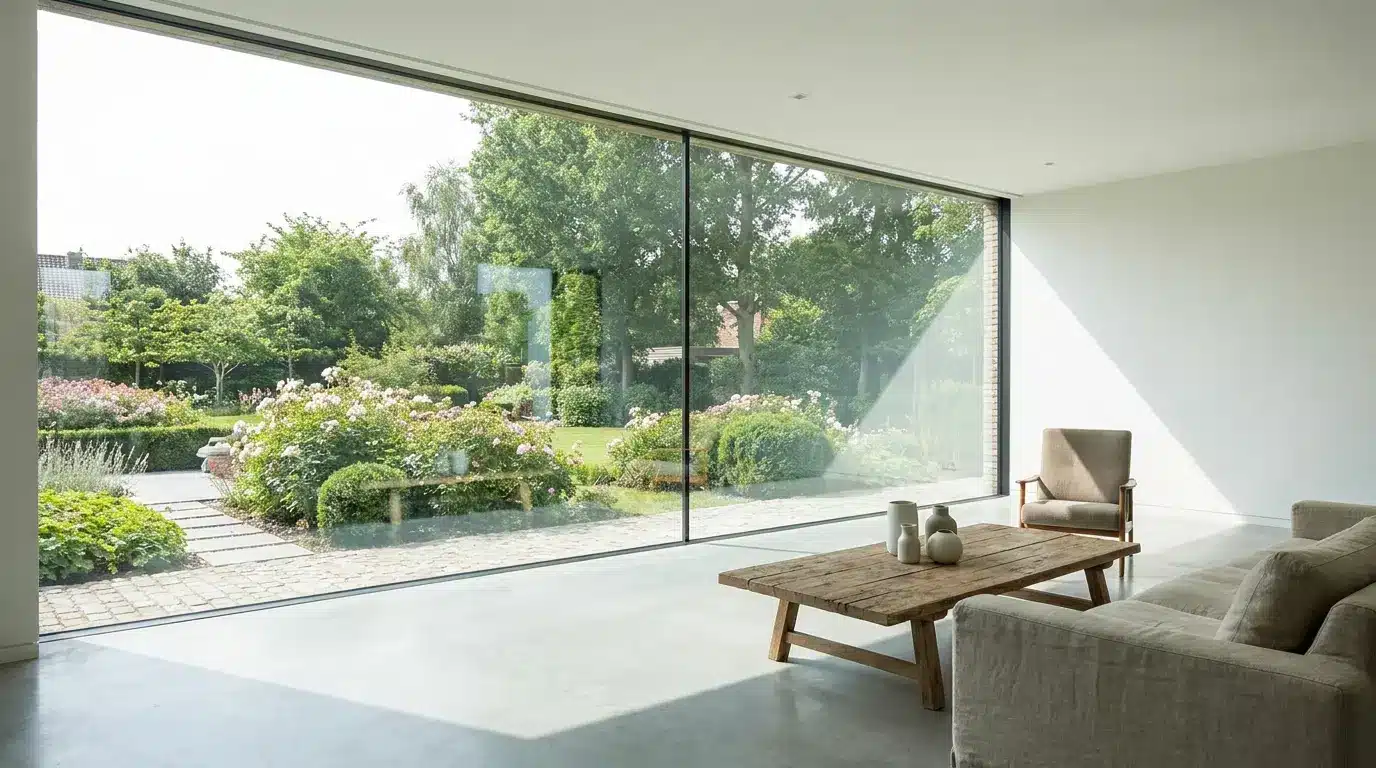
Picture windows are fixed windows that do not open. Their main purpose is to bring in natural light and frame outdoor views. Since they have no moving parts, they can offer strong insulation when installed properly.
They work best in living rooms, dining rooms, stairwells, and spaces with a scenic view. The only drawback is that they do not provide ventilation.
Best For: Rooms with strong outdoor views where light and design matter more than airflow.
7. Bay Windows
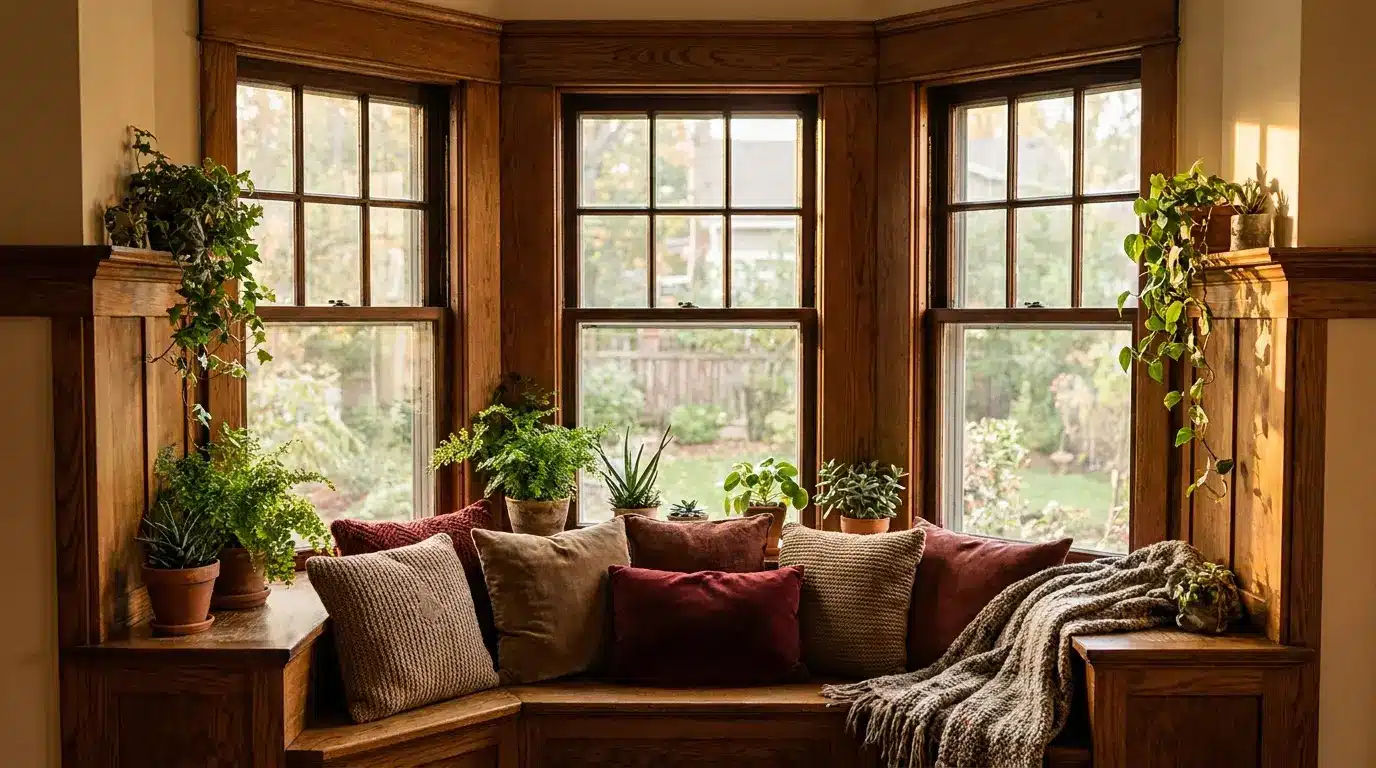
Bay windows extend outward from the wall and usually include three panels. The center window is often larger, with two angled side windows. This design adds depth, light, and extra interior space.
They can create a small seating area, display ledge, or reading corner. Bay windows work well in living rooms, dining rooms, bedrooms, and front-facing walls.
Best For: Homes that need more light, extra space, and stronger curb appeal.
8. Bow Windows
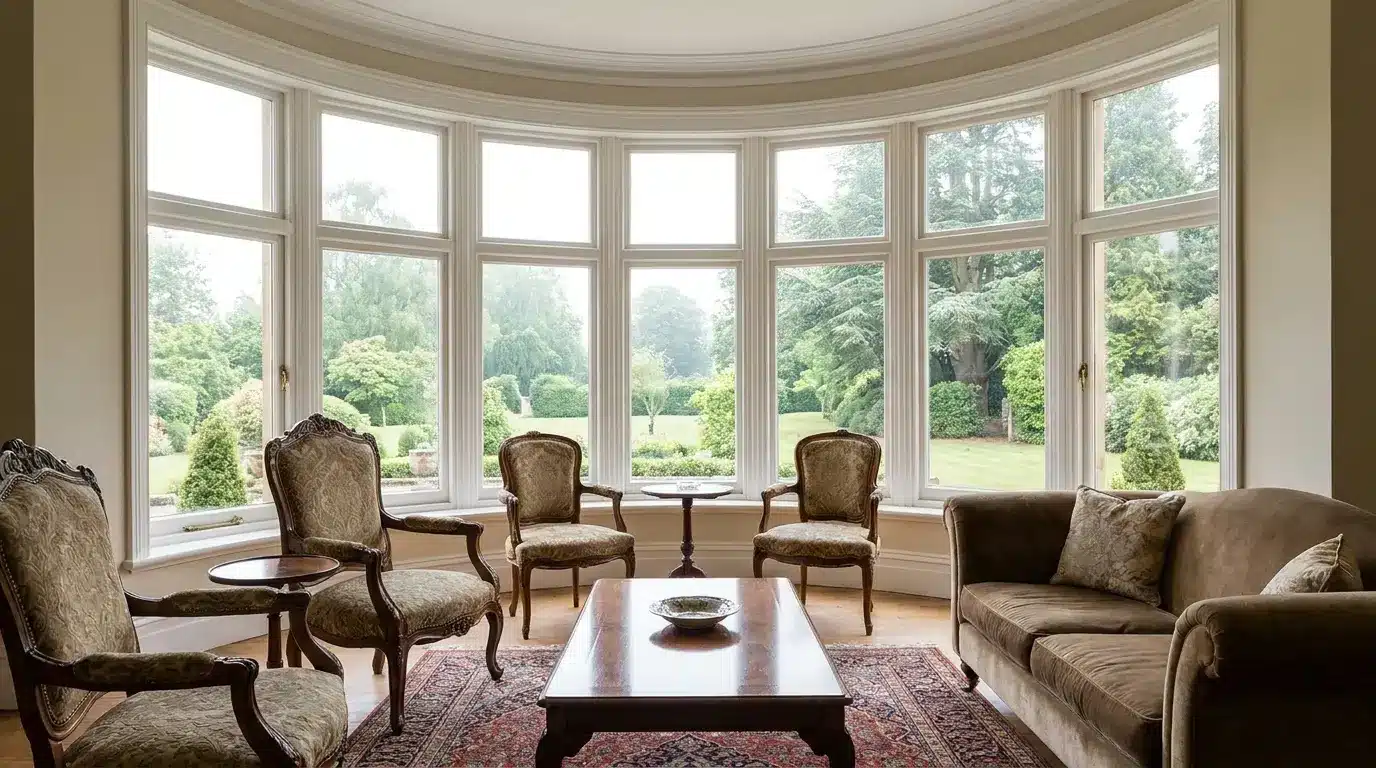
Bow windows also extend outward, but they use four or more panels to create a curved shape. They feel softer and more rounded than bay windows. This makes them a strong choice for classic and traditional home designs.
They bring in light from multiple angles and make rooms feel larger. Bow windows often work best in large living rooms, sitting areas, and formal dining spaces.
Best For: Larger rooms where a curved, elegant window design can add light and character.
9. Specialty Windows
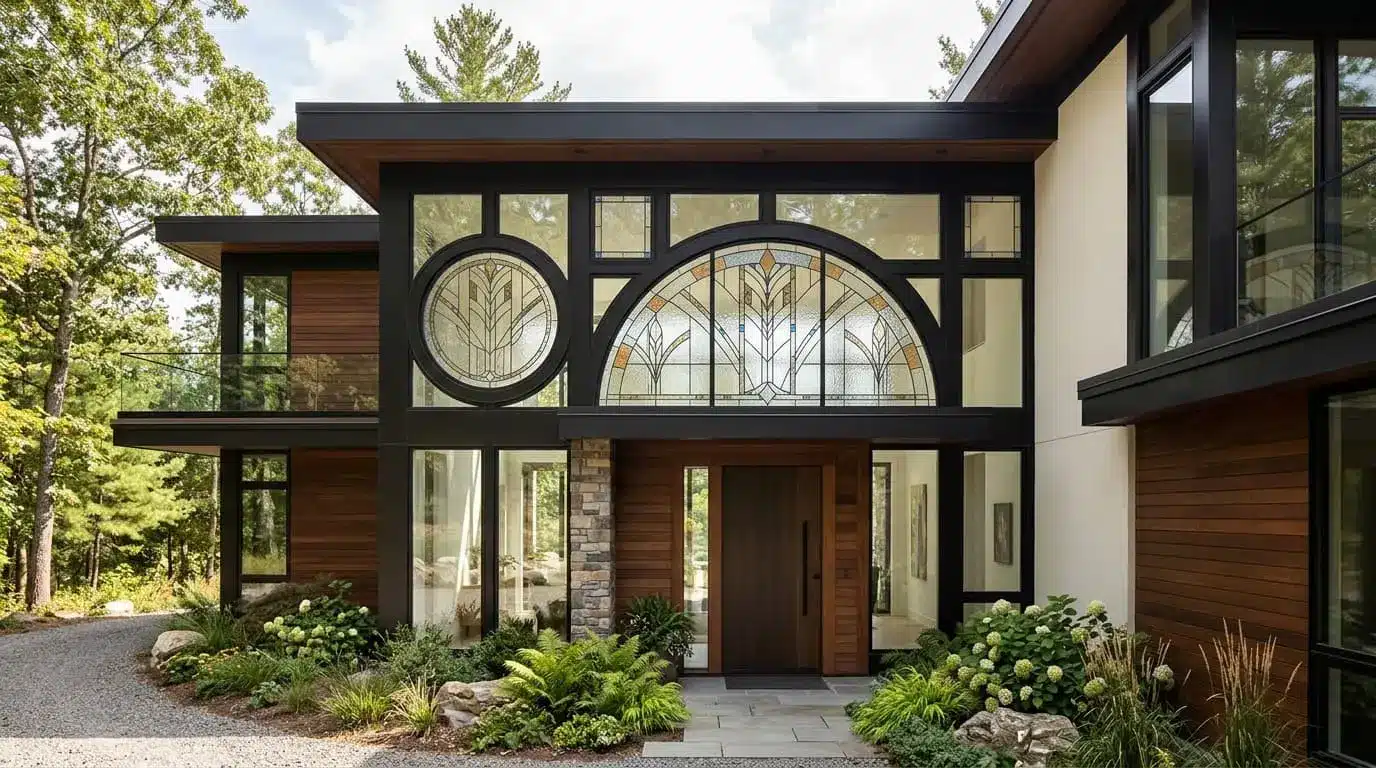
Specialty windows are custom-shaped windows made for design impact. They can be round, arched, triangular, hexagonal, or any unique shape that fits the home’s style.
They are often used as accent windows rather than main windows. You may see them above doors, along staircases, or beside larger windows. They add personality without taking over the whole design.
Best For: Accent areas where shape, style, and architectural detail matter more than ventilation.
10. Bi-Fold Windows
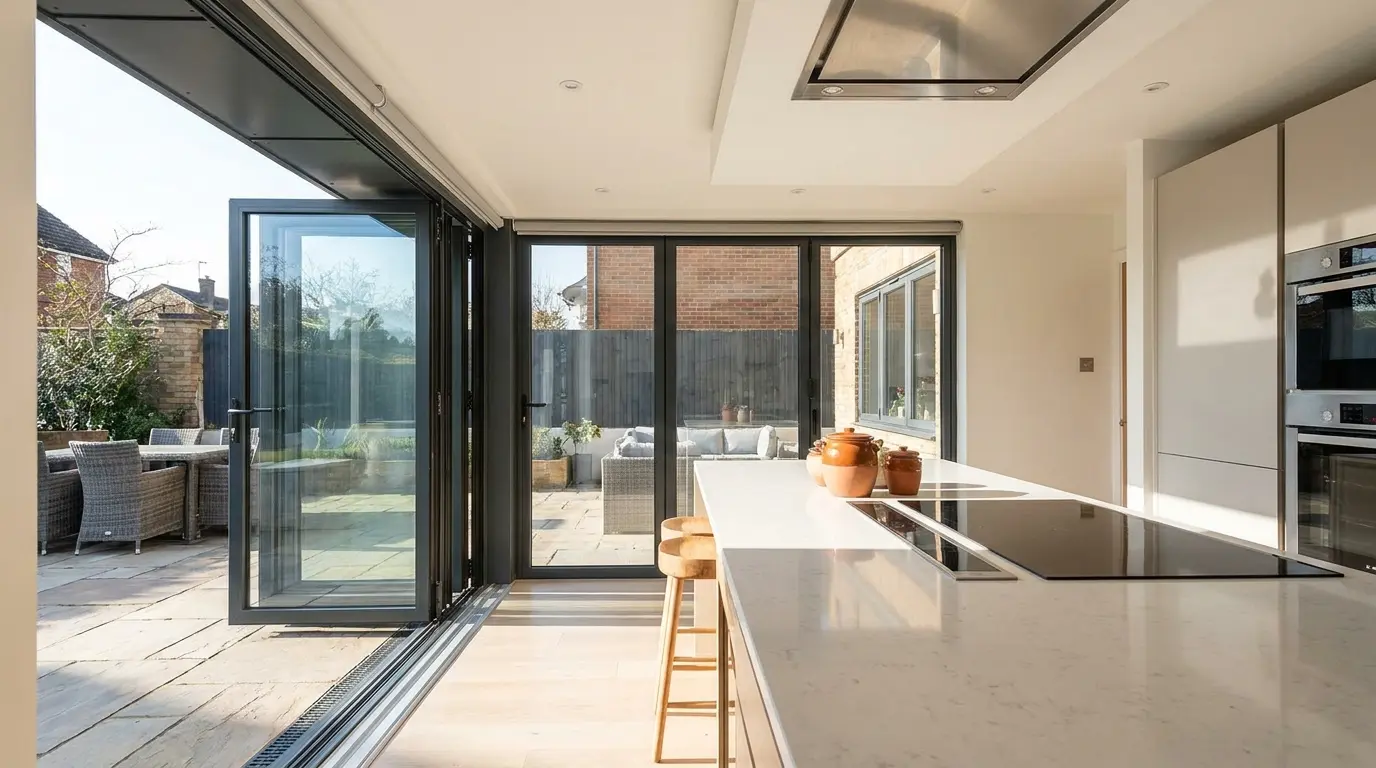
Bi-fold windows have panels that fold to one or both sides, creating a wide opening between indoor and outdoor spaces when fully open. They work especially well in kitchens, patios, pool areas, and entertaining spaces where the goal is to blur the line between inside and outside.
They are a practical choice for any home designed around outdoor connection, similar to the thinking that goes into modern beach house design, where indoor-outdoor flow is central to the layout.
Best For: Modern homes where indoor-outdoor living and open entertaining are important.
11. Multi-Slide Windows
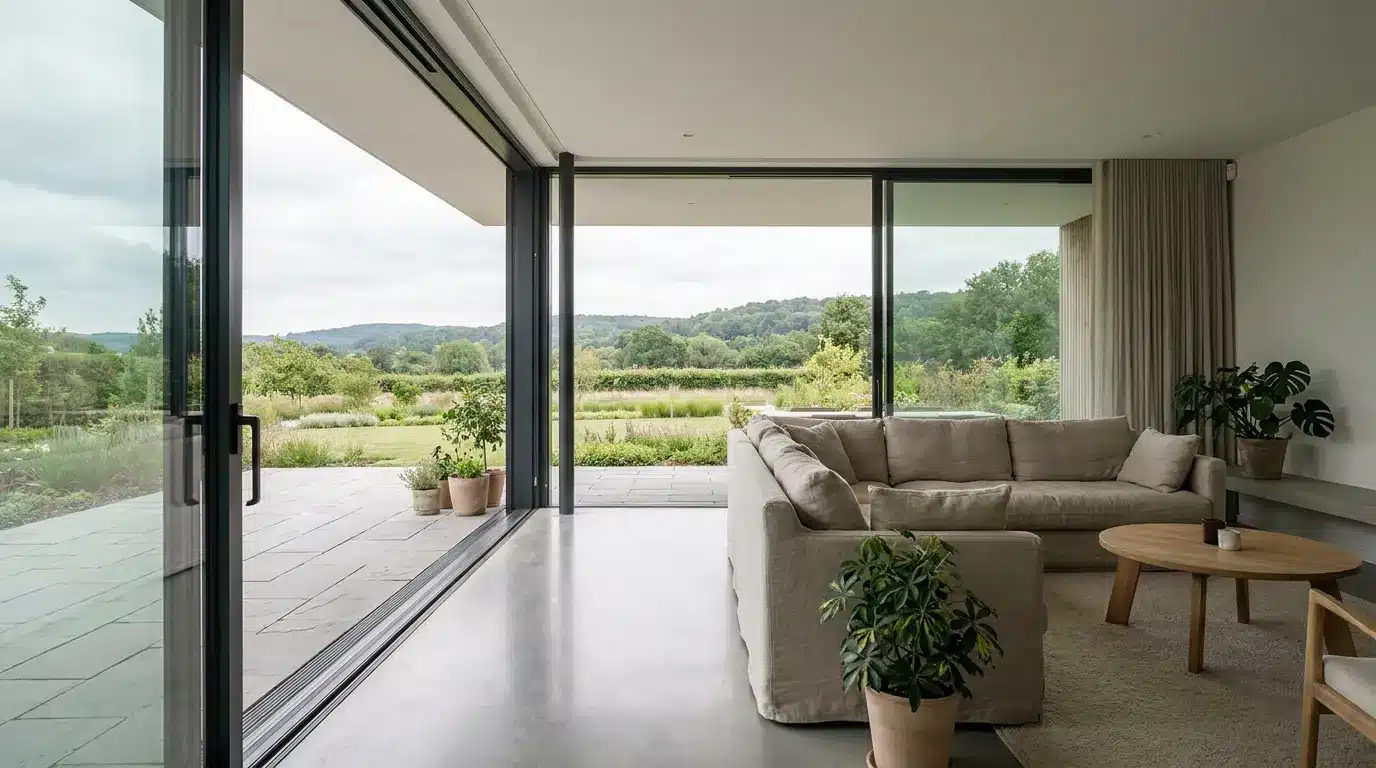
Multi-slide windows use large glass panels that slide along tracks. Unlike regular sliding windows, they can include several panels that stack or disappear into a pocket wall. This creates a much wider opening.
They are popular in luxury homes, patio-facing rooms, and open-plan layouts. They bring in light, views, and a strong indoor-outdoor feel.
Best For: Large modern spaces where wide views and open wall access are the main goals.
12. Hopper Windows
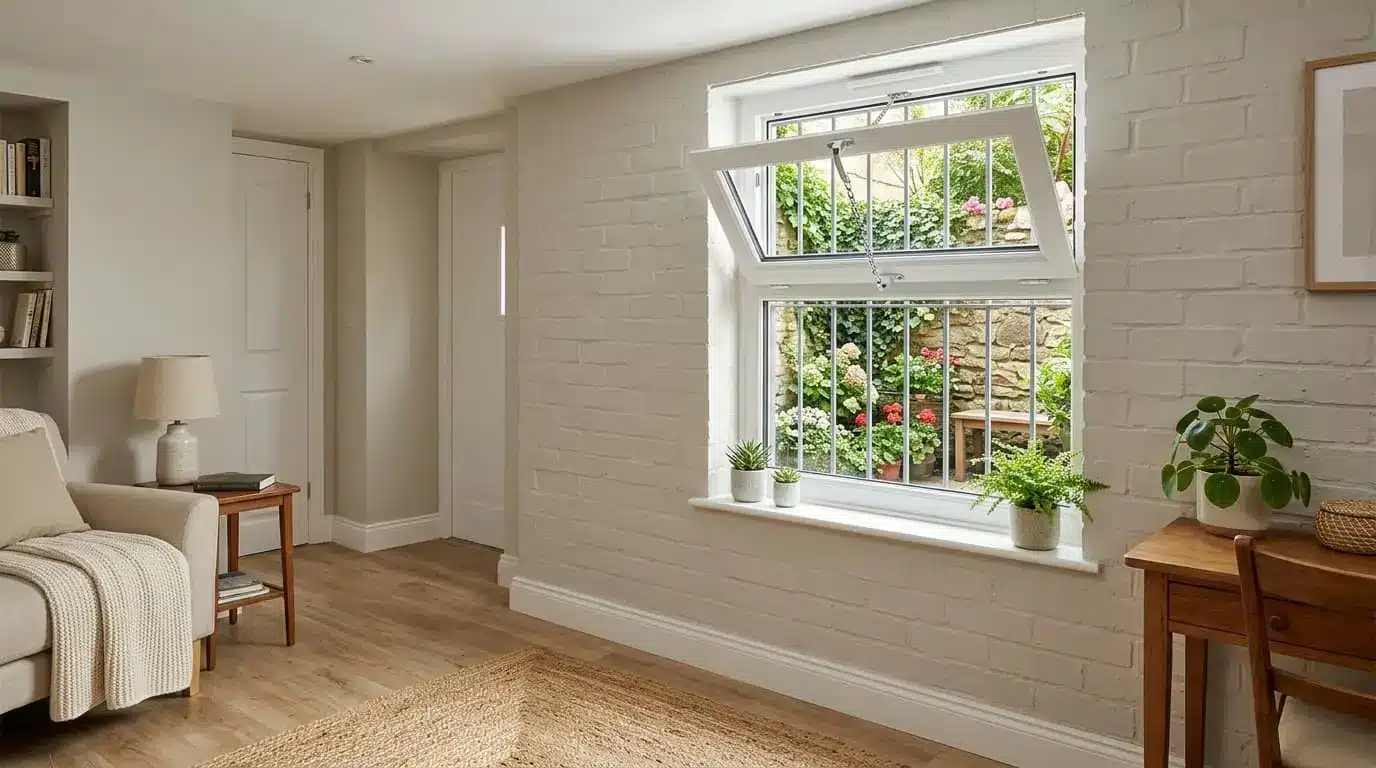
Hopper windows are hinged at the bottom and open inward from the top. This design is the opposite of an awning window. Their compact shape makes them useful in small or low wall spaces.
They are often used in basements, bathrooms, garages, and utility rooms. Hopper windows provide ventilation while keeping the opening controlled and secure.
Best For: Basements and compact rooms where small openings need reliable airflow.
13. Transom Windows
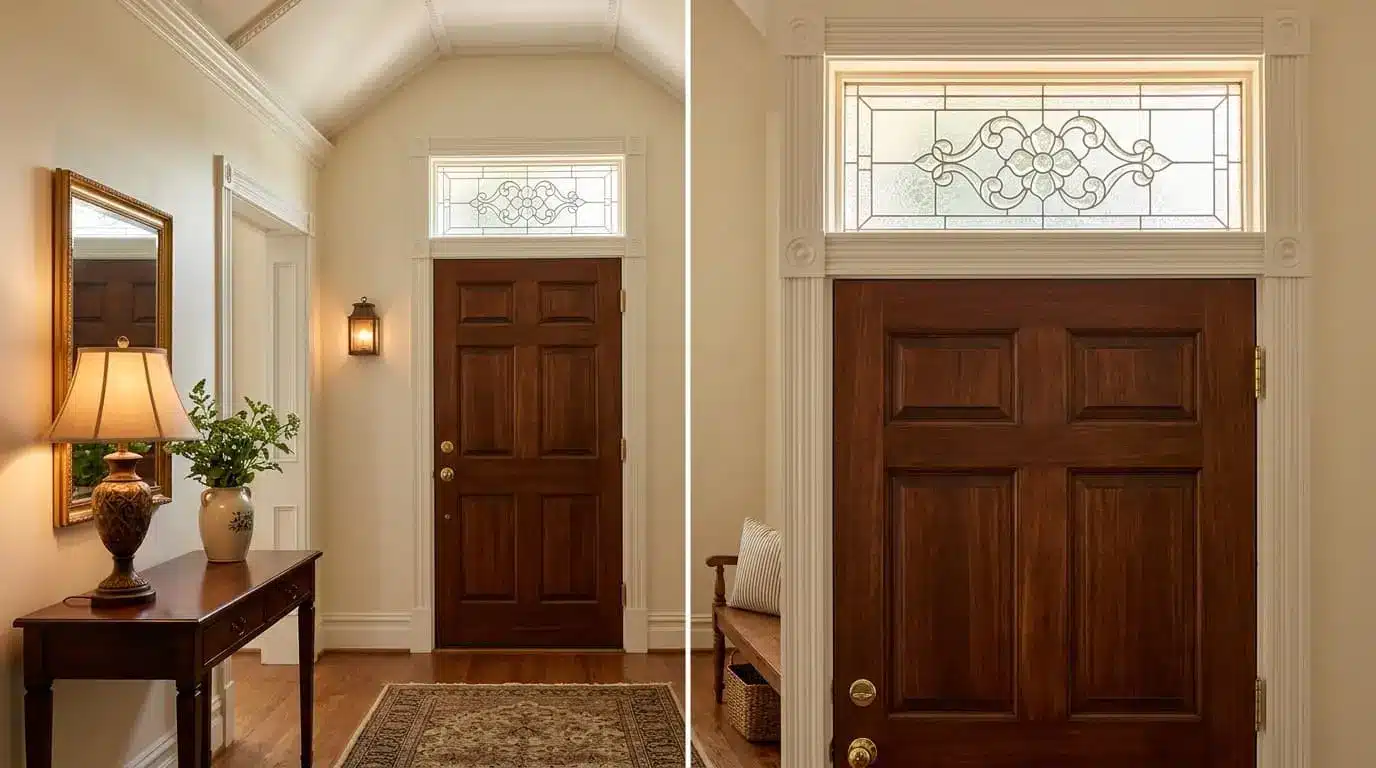
Transom windows sit above doors or larger windows. They are usually narrow and fixed, but some designs can open. Their main role is to bring extra light into a room without taking up wall space.
They work well in entryways, hallways, interior doorways, and rooms that need borrowed light. They also add a clean architectural detail.
Best For: Above doors and windows where extra daylight and design detail are needed.
14. Jalousie Windows
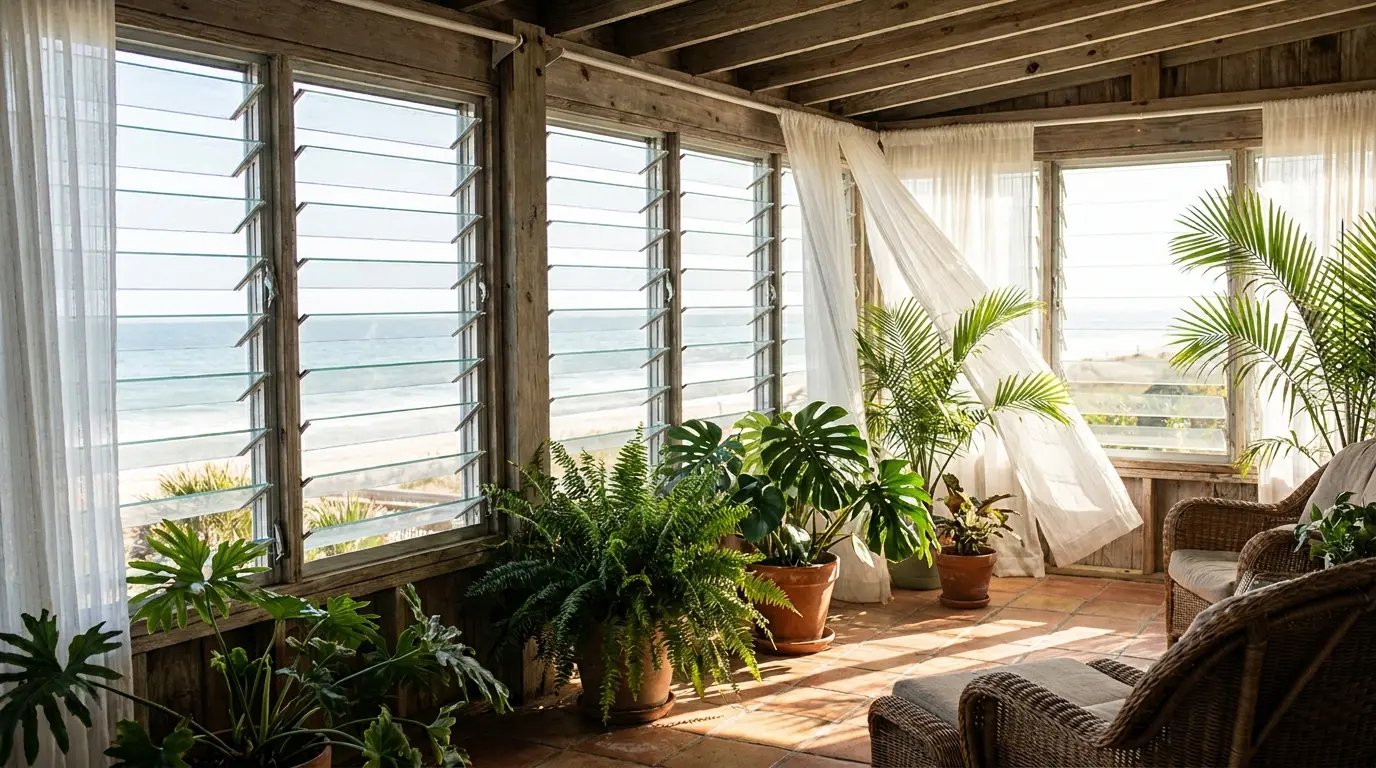
Jalousie windows are made of horizontal glass slats that open and close together. They work much like blinds. This design allows steady airflow and easy control over ventilation.
They are most useful in warm and humid regions. They are not the best choice for cold climates because they do not seal as tightly as many modern window types.
Best For: Coastal, tropical, and warm-climate homes where airflow matters more than insulation.
15. Garden Windows
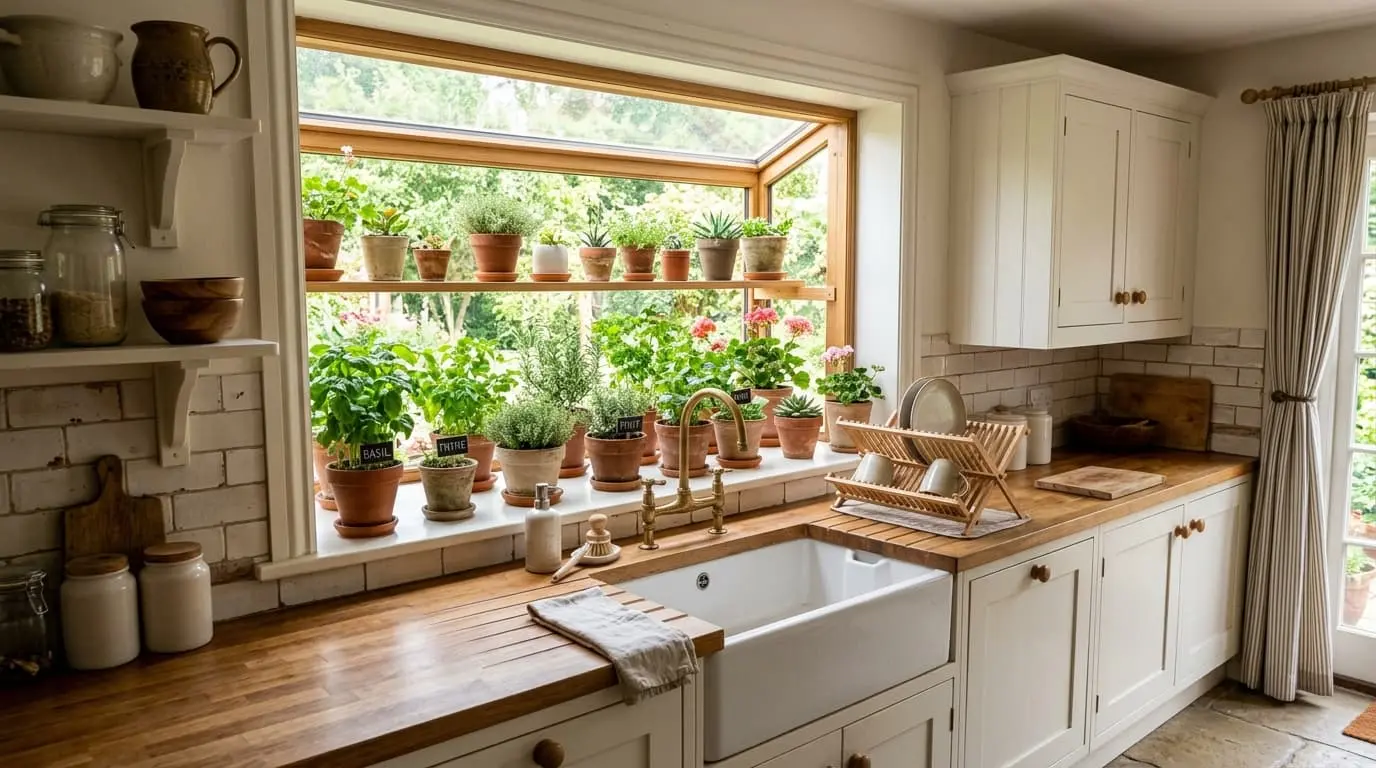
Garden windows project outward from the wall like a small glass box. They usually have glass on the front, sides, and top, creating a sunny shelf inside the home.
They are often installed above kitchen sinks. They are useful for herbs, small plants, and decorative items. Garden windows bring light from several angles and add charm to everyday spaces.
Best For: Kitchens where natural light, plants, and a useful display ledge add value.
16. Clerestory Windows
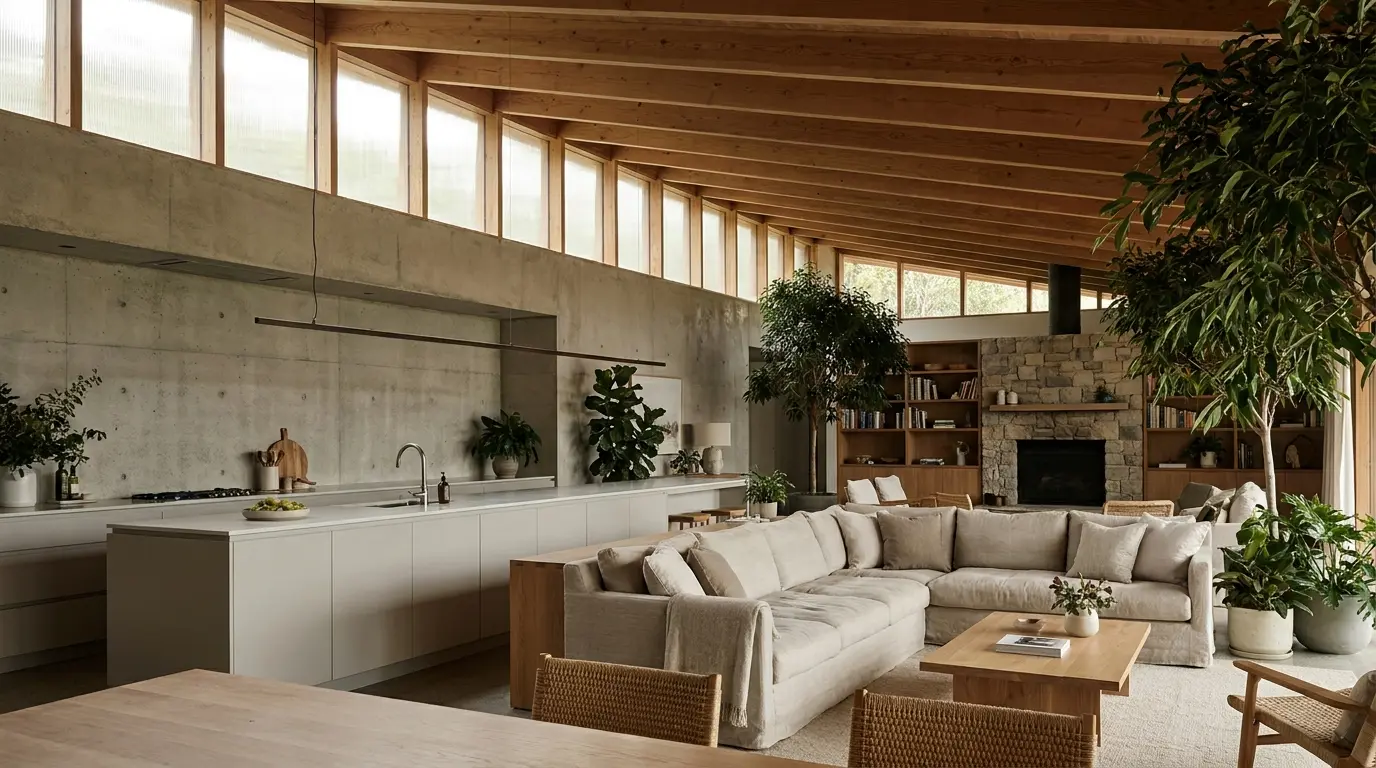
Clerestory windows are placed high on the wall, close to the roofline. Their position lets natural light enter without reducing privacy or taking up lower wall space.
They are common in modern homes, studios, open-plan layouts, and rooms with high ceilings. They can also help release warm air when designed to open.
Best For: Brightening deep interiors while keeping privacy and usable wall space.
17. Skylight Windows
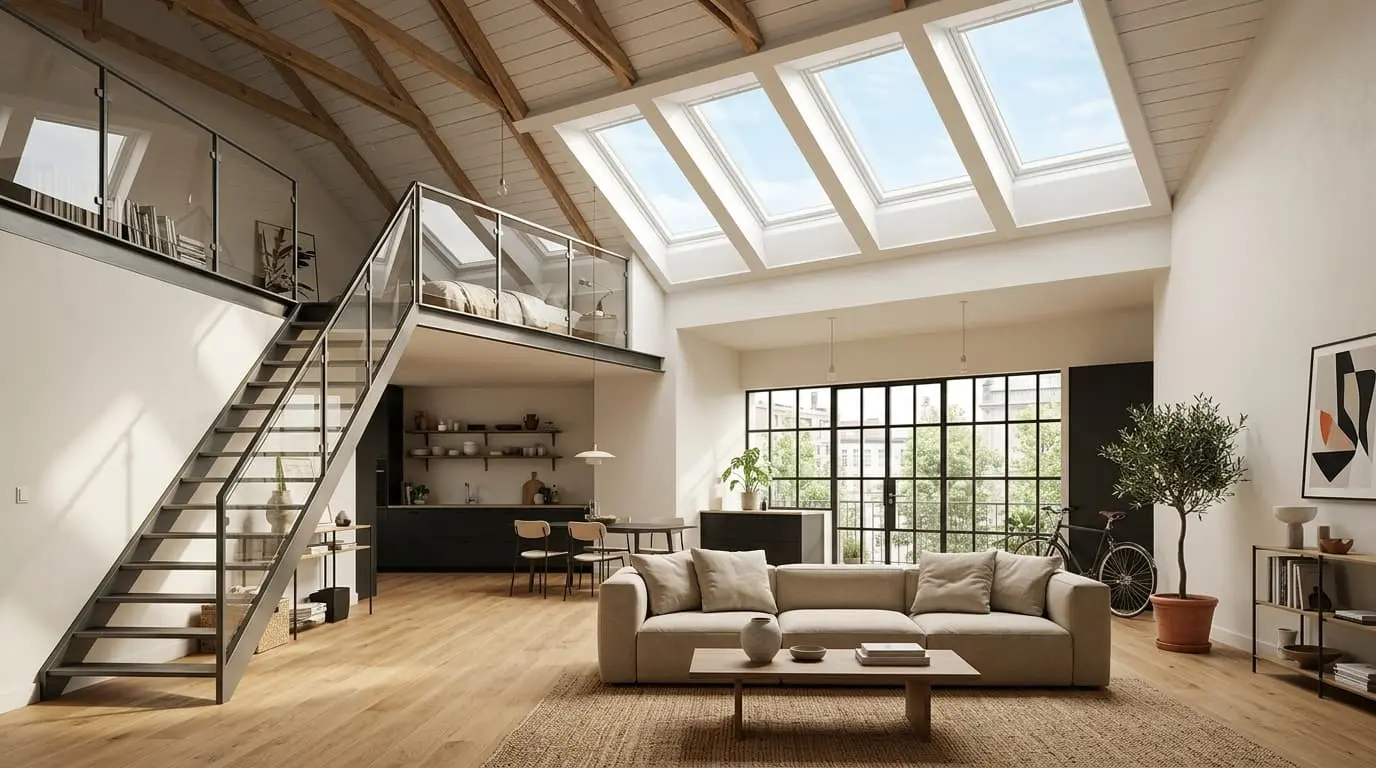
Skylight windows are installed in the roof instead of the wall. They bring overhead light into spaces that may not have enough side windows. This can make dark rooms feel brighter and more open.
Some skylights are fixed, while others open for ventilation. They work well in hallways, bathrooms, lofts, attics, and rooms with limited exterior walls.
Best For: Interior rooms and roof-level spaces where wall windows are not practical.
18. Glass Block Windows
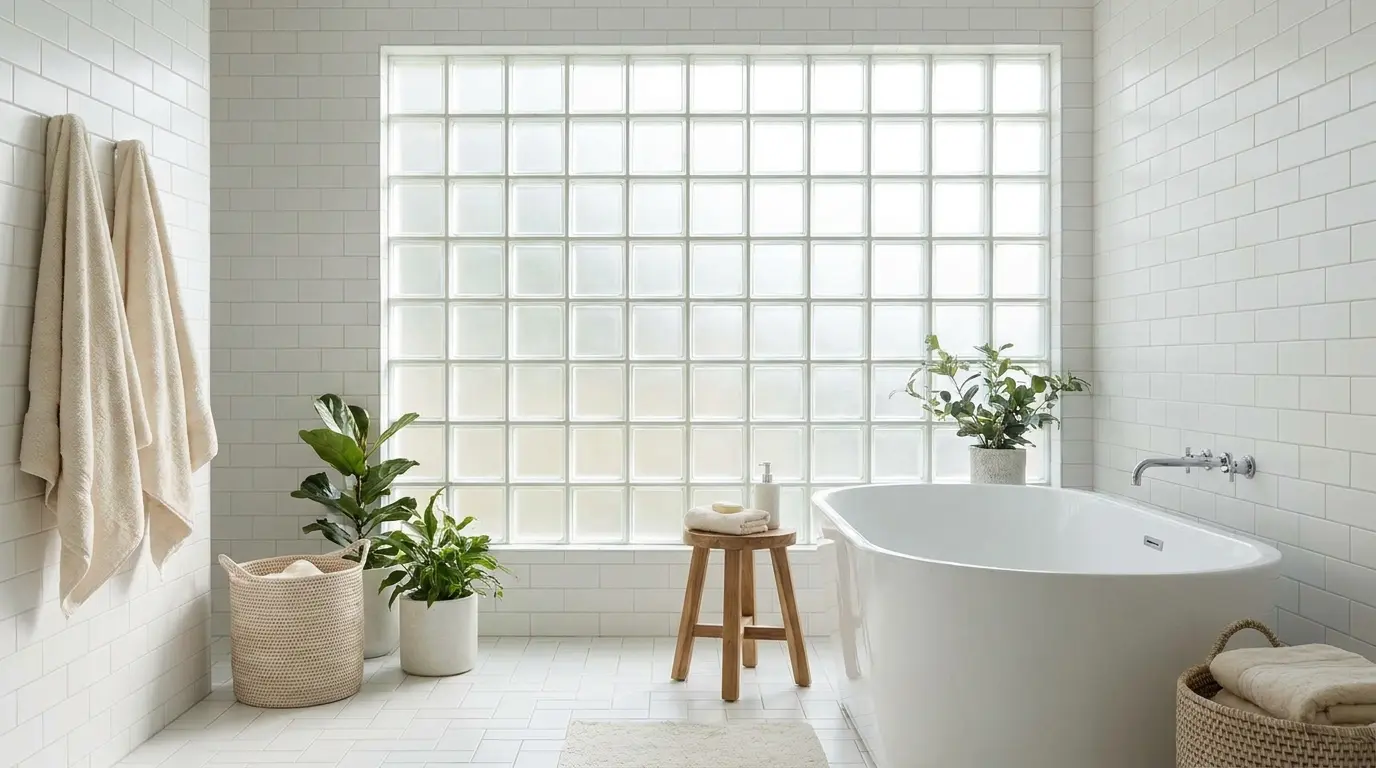
Glass block windows are made from thick glass blocks set together. They allow light to enter while blocking clear views. This makes them a strong choice for privacy.
They are often used in bathrooms, basements, stairwells, and ground-level spaces. They are durable and low-maintenance, but they usually do not open unless a vent section is added.
Best For: Bathrooms and basements where privacy, light, and durability are key needs.
19. Egress Windows
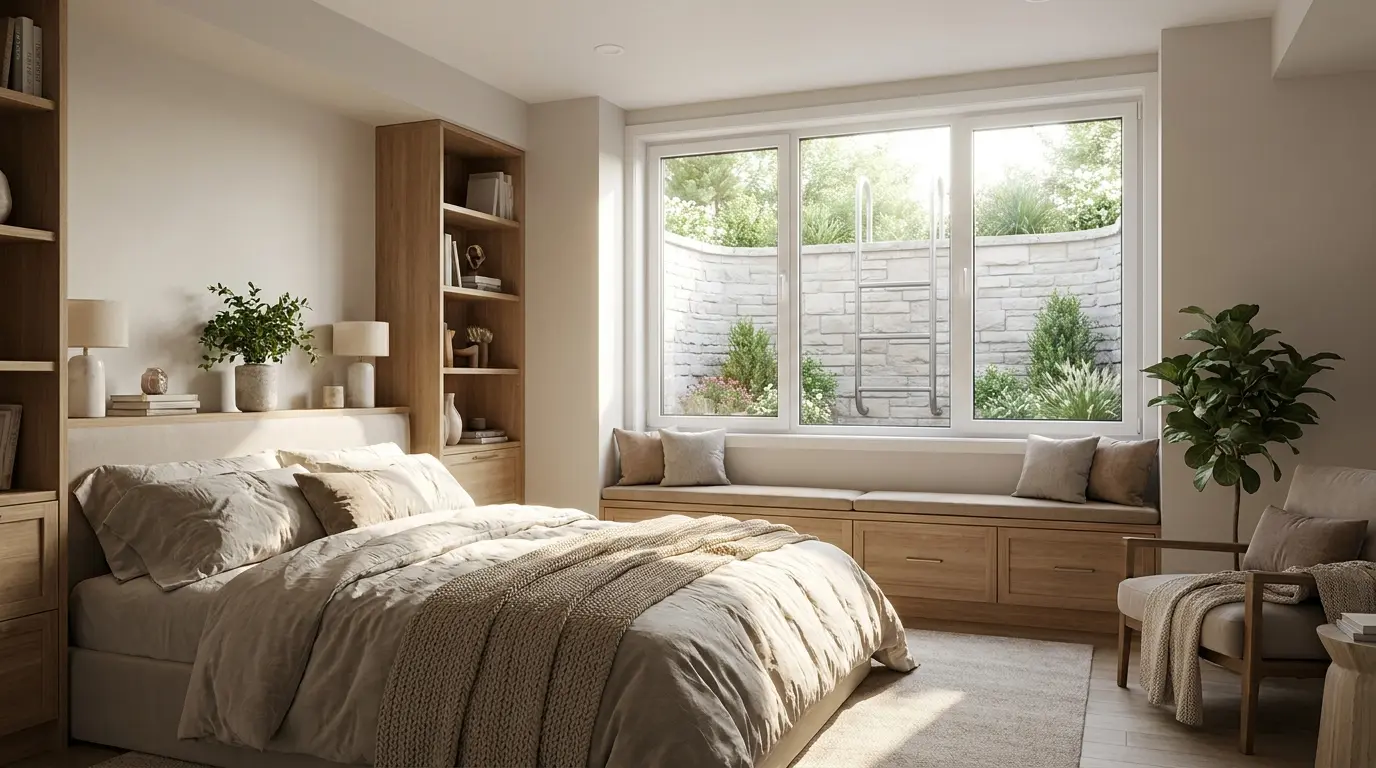
Egress windows are designed for safety. They are large enough to be used as an emergency exit, especially in basements and sleeping areas. Many building codes require them in certain rooms.
They bring in light and ventilation while also offering a safe escape route. Their size, placement, and opening method must meet local code rules.
Best For: Basements and bedrooms where emergency exit access is required.
20. Storm Windows
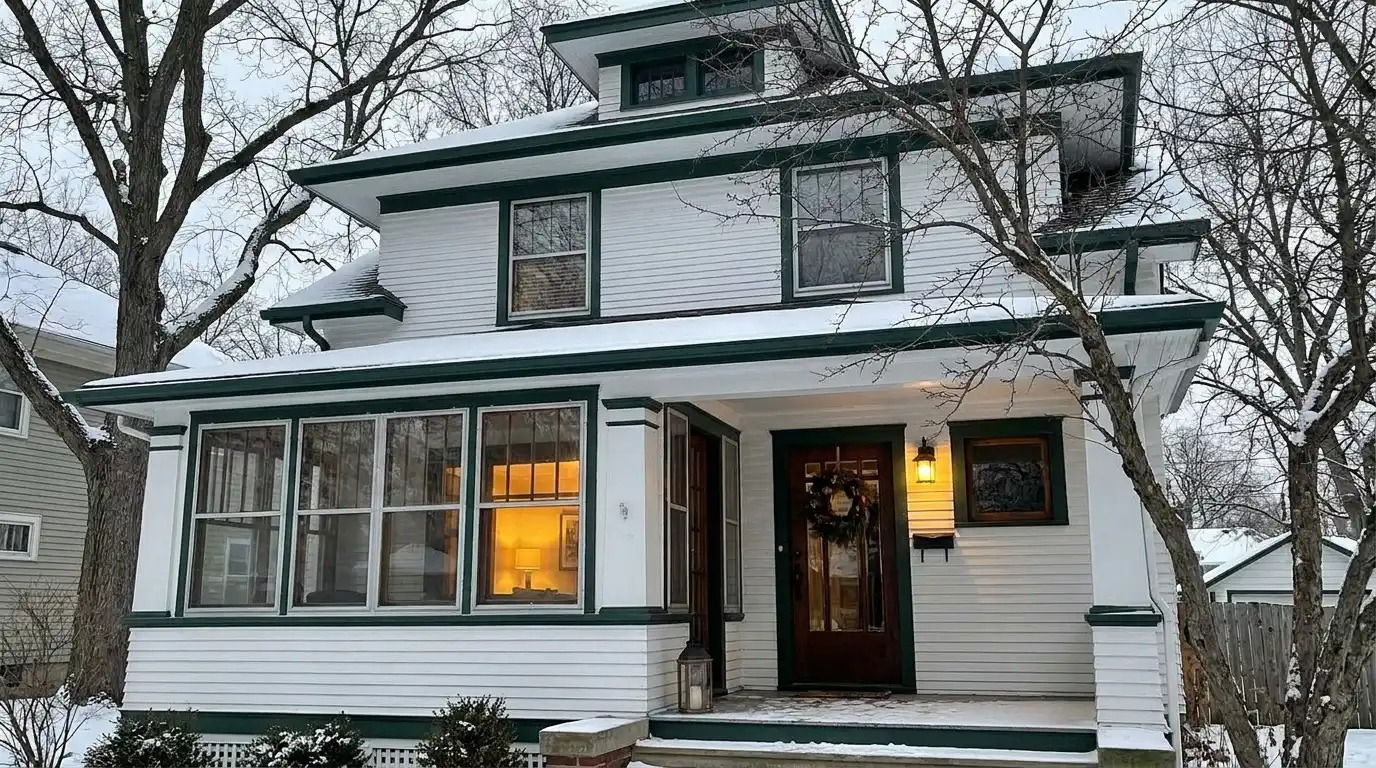
Storm windows are installed over existing windows to add protection. They help improve insulation, reduce drafts, and protect against harsh weather. They are often used in older homes.
They can be installed on the inside or outside of the main window. Storm windows are a good option when full window replacement is not possible or not needed.
Best For: Older homes that need better insulation, draft control, and weather protection.
21. Tilt and Turn Windows
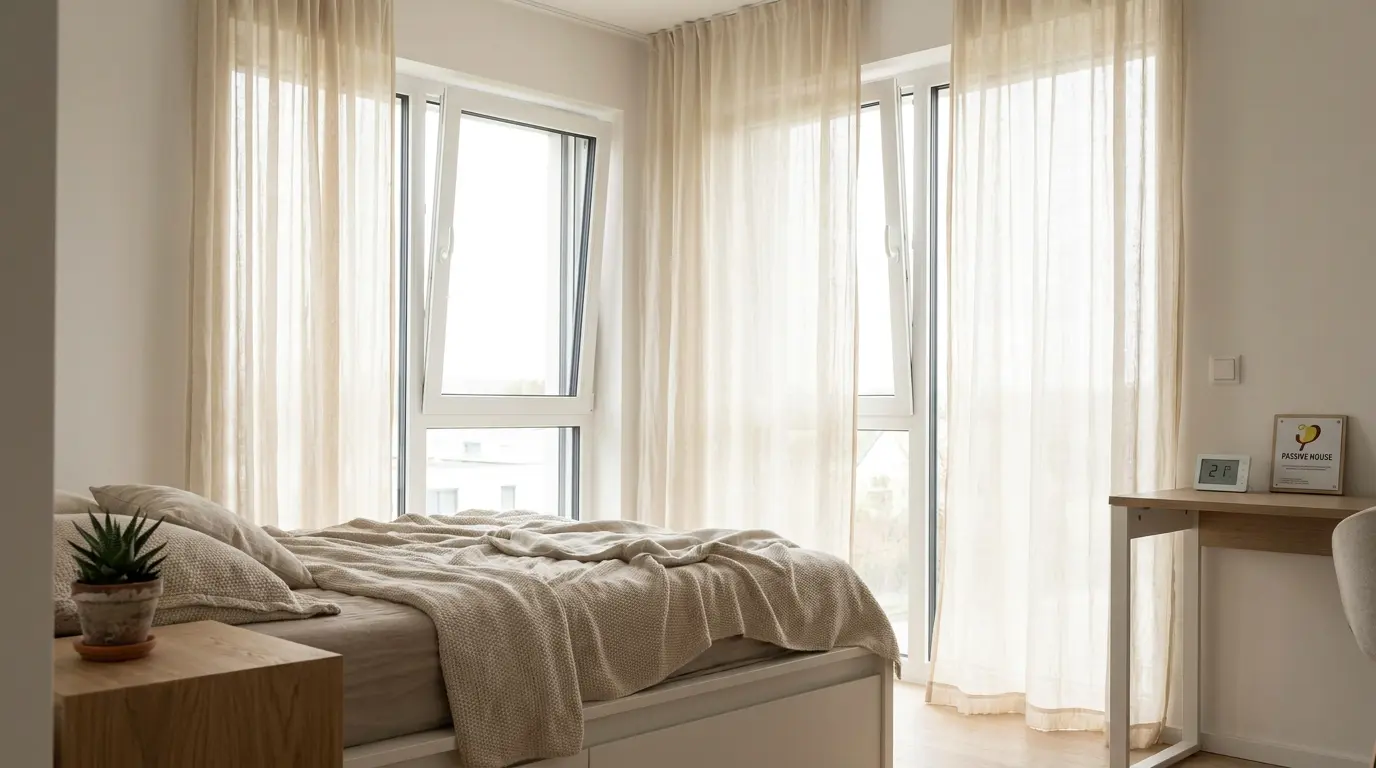
Tilt and turn windows open in two ways. They can tilt inward from the top for gentle ventilation or swing inward like a door for full airflow and easy cleaning.
They are common in modern and energy-efficient homes. Their tight seal helps with insulation, while the dual-opening design adds flexibility. They work well in bedrooms, offices, kitchens, and upper-floor rooms.
Best For: Homes that need secure ventilation, easy cleaning, and strong energy performance.
These types of windows for the home offer unique advantages depending on room function, climate, and design preferences. Choosing the right window style can improve comfort, efficiency, and appearance.
How to Choose the Right Types of Windows for Home
Choosing the right types of windows for the home affects more than how a room looks. The right window improves airflow, natural light, energy efficiency, privacy, and daily comfort, and those benefits compound over time.
The wrong one shows up in monthly energy bills and rooms that never quite breathe right.
These are the factors that should drive the decision:
- Measure accurately. Incorrect measurements lead to installation gaps, air infiltration, and costly adjustments. Measure rough opening width and height at multiple points; openings are rarely perfectly square.
- Match style to architecture. Double-hung windows suit traditional homes; casement and tilt-and-turn styles fit contemporary builds. Choosing a style that fights the home’s architecture creates visual dissonance that is hard to fix later. The same logic applies when picking interior design styles; the architectural shell has to agree with what goes inside it.
- Check energy ratings. Prioritize Energy Star certification, Low-E glass coatings, and triple glazing in cold climates. Frame material matters too; fiberglass and vinyl outperform aluminum for thermal performance in most US regions.
- Factor in climate and storm resistance. Humid climates need moisture-resistant frames. Storm-prone zones, the Gulf Coast, the Atlantic coast, and the Southeast need impact-resistant glass and tested pressure ratings. This is especially relevant if you are planning any house additions with large glass areas.
- Prioritize easy maintenance. Tilt-in sashes make cleaning significantly easier than fixed windows, particularly on upper floors. Simpler hardware means fewer failure points over the window’s 20-to-25-year lifespan.
- Verify warranties. A solid product warranty (10+ years on glass, 5+ years on hardware) and a separate installation warranty protect the investment. Condensation between panes after the warranty period is a common and expensive surprise.
The goal is not to choose attractive windows; it is to choose windows that make the home more comfortable, efficient, and practical every day.
Mistakes to Avoid When Choosing Window Styles
I have seen how easy it is to get this wrong, and the mistakes almost always show up after installation. Here are the ones worth catching early.
| Mistake | Why It Happens | How to Avoid It |
|---|---|---|
| Focusing Solely on Aesthetics | Visual appeal overshadows performance | Check energy ratings and seal quality alongside style |
| Ignoring Maintenance Requirements | Upkeep demands are underestimated at purchase | Match window style to a realistic lifestyle and schedule |
| Overlooking Energy Efficiency | Energy costs feel abstract until the monthly bill arrives | Verify glazing options, energy ratings, and frame material |
| Ignoring Room Functionality | Style chosen for looks over actual room usage | Match window type to ventilation needs and usage patterns |
| Mismatching Style to Architecture | The window chosen in isolation from the home’s exterior | Use the architecture match guide above before finalizing any order |
You do not need expert knowledge to avoid these mistakes; it only requires asking the right questions before the decision is made.
Maintenance and Cleaning Tips for Every Type of Window
Windows last longer and perform better with consistent upkeep. Here is everything needed to keep them in good condition year-round.
1. Cleaning Frequency by Window Style
Different window styles collect dust, moisture, and debris at different speeds. A cleaning schedule helps every type of window stay clear, smooth, and long-lasting.
| Window Style | Recommended Cleaning Frequency |
|---|---|
| Double-Hung | Every 3 months, tilt-in sashes allow easy interior cleaning |
| Casement | Every 3 months, wipe the tracks and hinges each time |
| Fixed Windows | Every 6 months, the exterior requires a ladder or professional access |
| Bay and Bow | Every 3 months, multiple panes need individual attention |
| Skylight | Every 6 months, seasonal cleaning prevents debris buildup |
2. Tips for Hard-to-Reach Windows
Upper-floor, fixed, and skylight windows need extra care during cleaning. Using the right tools keeps the glass clean while helping you avoid unsafe positions.
- Telescopic cleaning poles with microfiber heads handle upper-floor exteriors safely
- Magnetic window cleaners work on fixed double-pane windows from the inside
- Professional cleaning is worth scheduling annually for skylights and fixed windows above the second floor
- Never lean out of a window to clean: always work from a stable ladder positioned safely against the exterior wall
3. Hardware and Frame Maintenance
Frames, hinges, locks, and tracks affect how well windows open, close, and seal. Regular maintenance prevents rust, drafts, sticking, and long-term damage.
- Vinyl Frames: Wipe with mild soap and water every 3 months. Avoid abrasive cleaners.
- Wood Frames: Inspect for moisture damage every 6 months. Repaint or reseal every 2 to 3 years.
- Aluminum Frames: Clean with a non-abrasive cleaner and apply car wax annually to prevent oxidation.
- Hardware: lubricate hinges and locks with silicone spray every 6 months and check for corrosion early.
4. Seasonal Inspection Checklist
Each season can affect windows in a different way. A simple seasonal check helps catch drafts, moisture, damaged seals, and hardware issues early.
- Spring: replace compressed weatherstripping, clean tracks, test all locks, and inspect exterior caulking.
- Summer: check screens for tears, inspect for condensation between panes, and lubricate sliding mechanisms.
- Autumn: inspect weatherstripping, check frames for moisture damage, and reapply caulk where gaps appear.
- Winter: seal drafts immediately, wipe interior condensation regularly, and avoid forcing frozen mechanisms.
Consistent seasonal maintenance extends window lifespan significantly and prevents minor issues from turning into costly repairs.
The details behind every good window decision are simple. Trust me, the ones who skip these steps always find out the hard way.
Frequently Asked Questions
Which types of windows for home reduce noise most effectively?
Casement and fixed picture windows seal tightly against the frame and reduce outside noise better than most operable styles. Double or triple glazing adds another meaningful layer of sound control. These are the right choices for homes near roads, schools, flight paths, or busy commercial areas.
Do types of windows affect a home’s resale value?
Yes. Modern, well-sealed windows signal to buyers that the home has been maintained. Outdated or drafty windows are frequently flagged during inspections and can reduce offers or trigger replacement credits. Energy-efficient windows also show up favorably in a home’s energy audit, which matters in markets where efficiency is a selling point.
How long do different types of windows typically last?
Most quality windows last 20 to 25 years with proper maintenance. Lifespan depends on frame material, weather exposure, installation quality, and upkeep. Foggy glass, sticking frames, drafts around the perimeter, and rising energy bills are the clearest signals that replacement is overdue.
Can window performance be improved without full replacement?
Yes. Storm windows, updated weatherstripping, exterior caulking, and Low-E window films can meaningfully reduce drafts and heat transfer when the existing frames are still structurally sound. This approach is particularly useful in older homes where the original windows have historic value or where full replacement budgets are not available.
Which window types work best for basement bedrooms?
Egress windows are the required choice for any basement sleeping area in the US; they must meet minimum size and opening requirements under local building codes. Hopper windows can supplement ventilation in non-bedroom basement spaces. If the basement conversion is part of a broader project, reviewing construction cost structures before finalizing the scope helps prevent budget surprises on egress installation.
Are specialty or custom window shapes worth the cost?
Specialty windows make sense as accent pieces in homes with strong architectural character, above a front entry, beside a staircase landing, or paired with a standard window for visual interest. As primary windows in a room, they are rarely practical. The cost premium for custom shapes is significant, and the payoff is design-only; they add no ventilation or insulation advantage over standard windows of the same glass area.
Summing Up
Picking the right window Styles is one of those decisions that feels simple until you are actually standing in a room that does not breathe right or watching energy bills climb every season.
I have seen how much difference the right choice makes, and how quietly the wrong one costs. Every option I have covered in this guide exists for a reason, and matching that reason to a specific space is what makes a home feel genuinely comfortable.
Ventilation, energy efficiency, and room function are not just specs; they are daily lived experiences. If this helped narrow things down, share it with someone who needs it. Questions? Drop them below in Comments.