
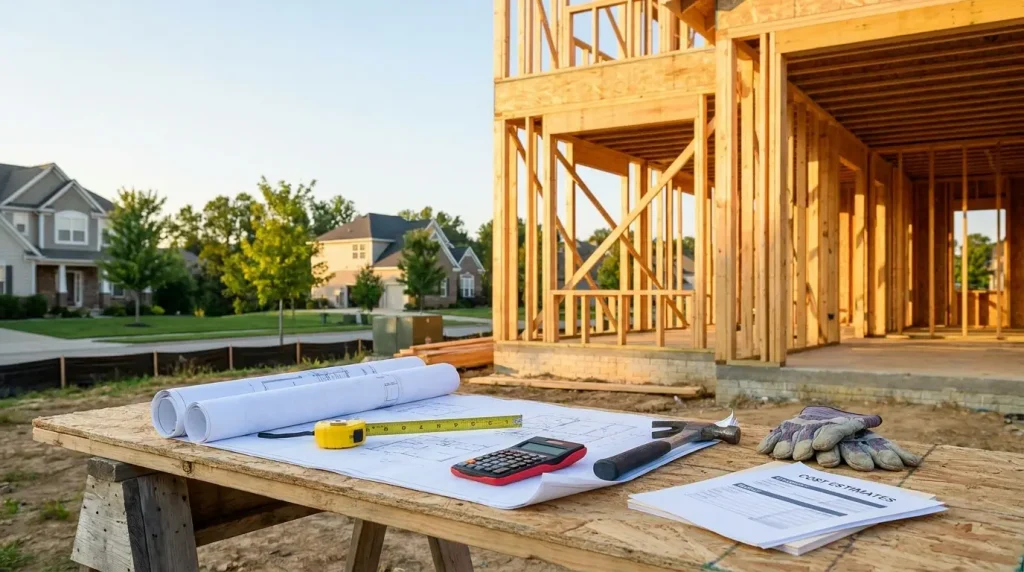

Building a new home in the U.S. costs between $150 and $300 per square foot on average, which puts a 2,000-square-foot house somewhere between $300,000 and $600,000 in construction costs alone, before land, permits, or site work enter the picture. That range sounds wide because it is.
The average cost to build a house shifts meaningfully based on where you build, who you hire, and what you choose to include.
Most people arrive at this number after seeing a single figure online and wondering why their local builder’s quote looks so different.
The gap usually comes down to what the quote actually covers and what it quietly leaves out. This article breaks that down so you can read a builder’s bid with your eyes open.
Quick Glance: Average Cost to Build a House
Before you get into the line items, it helps to see the full range in one place. These figures reflect construction costs for a new build. Land, site prep, permits, and utilities are separate.
| Build Type | Cost Per Square Foot | Estimated Cost for 2,000 Sq. Ft. | What Drives the Variation |
| Basic build | $150 to $200 | $300,000 to $400,000 | Standard floor plans, builder-grade finishes, minimal customization. |
| Mid-range build | $200 to $300 | $400,000 to $600,000 | Upgraded finishes, better materials, more design flexibility. |
| High-end or custom build | $300 to $500+ | $600,000 to $1,000,000+ | Custom layouts, premium finishes, specialized labor, high-end features. |
These ranges track with NAHB’s 2024 Cost of Constructing a Home survey, which puts the national average at roughly $162 per square foot excluding land and general contractor overhead.
Once you add a GC’s fee, typically 15 to 25%, the effective average climbs closer to $195 per square foot. Use this table as a planning baseline, not a final bid.
What Is Included in the Average Cost to Build a House?
The average cost to build a house in the U.S. typically covers the work required to make the home livable: foundation, framing, roof, siding, windows, exterior doors, plumbing, electrical, HVAC, insulation, drywall, flooring, paint, cabinets, countertops, standard fixtures, and basic appliances.
What varies is the quality level assigned to each of those line items. One builder’s quote may include vinyl flooring and stock cabinets. Another allows for hardwood, tile, or semi-custom cabinetry.
The gap between those two quotes can be $30,000 to $80,000 on a mid-size home, without a single layout change. That is why the allowance sheet matters more than the total number.
Several costs commonly sit outside the base price. These include:
- Land purchase and survey fees
- Soil testing and geotechnical reports
- Lot clearing, grading, and drainage work
- Permits, impact fees, and plan review
- Utility hookups, water, sewer, electric, gas
- Septic systems or well drilling on rural lots
- Driveway construction and landscaping
- Construction loan interest and temporary housing
- Change orders added after work begins
Before comparing bids, ask every builder for a written scope, a finish allowance list, and a clear exclusions page. The builder with the lowest number may simply be the one who excluded the most.
Average Cost Per Square Foot to Build a House
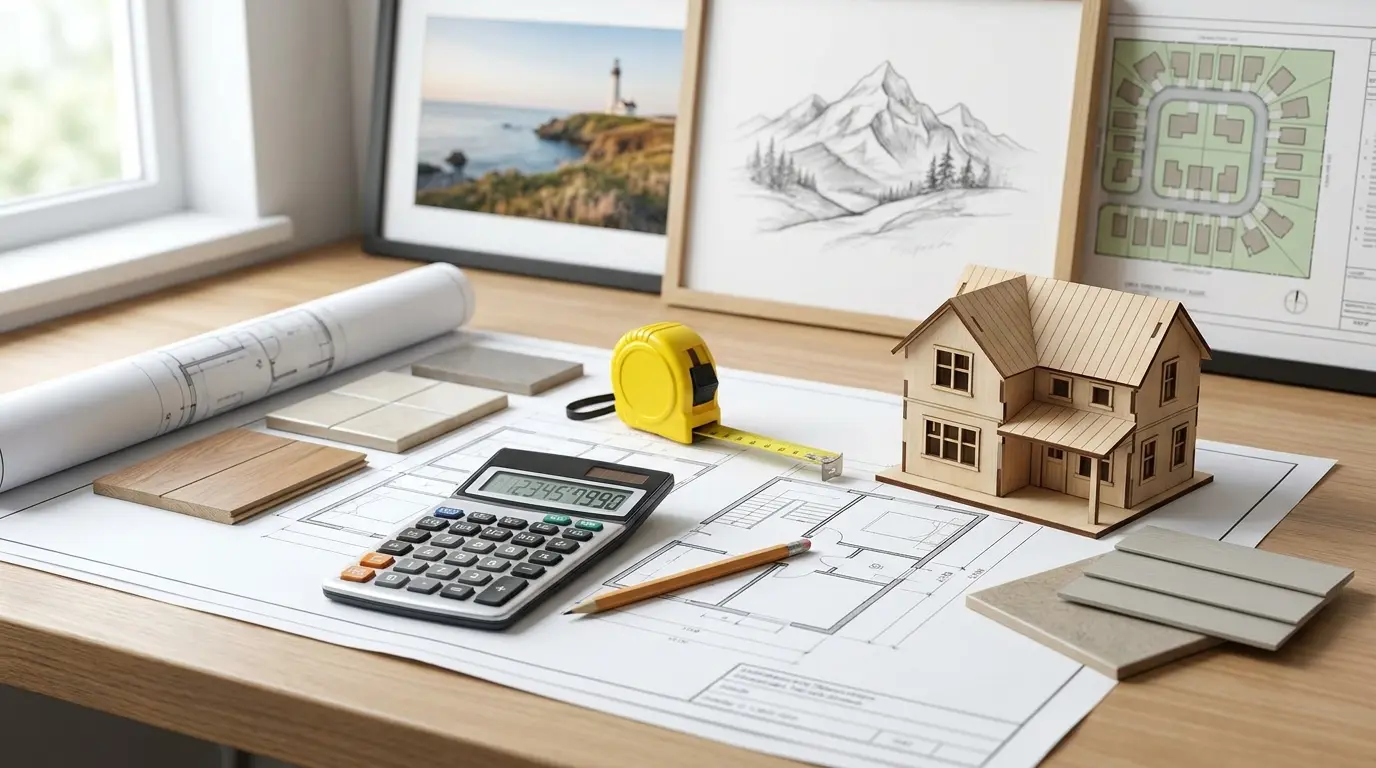
The average cost per square foot to build a house helps you create a rough budget before you talk to builders or choose finishes.
It is useful, but it should not be treated as a final quote, as location, design, labor, and materials can affect the price. Here is a simple way to compare common square-foot cost ranges:
| Cost Range Per Sq. Ft. | Typical Build Type | Common Characteristics |
|---|---|---|
| $150 to $200 | Basic Home | Standard floor plans, builder-grade finishes, straightforward construction, and fewer custom features. |
| $200 to $300 | Mid-Range Home | Larger floor plans, upgraded finishes, better-quality materials, and more design flexibility. |
| $300 to $500+ | Custom or Luxury Home | Custom layouts, premium finishes, specialized labor, and high-end features. |
Use these ranges as a planning guide, not a fixed price. A 2,000-square-foot house at $225 per square foot may start around $450,000 for construction, but that may not include land, permits, utilities, site prep, driveway work, or landscaping.
| Note: Costs can vary significantly depending on where you build. The Northeast and West Coast often run higher due to labor, code requirements, and land prices. Many parts of the Midwest and South may be more affordable. Mountain areas can increase excavation costs, while coastal locations may require stronger materials to withstand storms, moisture, or wind. |
How to Estimate Your Total Home-Building Budget
A smart budget should not stop at the builder’s base price. I would build it in layers so you can see the full project, not just the house.
Start with the main construction number, then add land, site work, permits, design, utilities, outdoor basics, financing costs, and a safety cushion. Use this simple formula before speaking with builders:
Total estimated cost = construction + land + site work + permits and design + utilities + outdoor work + financing costs + contingency
Note: A full home-building budget should always leave room for surprises. Even with a clear estimate, site issues, permit delays, material changes, or upgrades can shift the final price. I would keep a 10% to 20% cushion so you are not forced into rushed decisions later
What Affects the Average Cost to Build a House?
No two home builds price out the same way. Even if two homes have the same square footage, the final quote can change because of the market, the lot, the plan, and the finish choices. These factors explain why your estimate may look different from someone else’s.
1. Location, Labor, and Local Rules
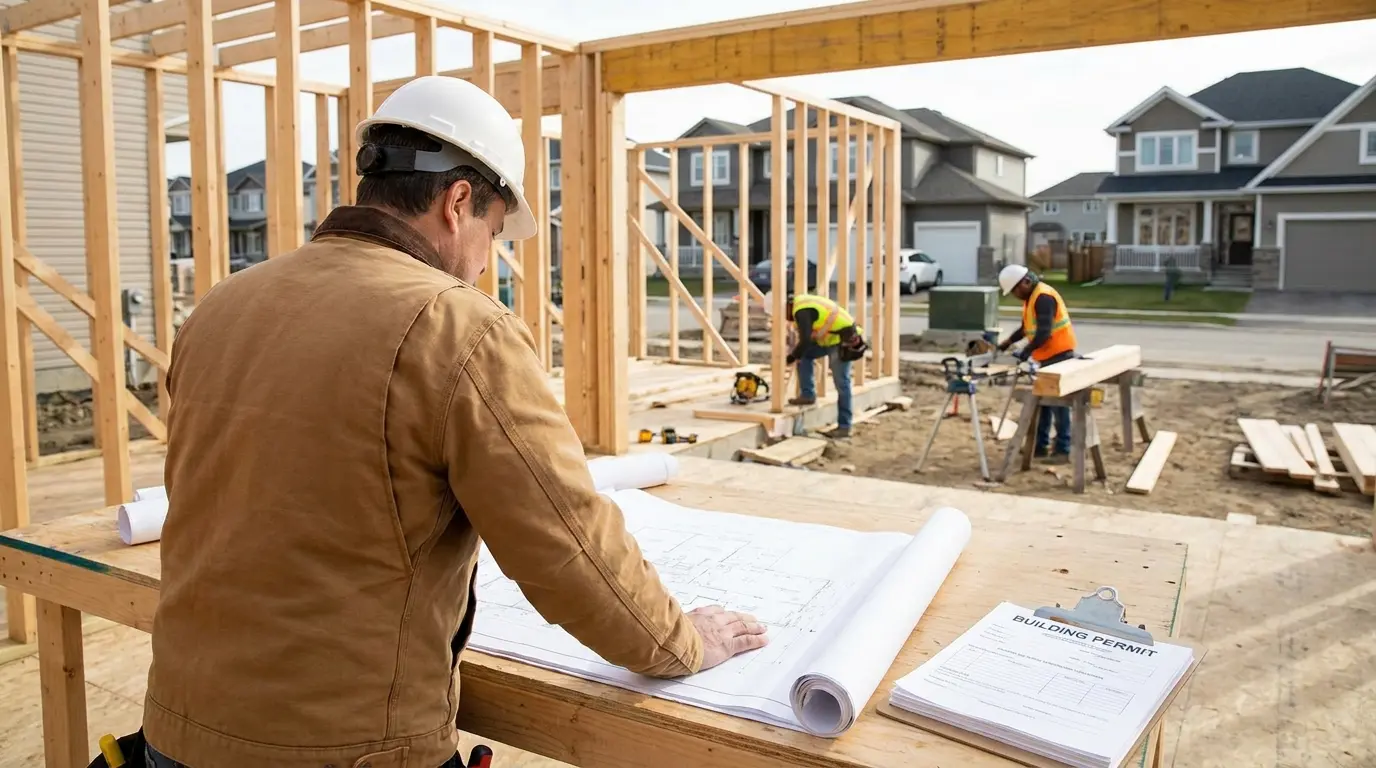
Your building area sets the pricing environment before any work begins. A home in a busy metro area, coastal county, or fast-growing suburb may be priced differently than one in a smaller inland town because builders work under different market pressures.
Here are the local cost factors that can change your quote:
- Contractor availability: When good builders and subcontractors are booked out, prices can rise because there is more demand for their time. This can affect scheduling, bid amounts, and how flexible the builder is with changes.
- Local approval process: Some areas require more inspections, review steps, energy standards, or impact fees. These rules can add cost even when the house plan itself stays the same.
2. Land, Site Condition, and Utility Access
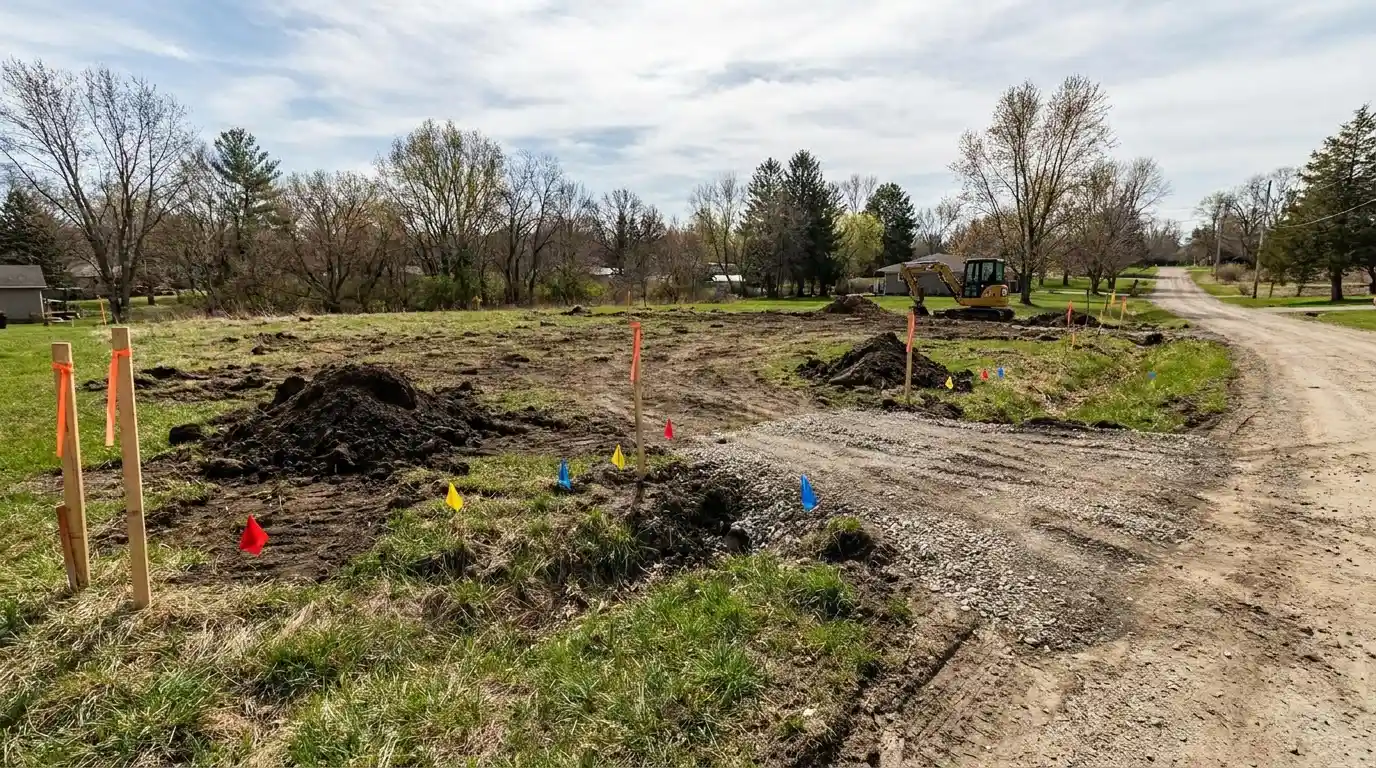
The lot shapes the budget before the foundation is poured. A piece of land priced below market often has a reason: access issues, unstable soil, or a need for significant prep work. The two site-related factors worth checking early:
- Build-ready versus raw land: A developed subdivision lot typically has road access, drainage, and nearby utilities. Raw land may need clearing, grading, soil testing, and drainage planning before construction can start. Knowing what you are buying changes the true land cost significantly.
Once you have chosen your lot, it is worth reading through the different foundation types for residential homes early, since the site condition often dictates which option is structurally viable. - Utility connection needs: Lots on public water and sewer have predictable hookup costs. Rural properties may need a well, septic system, propane setup, or a long run of electric line from the nearest service point, costs that can easily reach $20,000 to $50,000 before framing begins.
3. Home Design, Size, and Finish Level
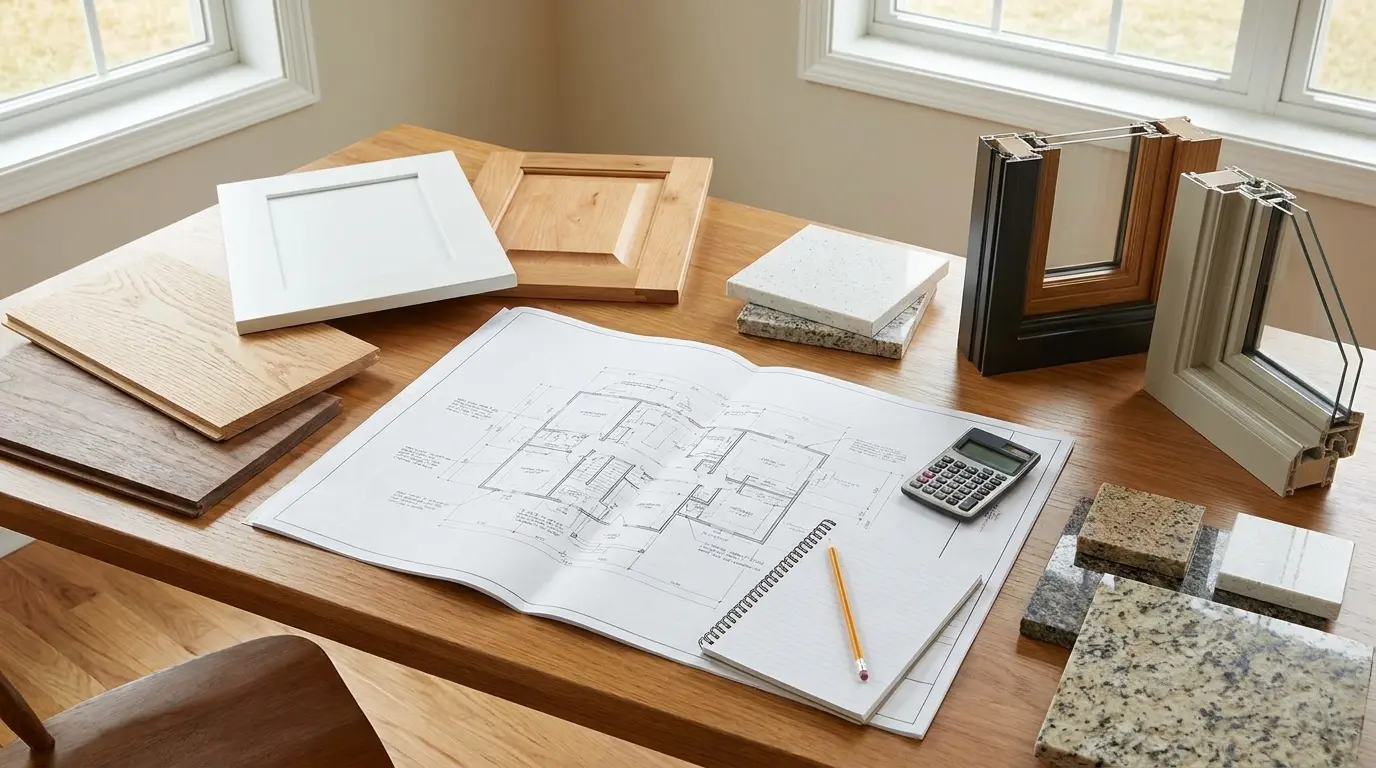
The house plan determines how much labor and coordination the build requires. A simple rectangular layout with a single roofline is less expensive to build than the same square footage spread across a complex shape. These two design choices move the number the most:
- Structural complexity: Vaulted ceilings, large open spans, oversized windows, multiple rooflines, and unusual room geometry all require more planning and more skilled trades. A hip roof, for example, costs more to frame and flash than a gable. Understanding how hip roofs are built and priced helps you evaluate whether the design premium is worth it on your specific plan.
- Finish allowances: Builders set dollar allowances for cabinets, flooring, countertops, lighting, and appliances. If your selections exceed those amounts, the difference is added to your final invoice. A $5,000 cabinet allowance and a $20,000 cabinet allowance produce the same floor plan on paper but a very different final bill.
How to Control Costs During the Building Process
A home-building budget changes as the project moves from planning to final touches. If you know where money usually goes, you can make smarter choices early and avoid spending on changes that do not add real value. Here is a simple way to see where costs appear and how you can control them:
| Budget Area | Where Money Goes | How to Control the Cost |
|---|---|---|
| Planning Stage | Design, permits, engineering, builder scope, and finish allowances. | Finalize the floor plan, review the builder scope, and set clear allowances before work starts. |
| Structure | Foundation, framing, roofing, windows, doors, and exterior walls. | Keep the layout simple, use standard sizes, and avoid too many rooflines or unusual shapes. |
| Major Systems | Plumbing, electrical, HVAC, insulation, and behind-the-wall work. | Avoid late layout changes and keep kitchens, bathrooms, and mechanical areas planned clearly. |
| Interior Finishes | Cabinets, countertops, flooring, lighting, fixtures, trim, and appliances. | Choose mid-range durable finishes and track every selection against your allowance list. This is where most new home budgets quietly break. If you are planning to paint the interior after move-in, factor that into your finish budget now rather than treating it as a later expense. |
| Final Extras | Landscaping, fencing, decks, built-ins, bonus rooms, and outdoor details. | Defer non-essential exterior work if the main budget is running tight. A driveway and basic grading should be in the original scope, but driveway materials and finishes can be decided and priced separately from the house structure. |
The goal is not to cut every corner. It is to spend with intention. I would protect the parts that affect safety, comfort, and long-term use, then delay extras that can be added later
Common Budget Mistakes to Avoid When Building a House
Budget mistakes usually happen when the early estimate looks simpler than the real project. A house build has many moving parts, so you need to check the quote, track decisions, and leave room for changes before work begins. Here are the mistakes I would avoid before signing a builder contract:
- Online averages: Treating broad cost ranges as final numbers can lead to a weak budget. Your city, lot, builder, design, and finish choices will shape the real cost.
- Unclear scope: Comparing builder quotes without checking what each one includes can mislead you. A lower bid may leave out allowances, site work, or key project details.
- Loose allowances: Choosing finishes without clear allowance limits can push your budget up fast. Cabinets, flooring, lighting, and appliances should have set price ranges early.
- Late changes: Making design changes after construction starts can increase labor, delay the schedule, and add change-order fees. Finalize major choices before work begins.
- Lowest bid: Picking the cheapest builder without checking past work, reviews, licensing, insurance, and communication style can create higher costs later.
Building a House vs Buying a House
Choosing between building and buying depends on your timeline, budget, location, and how much control you want. In fast-moving markets like parts of the West Coast or Northeast, buying may feel faster but more competitive.
In many Midwest, Southern, or suburban areas, buildings may give you more room to plan around your needs. Here is a simple comparison to help you decide which option fits your situation better:
| Factor | Building a House | Buying a House |
|---|---|---|
| Timeline | Usually takes longer because you need land, permits, design, and construction time. | Usually faster if you find a move-in-ready home. |
| Cost Control | Less predictable because site work, materials, and changes can affect the final price. | More predictable because you know the sale price before closing. |
| Design Choice | Gives you more control over layout, finishes, energy features, and future use. | Limited to the existing layout unless you renovate. Buyers who go this route often find that home renovation costs after purchase can close much of the gap with new construction. |
| Location Options | Depends on available lots, zoning rules, and utility access. | Often gives more options in established neighborhoods. |
| Early Repairs | Usually fewer at first because the home, systems, and materials are new. | Depends on the age, condition, and inspection results of the home. |
| Best Fit | Better if you want control and have time to manage the process. | Better if you need to move sooner or want price certainty. |
Both choices can make sense. If you want a home shaped around your lifestyle, building may be worth the wait. If you need speed, a known price, or a specific school district or neighborhood, buying may be the smarter path.
Frequently Asked Questions
How long does it take to build a house?
Most new homes take 7 to 12 months to build after permits are approved. The timeline depends on the builder’s schedule, weather, inspection delays, material lead times, and how quickly you finalize finish selections like flooring, cabinets, and fixtures.
Do I need a construction loan to build a house?
Most buyers use a construction loan if they are not paying cash. The loan covers building costs in draws as work is completed. Once the home is finished, it typically converts into a standard mortgage, though lender terms vary.
Is it cheaper to build a one-story or two-story house?
A two-story home can cost less per square foot because it uses a smaller foundation and roof footprint. A single-story home spread over a larger slab may carry higher foundation and roofing costs, though it is often easier for long-term accessibility.
What is not included in a builder’s base price?
Commonly excluded items include land, lot clearing, grading, permits, impact fees, utility hookups, septic or well systems, driveway work, landscaping, window coverings, and construction loan interest. Always request the exclusions list before comparing quotes.
How much does land add to the cost of building a house?
Land cost varies widely, from $5,000 to $10,000 per acre in rural areas to $100,000 or more for suburban or urban lots. According to NAHB data, finished lot cost represents roughly 18% of the total price of a new home nationally, though that share is higher in supply-constrained markets.
What is a realistic contingency budget for a new home build?
A 10% to 15% contingency is standard practice. On a $400,000 build, that means keeping $40,000 to $60,000 uncommitted until the project is substantially complete. Soil surprises, permit delays, and mid-build material changes are the most common reasons contingency gets used.
Final Thoughts
The average cost to build a house is only the starting point, not the finish line. I would use it to shape your budget, compare builder quotes, and decide what matters most before you commit.
You now know how square-foot pricing works, why land and site costs matter, and where extra money can slip in. The best move is to take these ranges, adjust them for your area, and ask builders clear questions about scope, allowances, and change orders.
When you plan this way, you are not just chasing a number. You are building with more control. If you are getting serious about your project, start by listing your must-haves and request detailed local estimates today.