

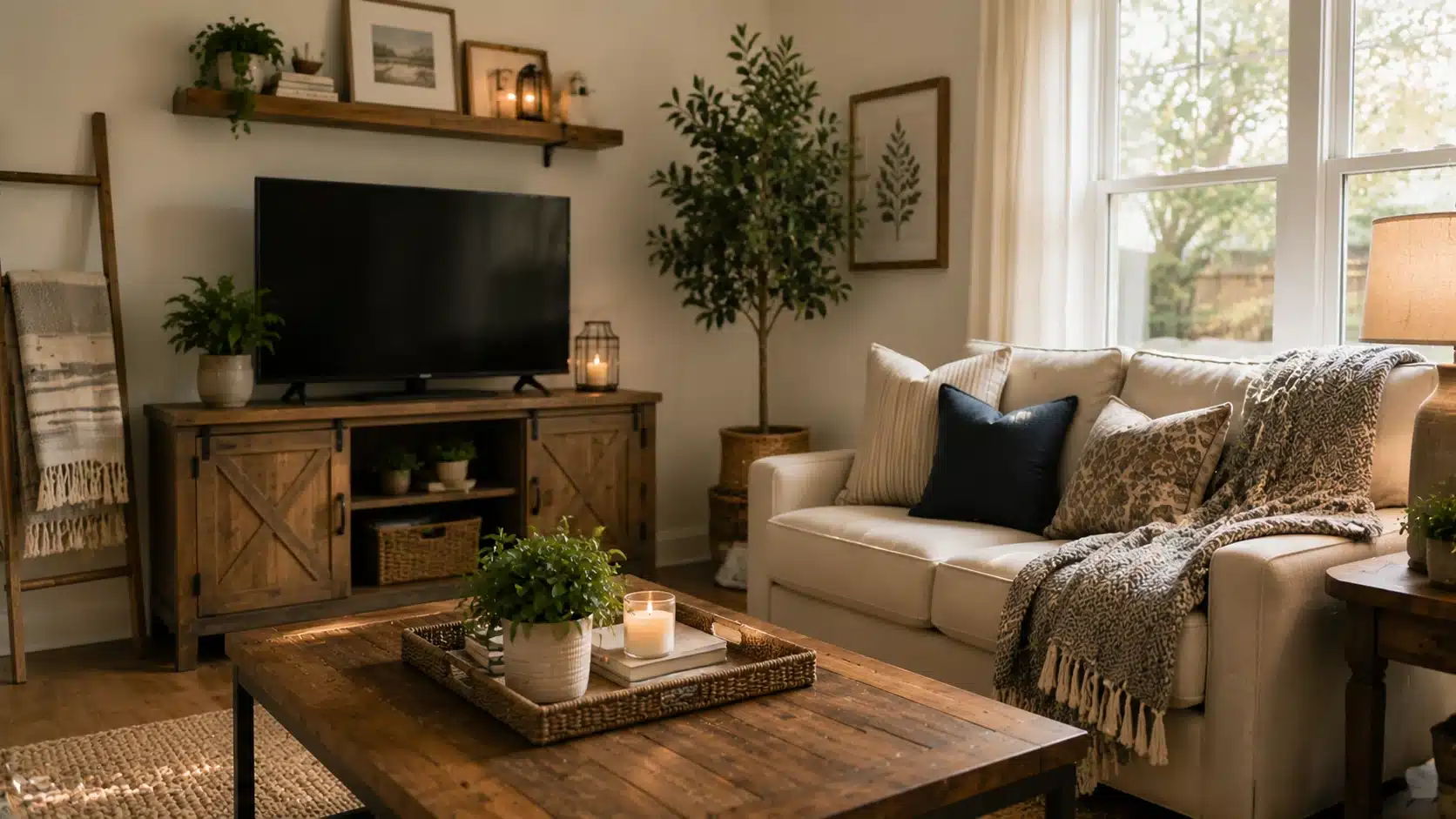


A good home update should solve a real problem, not create a bigger one. This list of diy home projects and home diy projects helps you choose work by Estimated Cost, skill, and space, so the next step feels clear.
Some ideas take less than an hour. Others need a calm weekend and a better plan. My rule is simple: start with the thing that bothers you most, such as poor lighting, cluttered counters, loose hardware, or worn finishes.
Pick one task, gather supplies, and finish it well. You get a cleaner, safer, more useful space without taking on more than your budget or schedule allows, right now, inside your own home.
| Cost Note: All cost ranges below reflect supply costs only, not tool rentals or contractor labor. Projects marked Advanced often benefit from a second pair of hands. Always get at least three quotes before hiring out any work above $1,000. |
Types of DIY Home Projects to Compare Before You Start
Before you choose a project, it helps to know what kind of change your home needs. Some updates fix small daily problems, while others improve style, storage, outdoor use, or long-term function. Use this table to compare the main project types before buying supplies or setting aside a weekend.
| Project type | Best for | Typical Estimated Cost range | Skill level |
|---|---|---|---|
| Small repairs and maintenance | Fixing daily irritations, worn spots, odors, loose hardware, and basic upkeep | $0–$100 | Beginner |
| Room updates | Making a room feel cleaner, more finished, or less dated | $30–$500 | Beginner to advanced |
| Storage fixes and larger weekend builds | Reducing clutter, adding hidden storage, or improving busy spaces | $10–$1,000 | Beginner to advanced |
| Outdoor work | Improving curb appeal, garden areas, patios, porches, and exterior function | $20–$500 | Beginner to intermediate |
Estimated Cost means the rough supply range, not tool rentals or pro labor. Skill Level shows how much measuring, cutting, drilling, prep, or help the task may need. Best Fit indicates whether the project works best indoors, outdoors, or in either setting.
Before sanding or disturbing old paint, check the EPA’s lead-safe renovations for DIYers , especially if your home was built before 1978.
Start Small: Home DIY Projects That Fix Daily Irritations
Best for quick wins: these beginner-friendly updates help when a room feels messy, worn, or harder to use than it should. My pick is to start with the item you notice every morning or every night.
1. Deep Clean the Dishwasher and Disposal
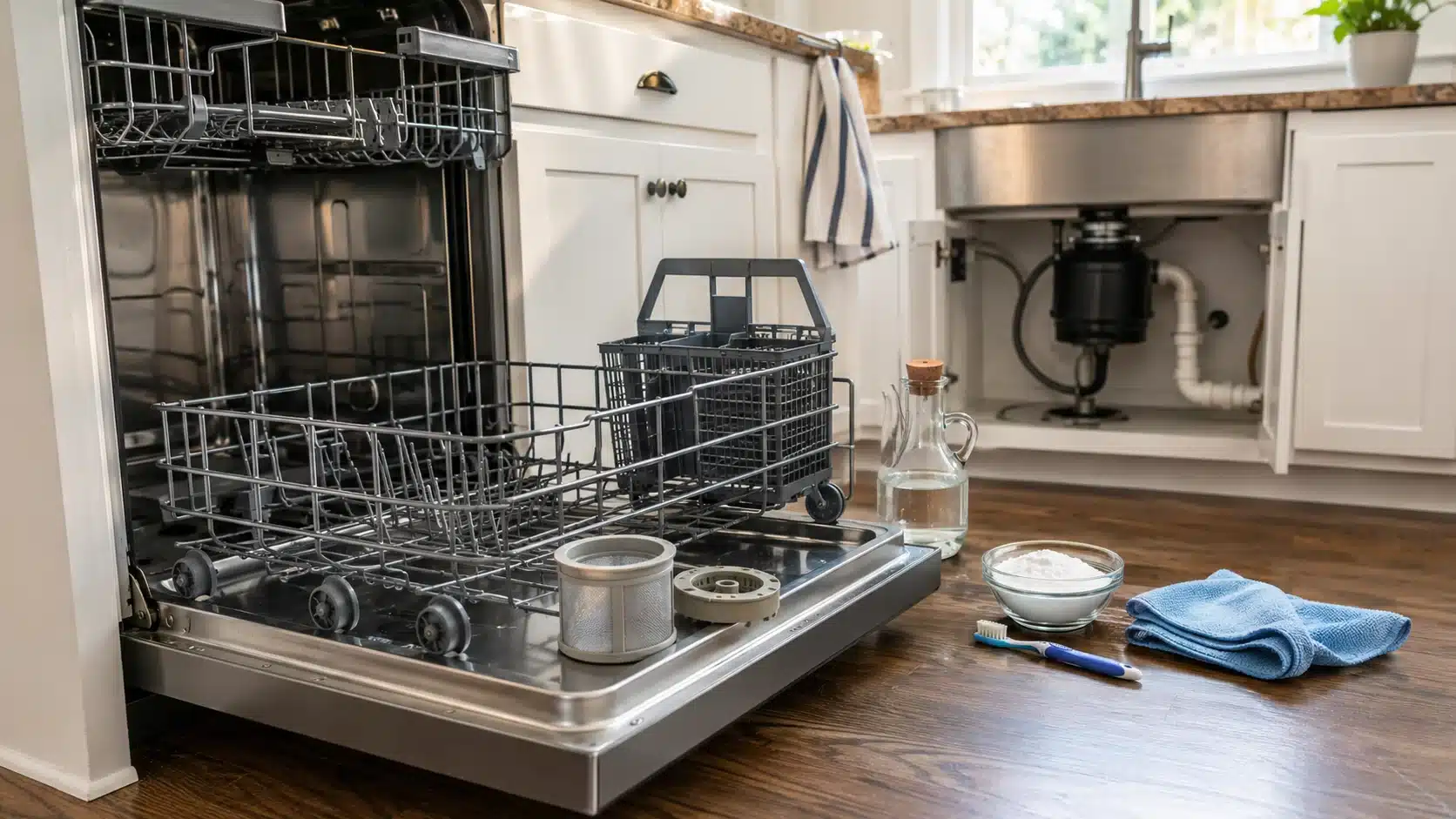
Clean the filter, gasket, spray arm, and disposal flap, then run a hot vinegar cycle. This small kitchen maintenance task helps with odors, cloudy dishes, and slow draining.
Keep vinegar, baking soda, a cloth, and an old toothbrush nearby so the job stays simple and quick for my monthly reset.
Estimated Cost: $0-$20| Skill Level: Beginner |Best Fit: Indoor
2. Patch Small Wall Holes
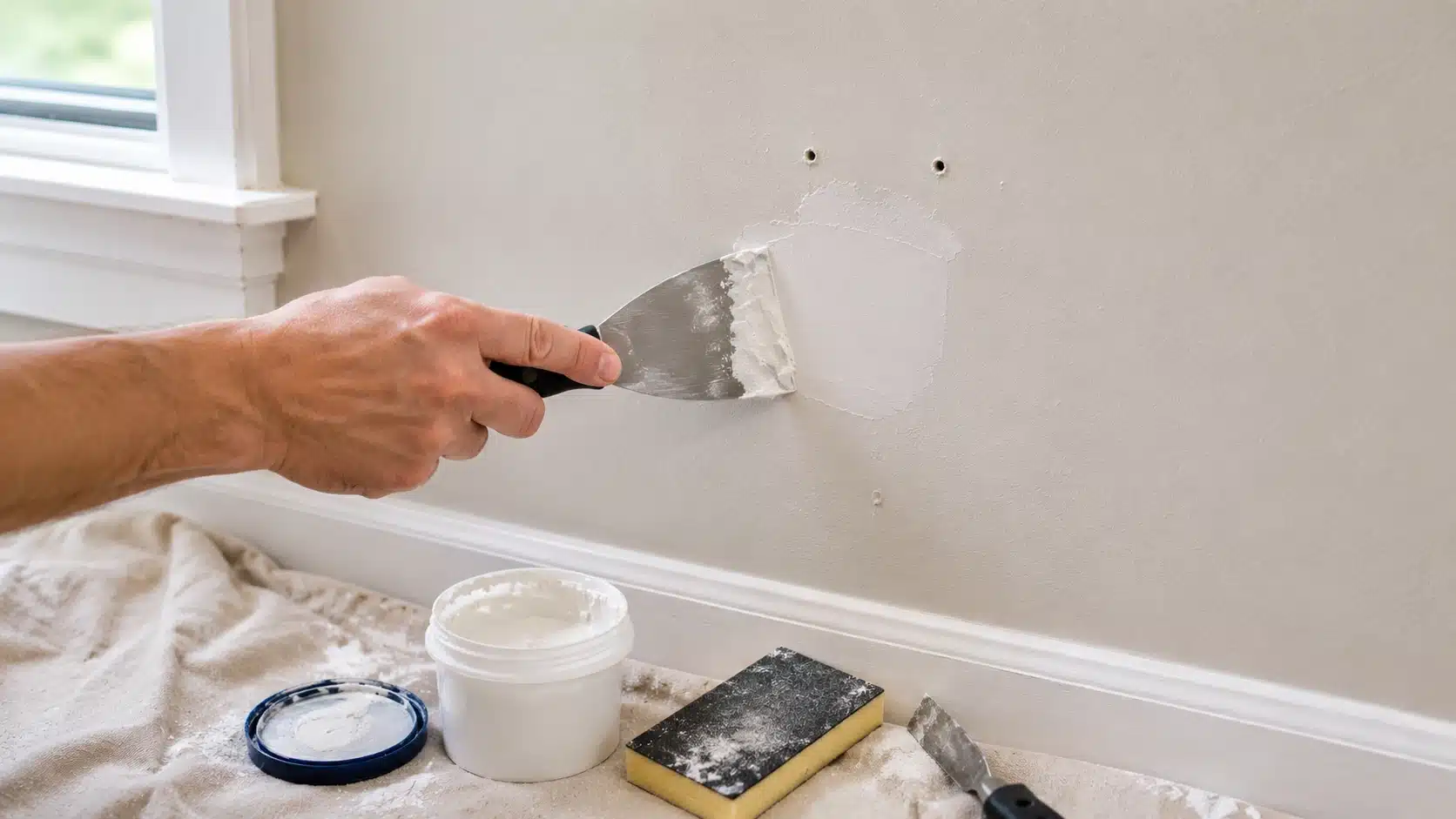
Fill nail holes, anchor marks, and small dents with spackle. Sand lightly, then add matching paint once the patch dries. This wall repair is useful before painting, moving furniture, or hanging new art. My tip is to keep leftover paint labeled by room in my kit for fast fixes later.
Estimated Cost: $5-$25| Skill Level: Beginner| Best Fit: Indoor
3. Refresh Sink or Tub Caulk
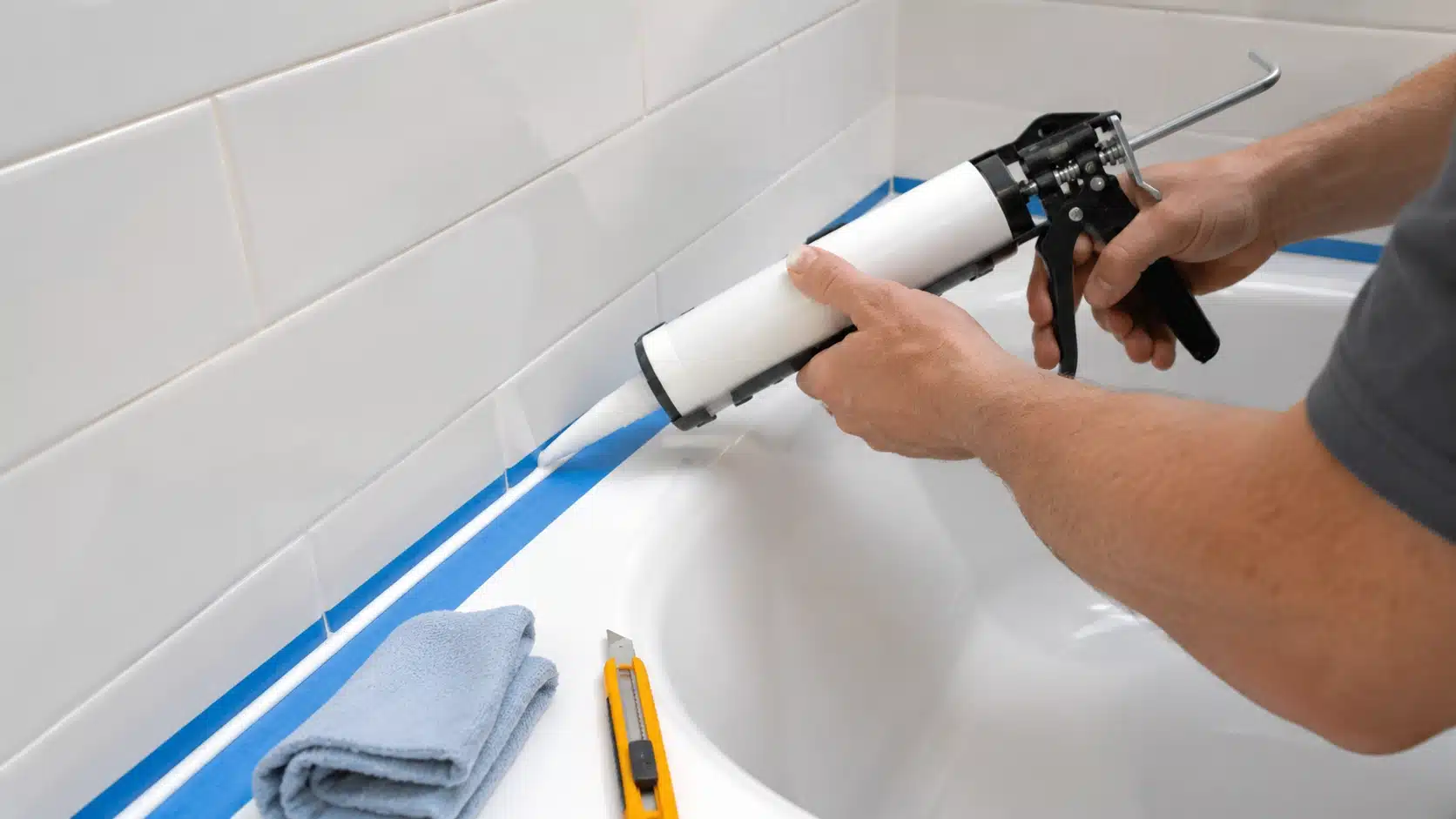
Cut out old caulk, clean the seam, let it dry, then apply a fresh line. This bathroom repair helps seal gaps around sinks and tubs. If water is leaking behind the wall or beneath the fixture, pause the work and fix the leak before adding caulk to ensure a lasting seal.
Estimated Cost: $10-$30| Skill Level: Beginner| Best Fit: Indoor
4. Change Cabinet Knobs or Pulls
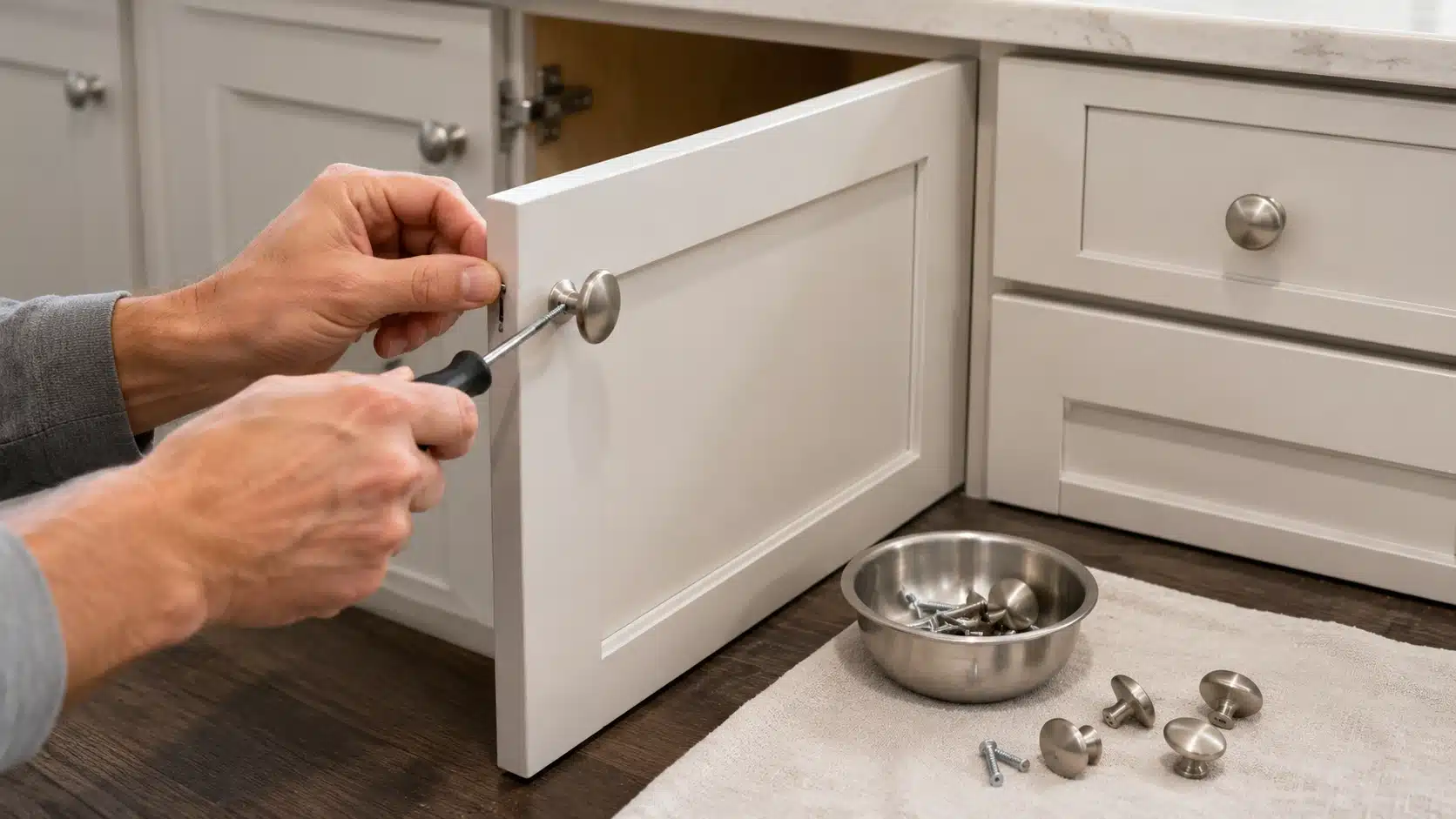
Swap dated knobs or pulls on cabinets, vanities, dressers, or built-ins. Measure hole spacing before buying new hardware.
This budget update can make a kitchen or bath feel cleaner fast. Keep old screws and handles in a labeled bag, especially if the home is rented for a later swap back.
Estimated Cost: $15-$75| Skill Level: Beginner| Best Fit: Indoor
5. Add Door and Entry Hooks
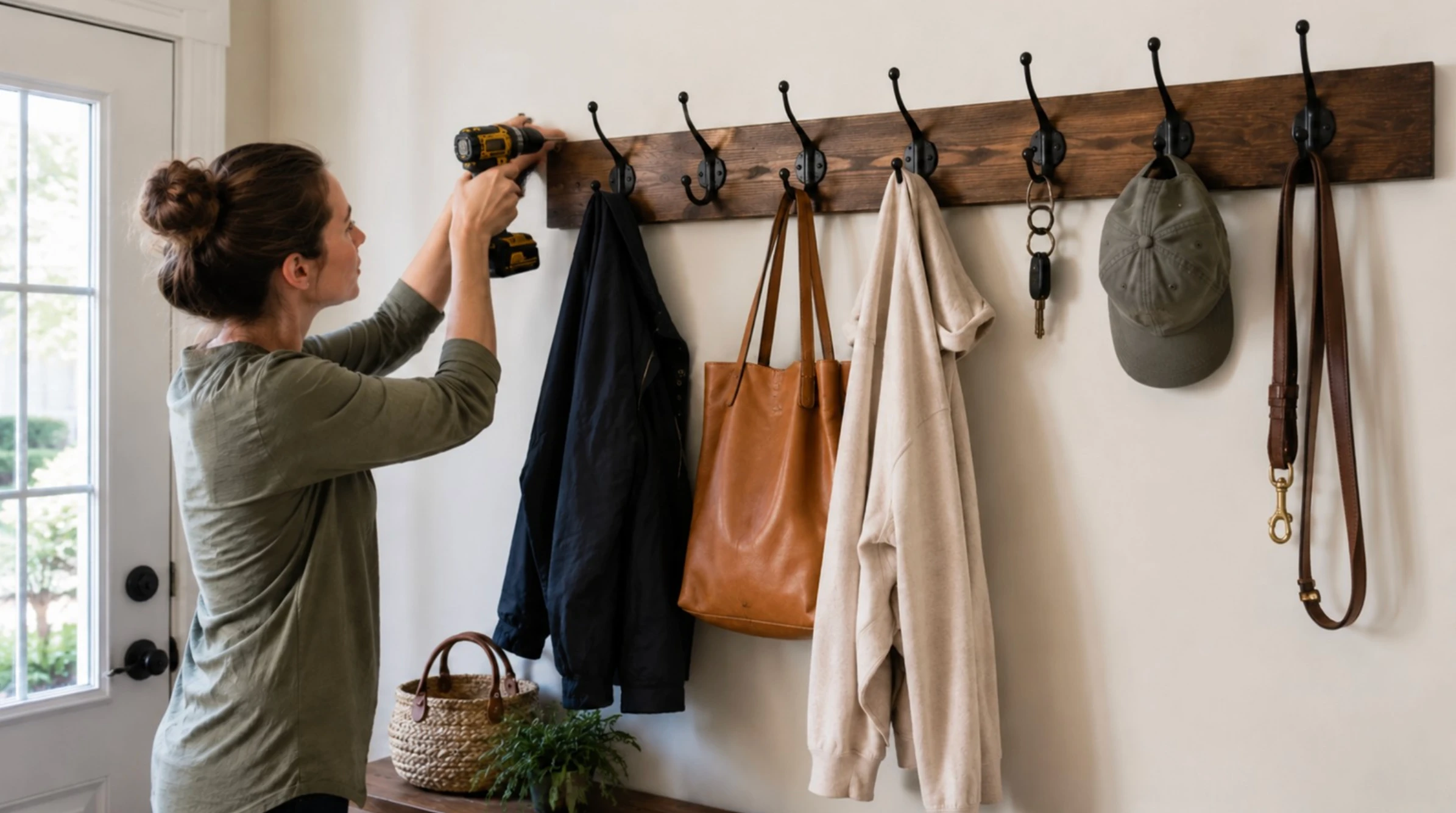
Install hooks where bags, coats, towels, keys, hats, or leashes usually land. This entry storage fix works best when it matches real habits.
Use wall anchors when studs are not available. Mount a lower row for kids so cleanup becomes easier for the whole family at home every day, too.
Estimated Cost: $10-$40| Skill Level: Beginner| Best Fit: Indoor
6. Add Drawer Dividers
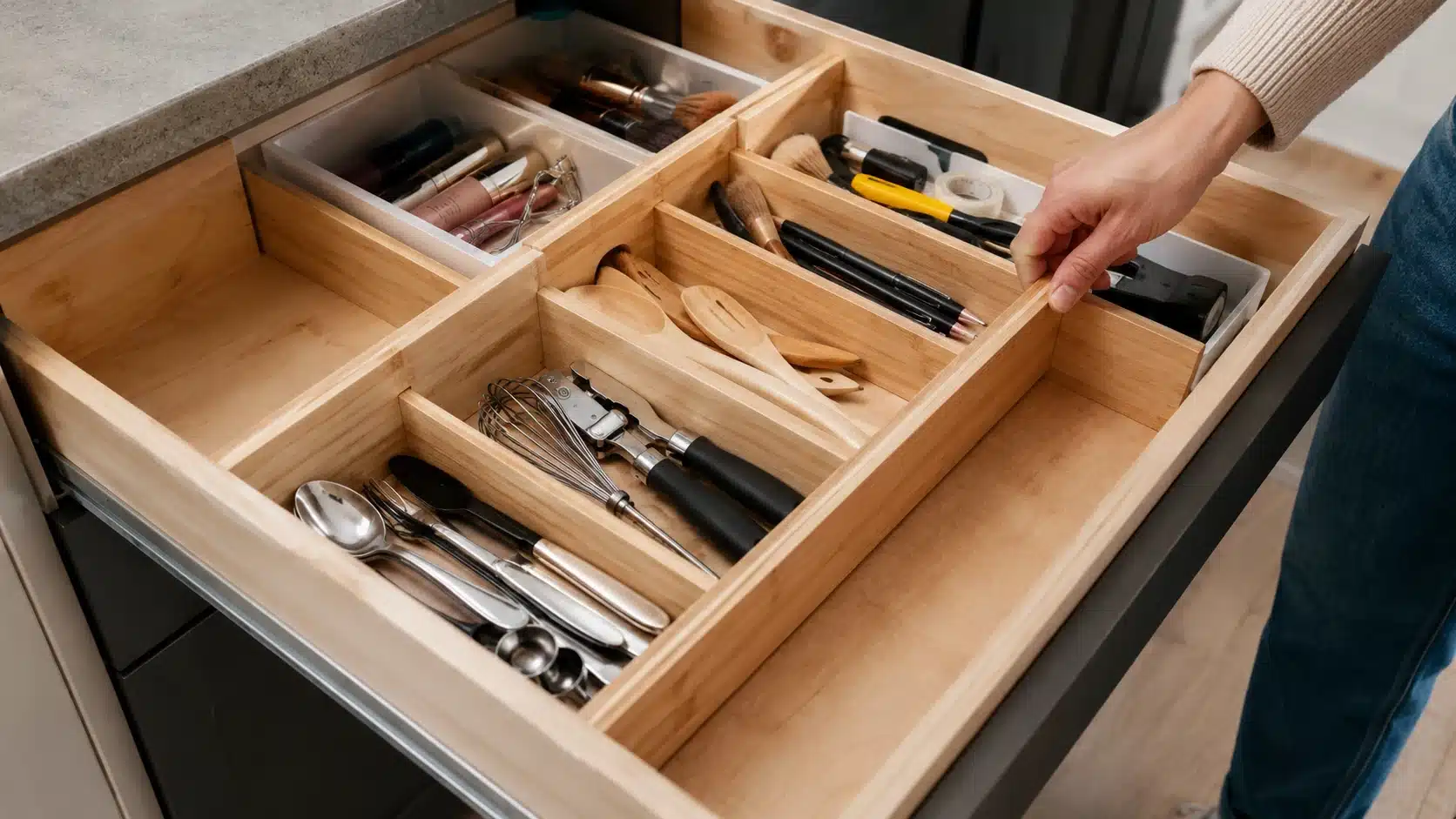
Use dividers for utensils, makeup, tools, office supplies, or junk drawers. Measure width, length, and depth before buying. This drawer organization idea works when each section has one job.
My rule is simple: if the item has no clear slot, it soon becomes clutter again inside the drawer.
Estimated Cost: $15-$60| Skill Level: Beginner| Best Fit: Indoor
7. Replace a Shower Head
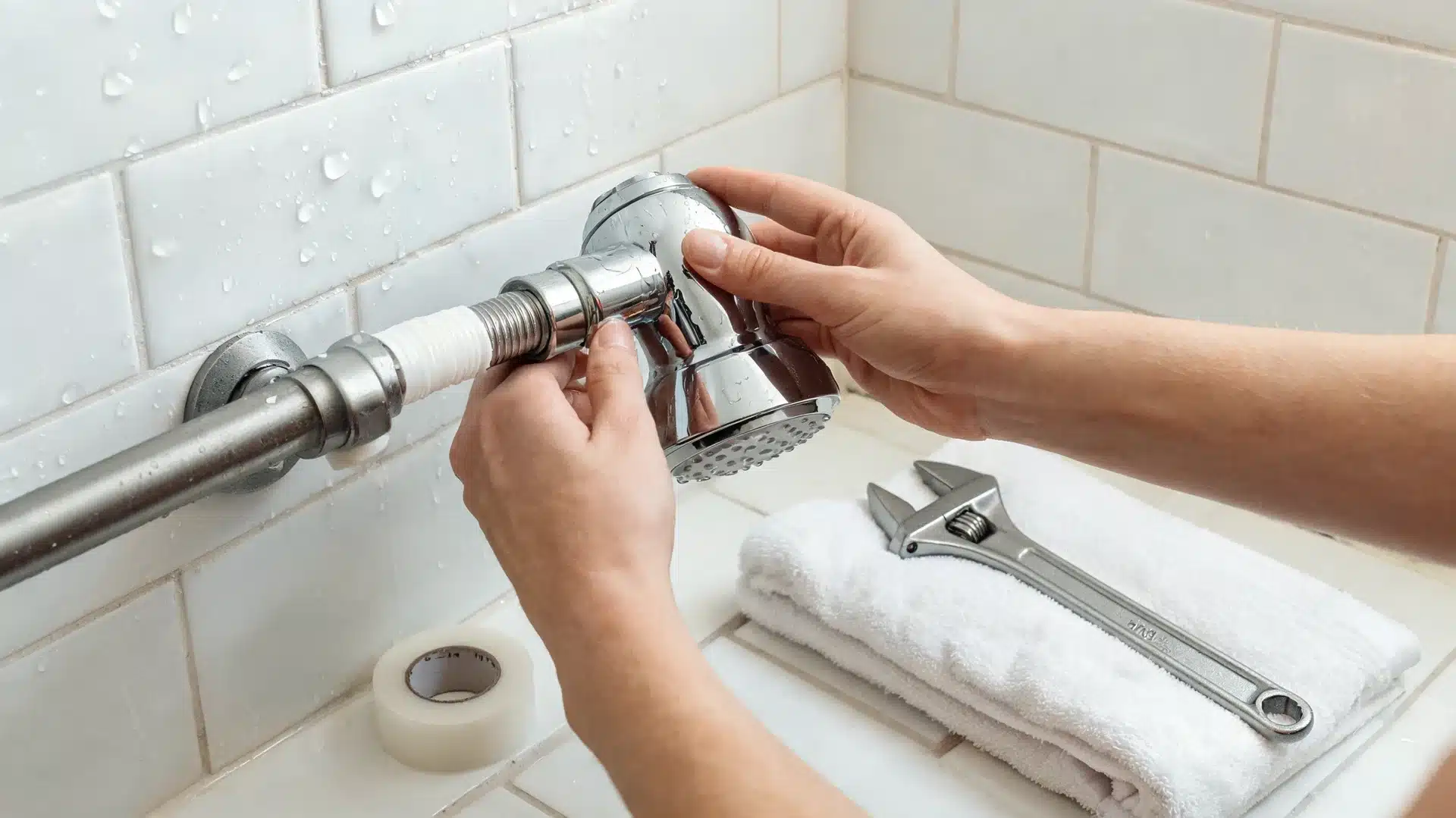
Choose a fixed, rain, or handheld model based on how the shower gets used. Wrap threads with plumber’s tape, hand-tighten, then test for drips.
This bathroom upgrade can quickly improve comfort. Avoid forcing the connection because overtightening can crack parts or cause small leaks after the first full shower test.
Estimated Cost: $25-$100| Skill Level: Beginner| Best Fit: Indoor
8. Add Battery Under-Cabinet Lights
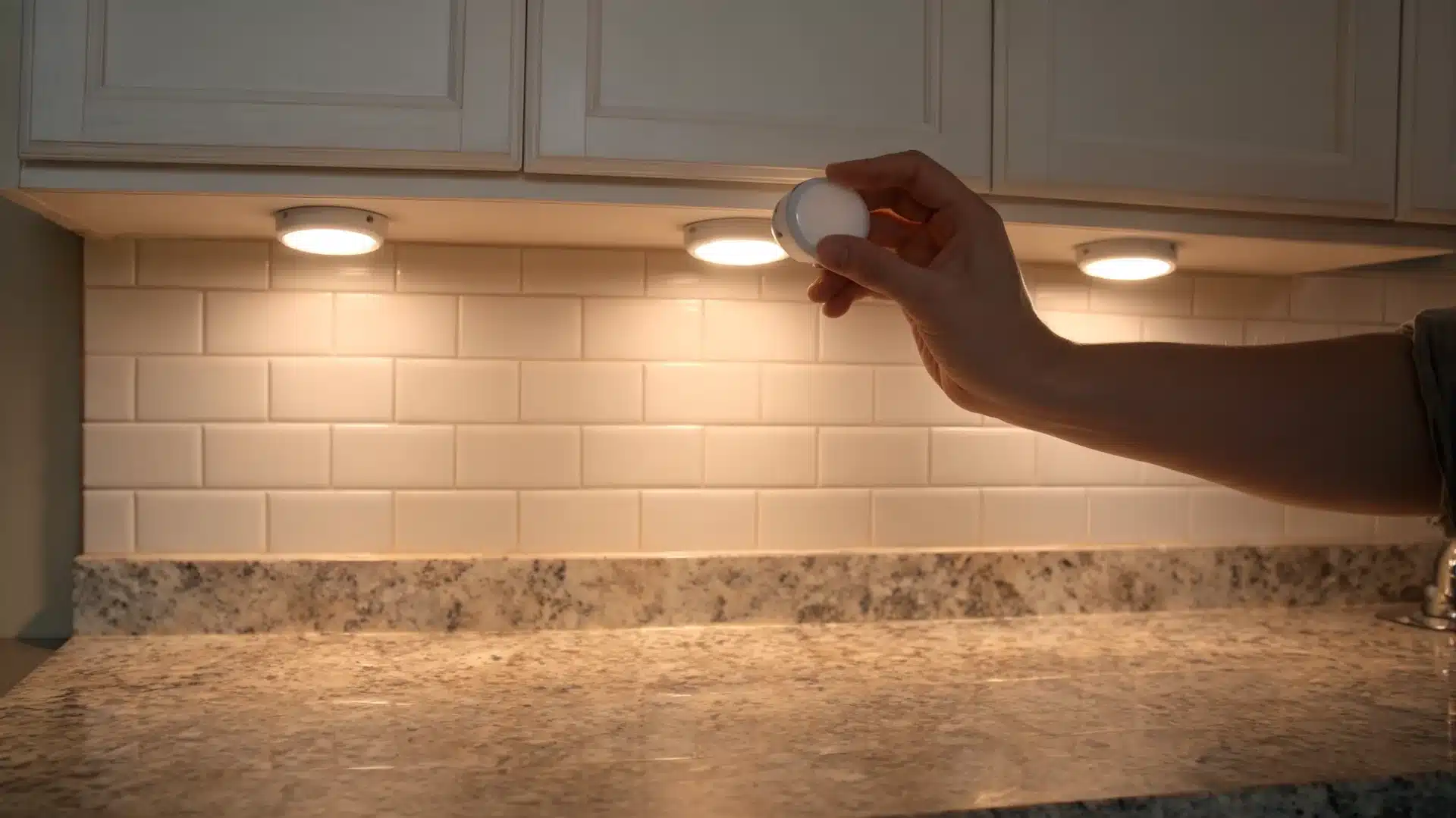
Stick rechargeable strips or puck lights under kitchen cabinets, inside closets, or near pantry shelves. Place them near the front edge so light falls on the work surface. This lighting update requires no hardwiring and helps make dark corners feel safer and easier to use at night, without calling an electrician.
Estimated Cost: $25-$80| Skill Level: Beginner| Best Fit: Indoor
Room Style Fixes With a Clear Payoff
Best for visible change, these interior room updates work well when the space functions fine but looks flat, dated, or unfinished. Use them after the small repairs are done.
9. Paint One Accent Wall
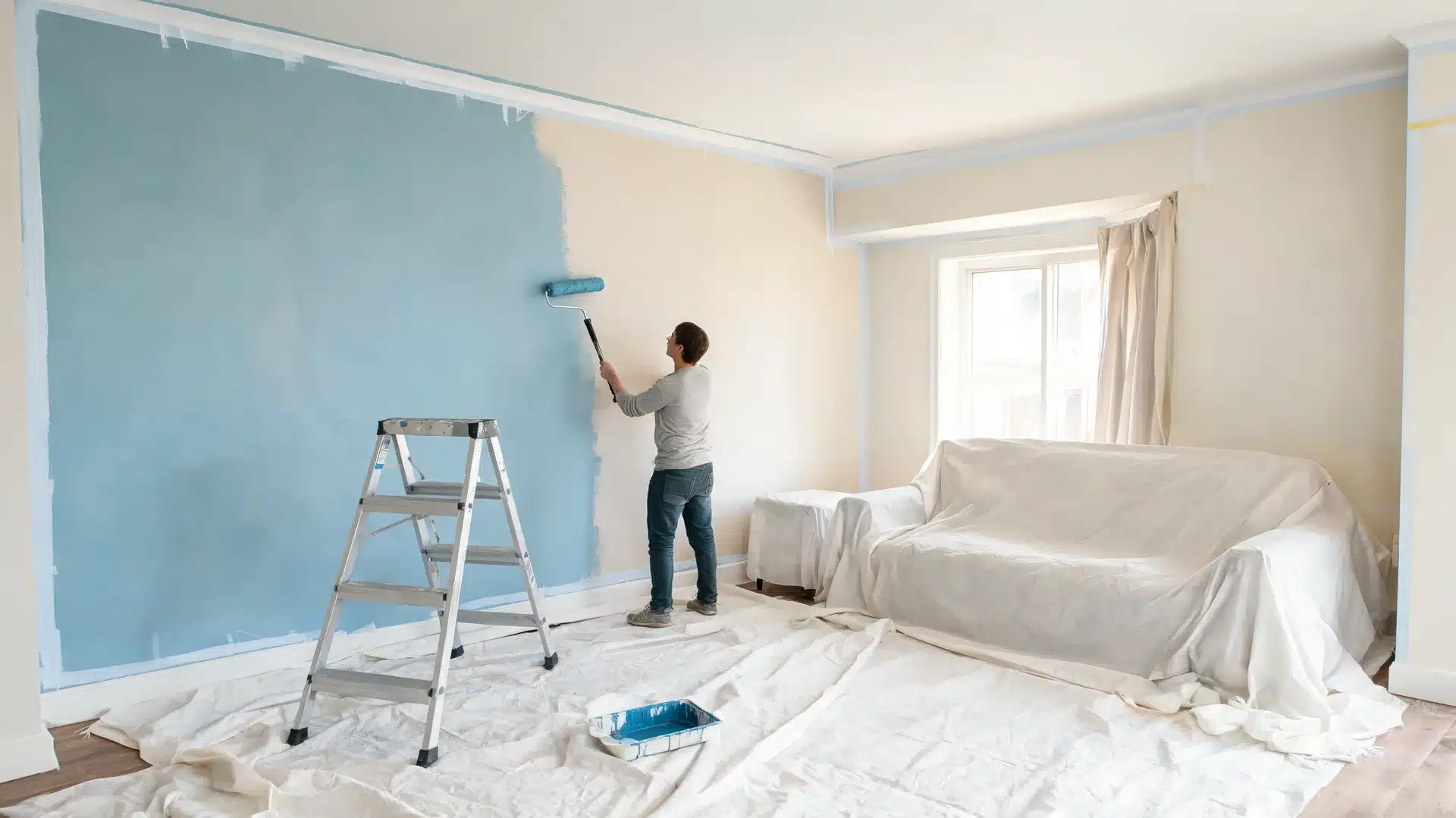
Choose the wall behind a bed, sofa, desk, or dining table. Test paint in daylight and lamp light before buying a full gallon.
This paint project feels manageable because only one wall changes. Tape carefully, roll two coats, and let the color dry before moving furniture back into place.
Estimated Cost: $30-$100| Skill Level: Beginner| Best Fit: Indoor
10. Add Peel-and-Stick Wallpaper in a Small Spot
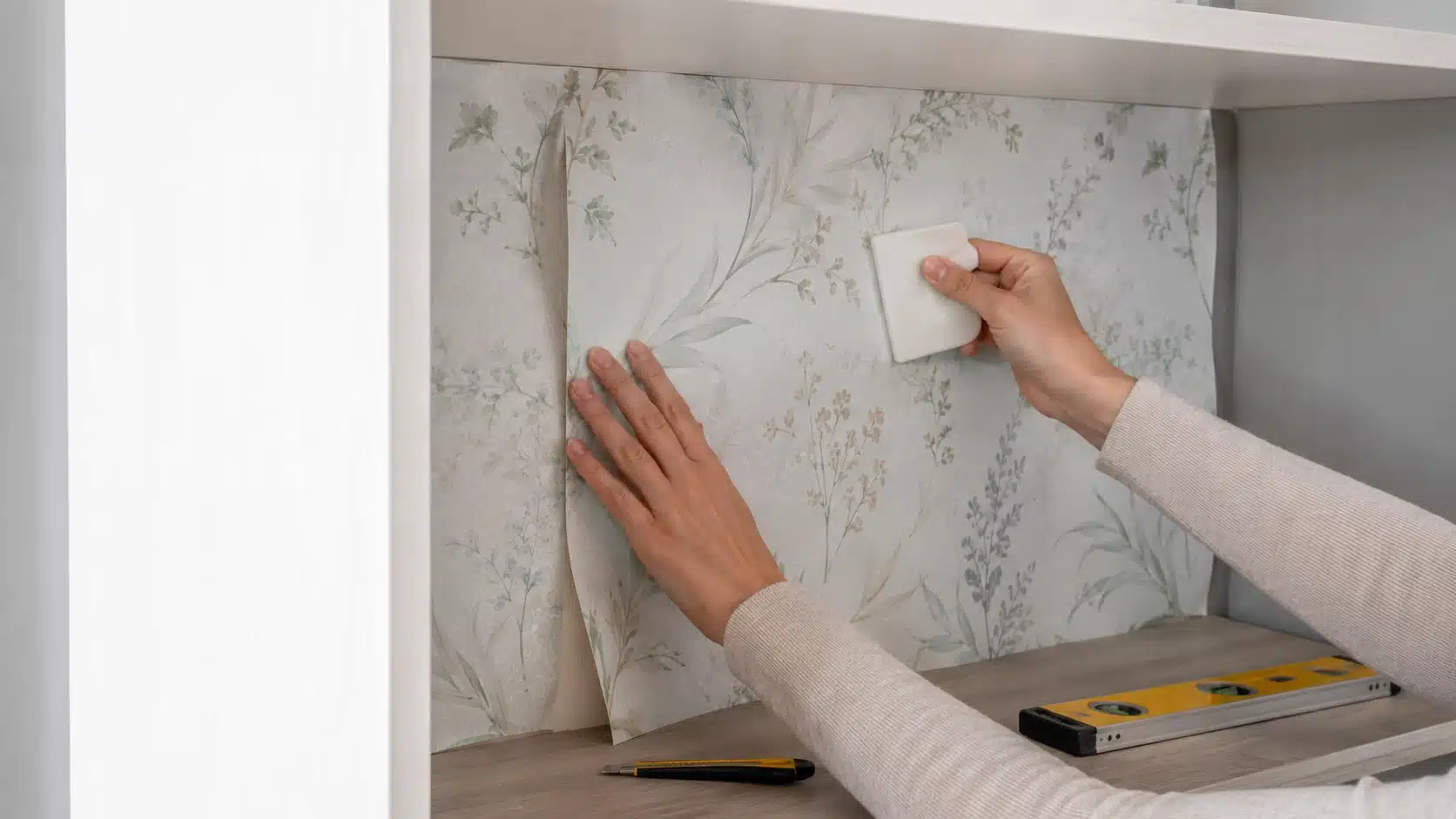
Use a closet wall, a shelf back, a powder room wall, or a laundry corner. Clean the surface, mark a level line, and smooth bubbles as you go.
This removable wallpaper idea works best in small areas where the pattern adds interest without taking over the whole room or making removal harder later on.
Estimated Cost: $40-$150| Skill Level: Beginner| Best Fit: Indoor
11. Upgrade a Bathroom Mirror
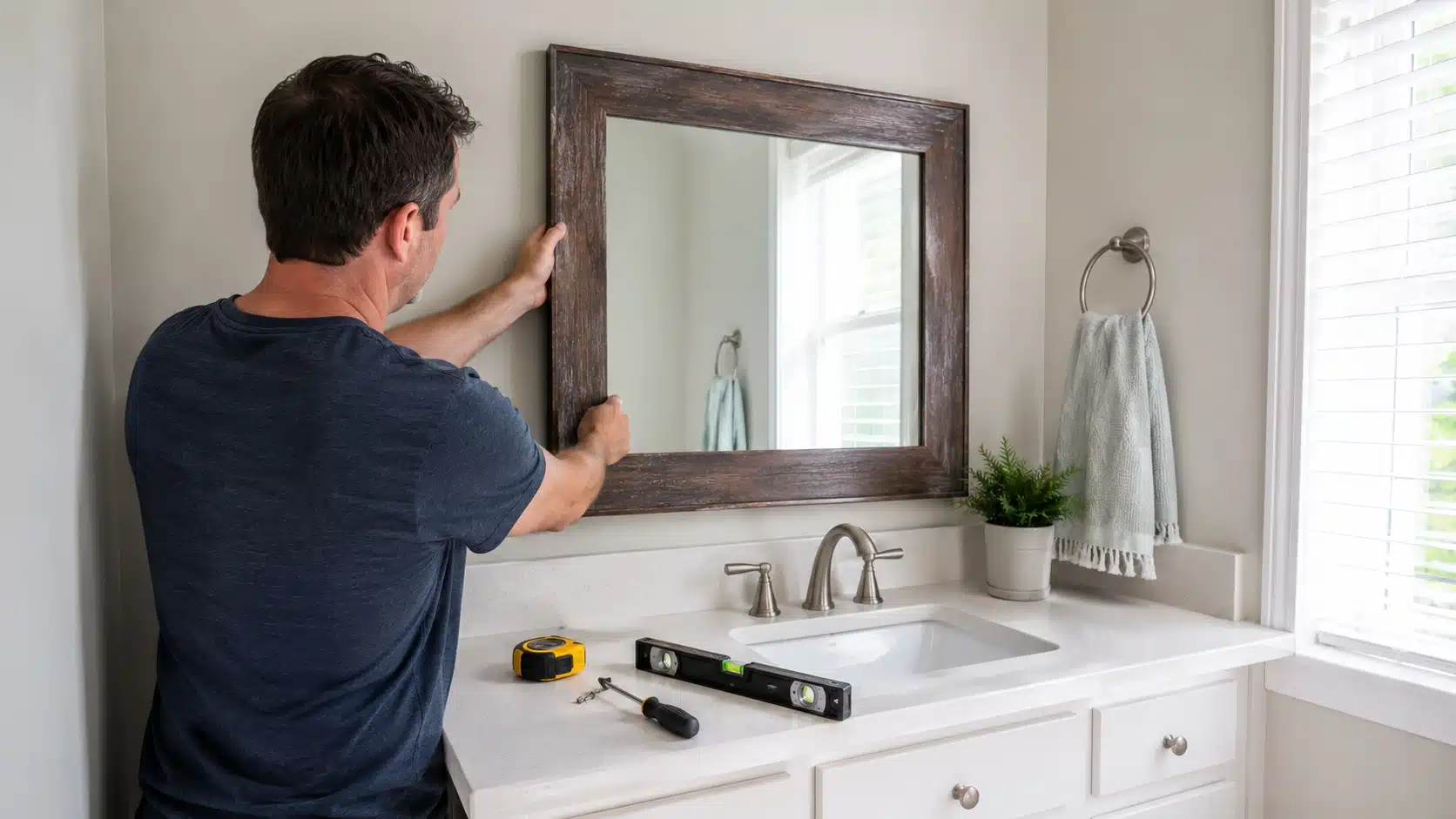
Swap a flat mirror for a framed one, add a frame kit, or build a simple wood frame around it. Measure width, height, faucet clearance, and light clearance first.
This bathroom update can make the room feel more finished without replacing tile, flooring, or the vanity, which keeps Estimated Costs easier to control.
Estimated Cost: $50-$200| Skill Level: Beginner to Intermediate| Best Fit: Indoor
12. Paint a Bathroom Vanity
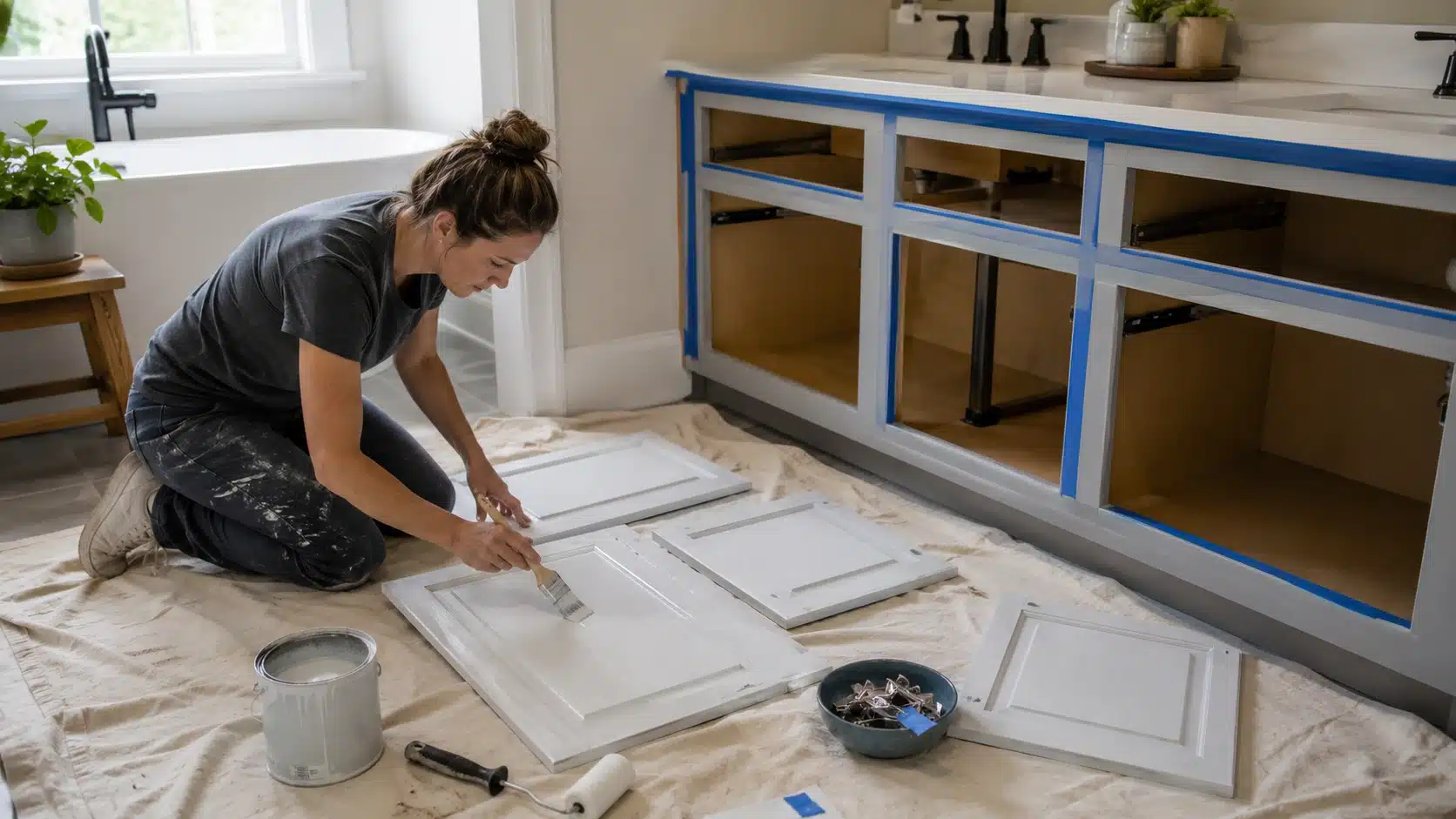
Remove doors, clean grease, sand lightly, prime, and use cabinet paint. Let the finish cure before heavy use. This vanity makeover is cheaper than replacement and works well with new hardware. My tip is to label hinges and doors, so reassembly stays simple when the final coat is fully dry.
Estimated Cost: $75-$200| Skill Level: Intermediate| Best Fit: Indoor
13. Paint Interior Floor Tile
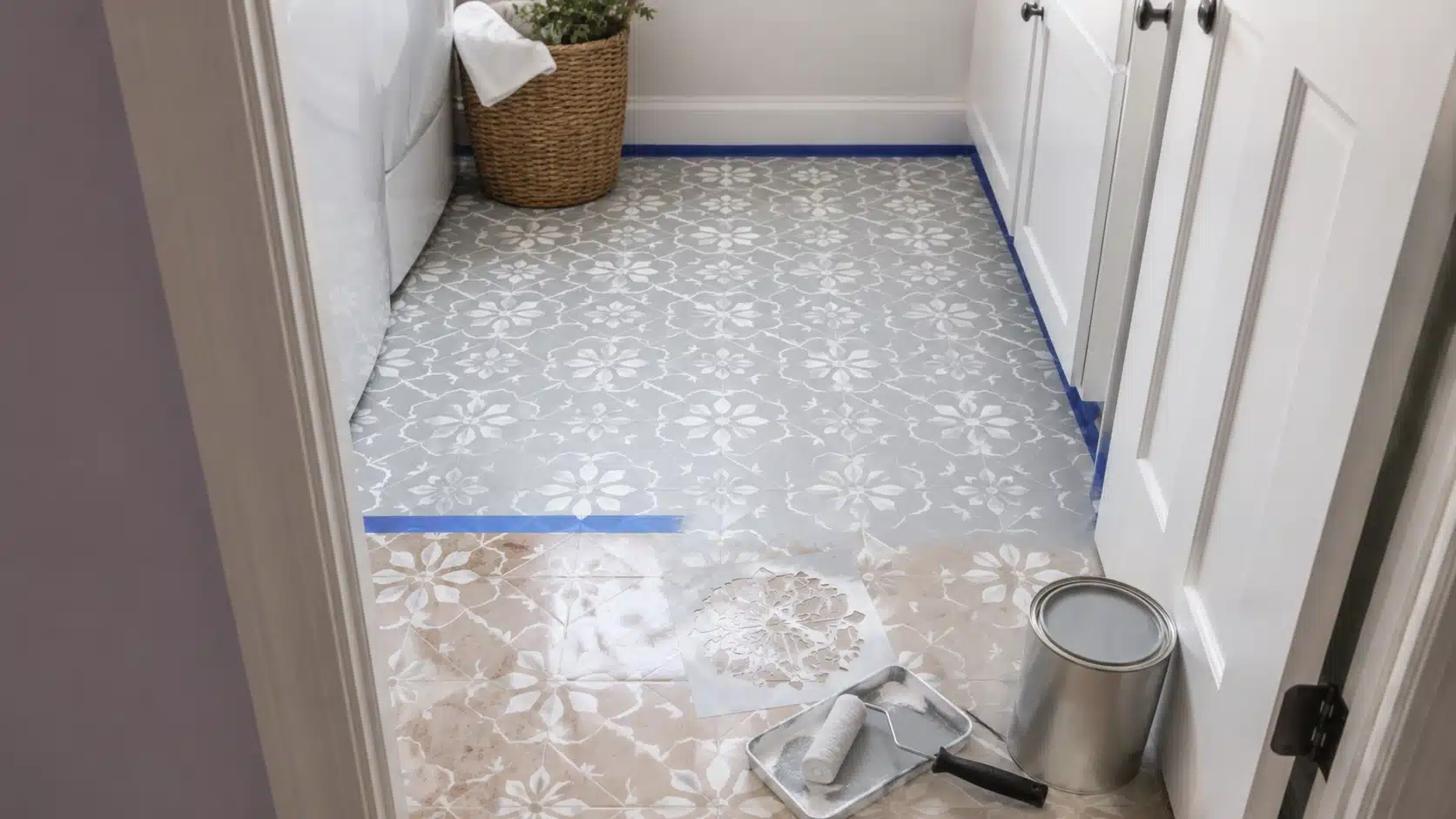
Use this in powder rooms, laundry rooms, or low-moisture areas. Clean well, scuff the tile, prime, paint, add a stencil if desired, then seal. This floor paint project needs patience. Avoid shower floors and wet zones, as standing water can break down the finish, even after all coats have fully dried.
Estimated Cost: $100-$250| Skill Level: Intermediate| Best Fit: Indoor
14. Add Wall Frame Molding
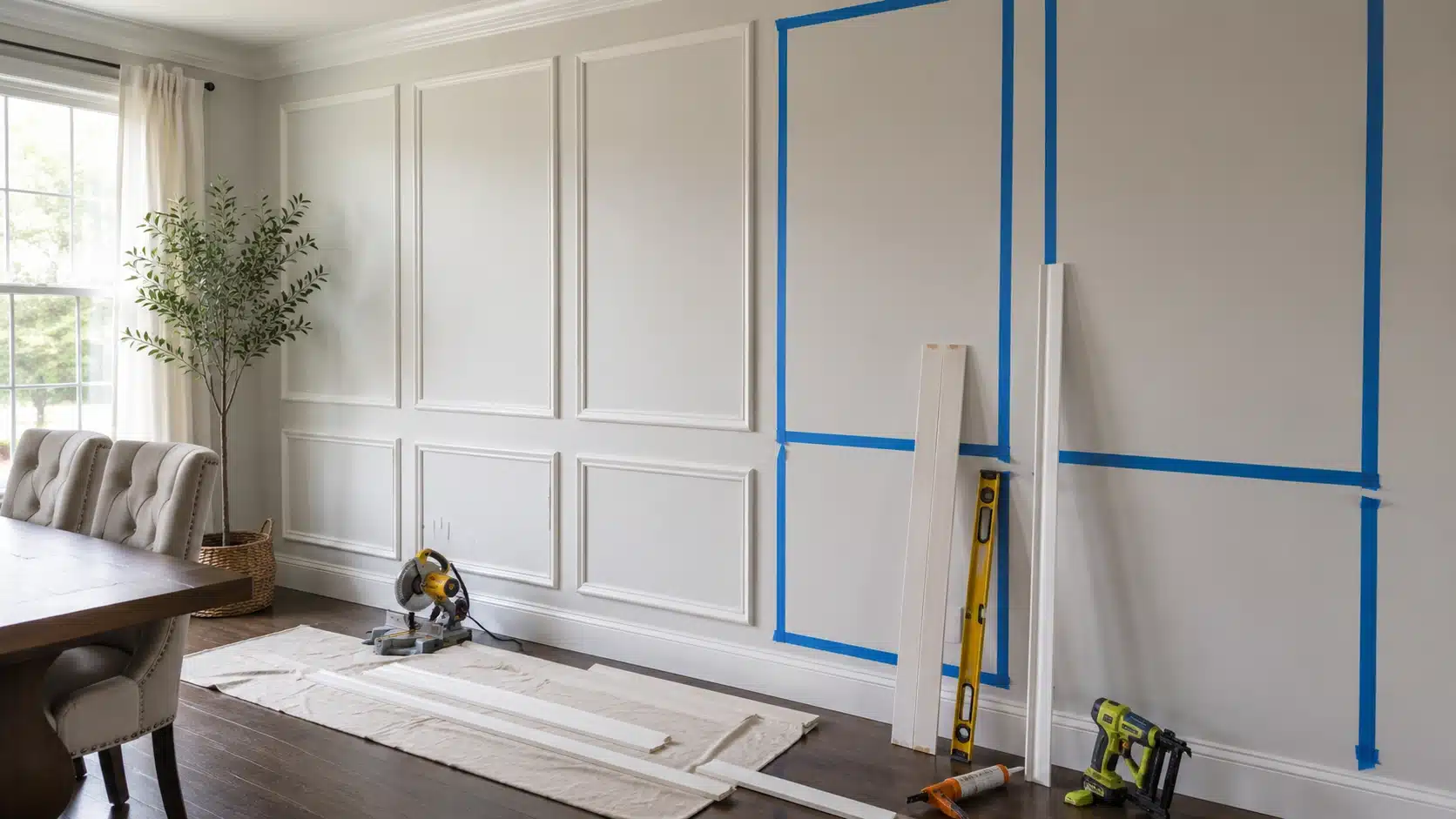
Plan the layout with painter’s tape before cutting the trim. Keep spacing even, attach molding, fill nail holes, caulk seams, and paint.
This trim project suits dining rooms, bedrooms, and halls. Measure twice before each cut, since small errors show up fast in repeated boxes across each wall section, and later overall.
Estimated Cost: $100-$300| Skill Level: Intermediate| Best Fit: Indoor
15. Install Floating Shelves
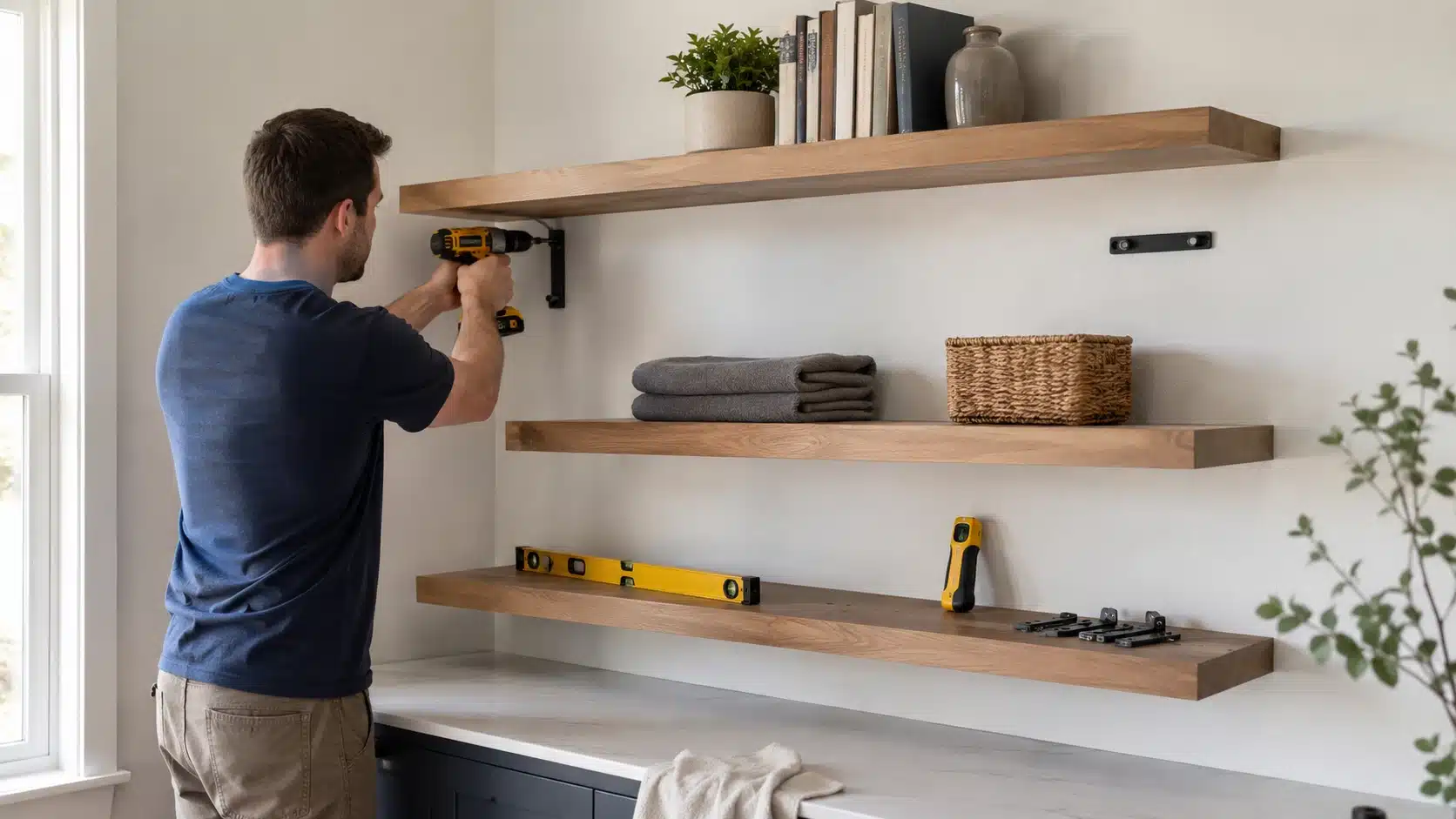
Mark studs, check weight limits, and choose shelf depth before drilling. Floating shelves work for dishes, towels, books, office items, or plants. This wall storage idea looks best when heavy items sit low and daily items stay easy to reach without crowding the shelf for a cleaner daily setup overall.
Estimated Cost: $75-$250| Skill Level: Intermediate| Best Fit: Indoor
16. Create a Gallery Wall With Paper Templates
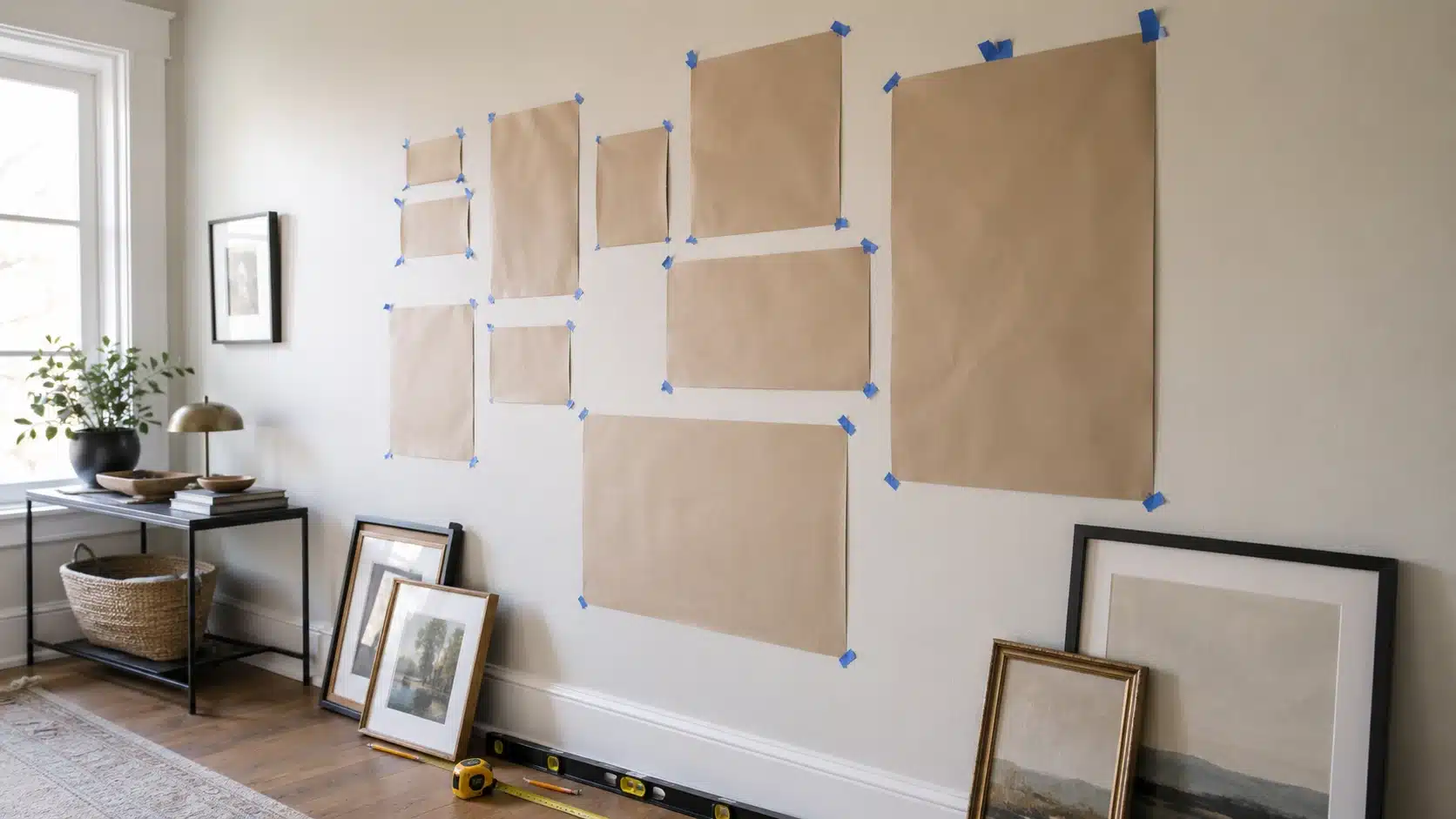
Trace the frames on paper, tape the layout to the wall, then adjust the spacing before drilling holes. Keep one center line or edge consistent. This wall art layout method saves time and reduces the number of extra nail marks. Mix frame sizes, but keep colors consistent for a cohesive look from across the room at home.
Estimated Cost: $75-$250| Skill Level: Intermediate| Best Fit: Indoor
17. Make a Fabric Headboard
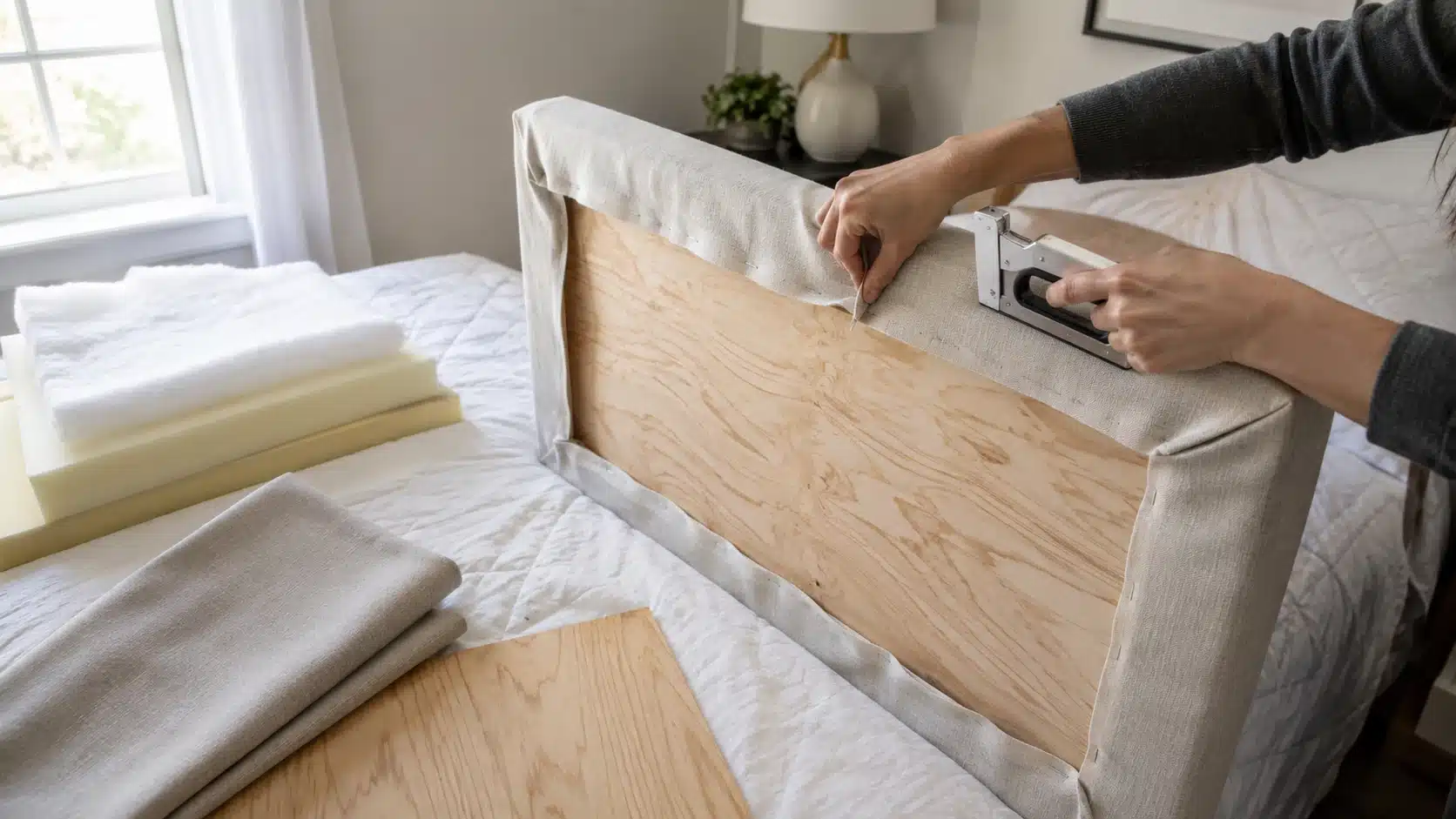
Cut plywood to size, add foam, wrap batting, then staple fabric tightly on the back. Mount it to the bed frame or wall. This bedroom project adds softness behind the bed. Use washable fabric if kids, pets, or guests will lean against it often at the end of the day.
If you want to know more about different builds before committing to fabric, there are several upholstered and wood headboard styles worth comparing first.
Estimated Cost: $100-$300| Skill Level: Intermediate| Best Fit: Indoor
18. Add Peel-and-Stick Backsplash
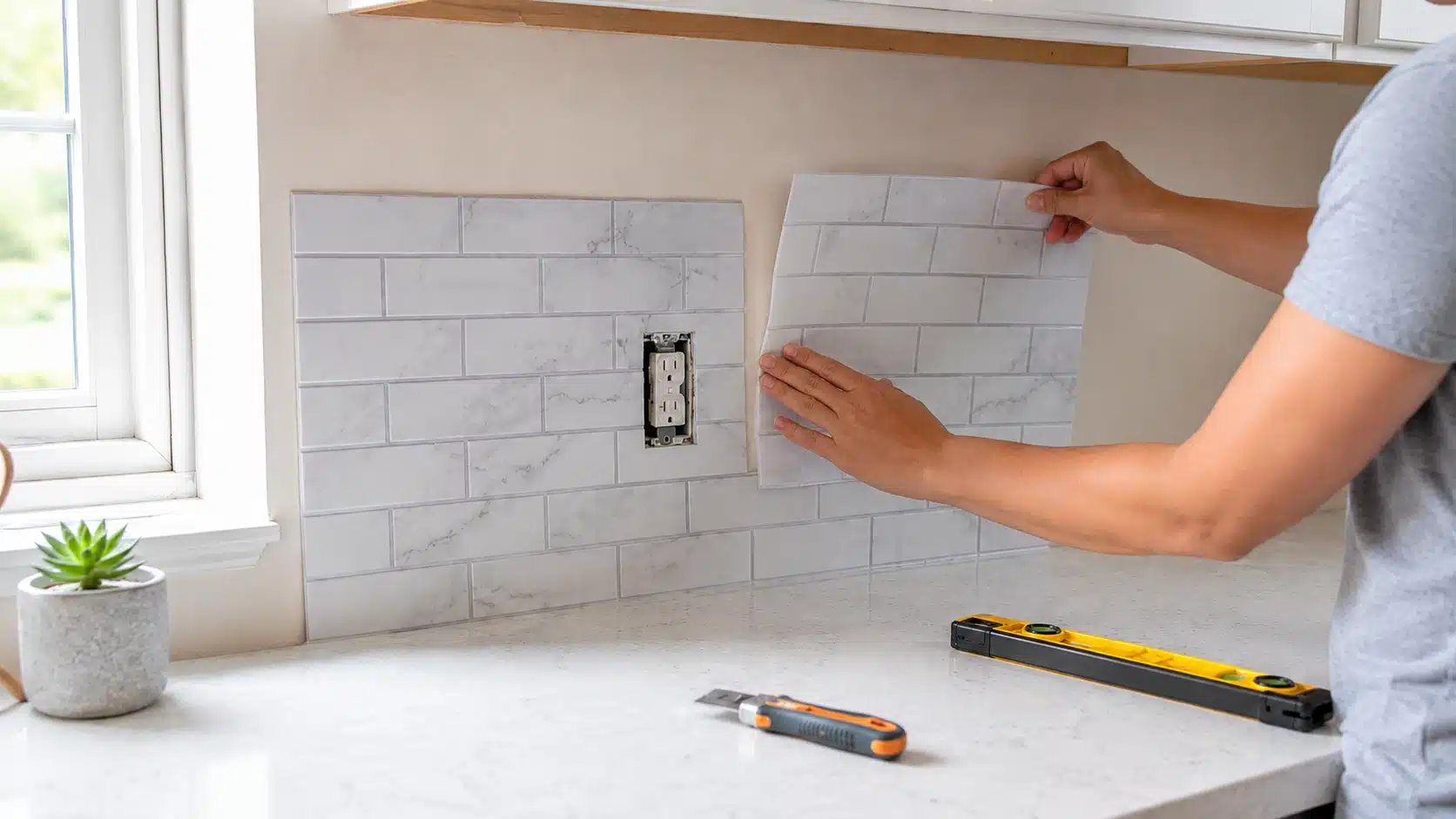
Clean the wall, plan the first row, and cut carefully around outlets. Use a heat-safe product near a stove and seal edges near water.
This kitchen backsplash project provides a cleaner cooking zone without grout, tile saws, or a long work schedule, and makes cleanup easier after dinner.
Estimated Cost: $75-$250| Skill Level: Intermediate| Best Fit: Indoor
19. Add a Wood Slat Feature Wall
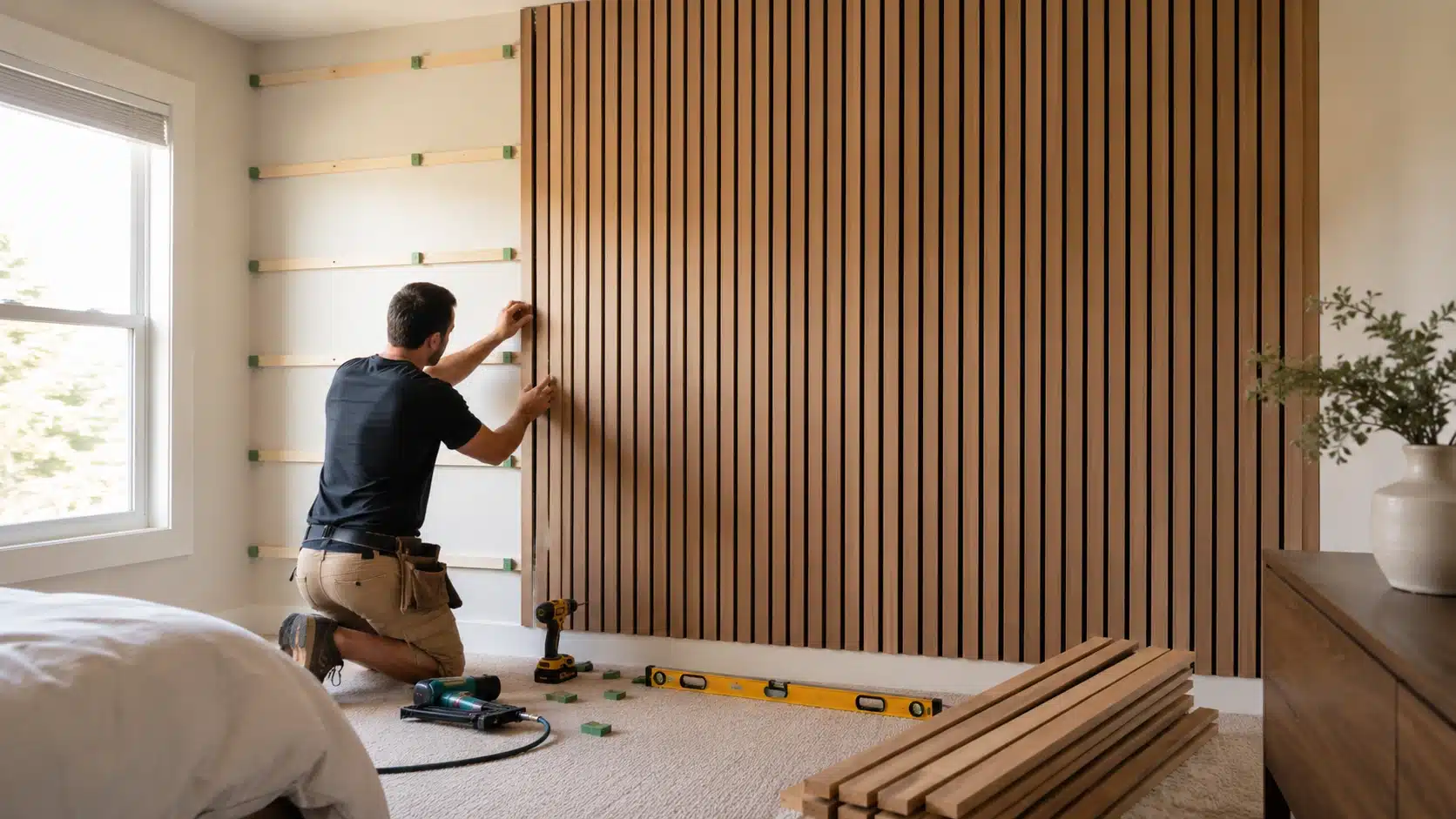
Mark studs, set even spacing, cut slats, and finish with paint or stain. Limit the work to one wall behind a bed, desk, or TV. This wood wall idea has a strong look, so careful spacing matters more than adding extra pieces. Sketch placement in my room notes first, then carefully.
Estimated Cost: $150-$500| Skill Level: Intermediate to Advanced| Best Fit: Indoor
20. Replace a Ceiling Fan or Light Fixture
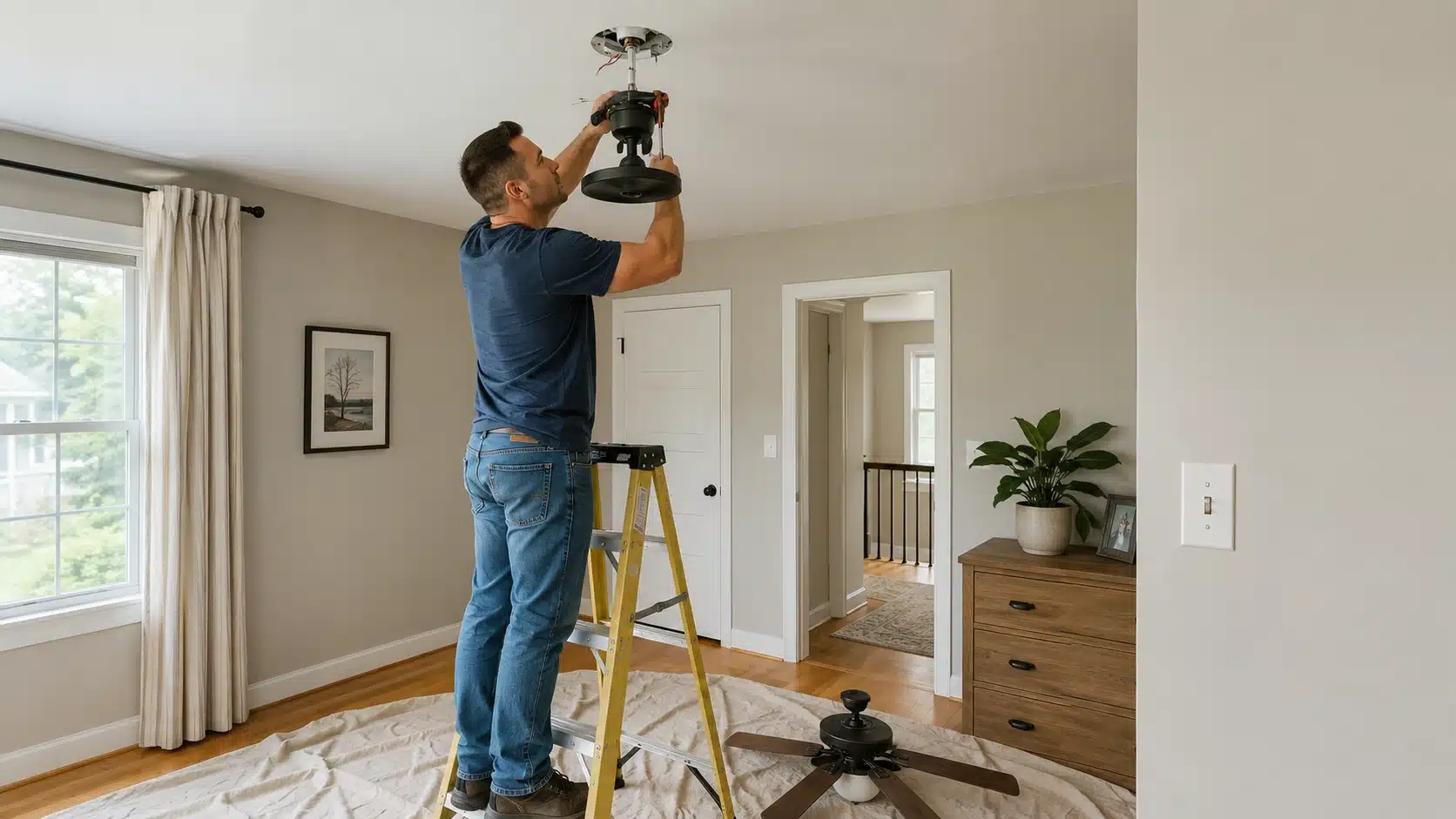
Pick the right size for the room and ceiling height, then turn off the power at the breaker. This fixture update can change both the light and the airflow in one step.
If the wiring looks old, crowded, or unclear, hire a licensed electrician instead of guessing, even for a quick room change today.
For electrical work, review the NFPA electrical safety checklist, then hire a licensed pro when the work goes past a simple fixture swap. A good project should match your tools, budget, time, and comfort level before it starts.
Estimated Cost: $100-$400| Skill Level: Intermediate| Best Fit: Indoor
21. Add Shiplap to a Small Wall
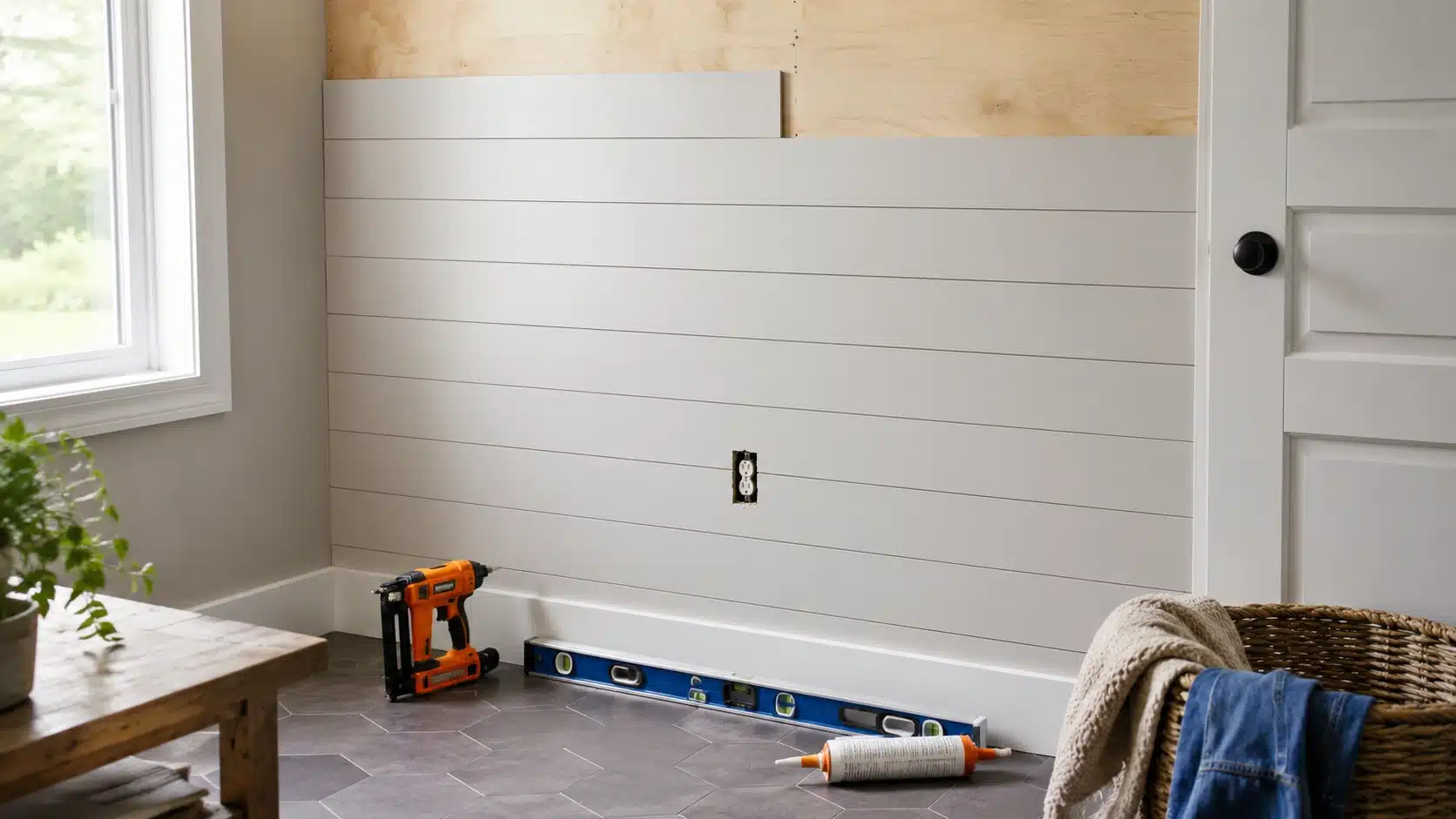
Use a powder room, mudroom, or bed wall for a contained job. Mark studs, keep rows level, fill seams, caulk edges, and paint.
This wall paneling project works best when you plan outlet cuts before the first board goes up, so the cuts stay clean and the final wall sits flat. A shiplap half wall is also worth considering if a full wall feels like too much for a first attempt.
Estimated Cost: $150-$500| Skill Level: Intermediate to Advanced| Best Fit: Indoor
Storage and Function Fixes for Busy Spaces
Best for daily order: these storage ideas suit rooms where clutter keeps coming back. My favorite ones give every item a clear place, then make that place easy to reach.
22. Install a Closet System
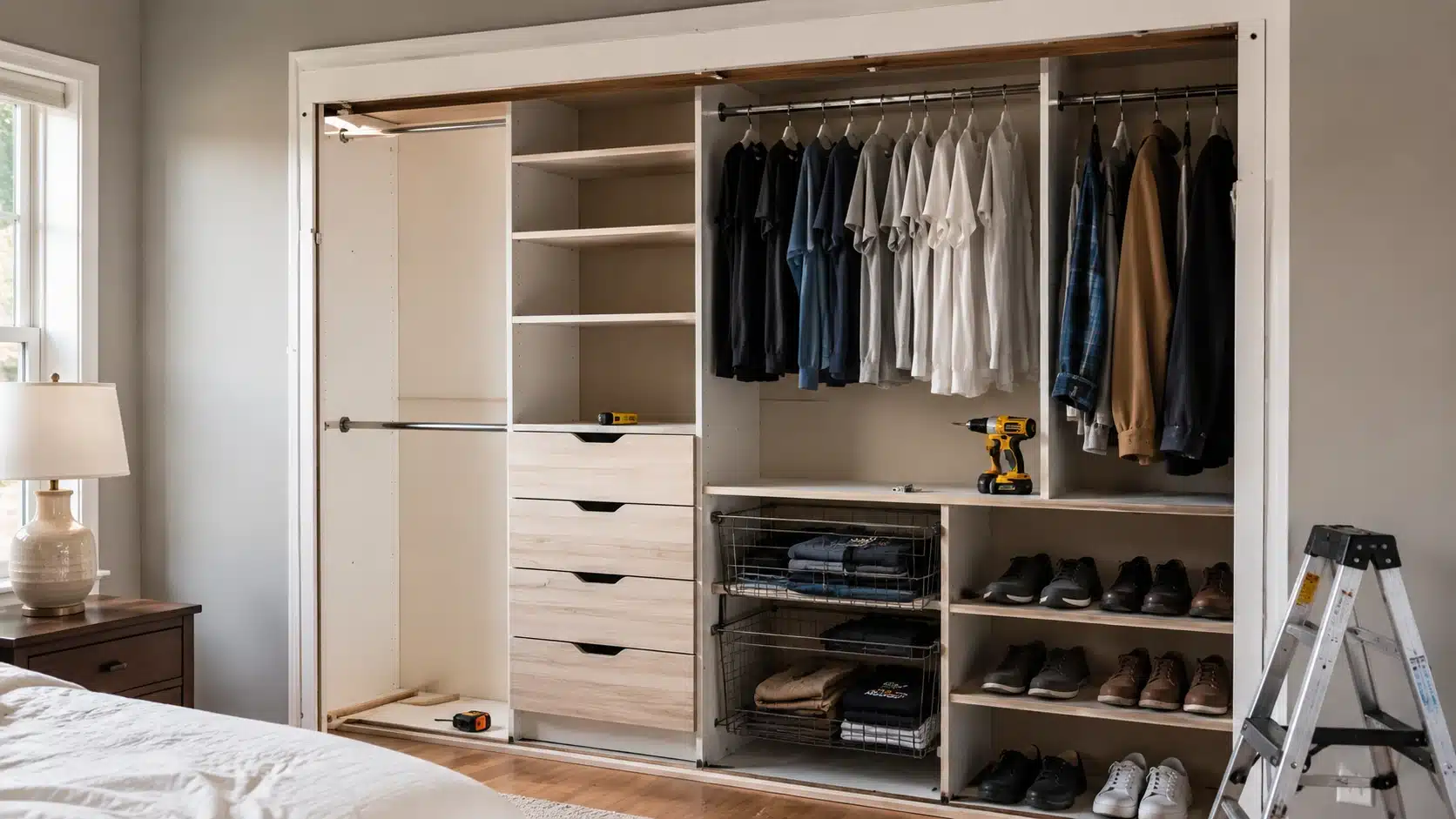
Measure the closet before buying shelves, rods, drawers, or bins. Sort by item type, then keep daily pieces at eye level.
This closet organization project works when the layout matches how you get dressed, not how the store displays looks. Check your own morning routine before you buy anything new.
Estimated Cost: $100-$400| Skill Level: Intermediate| Best Fit: Indoor
23. Add Pull-Out Trash and Recycling Bins
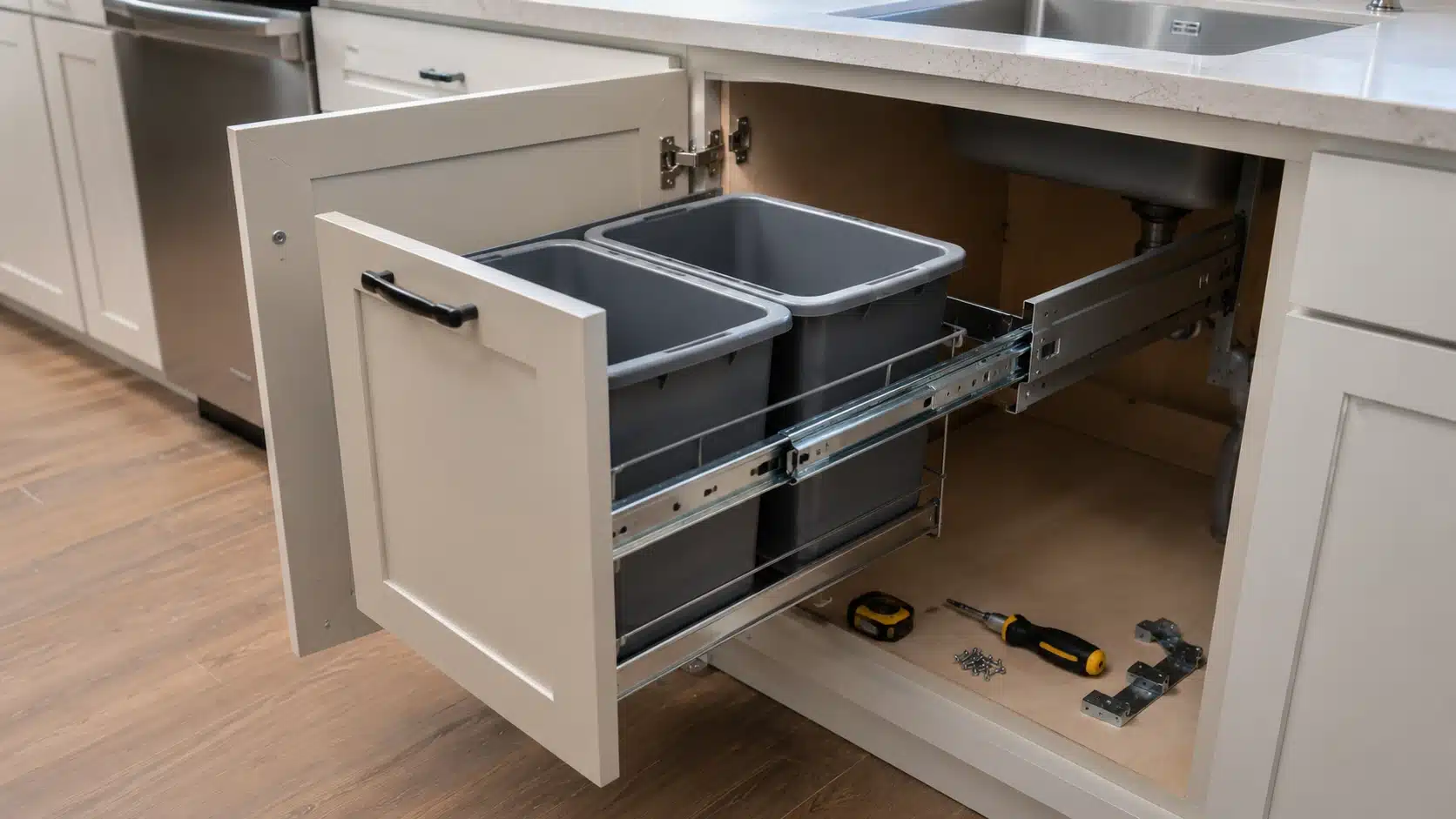
Measure cabinet width, depth, and height before buying a slide kit. A pull-out bin clears floor space and hides waste behind a door. This kitchen storage fix works best near the sink or prep area, where trash gets used most. Busy nights feel easier when the floor stays clean, are too.
Estimated Cost: $75-$250| Skill Level: Intermediate| Best Fit: Indoor
24. Set Up Pantry Zones
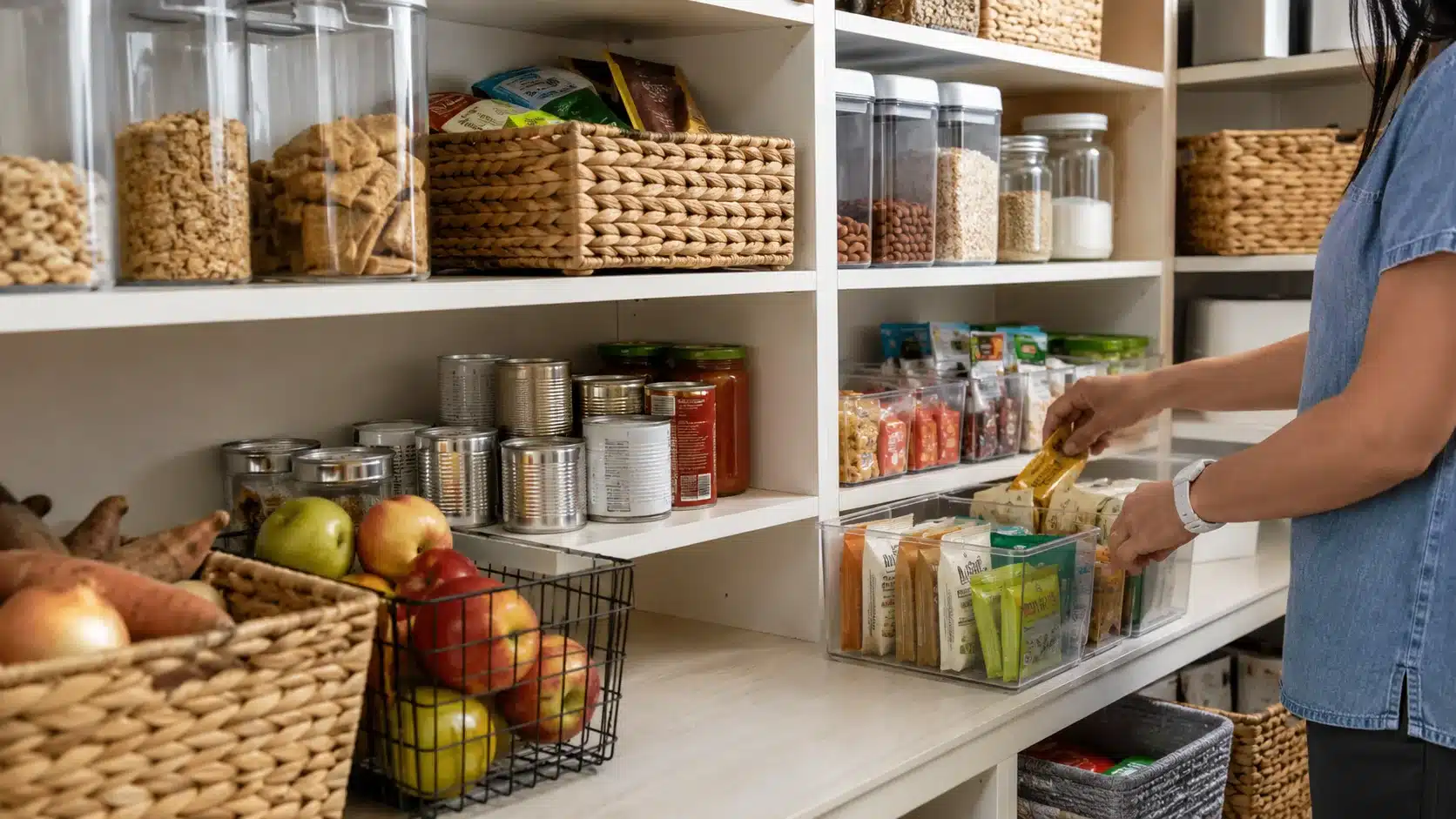
Group snacks, breakfast, baking, cans, grains, and backstock in clear zones. Use bins and labels only where they help.
This pantry organization plan should match how you cook and shop, so daily items stay easy to grab. Place heavy cans low and snacks where kids can reach safely without climbing.
Estimated Cost: $50-$250| Skill Level: Beginner| Best Fit: Indoor
25. Build a Laundry Folding Shelf
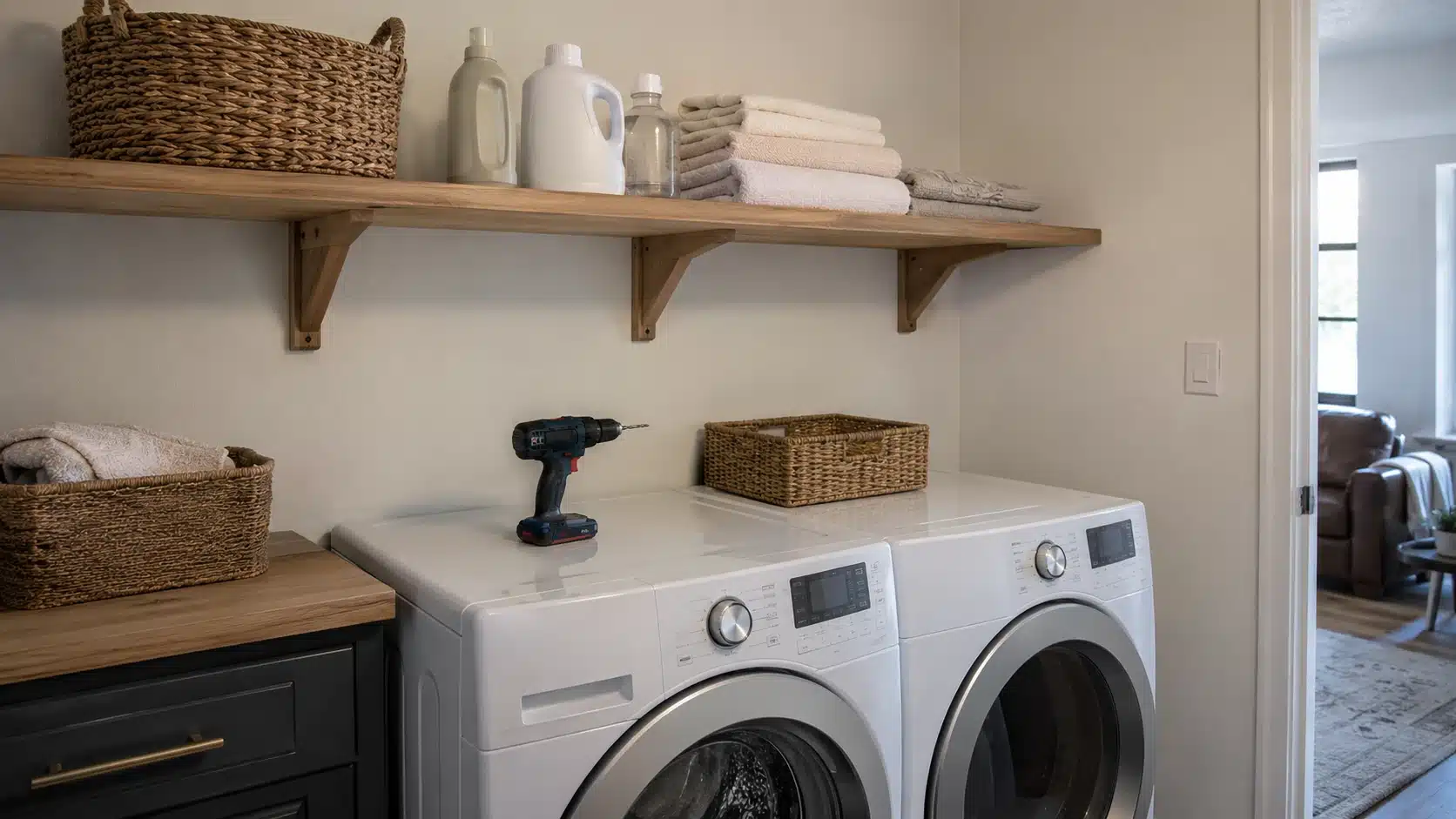
Add a wood shelf above front-load machines or along an open wall. Anchor brackets into studs and keep baskets nearby. This laundry room storage idea gives clean clothes a landing spot, helping prevent top piles from piling up on beds or chairs. Wash days feel calmer in my house each week.
Estimated Cost: $75-$250| Skill Level: Intermediate| Best Fit: Indoor
26. Add a Peg Rail in an Entry
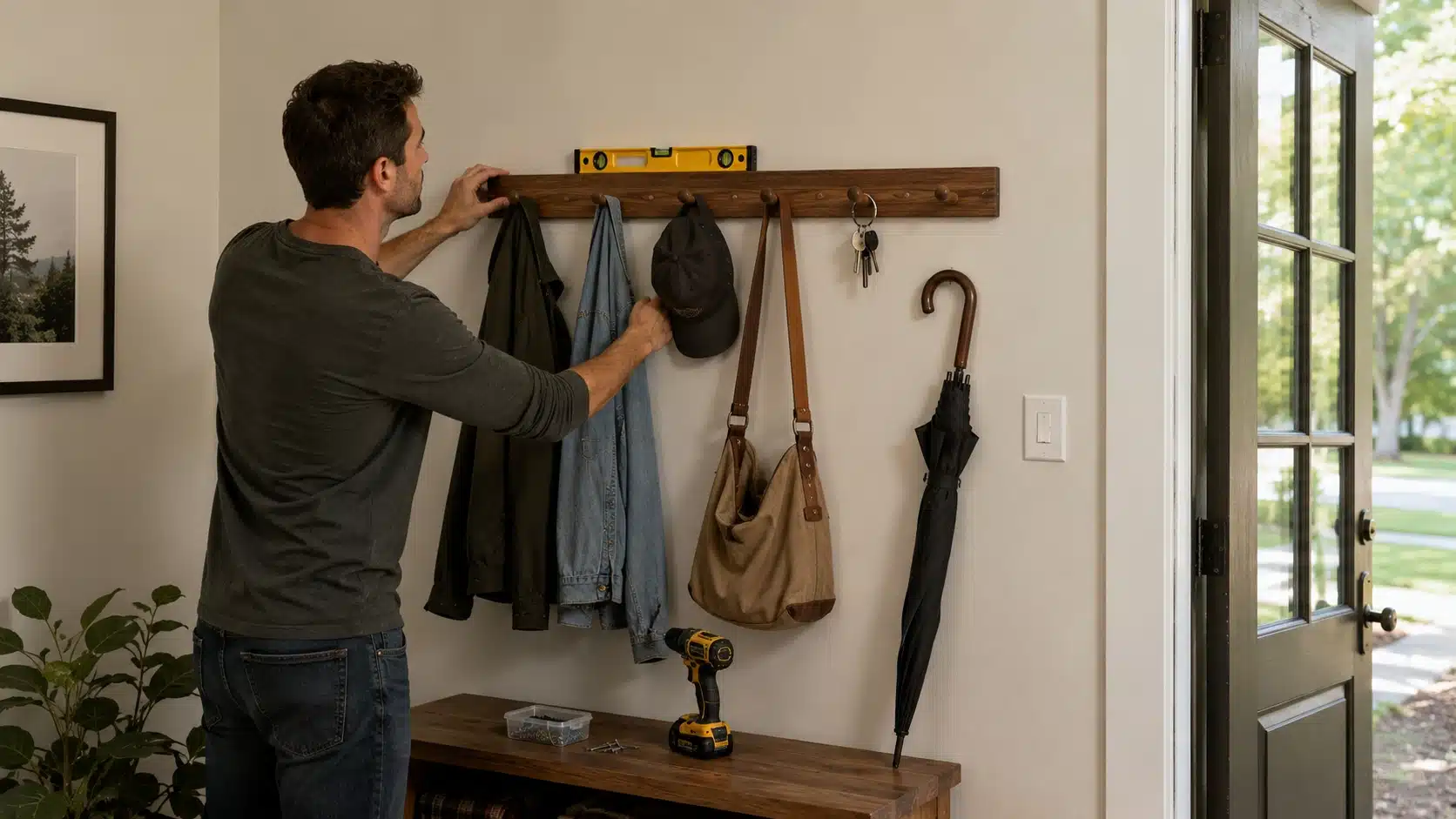
A peg rail handles bags, jackets, hats, umbrellas, and keys in one clean line. Mount it level and choose a finish that matches nearby trim.
This entryway storage fix feels more planned than random hooks and still stays easy to use. It helps during school mornings, workdays, and rainy afternoons.
Estimated Cost: $50-$200| Skill Level: Beginner to Intermediate| Best Fit: Indoor
27. Build a Mudroom Bench With Cubbies
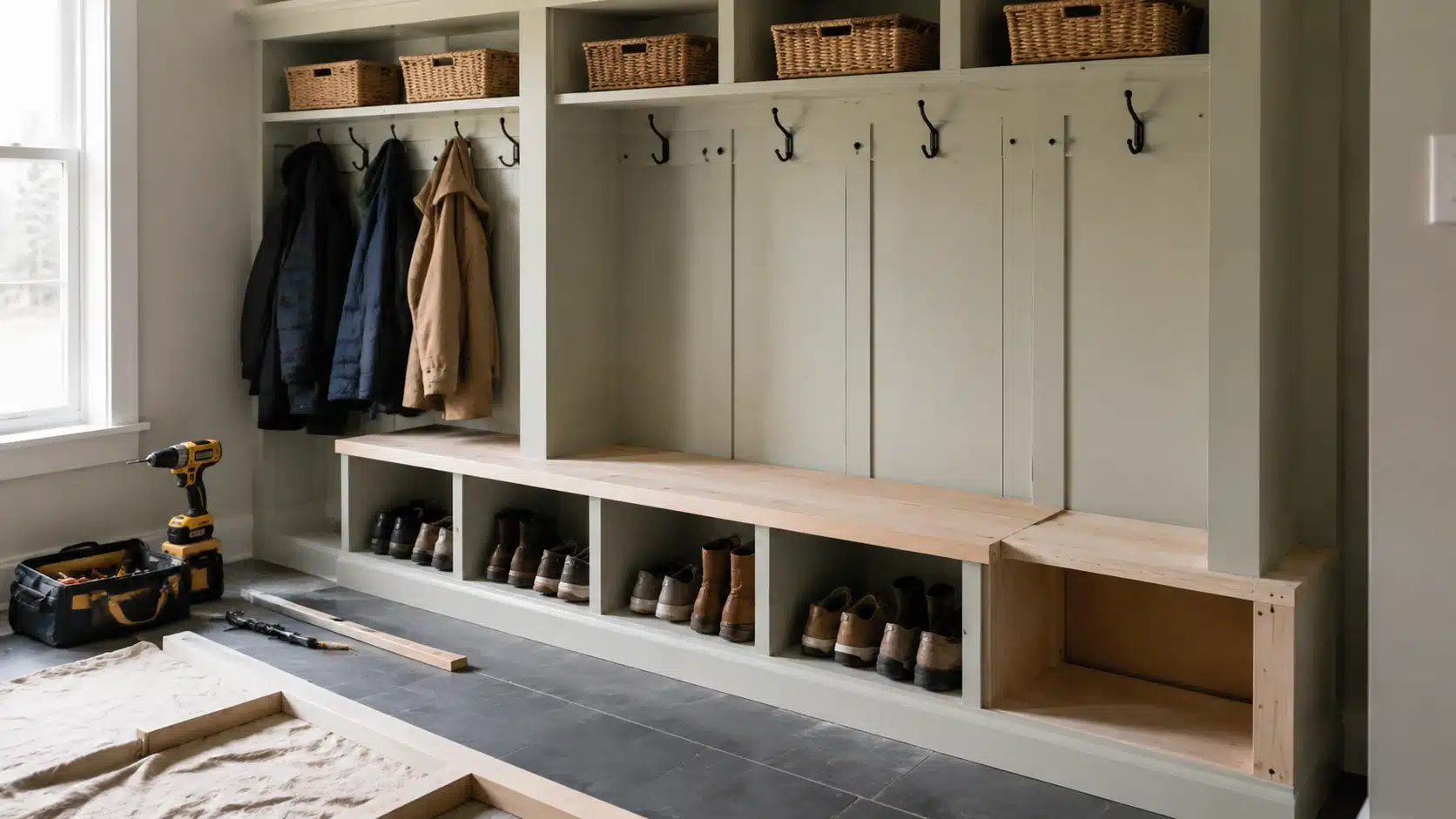
A mudroom bench works best in an entry where shoes, bags, coats, and sports gear already pile up. Plan the bench around those habits first, then decide how many cubbies, hooks, baskets, and shelves the space can actually hold.
Before cutting wood, measure the wall, baseboards, door swing, and walking path. The bench should give people a place to sit without blocking the entry.
I would use durable paint or a wipeable finish here, because this area takes more scuffs, dirt, and daily use than a decorative built-in.
Estimated Cost: $250–$800| Skill Level: Advanced| Best Fit: Indoor
28. Add a Garage Tool Wall
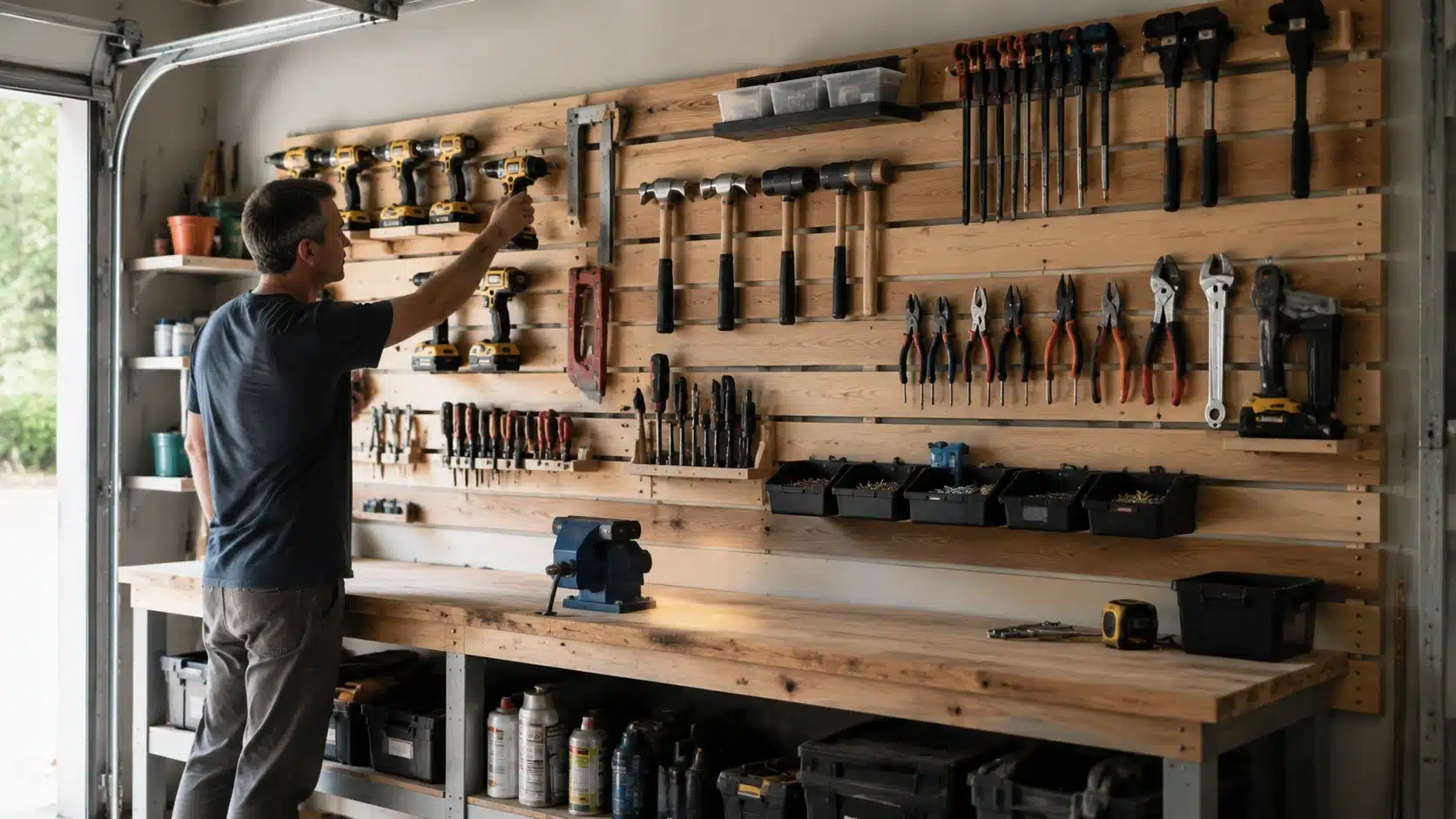
Use pegboard, French cleats, shelves, hooks, bins, and labels. Mount heavy items into studs and keep sharp tools high.
This garage organization project saves time because you can see tools at a glance instead of digging through boxes. Repairs can start faster when tools stay visible in my garage today.
Estimated Cost: $100-$500| Skill Level: Intermediate| Best Fit: Both
29. Build a Window Seat With Storage
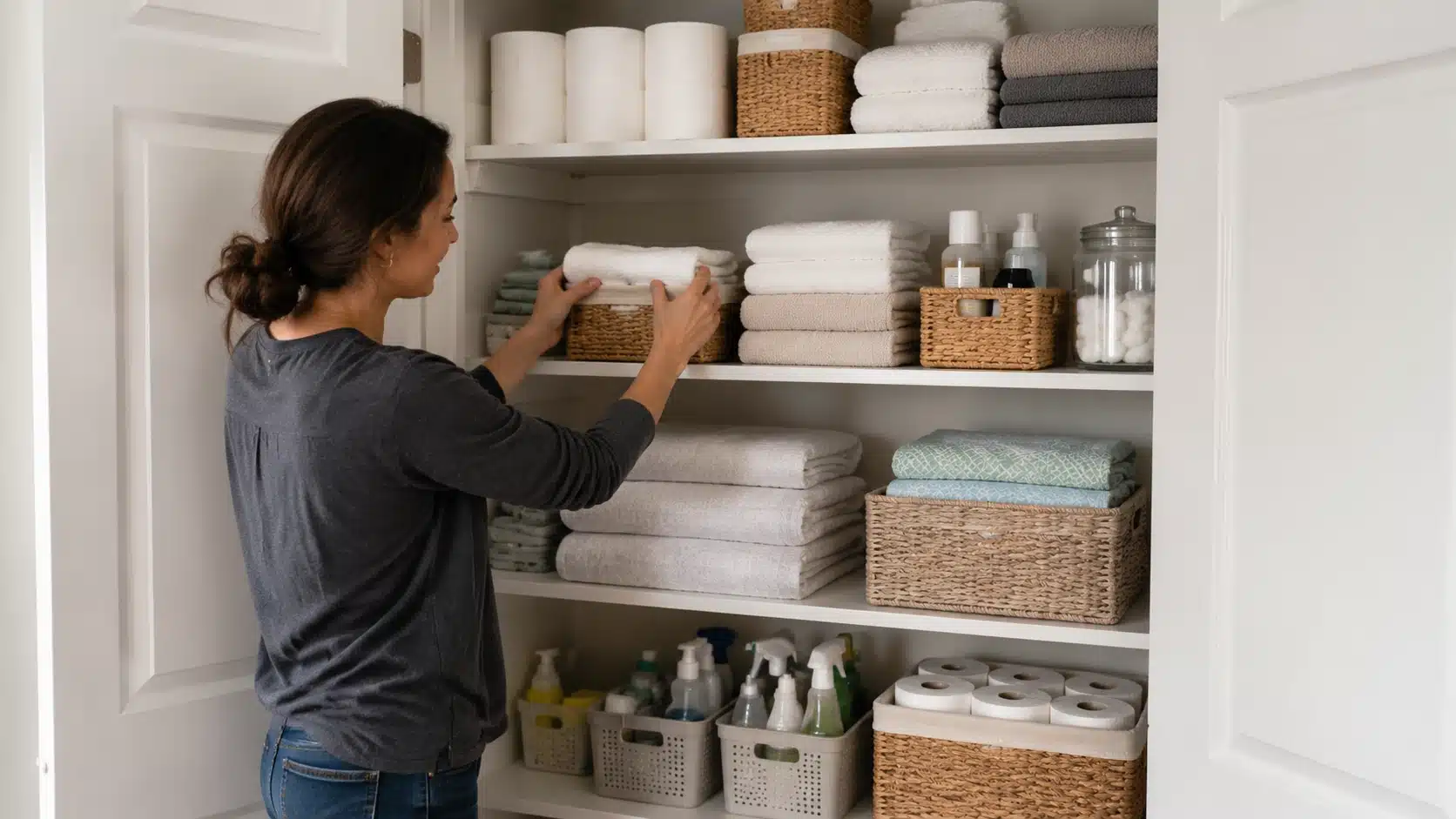
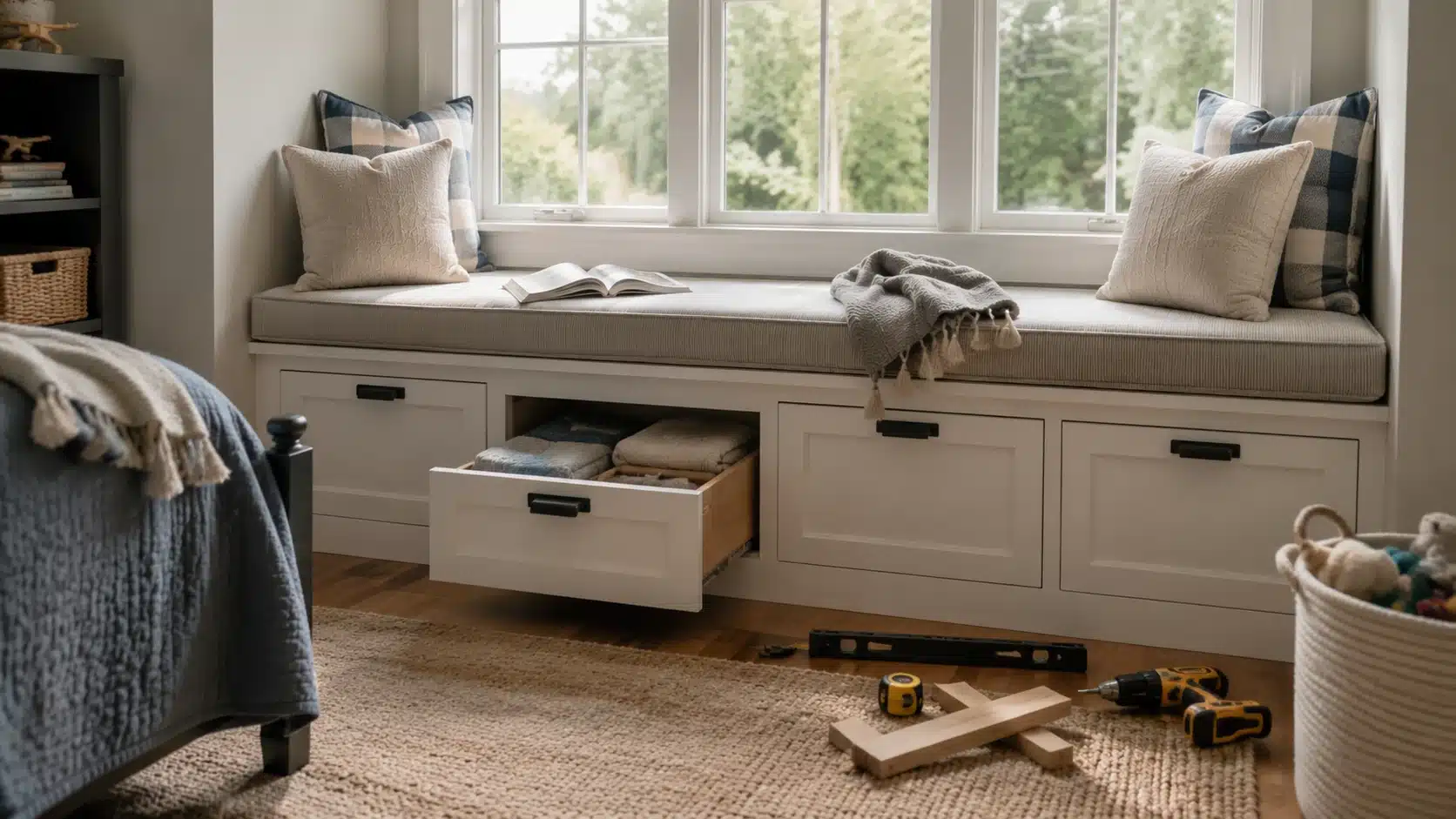
Use a bedroom, playroom, or reading corner. Plan seat depth, cushion height, hinged lids, drawers, and trim before building. This built-in storage project adds seating and hidden storage, so toys, blankets, or books can stay close yet be covered. The room gains storage without adding extra bins or baskets nearby, too.
Estimated Cost: $250-$900| Skill Level: Advanced| Best Fit: Indoor
30. Create Toy Rotation Storage
Store extra toys in labeled bins and keep a smaller set out. Rotate on a simple schedule that suits your family. This toy storage method cuts visible clutter without buying more furniture, and it helps kids notice what they already have. Kids may ask for new things less often, too.
Estimated Cost: $50-$250| Skill Level: Beginner| Best Fit: Indoor
31. Add Over-Toilet Storage
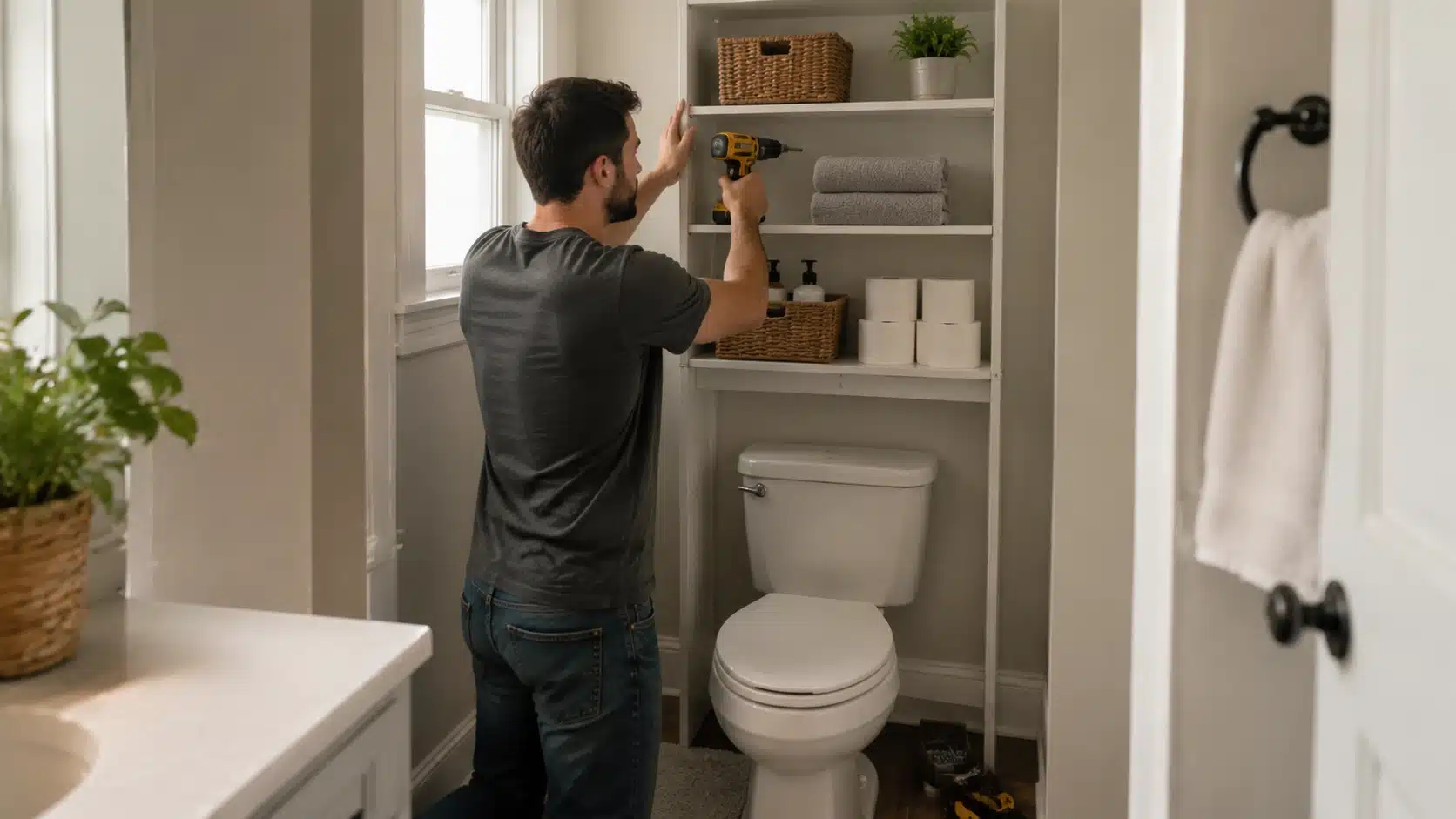
Use shelves or a slim cabinet for towels, paper goods, and bath supplies. Anchor tall units to the wall and keep heavy items low. This small bathroom storage idea uses vertical space when a room has no linen closet. Daily items stay within reach after a morning shower, too.
Estimated Cost: $50-$250| Skill Level: Beginner to Intermediate| Best Fit: Indoor
32. Build a Breakfast Nook Bench
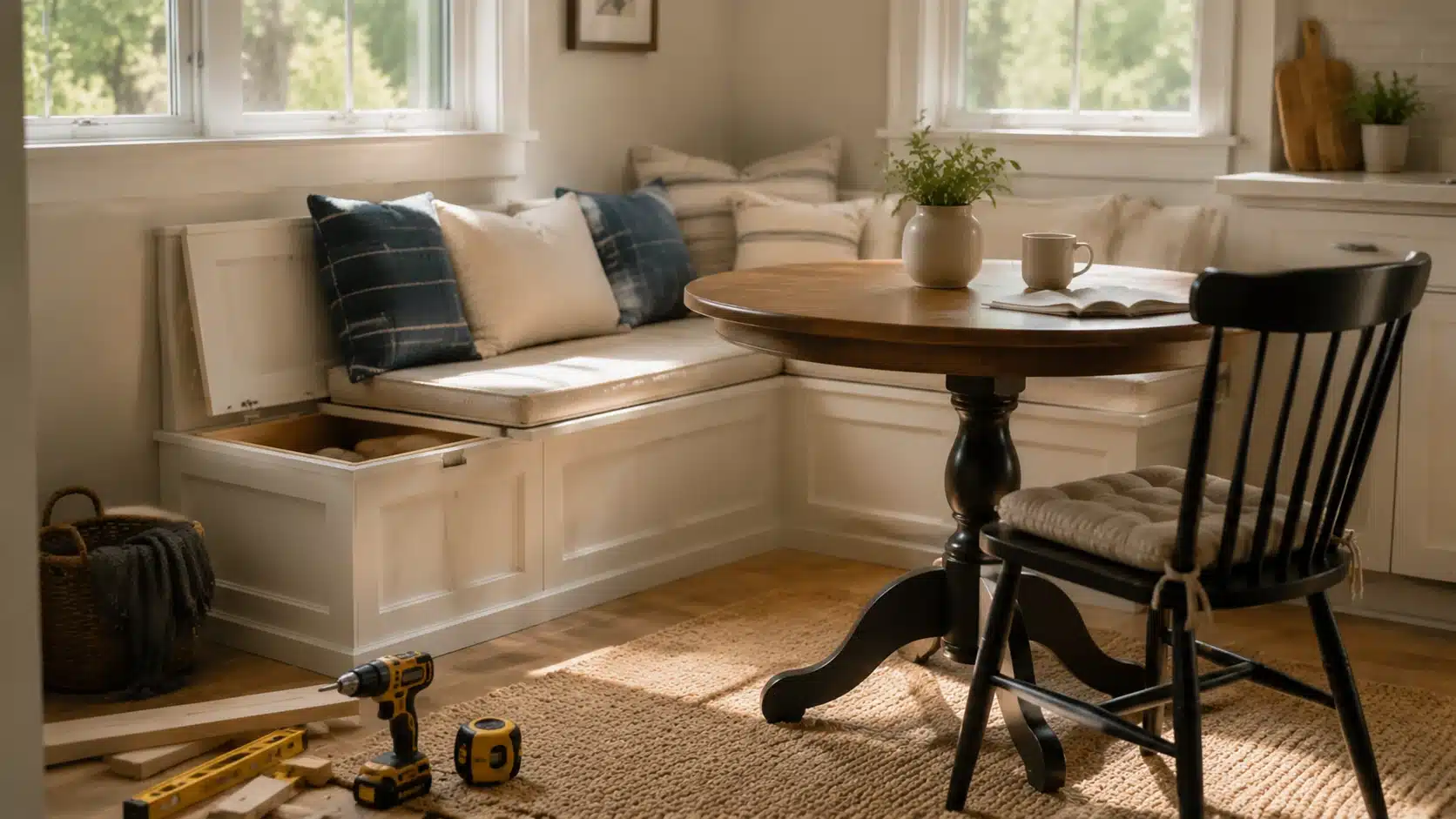
Use a kitchen corner or dining wall. Plan seat height, depth, storage lids, cushion thickness, and table clearance.
This banquette seating project adds extra seats and hidden storage, but it requires careful measuring to ensure people can sit comfortably. Good spacing prevents knee bumps at breakfast at home each morning, too.
Estimated Cost: $300-$1,000| Skill Level: Advanced| Best Fit: Indoor
Outdoor Refreshes and Larger Weekend Builds
Best for curb appeal and outdoor use, these weekend builds work for porches, patios, gardens, garages, and yards. Check the weather, drying time, and local rules before starting.
33. Paint the Front Door
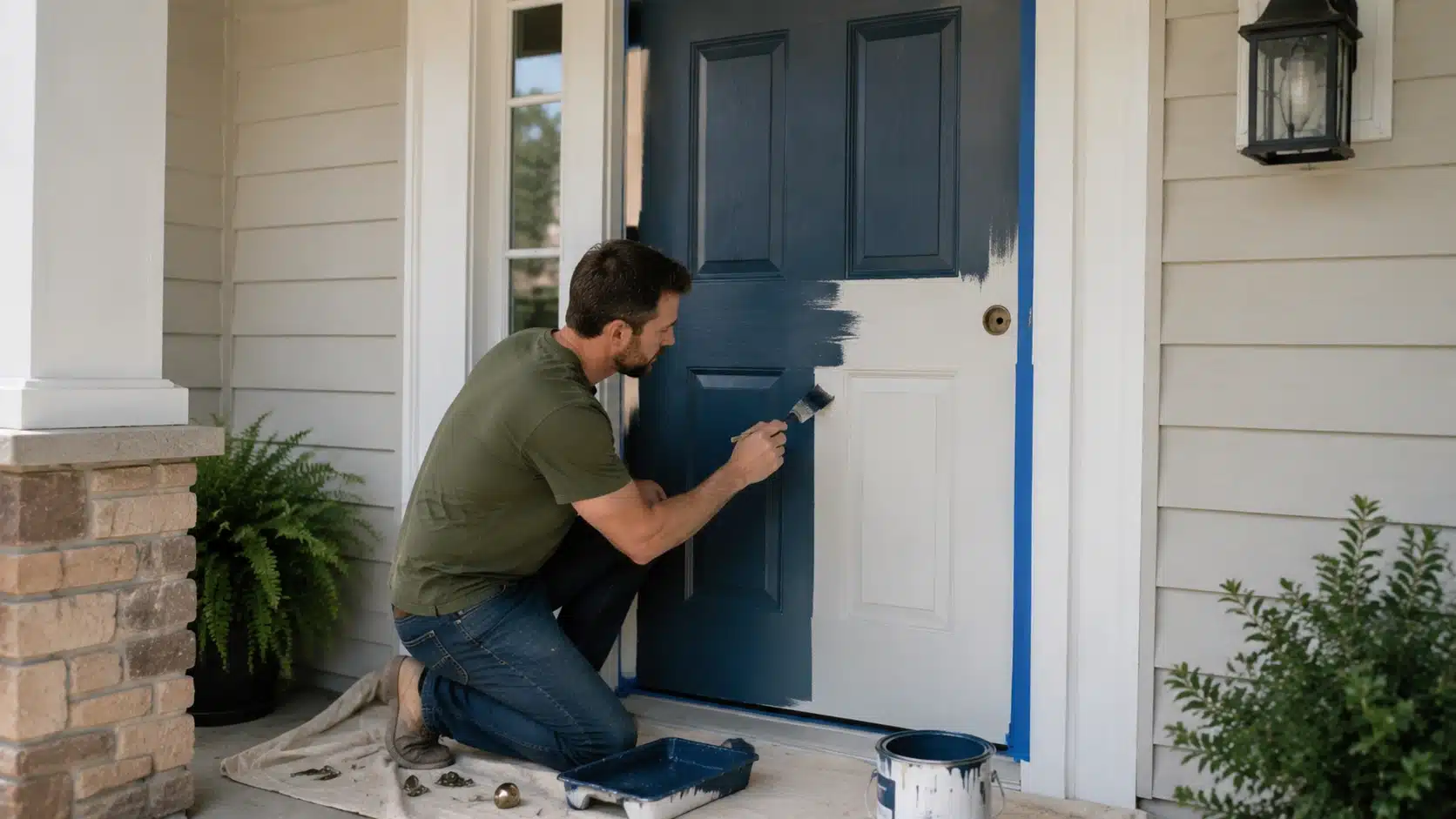
Clean, sand, prime, and use exterior paint made for doors. Remove the hardware if possible, and start early so the door dries before the night air sets in. This curb-appeal task gives the entry a cleaner look and uses a modest supply list. It is my favorite low-Estimated Cost exterior fix for my home this season.
Estimated Cost: $40-$150| Skill Level: Beginner| Best Fit: Outdoor
34. Make a Modern House Number Sign
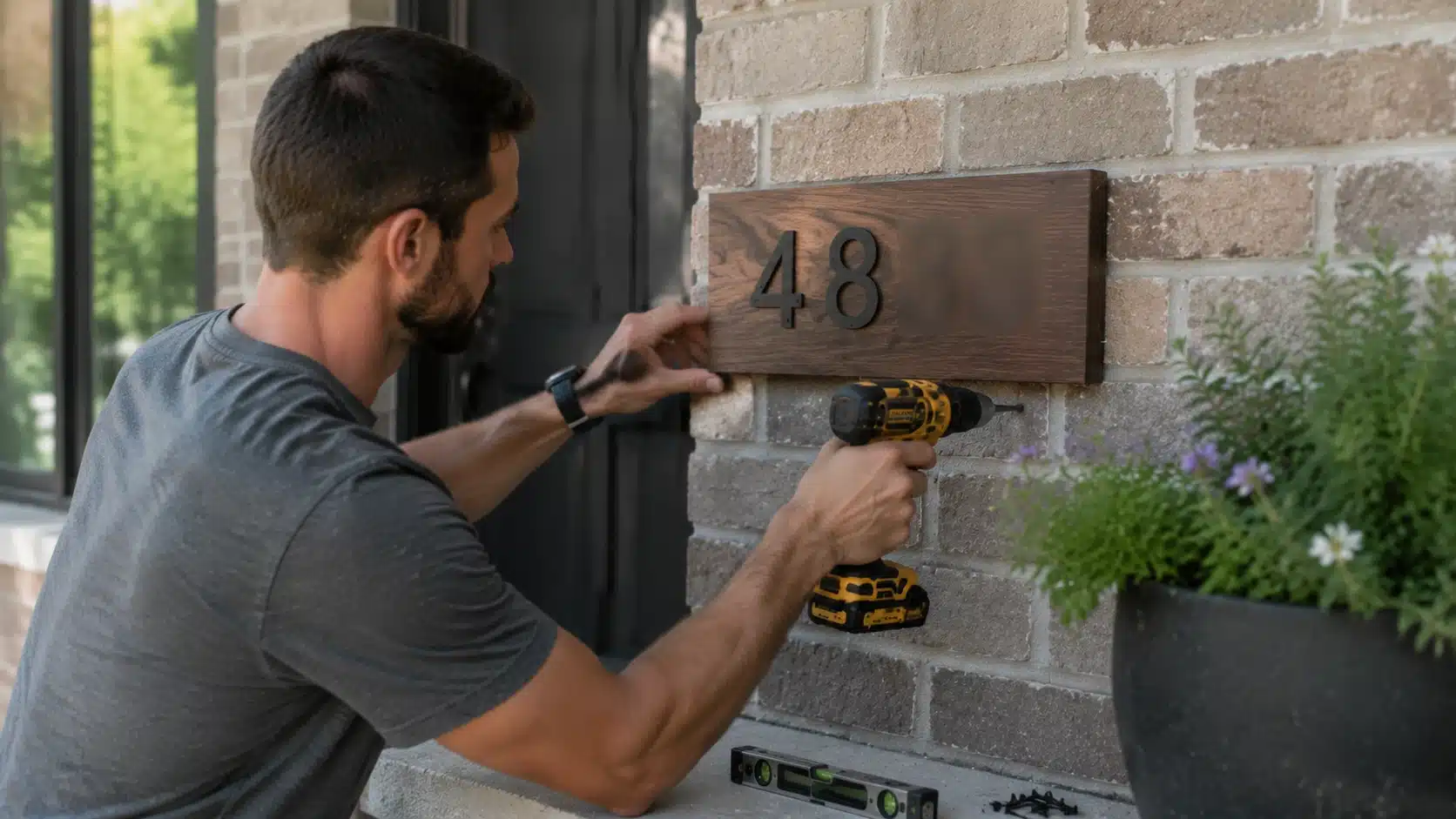
Use sealed wood, metal numbers, and sturdy mounting hardware. Place the sign where it is clear from the street. This front entry update helps guests, drivers, and emergency crews find the house more quickly, making it both useful and neat. No one has to search for the entrance twice.
Estimated Cost: $25-$100| Skill Level: Beginner| Best Fit: Outdoor
35. Power Wash a Walkway or Patio
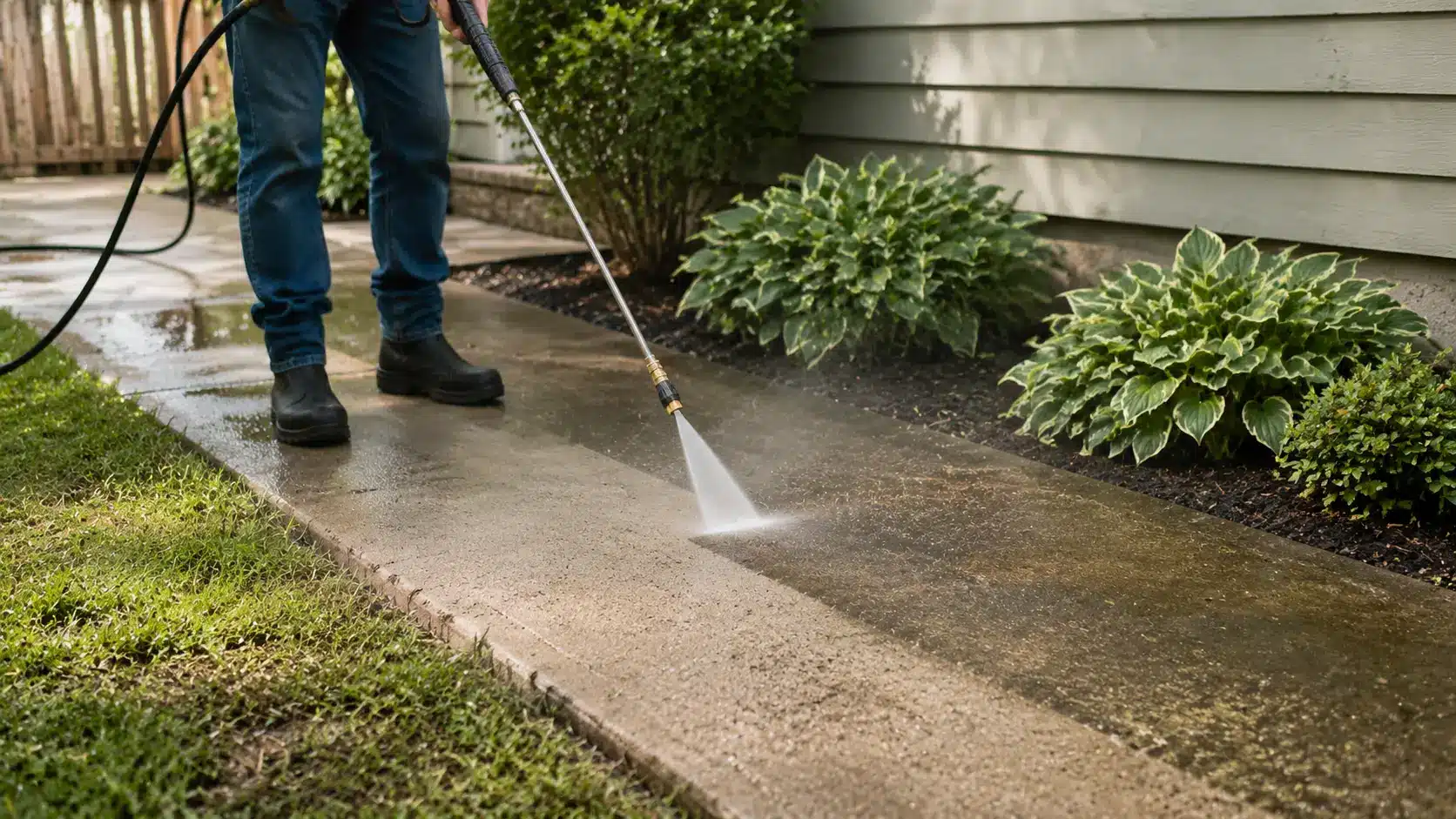
Clean concrete, pavers, porch steps, or patio surfaces with the right pressure setting. Test a hidden spot first. This outdoor cleaning task removes dirt quickly, but excessive force can damage wood, soft stone, loose mortar, or old surfaces. Move slowly and protect nearby plants before starting outside.
Estimated Cost: $0-$150| Skill Level: Beginner| Best Fit: Outdoor
36. Build a Simple Window Box
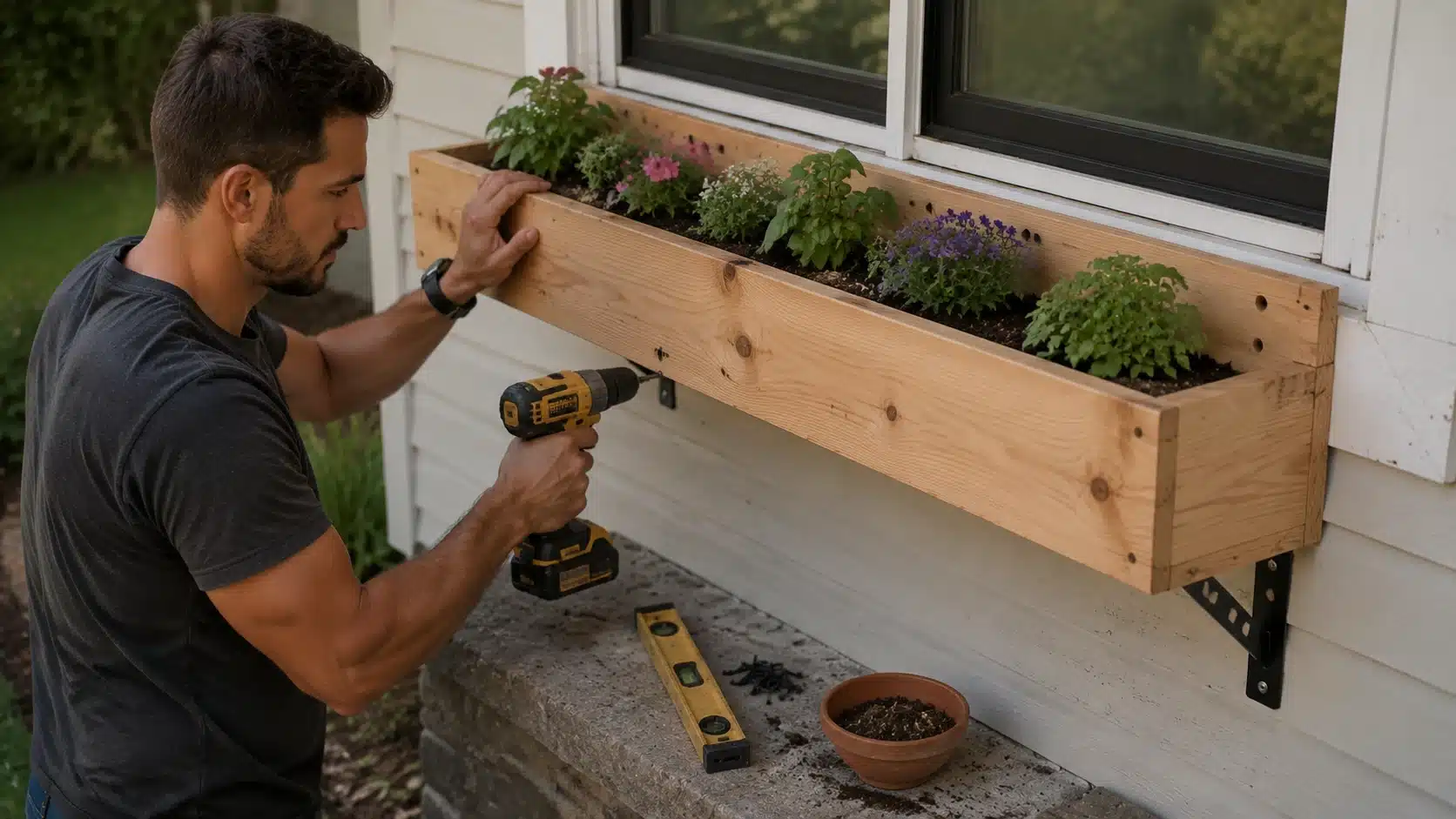
Build a box with drainage holes, add a liner, and mount it with strong brackets. Fill it with plants that match the sun level. This window box project works on front windows, sheds, garages, fences, or balcony rails. It uses fewer tools than a full garden build requires outside, too.
Estimated Cost: $50-$150| Skill Level: Beginner to Intermediate| Best Fit: Outdoor
37. Stain a Small Deck or Porch
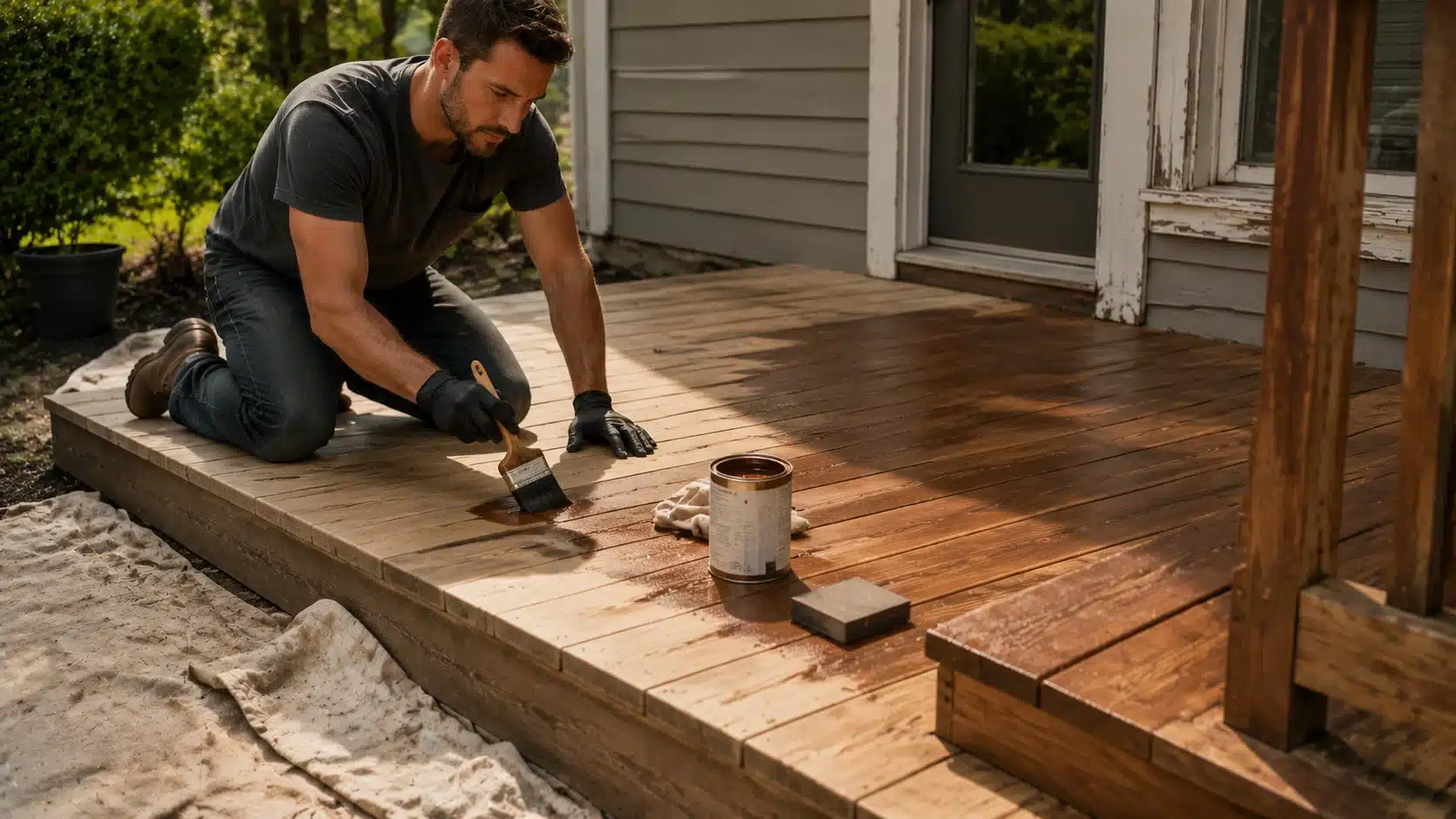
Clean the wood, let it dry fully, sand rough spots, then stain in mild weather. Do not start before rain or high heat. This deck-care task helps keep wood looking cleaner and lasting longer with consistent seasonal upkeep.
Wait for dry weather so the finish cures well afterward each year. The same prep and grain-reading rules apply if you are staining wood furniture or railings in the same session.
Estimated Cost: $100-$400| Skill Level: Intermediate| Best Fit: Outdoor
38. Build a Raised Garden Bed
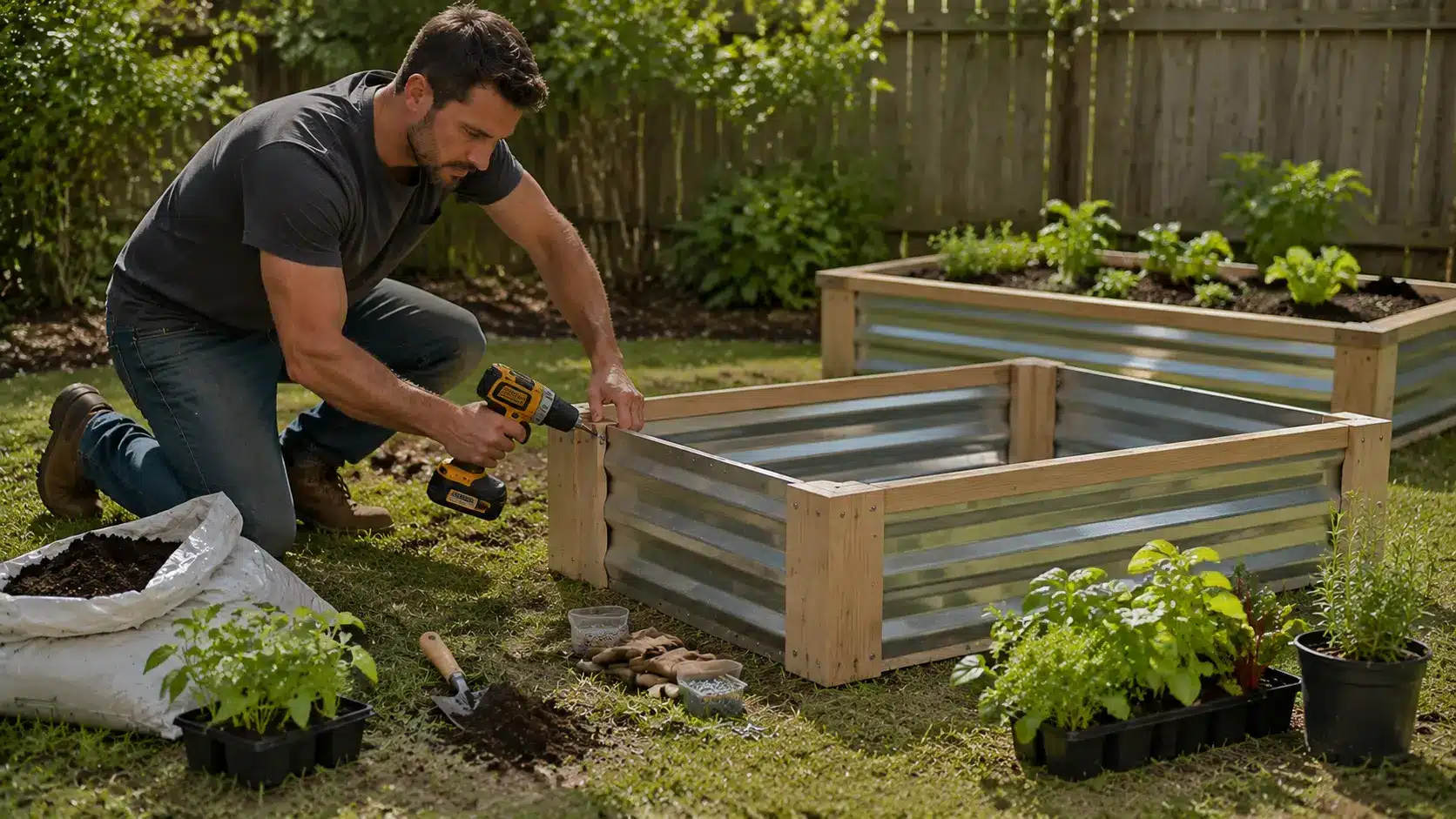
Use lumber, metal kits, or blocks to make a simple growing bed. Keep the width easy to reach from both sides. This garden project suits vegetables, herbs, or flowers, and it keeps soil contained in small yards. You can grow more without tearing up extra lawn at home this season.
Estimated Cost: $75-$300| Skill Level: Intermediate| Best Fit: Outdoor
39. Hang Outdoor String Lights
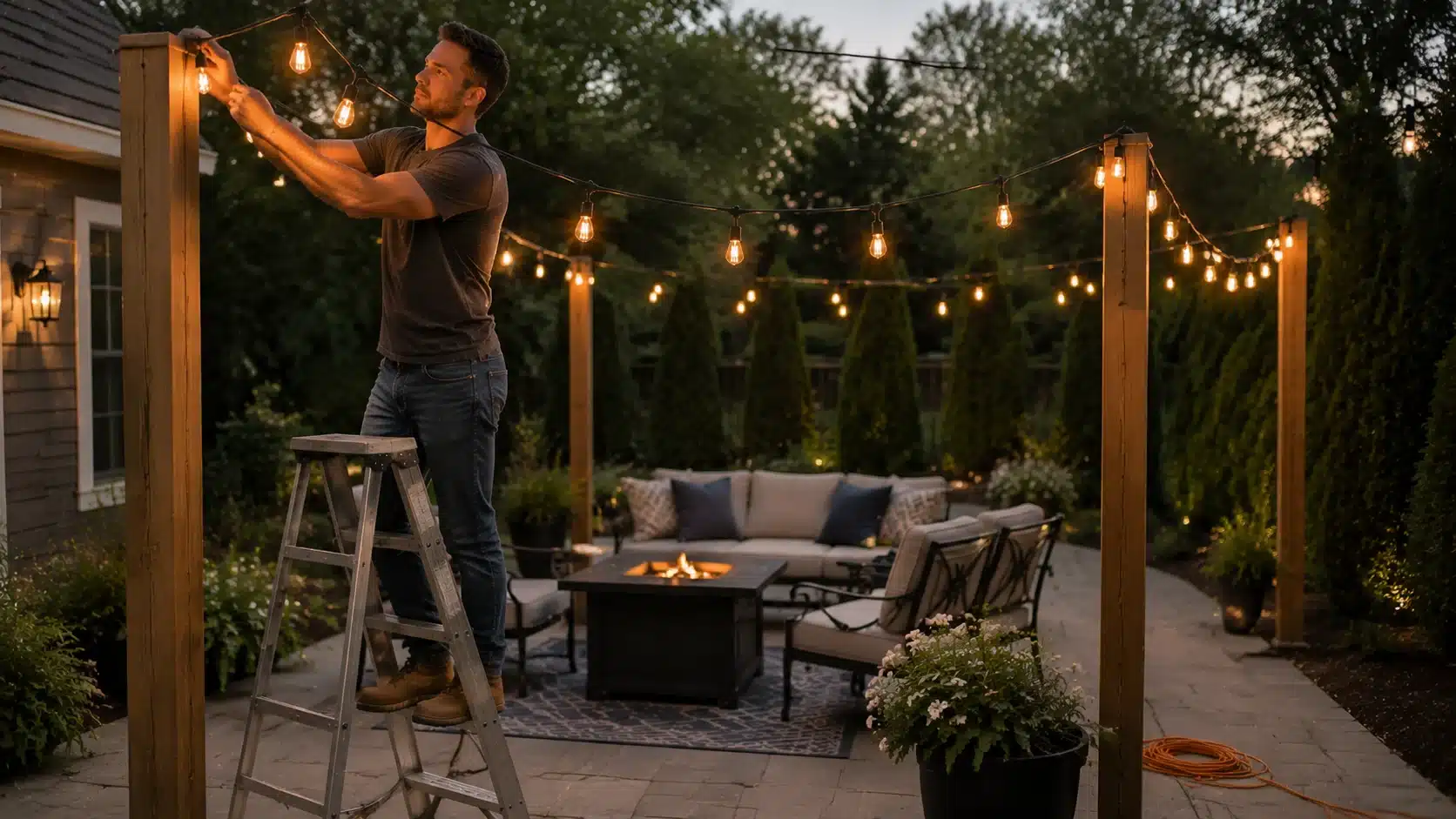
Use outdoor-rated lights, guide wire, hooks, and safe outlets. Keep cords away from walking paths and water. This patio lighting project makes outdoor seating easier to use after sunset. Hire an electrician for hardwired power or new outlets. A safe setup matters most during regular use outdoors on dry nights.
Estimated Cost: $50-$250| Skill Level: Intermediate| Best Fit: Outdoor
Common Mistakes to Avoid With DIY Home Projects
Even simple diy home projects can go wrong when you rush, skip prep, or choose the wrong task for your space. Use these reminders before buying supplies or starting work.
- Starting without first checking the estimated cost, time, tools, and skill level.
- Skipping surface prep before painting, caulking, staining, or peel-and-stick work.
- Picking a project because it looks nice, not because it fixes a real problem.
- Buying supplies before measuring the space twice.
- Ignoring safety steps for wiring, lead paint, ladders, sharp tools, or heavy materials.
- Taking on advanced builds without a helper, a plan, or a clear stopping point.
- Using cheap hardware where weight, moisture, or daily use matters.
- Forgetting drying, curing, or setup time before using the finished space.
- Relying on trend-based choices that may not Best Fit your home or habits.
- Leaving small repairs unfinished, which makes the room feel messier.
A good project should make your home easier to use, not harder to manage. Start small, finish cleanly, and save larger work for days when you have enough time.
Frequently Asked Questions
How do I know if a project needs a permit?
Check your local building department before changing structure, plumbing, wiring, windows, decks, fences, or exterior openings. Permit rules vary by city and project type. A quick check can prevent fines, failed inspections, or problems when selling the home later.
What should renters ask before starting with updates?
Renters should ask what changes are allowed, what needs written approval, and what must be removed before moving out. Paint, mounted shelves, lighting swaps, adhesive products, and outdoor updates can all cause issues if the lease does not allow them.
Should I photograph before starting a DIY project?
Take photos of the entire space, close-ups of damage, measurements, product labels, hardware placement, and anything you remove. These photos help with reassembly, returns, touch-ups, and showing the original condition if a repair or replacement becomes more complicated.
How do I stop a small DIY from turning into a bigger job?
Set a clear stopping point before you begin. Decide what you are fixing and what you are leaving alone. Keep supplies in one area, clean as you go, and avoid starting another update until the first one is fully finished.
Closing Thoughts
The best diy home projects and home diy projects are not always the largest ones. A small finished task can change how your home works each day, especially when it clears clutter, fixes a worn spot, adds safer lighting, or makes a busy room easier to use.
My advice is to pick one space, one problem, and one budget before buying supplies. Start with the idea that feels useful right now, then build a skill one project at a time.
When each task has a clear Estimated Cost, skill level, and Best Fit, you can plan with less stress and finish with more confidence without turning every free hour into extra work again. Drop a comment below if you have any further questions.