

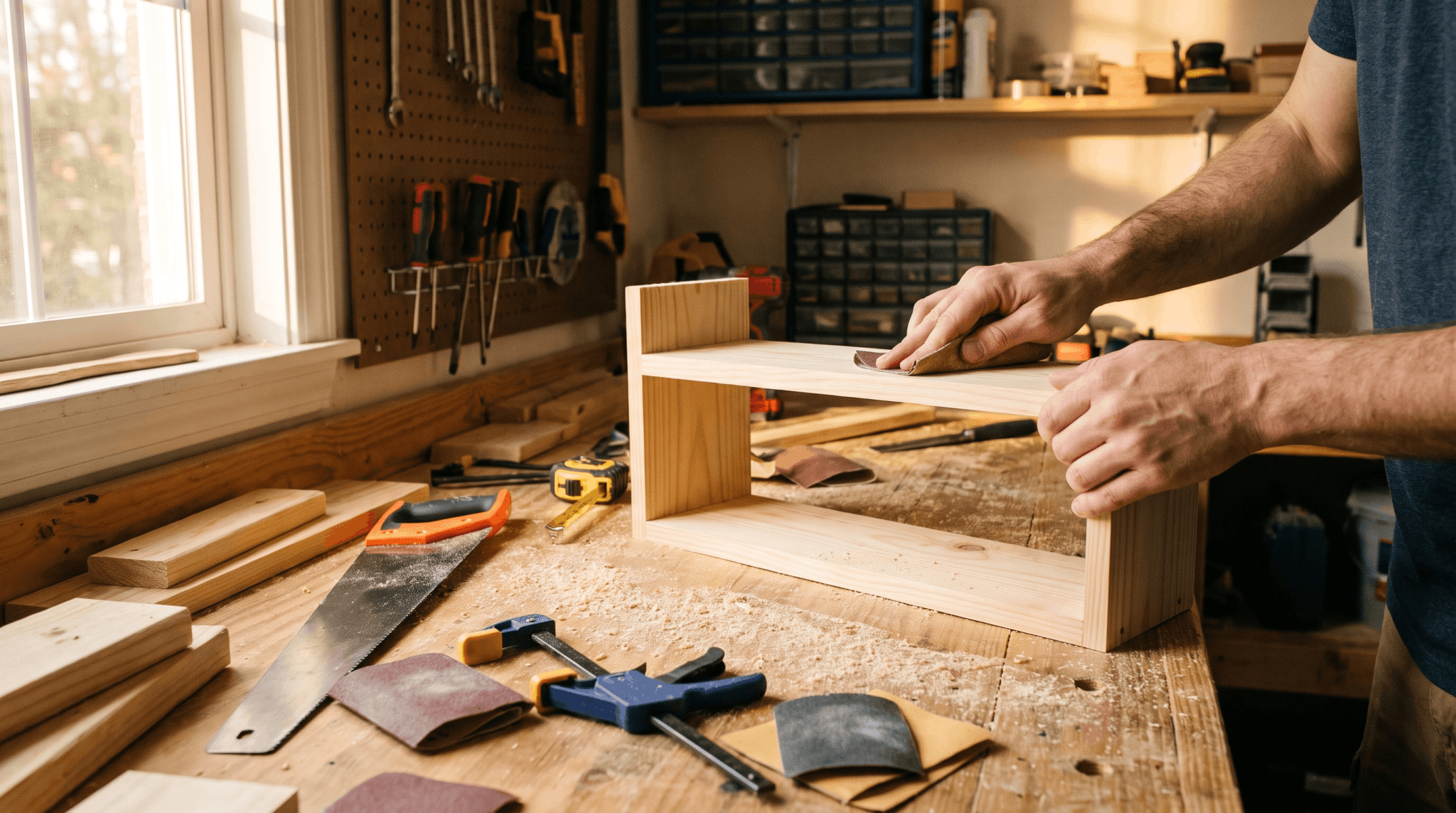


You want to make something with your own hands.
But the saws, the jargon, and the fear of wasting wood can make starting feel harder than it should. Maybe you’ve watched a few woodworking videos and closed the tab feeling more confused than before.
You do not need a garage full of equipment or years of experience to begin. Plenty of easy woodworking projects need only a few basic tools, affordable wood, and an afternoon of your time.
The trick is starting small. A simple build teaches you how to measure, cut, sand, and finish without draining your budget or patience. Each completed piece gives you the confidence to try something slightly bigger.
Easy beginner builds, the tools you need, the best wood choices, project costs, skill levels, and safety habits help you create useful pieces from your first cut.
Tools You Need for Woodworking Projects
You need fewer tools than you might expect to start woodworking. A small starter kit can handle many beginner projects.
Start With These Hand Tools
1. Tape measure and pencil
2. Square
3. Hand saw
4. Sandpaper
5. Wood glue and clamps
Add These Power Tools Later
6. Cordless drill
7. Jigsaw
8. Circular saw
You do not need every tool immediately. Start with tools that match your first few projects. A drill will usually get more use than a specialized tool sitting unused on a shelf.
A quick word about budget tools: inexpensive equipment can work well when you are starting. Spend more on tools you use regularly and avoid buying accessories before you know you need them.
11 Easy Woodworking Projects for Beginners
Below are twelve simple builds, sorted from quickest to slightly more involved. Each one teaches a skill you can reuse in future woodworking projects.
1. Wooden Cutting Board
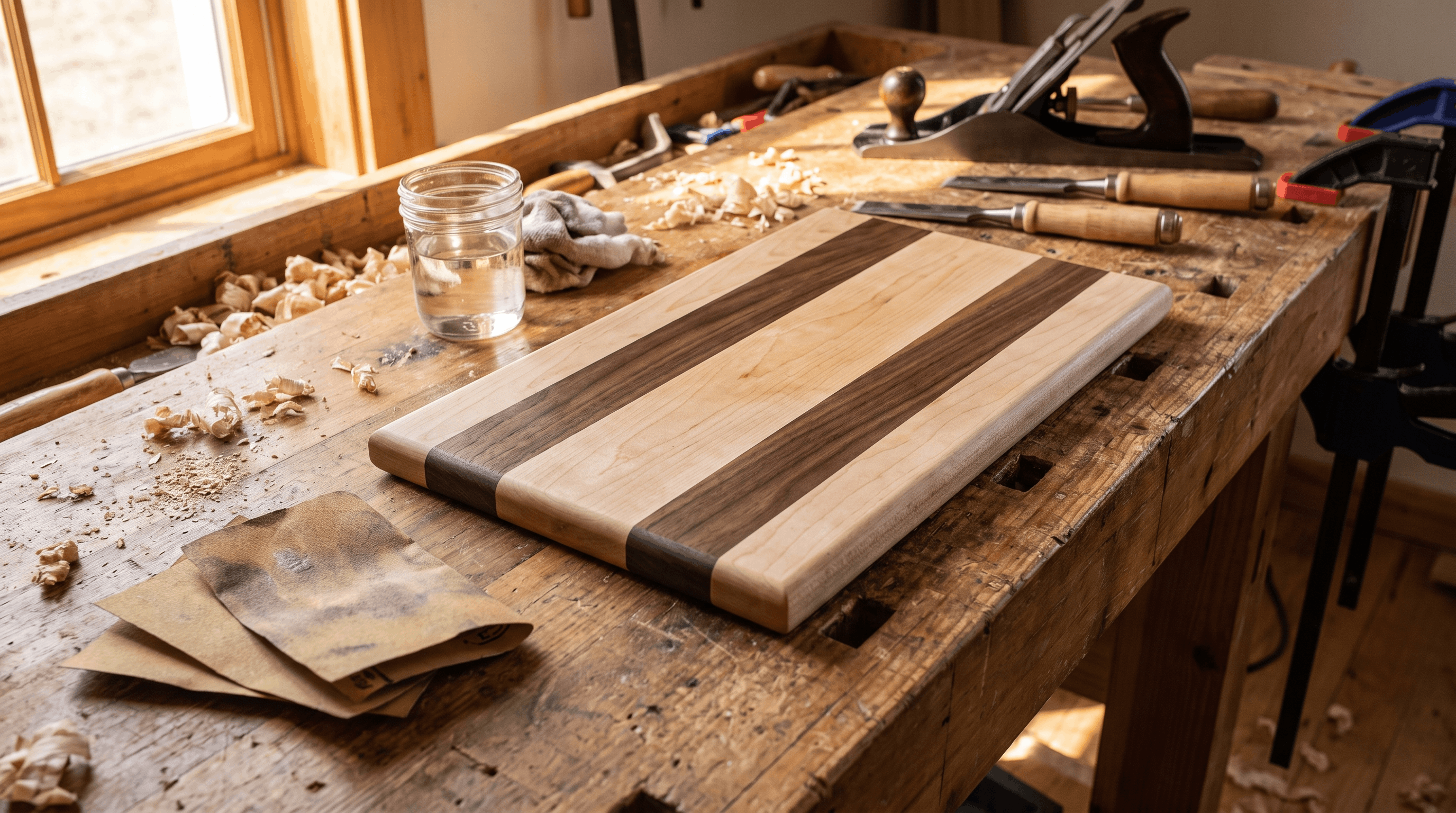
A cutting board is a simple beginner project that teaches measuring, cutting, and sanding. It takes around 2–3 hours to complete and only requires a hardwood board, smooth edges, and a food-safe mineral oil finish.
Materials: Hardwood board, sandpaper, mineral oil
Tools: Saw, clamps, sanding tools
Maple or walnut works well for durability. Avoid rushing the sanding process, as rough edges can affect the final result.
2. Floating Shelf
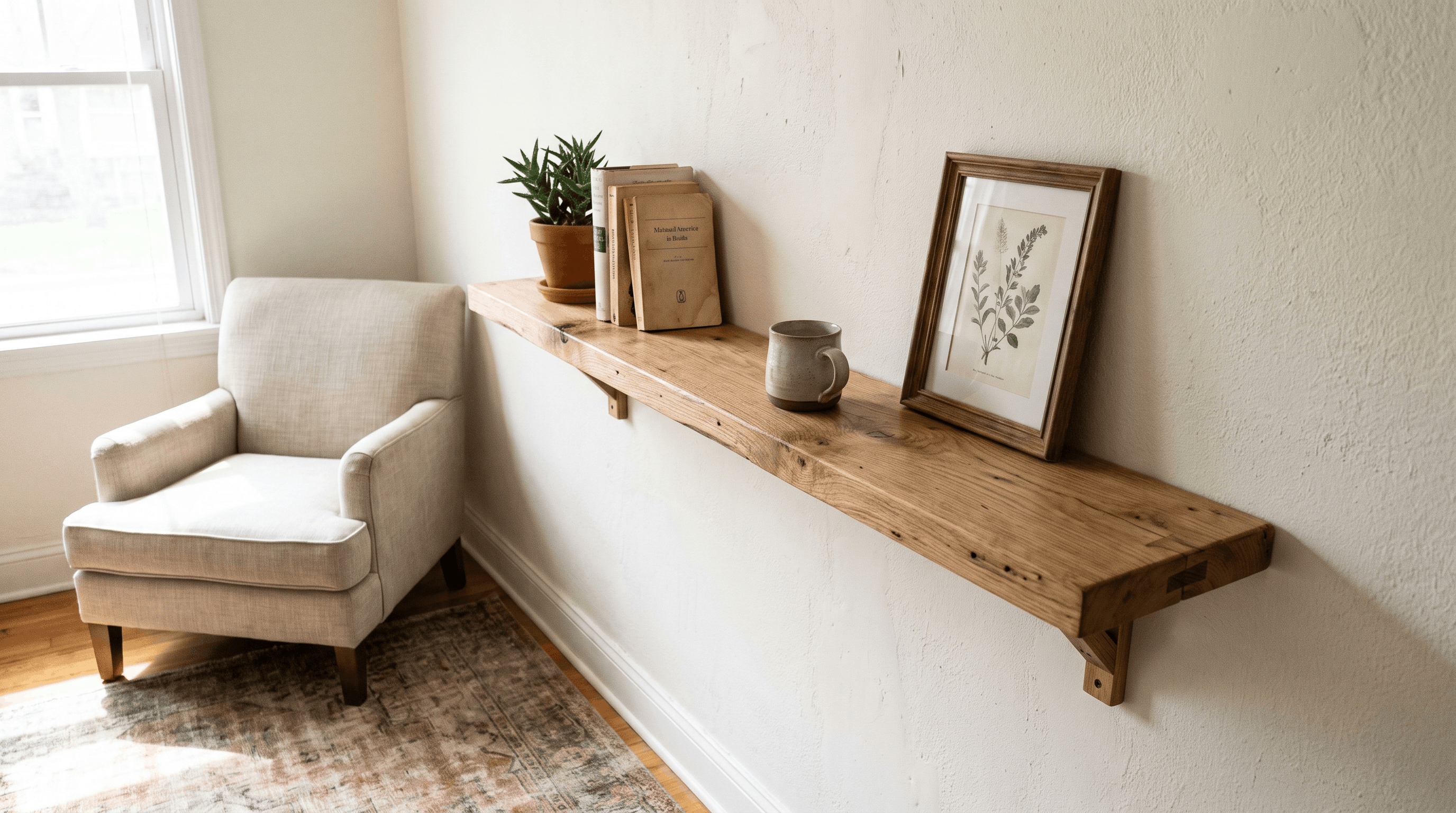
A floating shelf is a practical beginner project that teaches measuring, leveling, and drilling. It takes around 3–4 hours to complete and uses a wooden board with a mounting bracket for a clean, floating look.
Materials: Wooden board, mounting bracket, screws, wood finish
Tools: Drill, level, measuring tape
Always locate wall studs before installation to ensure the shelf stays secure. Avoid mounting directly into drywall, as it may not support much weight.
3. Simple Picture Frame
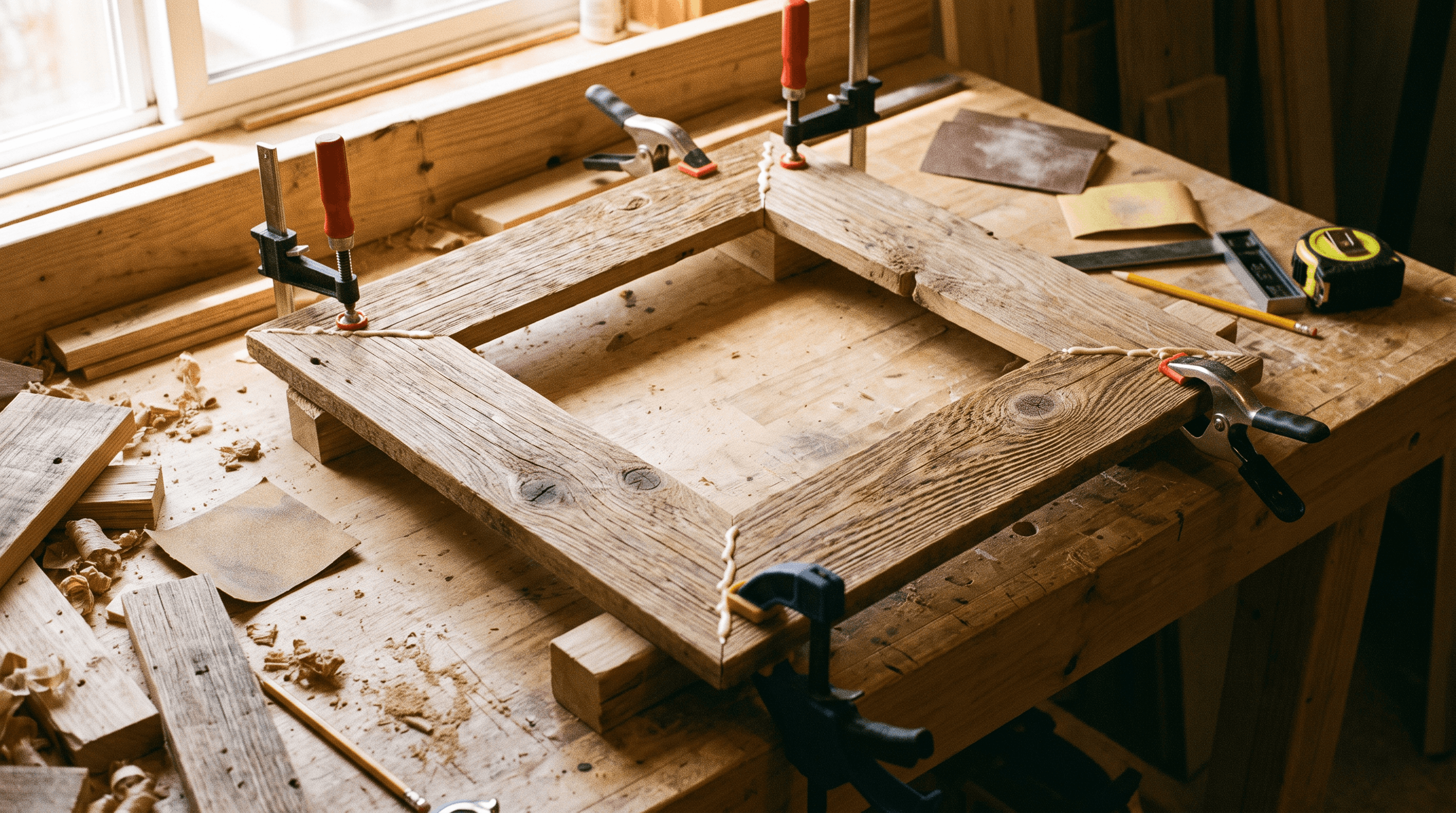
A picture frame is a simple beginner project that teaches accurate measuring, cutting, and joining of small pieces of wood. It takes around 2 hours to complete and can be made with four wood strips, glue, and a finish of your choice.
Materials: Wood strips, glue, backing board, finish
Tools: Saw, clamps, sandpaper
Reclaimed fence boards or leftover wood pieces can create a unique look while keeping costs low. Start with straight corners before trying angled cuts, as uneven measurements can make the frame difficult to align.
4. Birdhouse
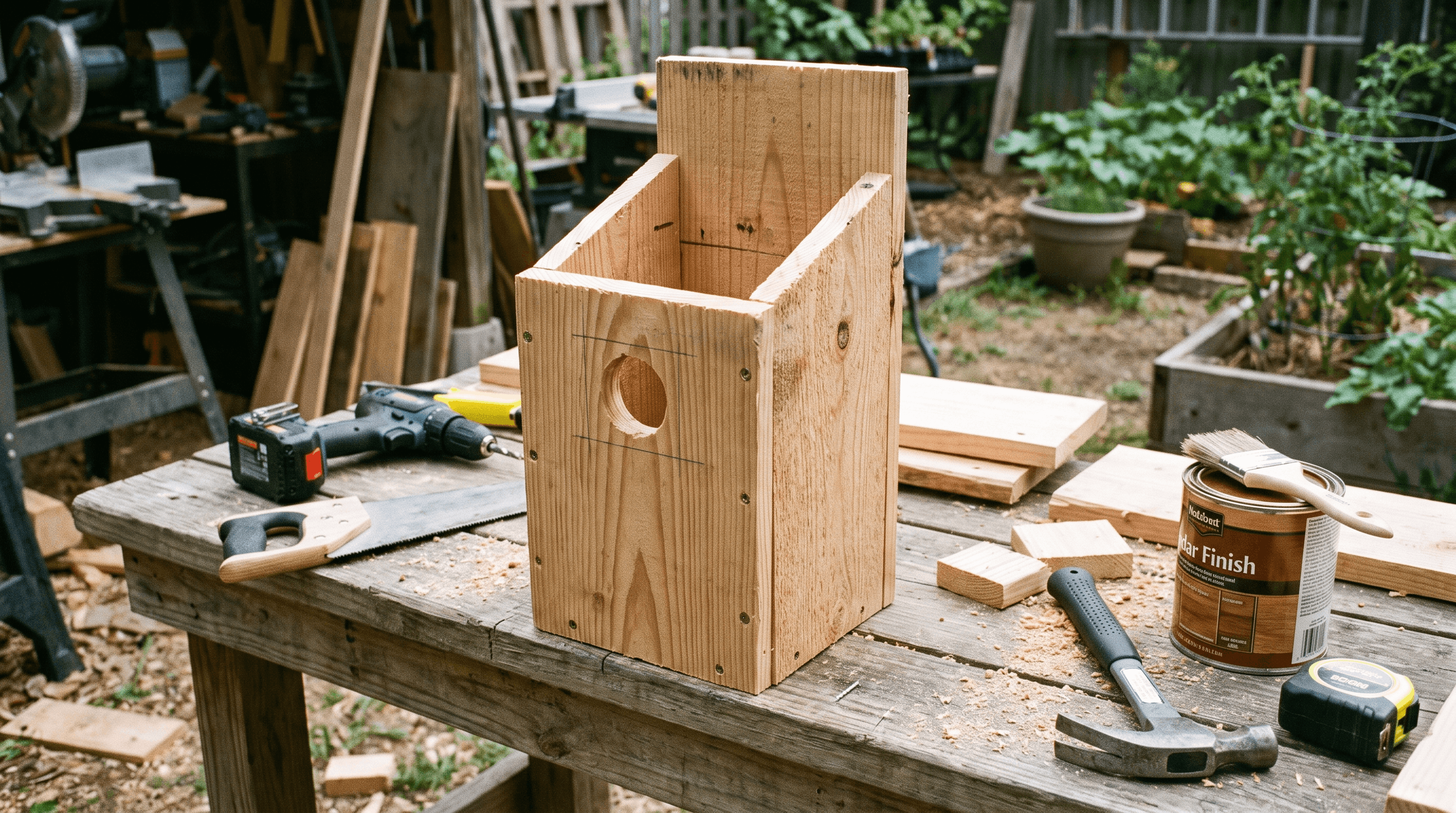
A birdhouse is a simple beginner project that teaches basic cutting, assembly, and outdoor woodworking skills. It takes around 2–3 hours to complete and uses small wood panels, fasteners, and an outdoor-safe finish.
Materials: Wood boards, nails or screws, outdoor-safe finish
Tools: Saw, drill, hammer
You can paint it or leave the wood natural for a rustic look. Check the correct entry hole size for local bird species before building, as the wrong opening size may make it unsuitable for birds.
5. Key or Mail Holder
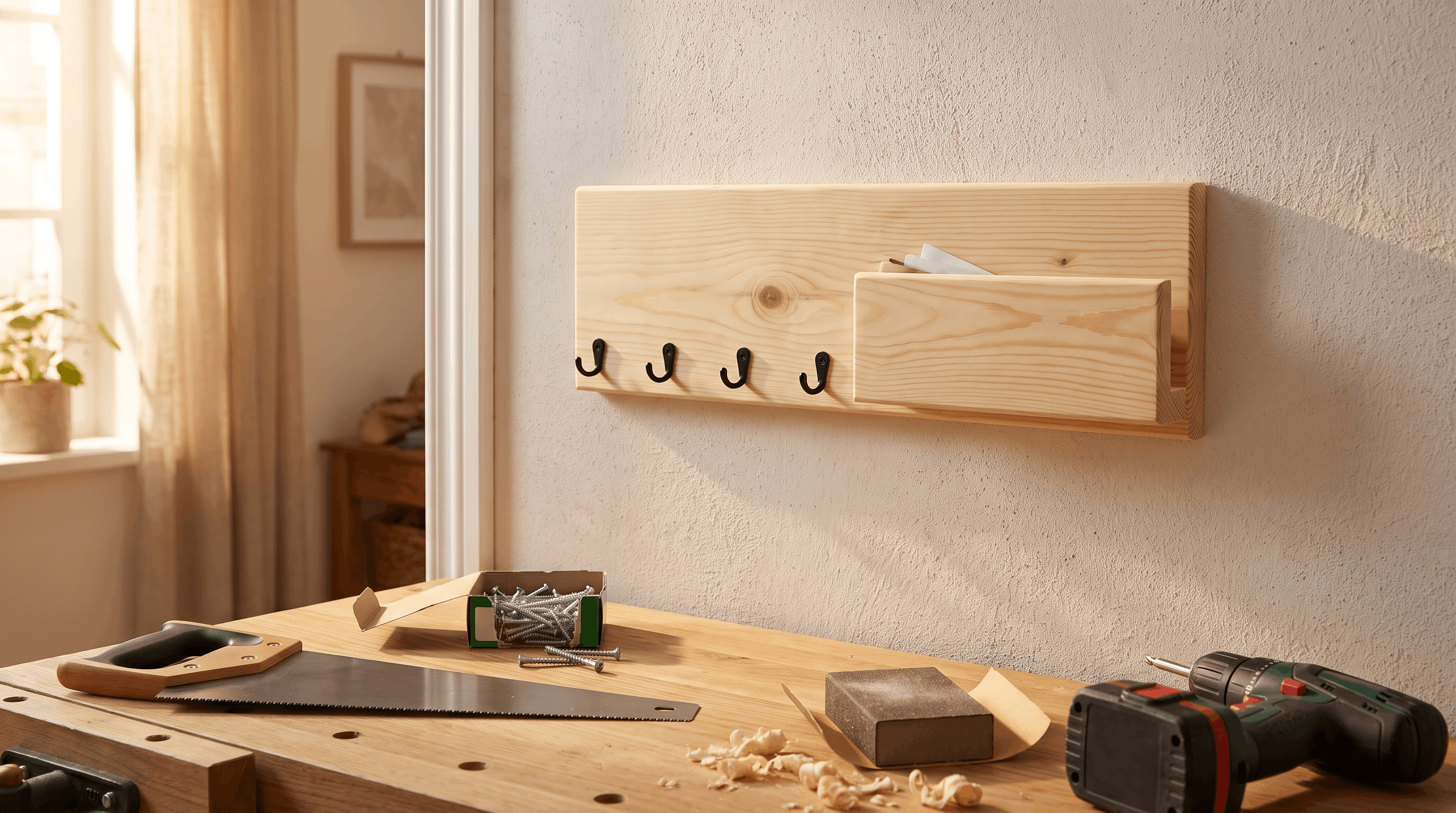
A wooden key or mail holder is a quick beginner project that teaches basic cutting, drilling, and assembly. It takes around 1–2 hours to complete and can be made with a small wood board, hooks, and screws.
Materials: Small wood board, hooks, screws
Tools: Hand saw, drill, sandpaper
It is a useful entryway organizer and a practical handmade gift. Keep the design simple at first, as adding too many features can make this small project harder than necessary.
6. Wooden Planter Box
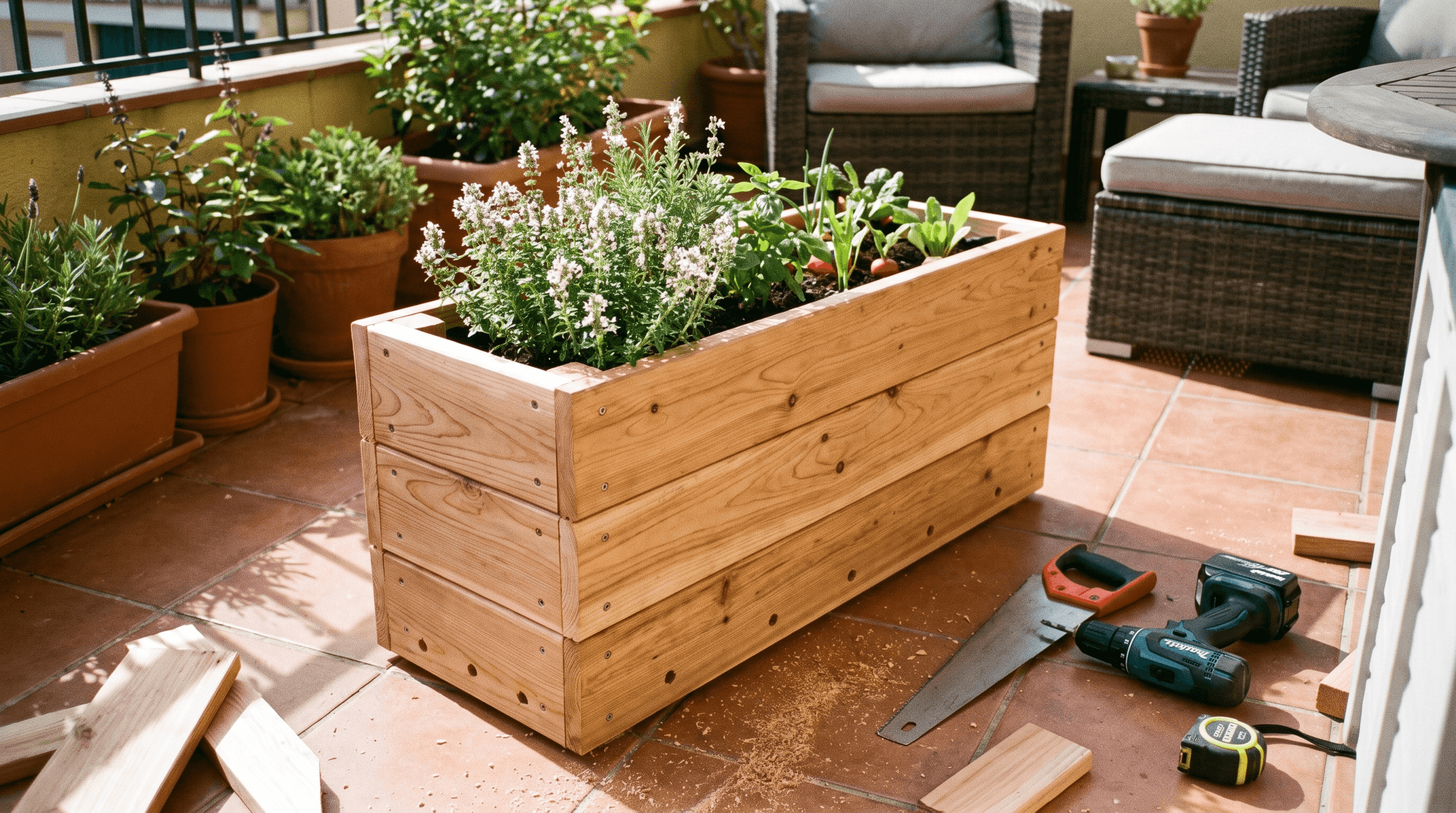
A wooden planter box is a beginner-friendly project that teaches basic construction and assembly skills.
It takes around 3–5 hours to complete and uses simple materials such as wooden boards, screws, and an outdoor-safe finish.
Materials: Wood boards, screws, waterproof finish
Tools: Saw, drill, measuring tape
It works well for balconies, patios, and small gardens. Add drainage holes at the bottom to prevent water buildup, as skipping them can damage the planter and affect plant health.
7. Phone Charging Dock
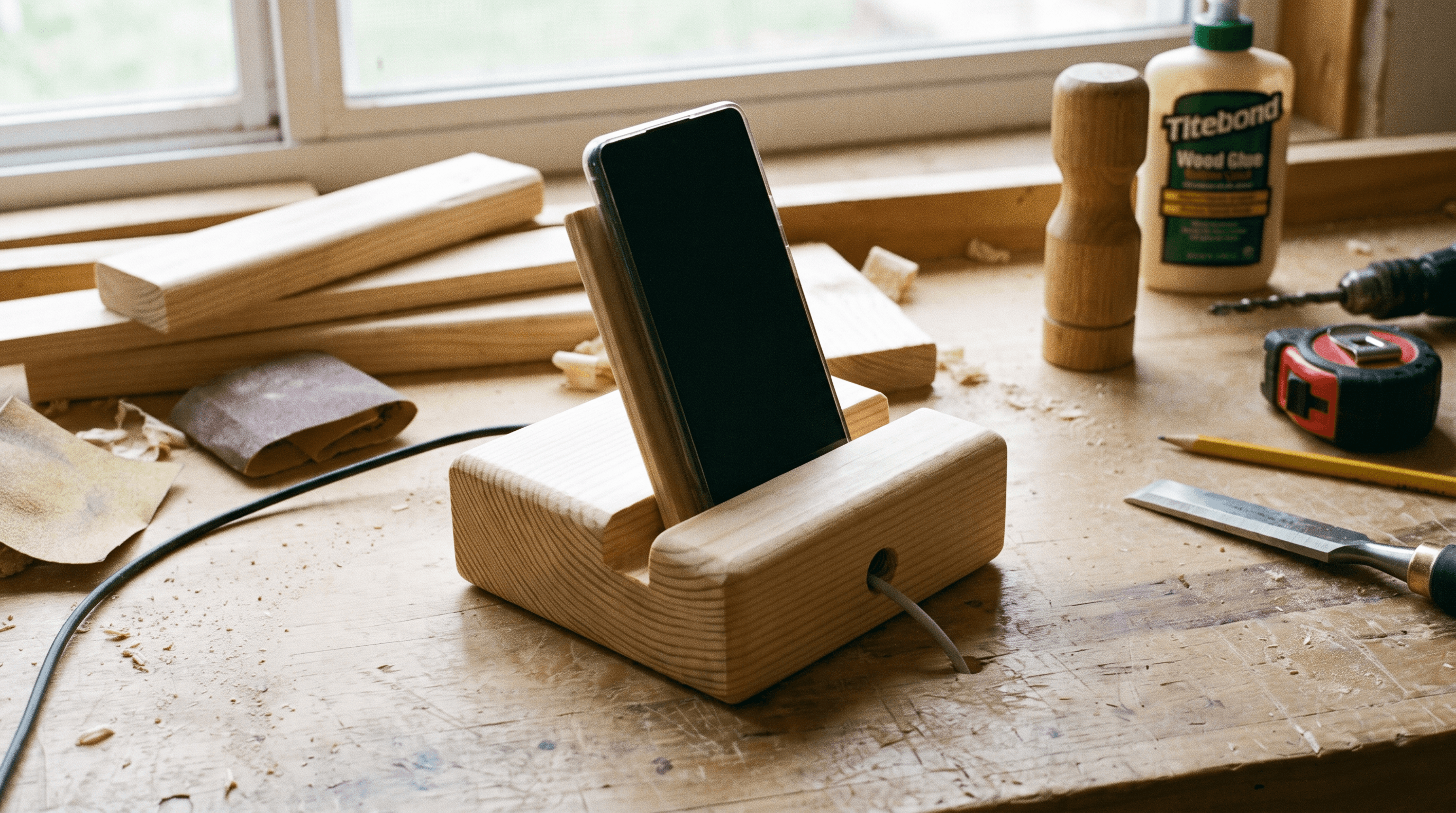
A phone charging dock is a small beginner project that teaches precision measuring and simple assembly. It takes around 1–2 hours to complete and is a great way to use leftover wood pieces.
Materials: Small wood piece, screws or glue, finish
Tools: Saw, drill, sandpaper
You can customize it with slots for charging cables, headphones, or accessories. Measure the phone slot carefully, as an incorrect size can make the finished dock difficult to use.
8. Wall Tool Organizer
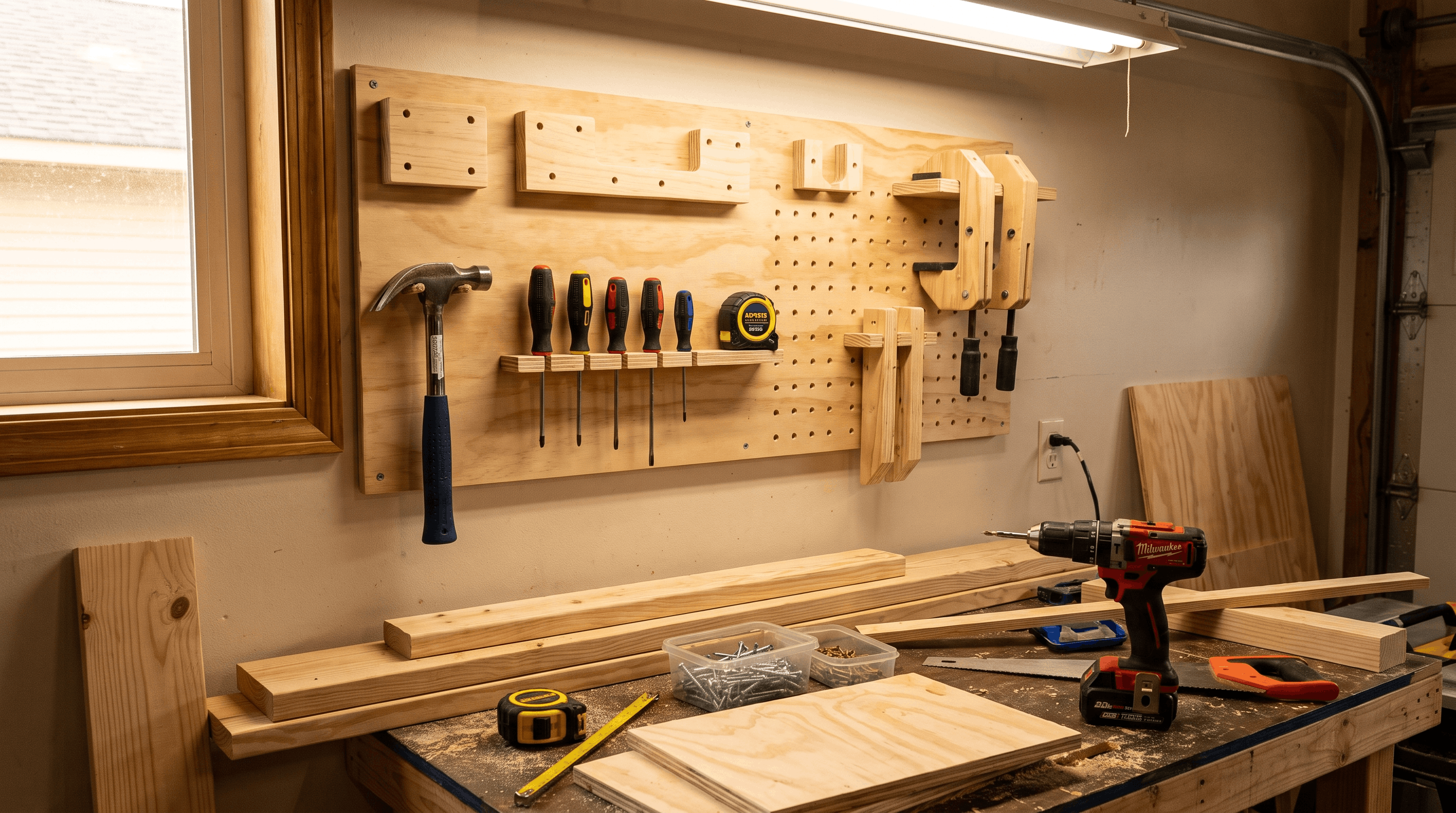
A wooden tool organizer is a practical beginner project that teaches layout planning, drilling, and workspace organization. It takes around 3–4 hours to complete and uses a plywood backing board with hooks or storage slots.
Materials: Plywood sheet, hooks, screws
Tools: Drill, saw, measuring tape
Plan the layout before cutting to create a cleaner design and avoid wasted material. Measure your tools first, as poorly sized storage spaces can make the organizer difficult to use.
9. Wine Rack
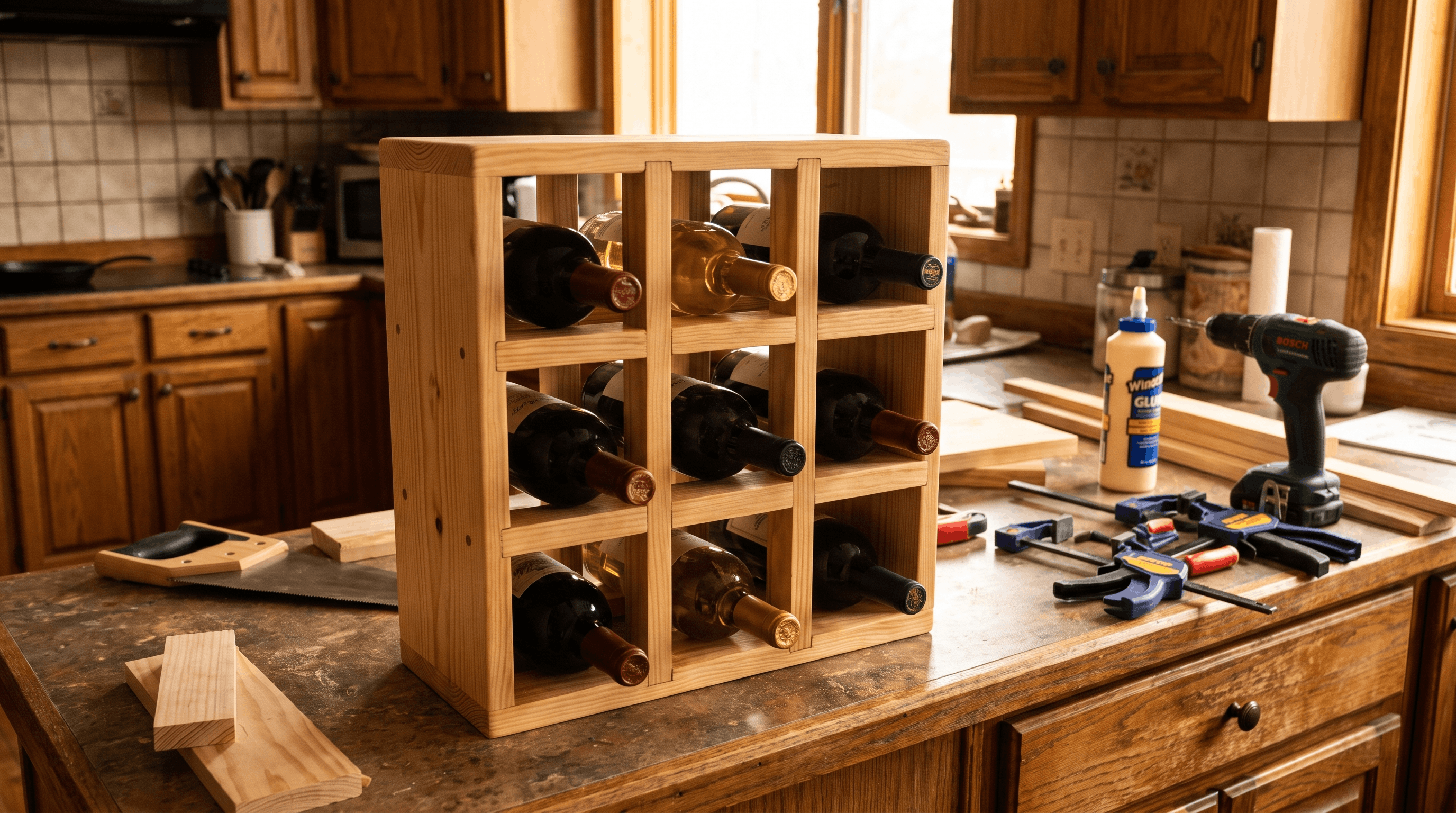
A small wooden wine rack is a beginner project that teaches functional storage design and accurate assembly. It takes around 3–5 hours to complete and can be built as a countertop or wall-mounted rack.
Materials: Wood boards, glue, screws, finish
Tools: Saw, drill, clamps
You can customize it with a stain, paint, or accessories like a bottle-opener holder. Measure the spacing carefully, as incorrect sections can prevent bottles from sitting securely.
10. Pallet Wall Shelf
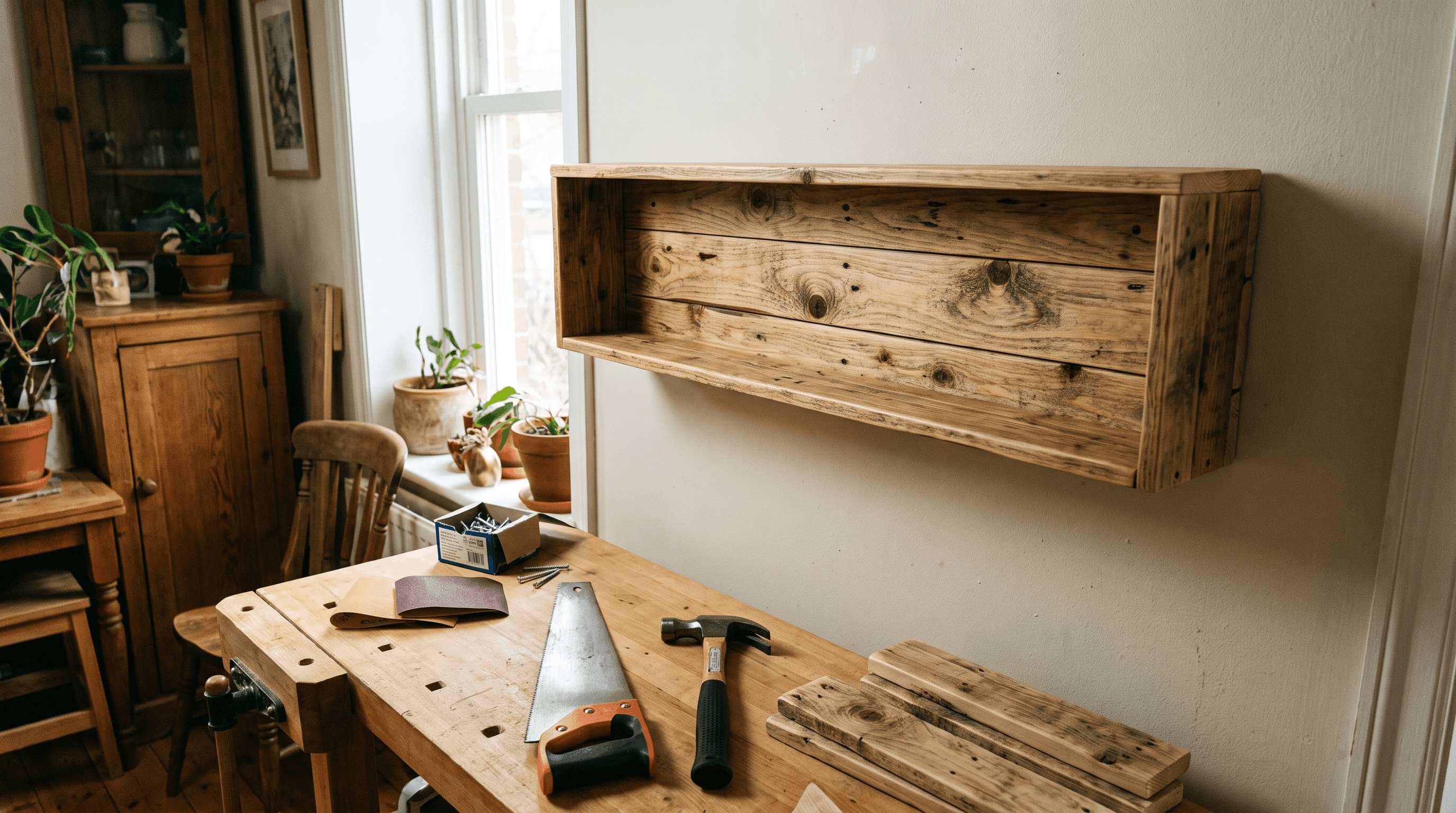
A pallet shelf is an affordable beginner project that teaches basic construction while reusing reclaimed wood. It takes around 2–4 hours to complete and uses pallet boards, screws, and a protective finish.
Materials: Untreated pallet wood, screws, finish
Tools: Saw, hammer, sandpaper
Clean and sand the wood carefully to remove rough areas and splinters. Always check that pallets are untreated and in good condition, as unsafe wood can create potential problems.
11. Low Side Table
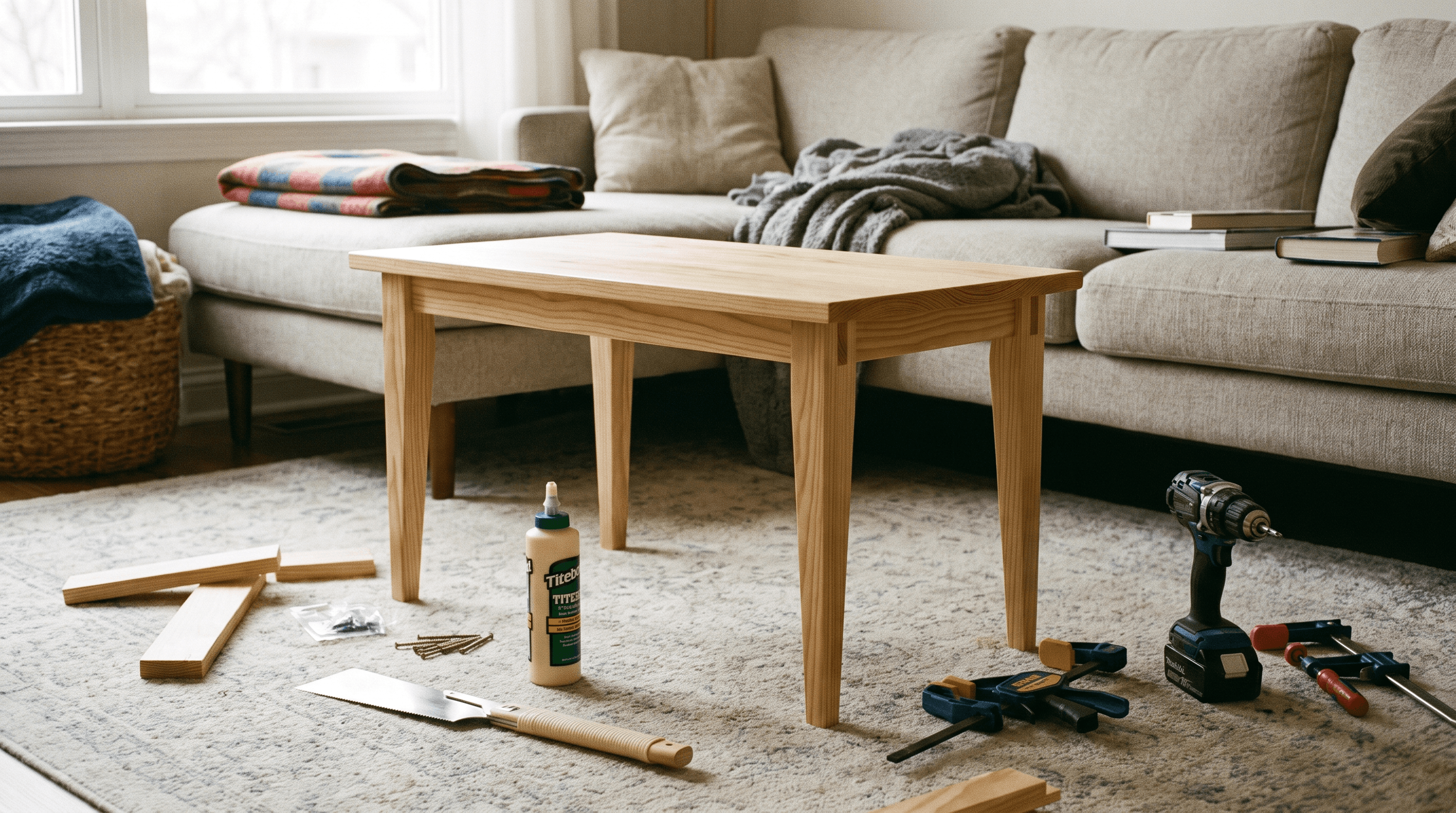
A low side table is a beginner-to-intermediate project that builds on skills like assembling surfaces, attaching legs, and applying finishes. It takes around 5–8 hours to complete and uses wood boards, screws, glue, and a protective finish.
Materials: Wood boards, screws, glue, finish
Tools: Saw, drill, clamps
Take extra care when cutting and attaching the legs, as equal lengths help prevent wobbling. Check that all pieces fit properly before assembly to avoid alignment issues.
Simple Steps to Complete Any Beginner Project
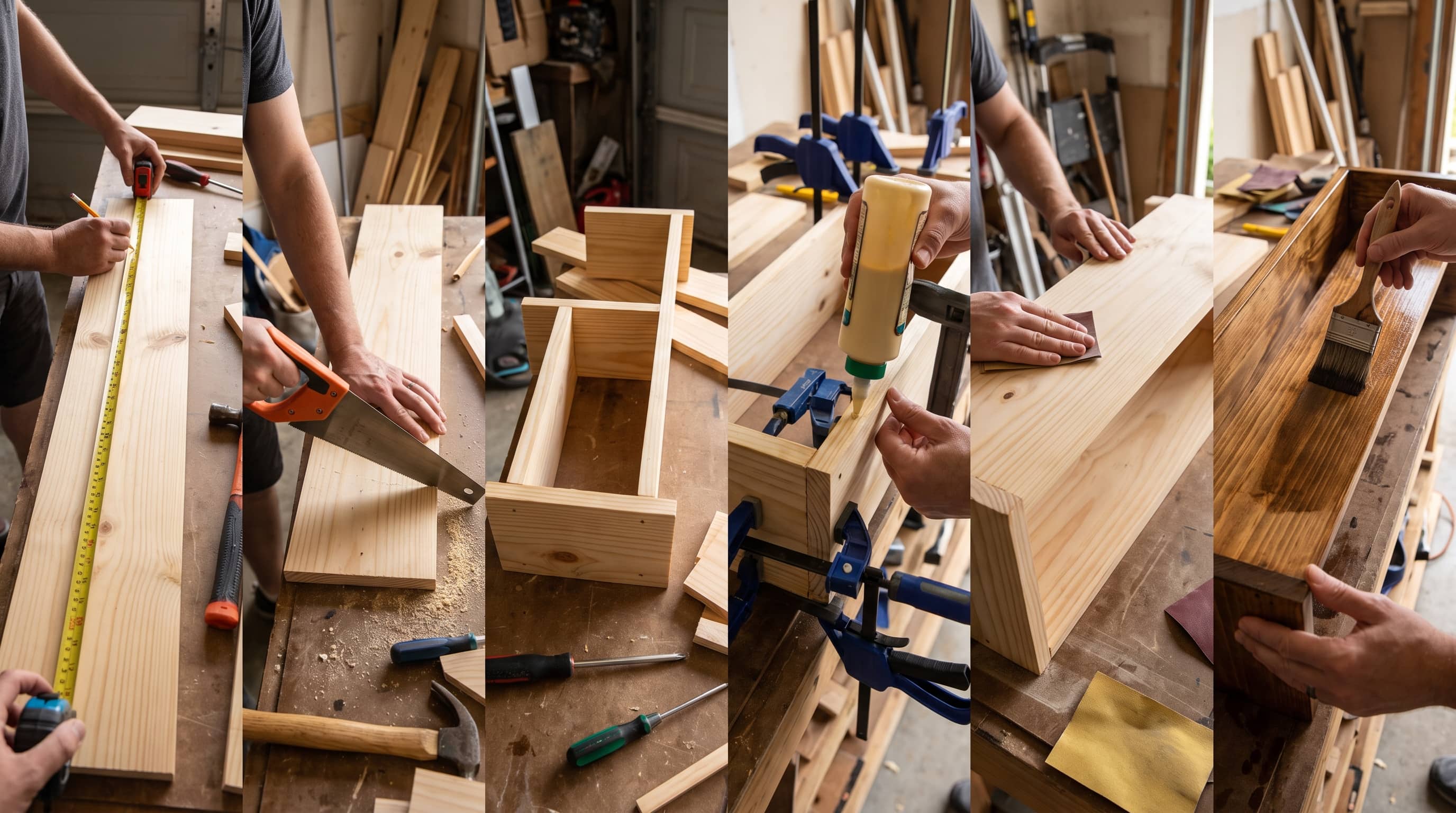
The easiest woodworking projects follow the same basic process. Once you understand this workflow, you can apply it to almost any beginner build.
- Measure and Mark: Accurate measurements are the foundation of every woodworking project. Mark your cutting lines clearly and check your measurements before making any cuts.
- Cut Your Pieces: Take your time when cutting wood. A slower, controlled cut is usually cleaner than rushing through the process.
- Dry-Fit Before Assembly: Place your pieces together before adding glue or screws. Dry-fitting helps you find gaps, incorrect measurements, or alignment problems.
- Glue and Clamp: Apply wood glue evenly, then secure the pieces with clamps as they dry. Do not rush this stage. Strong joints need enough time for the glue to set properly.
- Sand Smooth: Start with rough sandpaper to remove uneven areas, then move toward finer grits for a smoother surface. Always sand with the direction of the wood grain to create a cleaner finish.
- Add a Finish: The final finish protects the wood and improves its appearance. Use wood stain for deeper color, paint for customization, mineral oil for food-safe items, or protective coatings for outdoor projects.
Safety Tips Every Beginner Should Follow
Good habits protect your hands, eyes, and lungs from day one.
- Wear Eye Protection: Wood chips and small particles can move unexpectedly during cutting and sanding. Safety glasses help protect your eyes from injuries.
- Use a Dust Mask: Fine wood dust created during sanding can irritate your lungs. A dust mask helps reduce exposure.
- Clamp Your Work: A secured board is easier and safer to cut. Clamps prevent movement and help create cleaner results.
- Cut Carefully: Keep your hands away from blade paths and focus on controlled movements rather than speed.
- Keep Your Workspace Clean: A tidy work area reduces trips, slips, and misplaced tools.
- Disconnect Power Tools When Changing Parts: Unplug tools before changing blades, bits, or attachments to prevent accidental starts.
For additional woodworking safety guidance, the Occupational Safety and Health Administration (OSHA) provides recommendations for safe equipment use and protective practices.
Frequently Asked Questions
What is the easiest woodworking project for a total beginner?
A cutting board, a simple shelf, or a picture frame is a good first project because each teaches important skills like measuring, cutting, sanding, and finishing.
Can I do woodworking without power tools?
Yes. Many beginner projects can be completed with basic hand tools like a saw, sandpaper, clamps, measuring tape, and wood glue.
What wood should a beginner start with?
Pine is usually the easiest option because it is affordable, easy to cut, and available at most home improvement stores. Poplar is another good choice.
How much does it cost to start woodworking?
You can begin with basic hand tools and inexpensive materials for less than $50. You can add power tools later as your projects become more advanced.
How long do easy woodworking projects take?
Small projects often take a few hours, while larger beginner furniture builds may require an entire weekend.
Final Thoughts on Starting Easy Woodworking Projects
Easy woodworking projects are a practical way to turn a simple interest into a useful skill. You do not need a large workshop, expensive equipment, or years of experience to make something worthwhile.
A few basic tools, affordable wood, and patience are enough to create your first projects.
Start with something simple like a cutting board, shelf, or organizer. Each finished piece teaches better measuring, cleaner cuts, and stronger building techniques.
Mistakes are part of improving. Every project gives you a chance to learn something new and build more confidence for the next one.
Choose a project that fits your current skill level, gather your materials, and start creating one piece at a time.