

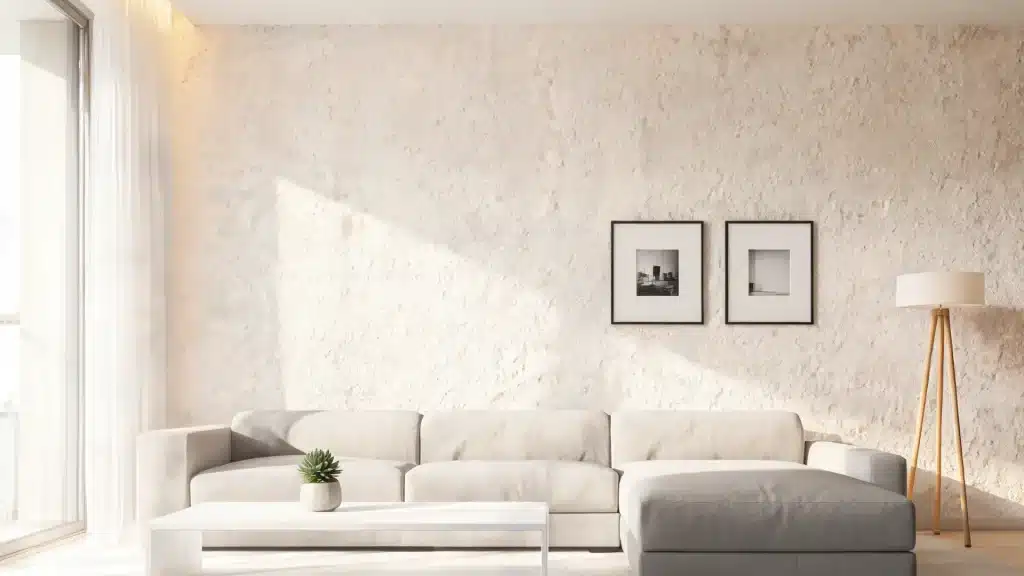


The first time I tried knockdown texture, I over-applied the joint compound and ended up with walls that looked like the surface of the moon.
Too thick. Too random. Wrong trowel angle. I sanded it back and started over, and the second attempt looked completely different. That experience is pretty much the story of every drywall texture project: the technique matters as much as the choice.
This guide covers the most popular modern drywall texture types, how each one behaves in a real room, which ones you can DIY in a weekend, and which ones you should leave to a pro.
| Pro Tip: Surface prep is the step that decides whether any texture looks good. Patch cracks, sand down ridges, and prime before you touch the joint compound. Skipping prep is the most common reason DIY texture jobs look amateurish. |
What Modern Drywall Textures Actually Do
Modern drywall textures are different from the heavy finishes that dominated homes in the 1980s and 90s. Popcorn ceilings, heavy slap brush, those styles used texture as a shortcut to hide bad drywall work.
The modern approach is the opposite: subtlety, intentional pattern, and compatibility with today’s interiors. The goal is a wall that adds visual interest without competing with the room’s furniture, lighting, or color palette.
Beyond aesthetics, texture is practical. It hides minor imperfections in the drywall, slight unevenness, small dents, tape lines, that smooth finishes expose immediately.
The right texture also affects how light behaves in the room. A light knockdown softens direct light and reduces glare; smooth walls reflect it cleanly and can feel stark in certain lighting.
If you’re also considering shiplap half-wall paneling as an alternative to texture on lower portions of a room, that’s a choice worth thinking through before you commit to texturing the full wall.
Before picking a texture, spend a few minutes observing how light moves through your room at different times of day. That single observation will narrow your options significantly.
Types of Drywall Textures
Modern drywall textures can completely change the look and feel of a room. Each style has its own visual appeal, maintenance needs, and ideal placement. Here’s a guide to the most popular textures and where they work best.
1. Knockdown
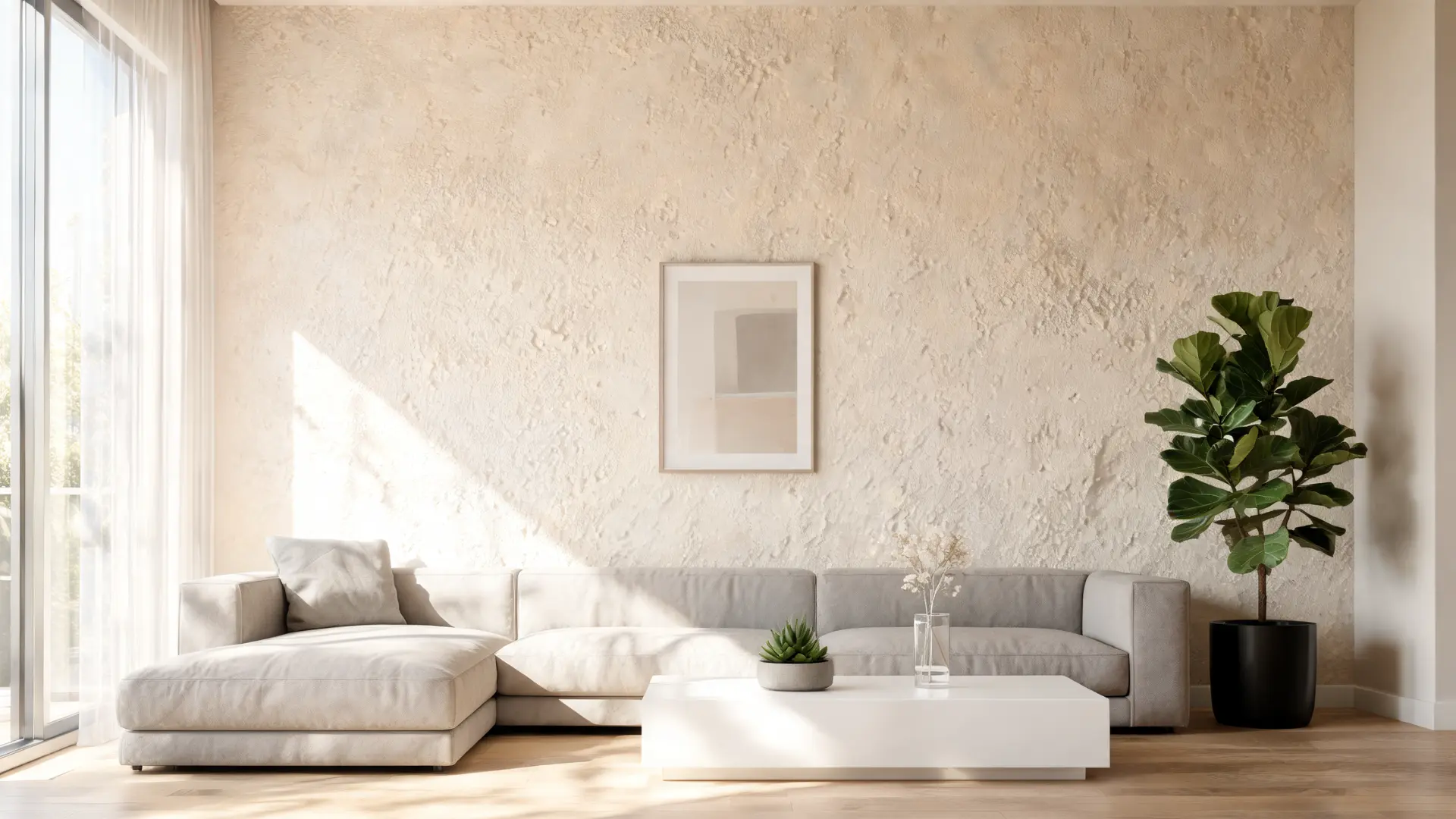
Knockdown is the texture I’d recommend most often for a DIYer who wants something that looks genuinely modern. You spray drywall mud onto the wall to create random peaks, then use a knockdown knife, a wide, flexible blade, to lightly skim across the surface and flatten the high points.
The result is a mottled, low-relief pattern that catches light at gentle angles and softens the look of a room without drawing attention to itself.
Best for: Living rooms, bedrooms, open-plan spaces
Avoid if: You want smooth, reflective walls in a minimalist space
2. Skip Trowel
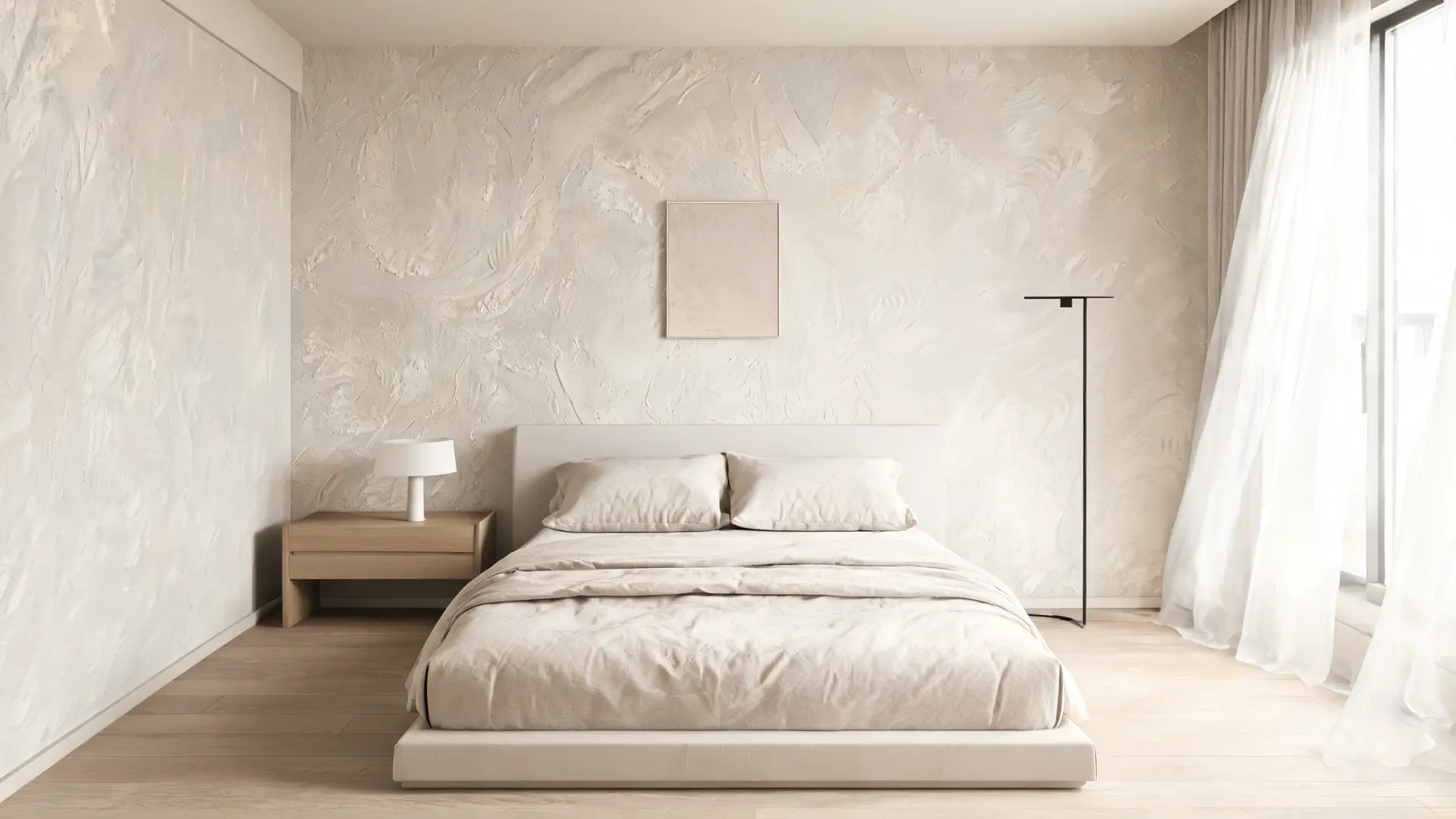
Skip trowel is hand-applied. You load a curved pool trowel with joint compound and drag it across the wall in arcing passes, intentionally leaving gaps where the base coat shows through. The result is an organic, slightly Mediterranean-feeling finish with soft depth and movement.
Getting consistent coverage by hand is harder than it sounds. The pattern tends to look better when it’s less uniform, but “controlled randomness” is a technique, not an accident.
Best for: Accent walls, bedrooms, transitional interiors
Avoid if: You’re working alone on a large wall and want to finish in a single session
3. Smooth / Imperfect Smooth
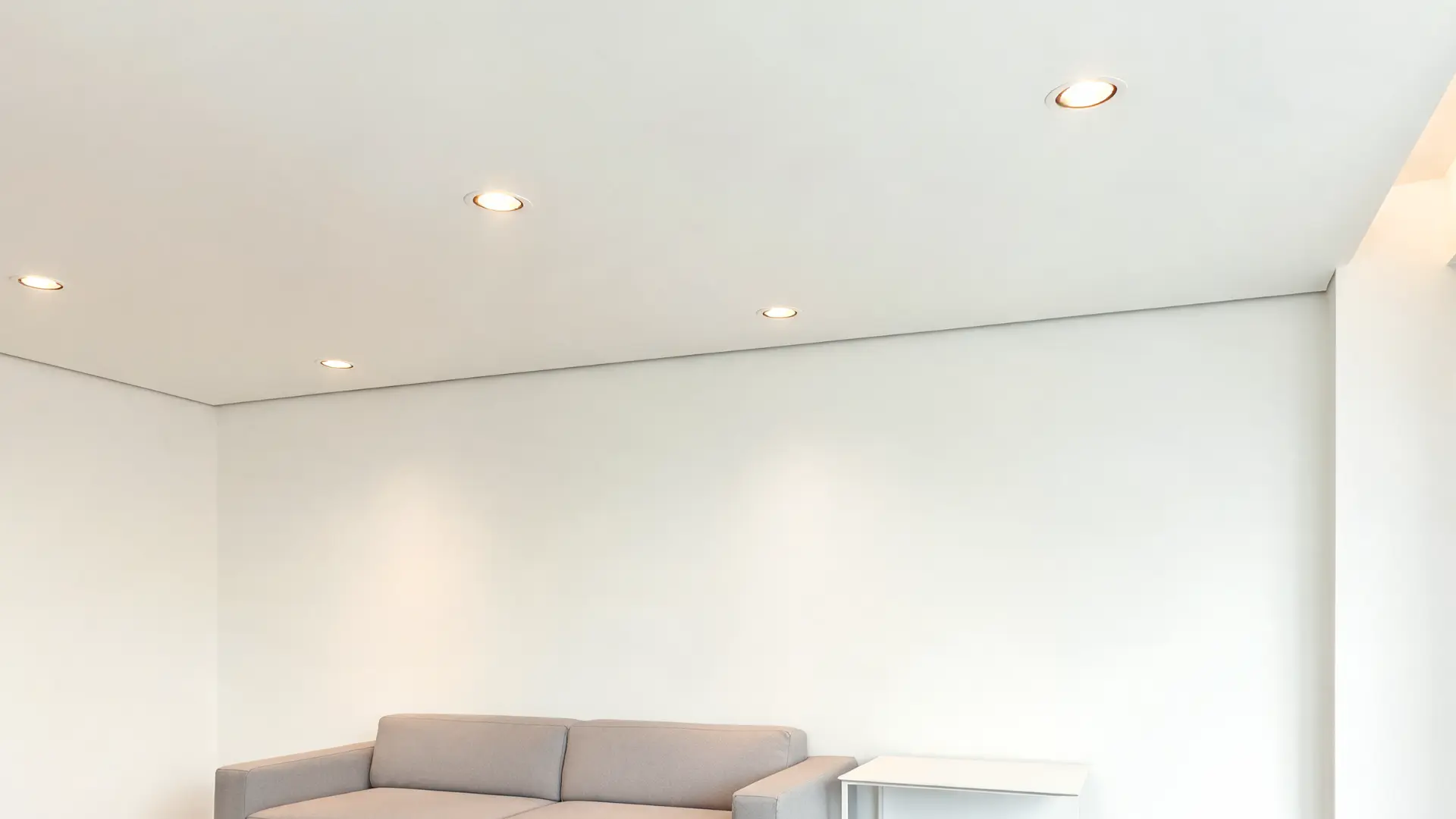
Smooth walls are the most demanding texture to execute well. A Level 5 finish, the standard for smooth drywall in high-end construction, requires skim-coating the entire surface with joint compound, sanding it flat, and repeating until every seam, fastener dimple, and surface variation is invisible.
The problem with smooth walls is that they show everything. Any imperfection in the underlying drywall, any bump or ridge, any roller texture from the primer, all of it shows under raking light.
Best for: Contemporary interiors, art walls, rooms with controlled lighting
Avoid if: Your drywall has significant flaws or you’re working under high natural light
4. Orange Peel
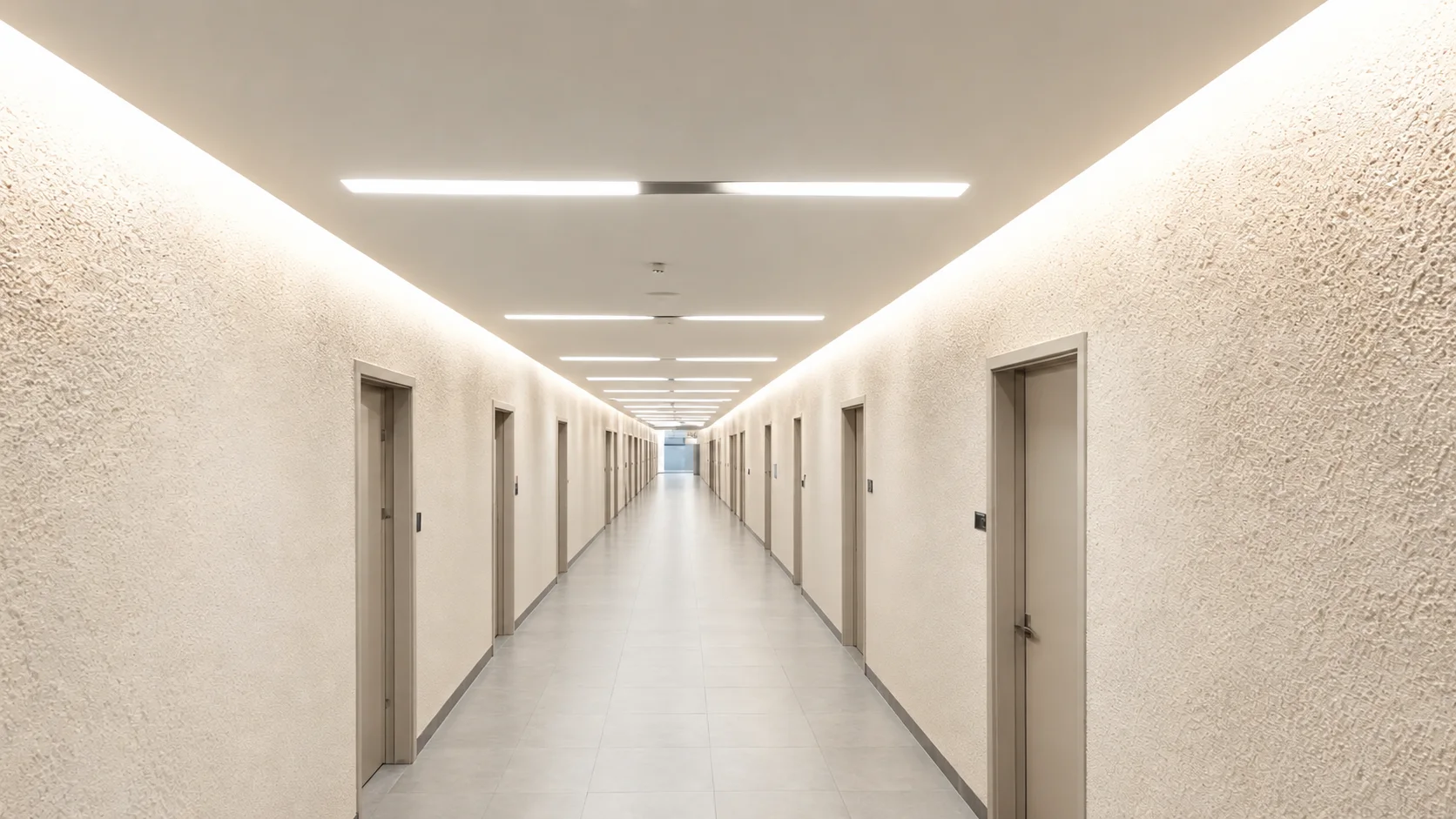
Orange peel is a beginner-friendly option. You apply joint compound through a hopper sprayer, which creates a fine, even mist that dries into small raised dots; the pattern genuinely resembles citrus skin. It is consistent and fast.
Orange peel is extremely common in new builds and rental properties because it’s forgiving, easy to touch up, and works on both walls and ceilings.
Best for: Ceilings, rentals, hallways, high-traffic walls
Avoid if: You want a contemporary, upscale finish in a main living area
5. Hawk and Trowel
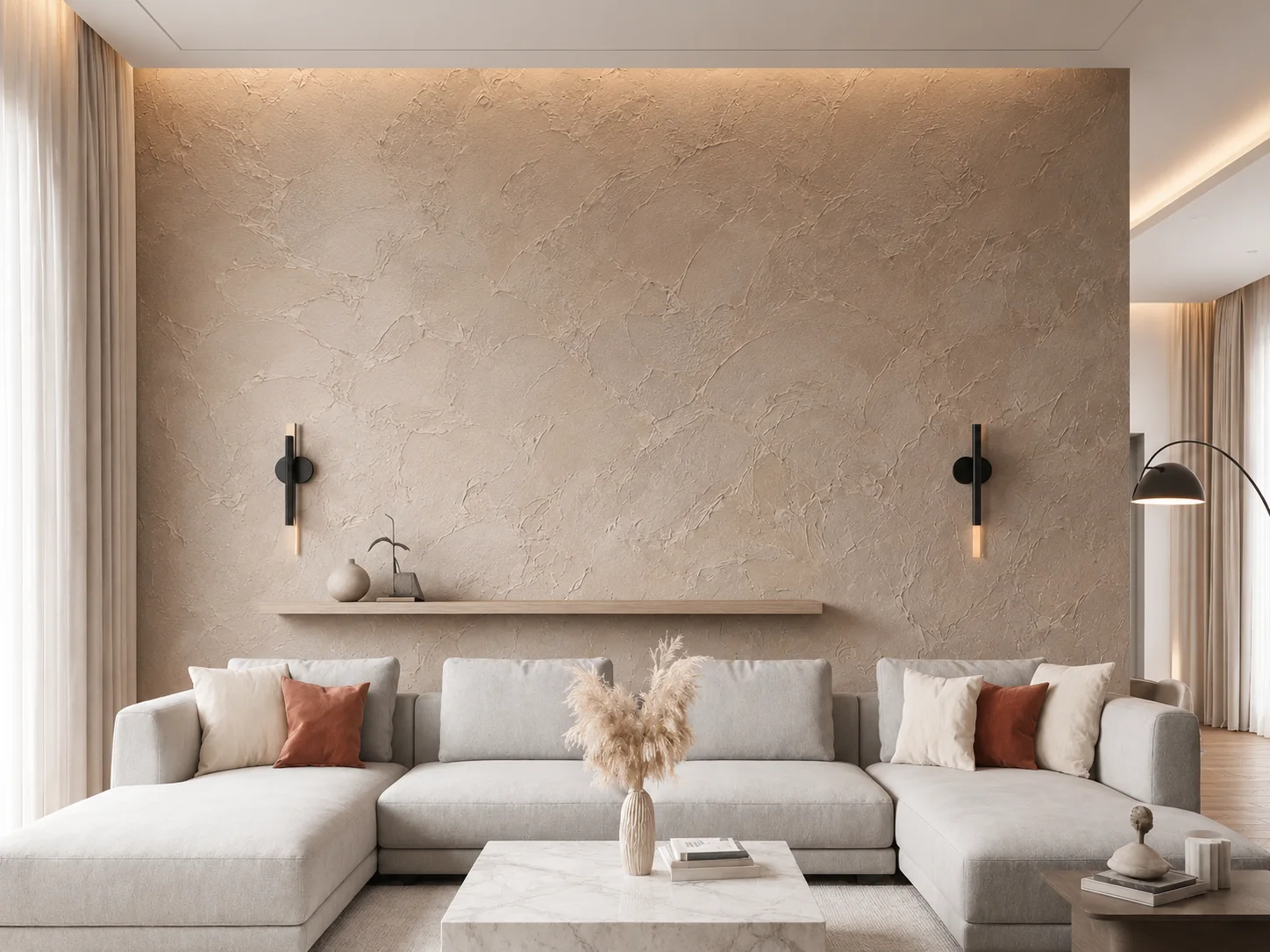
Hawk and trowel is a hand-applied finish using traditional plasterer’s tools, a flat hawk to carry compound and a flexible steel trowel to spread it.
Done well, it produces a fluid, layered finish with distinct trowel marks that add architectural interest. Done poorly, it looks uneven in all the wrong ways. This is a finish worth mastering if you’re going to do multiple rooms, but a poor return on practice time for a one-off project.
Best for: Polished modern spaces, feature walls, rooms with architectural intent
Avoid if: This is your first texture project
6. Spray Sand
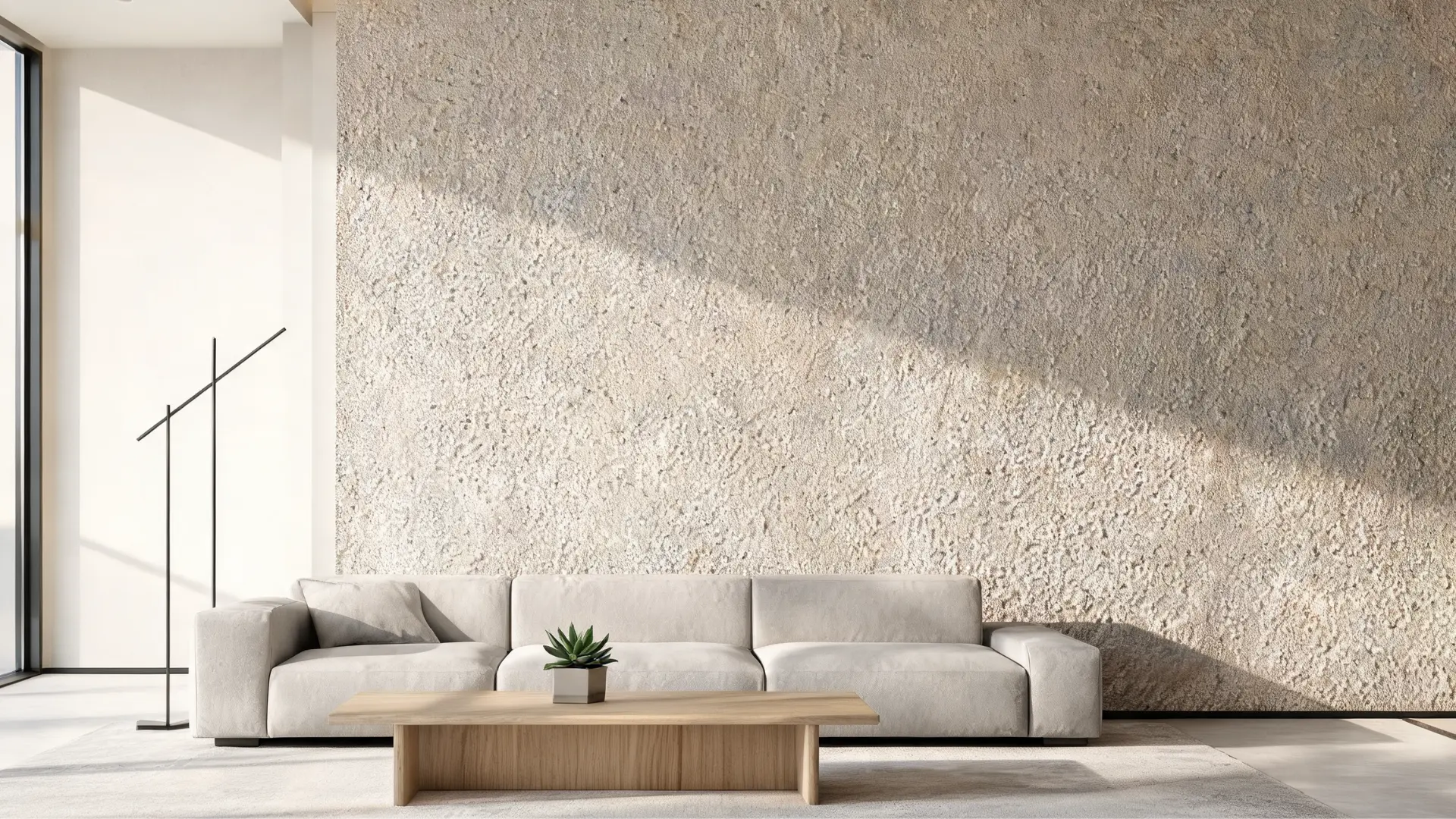
Spray sand adds fine sand particles to the joint compound before spraying, which creates a subtly gritty, tactile surface, something between orange peel and smooth. It’s also more durable than plain compound textures, which matters in rooms that see regular contact with walls.
The application is similar to orange peel but requires consistent mixing to keep the sand evenly distributed in the compound.
Best for: Living rooms, bedrooms, walls that need texture with grip
Avoid if: You want a smooth, flat reading wall surface
7. Slap Brush
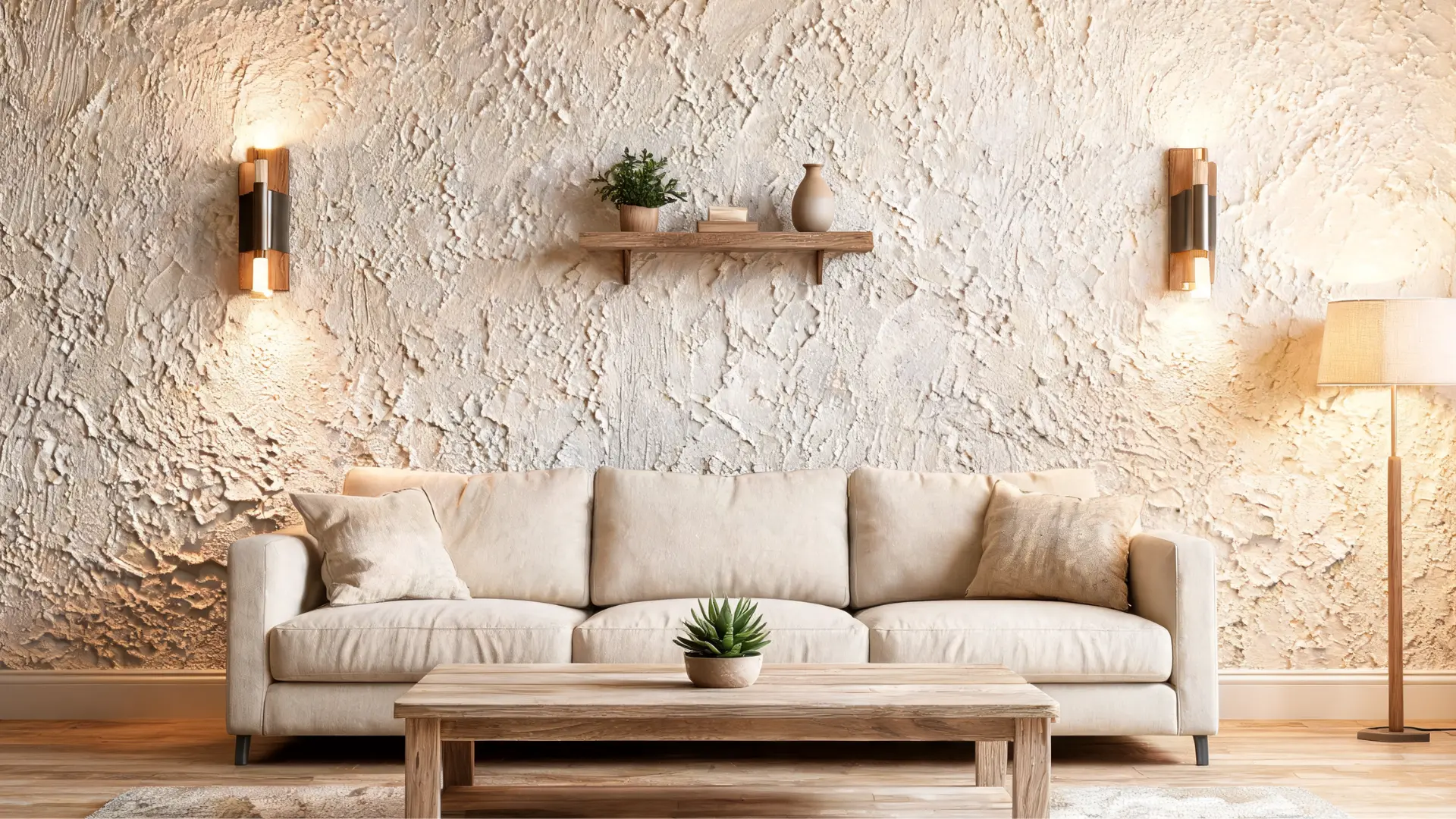
The modern application consists of a looser, lighter pattern achieved by lightly flicking a stiff brush across wet compound. Done with a gentle touch, it creates a hand-crafted texture that works in casual or transitional spaces without looking dated.
It’s genuinely one of the easier textures to DIY because the pattern’s variation is part of the look. Heavy coverage in one area and lighter coverage in another reads as intentional.
Best for: Feature walls, casual spaces, ceilings in transitional rooms
Avoid if: The room has a polished, contemporary design language
8. Brush Stipple
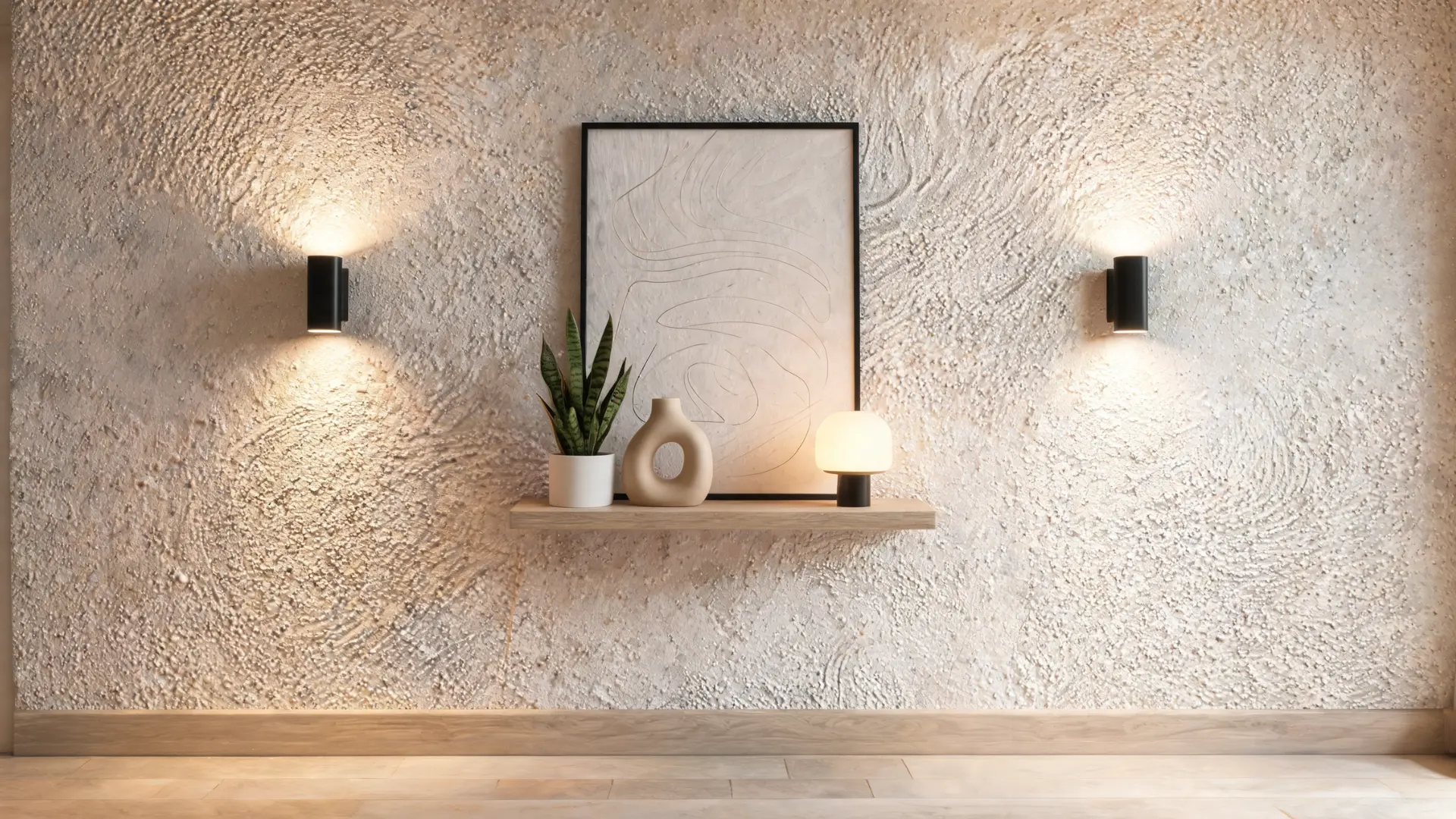
Comb and stipple textures are made by dragging a wide-tooth comb or a stiff-bristle brush through wet compound in straight, curved, or crosshatch patterns.
They’re completely customizable and work as purely decorative finishes on accent walls or ceilings in rooms where you want visible craft. The downside is that they’re harder to repair, matching a specific stipple or comb pattern after the original application is genuinely difficult.
Best for: Accent walls, creative spaces, single-room features
Avoid if: You anticipate needing to patch the wall later
9. Faux Finish
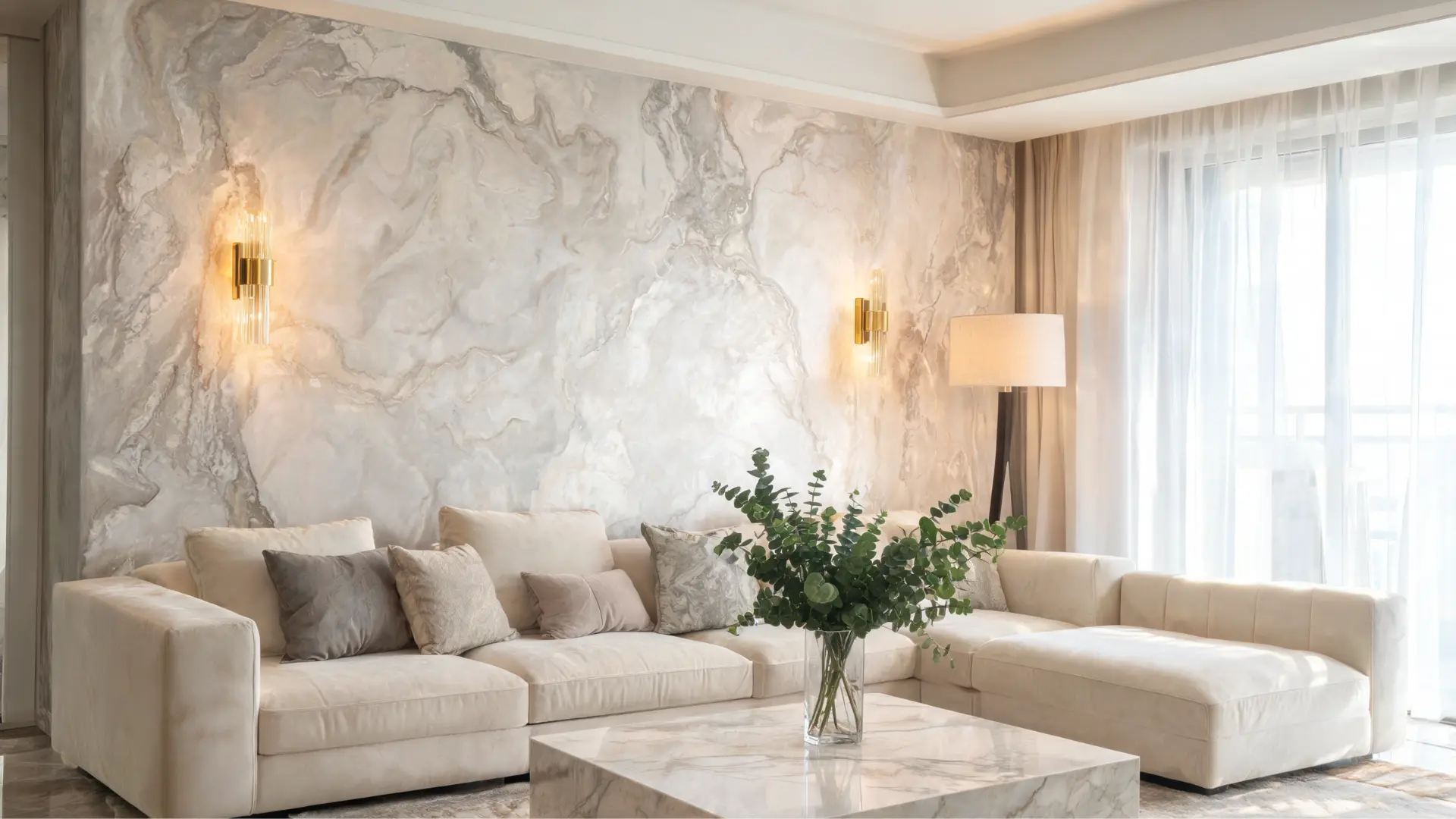
Venetian plaster is layered, troweled, and burnished to create a marble-like depth and sheen. It’s genuinely beautiful, but it’s also genuinely difficult.
The multi-coat process requires both patience and technique. Burnishing the final coat to bring up the sheen takes the right tool (a steel trowel) and the right timing.
Too early and you smear the compound; too late and you can’t move it at all. For most homeowners, this is a professional-only finish; budget $6 to $12 per square foot for professional application.
Best for: Feature walls, dining rooms, premium interiors
Avoid if: You’re DIYing and haven’t practiced on full boards first
10. SlapRoller
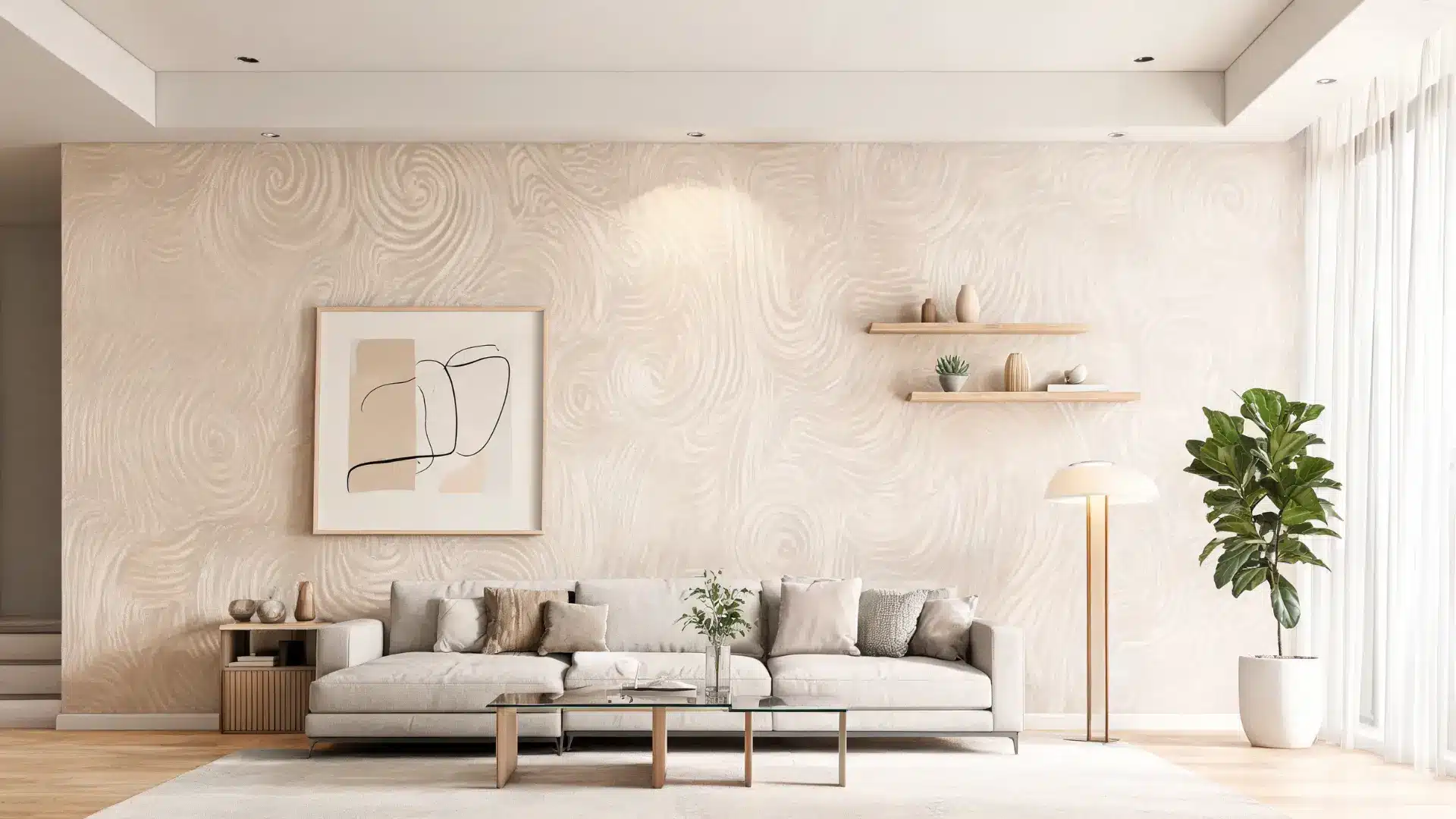
For textured paint rollers, rollers with a raised nap pattern you apply a thickened compound or textured paint and roll it onto the wall like regular paint.
The pattern is consistent and uniform, and covers large walls quickly with minimal skill. There are dozens of nap patterns available; the deeper the nap, the more pronounced the texture.
Roller texture works best in large, casual rooms where speed matters and subtlety is enough. It’s not the right choice for anywhere that needs a refined or architecturally considered finish.
Best for: Large walls, basement rooms, DIY-first projects
Avoid if: You want a finish that looks professionally applied
11. Texture Spray
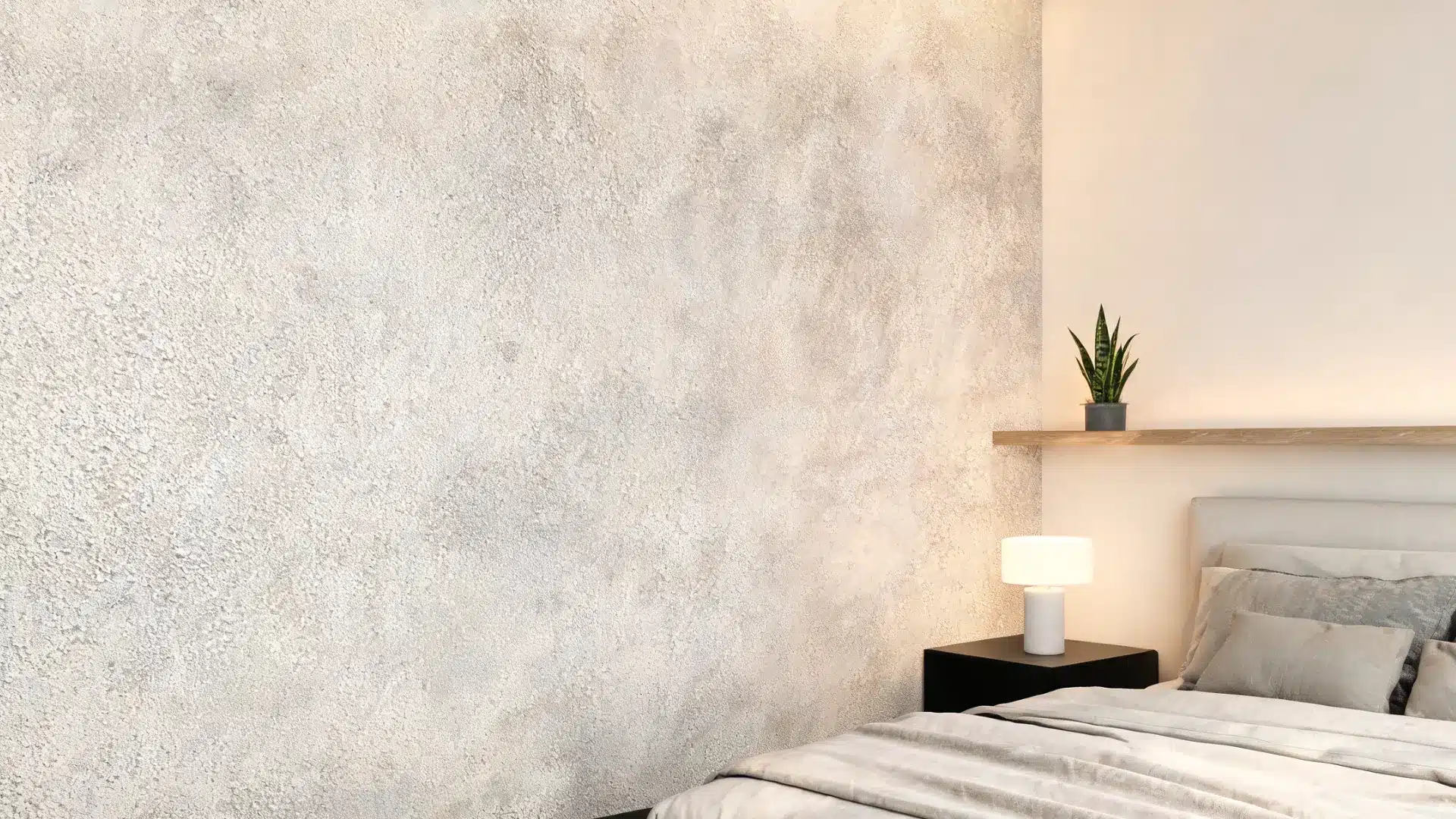
Spray knockdown is a close relative of standard knockdown. It’s one of the faster textures to apply to large surfaces like ceilings, where it’s used most.
The spray equipment does the coverage work; you just need to time the knocking-down correctly, too early, and you smear; too late, and the peaks are already dry.
Getting that timing window right takes one practice run, but once you’ve found it, the technique is consistent. Spray knockdown patches better than almost any other texture because the organic pattern absorbs minor variation without looking repaired.
Best for: Ceilings, large living spaces, transitional rooms
Avoid if: You want a heavier, more visually distinct texture with more depth
Installation & Maintenance Tips
Choosing the right drywall texture is only half the job. Understanding how to install and maintain each finish ensures your walls stay stylish, functional, and long-lasting. Here are key tips to make installation and upkeep easier:
- DIY Friendly Options: Textures like smooth, light knockdown, and soft skip trowel are ideal for beginners. They require minimal specialized tools and allow you to achieve a modern look without professional help, saving time and installation costs.
- Professional Application Recommended: Complex textures such as Venetian, sand swirl, hawk and trowel, and detailed skip trowel usually need skilled installers. These finishes require precise technique and experience to achieve a consistent and polished appearance.
- Repair Ease: Some textures are simpler to patch than others. Knockdown and orange peel allow quick touch ups, while smooth walls and intricate textures require careful joint preparation, blending, and finishing to maintain a smooth look.
- Maintenance Tips: Keep textured walls clean by dusting or gently washing with a damp cloth. Smooth walls are easiest to repaint, but most modern textures can be refreshed with light sanding and a new coat of paint when needed.
- Tools & Materials: Each texture requires specific materials. Commonly used items include joint compound, trowels, knockdown knives, brushes, or spray equipment. Choosing the right tool ensures an even application and prevents uneven or inconsistent finishes.
- Room Specific Advice: Consider the function of the room when selecting a texture. High traffic areas benefit from durable finishes; ceilings may need subtle textures, and feature walls can accommodate more decorative styles for visual impact.
For a fresh look, I stick with trending textures like hawk and trowel and light knockdown. Heavy popcorn and slap brush feel outdated to me. Subtle patterns complement neutral colors, while deeper textures add character to feature walls and hide small flaw.
Pros and Cons of Modern Drywall Textures
Knowing the advantages and drawbacks of each texture makes choosing the right finish much easier. This table compares style, maintenance, and suitability, so you can quickly see which textures work best for your home.
| Texture Type | Pros | Cons |
|---|---|---|
| Knockdown | Subtle, hides imperfections, easy to repair | Slightly harder to DIY |
| Skip Trowel | Adds depth, forgiving for wall flaws | Requires skill for even application |
| Smooth / Imperfect Smooth | Sleek, easy to paint, low maintenance | Shows imperfections easily |
| Orange Peel | Durable, hides flaws, easy touch ups | Can feel dated if overused |
| Hawk & Trowel / Sand Swirl / Venetian | Unique, customizable, artistic | Time intensive, professional needed |
Selecting the right texture balances aesthetics, durability, and ease of upkeep. This table helps you make a confident choice, whether you’re refreshing a living room, accent wall, or high traffic area.
Common Mistakes to Avoid
Even small errors can make a modern drywall texture look off or create maintenance headaches. Here are the mistakes I see most often and how you can avoid them.
- Choosing the wrong texture for the room: Some textures work better in specific areas. For example, heavy or intricate finishes can overwhelm small rooms, while smooth or light knockdown is better for high-traffic or compact spaces.
- Skipping surface prep: Uneven walls, cracks, or old paint can show through textures. Always patch imperfections, sand, and prime before applying any finish. If you’re new to DIY wall work in general, starting with a simpler weekend home improvement project before tackling texture will save you a lot of frustration.
- Ignoring maintenance needs: Certain textures trap dust or are harder to clean. Know how much upkeep each finish requires before committing.
- Over applying texture: Applying too much compound can create unwanted peaks, uneven patterns, or cracking. Less is often more with modern finishes.
- Mismatching style and décor: A rustic texture on a sleek, modern wall can feel out of place. Consider your room’s overall style and lighting before picking a texture.
- DIY without proper tools or technique: Some textures, like skip trowel or Venetian, require skill and specialized tools. Attempting these without experience can lead to inconsistent results.
Frequently Asked Questions
What is the most popular drywall texture in modern homes?
Knockdown is the most widely used modern texture in US homes, followed closely by orange peel. Knockdown tends to be the preference in living areas and bedrooms; orange peel dominates ceilings and rental properties. Smooth walls (Level 5) are increasingly popular in new high-end builds.
What drywall texture is easiest to DIY?
Orange peel and roller texture are the most beginner-friendly options. Both are forgiving of minor inconsistencies and don’t require specialized hand skills. Orange peel needs a hopper sprayer but the technique is straightforward. Roller texture requires nothing beyond a textured nap roller.
Which texture hides wall imperfections best?
Skip trowel and hawk-and-trowel hide the most surface variation because their organic, layered patterns provide the most visual camouflage. Slap brush also covers well. Smooth finishes hide nothing, they actually make minor imperfections more visible, especially under natural light.
Can I apply a new texture over existing smooth drywall?
Yes, light knockdown, skip trowel, and orange peel all apply cleanly over smooth painted drywall. Scuff-sand the surface lightly, apply a bonding primer, and then texture. Don’t attempt this over peeling paint or loose compound; fix those first or the texture won’t bond.
What drywall texture works best in a bathroom?
Smooth or light knockdown is the most practical for bathrooms. They resist moisture buildup better than heavy textures and clean more easily. Venetian plaster also works in bathrooms because it’s applied in dense, sealed layers, but it’s a significant investment. Avoid skip trowel and slap brush in high-humidity rooms.
How long does drywall texture take to dry before painting?
Standard joint compound textures need at least 24 hours to dry before priming or painting. Thicker applications, hawk and trowel, multi-coat skip trowel, can take 48 hours. Don’t rush this. Painting over wet compound causes trapped moisture, cracking, and adhesion failure.
Is drywall texture going out of style?
Heavy textures like popcorn and full slap brush are dated. Subtle modern textures, light knockdown, skip trowel, and smooth are very much current. The trend in 2025 and 2026 is toward refined, low-profile finishes rather than no texture at all. Completely smooth walls remain a design choice, not a universal default.
Final Verdict
If you’re doing this yourself for the first time, start with knockdown. It’s forgiving, it repairs easily, and it works in almost every room in a modern home.
If your priority is the cleanest contemporary look and you’re willing to hire out the work, Level 5 smooth is where to go, but only if your drywall substrate is solid enough to support it.
For an accent wall where you want the texture to be part of the room’s design, skip trowel gives you the most character for a DIY project.
Pick one texture, practice on a scrap board first, and get the compound consistency right before you touch the wall. That’s the difference between a finish that looks intentional and one you end up painting over.