

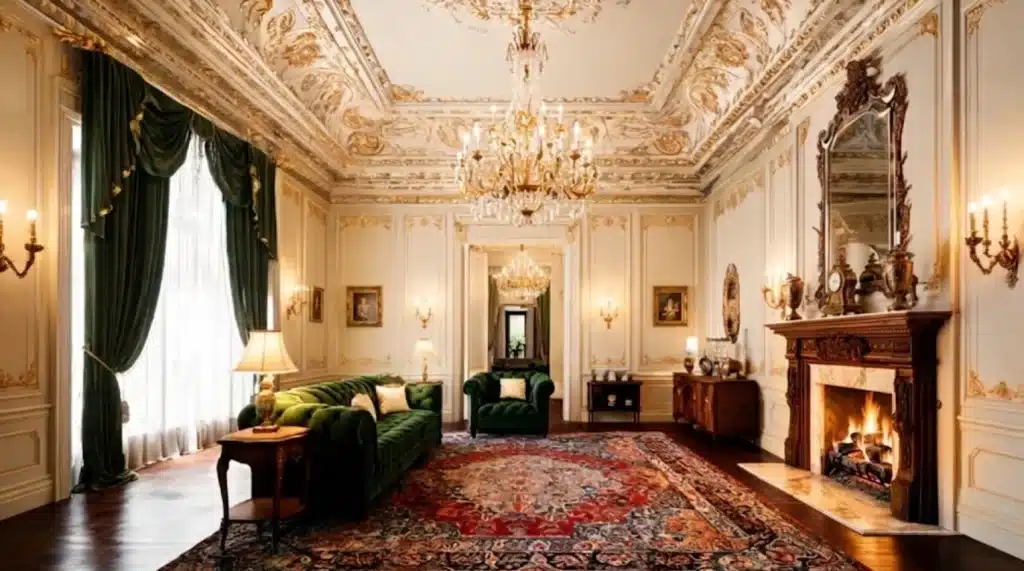


Ever walked into a room and felt like it belonged to another era? I know the feeling; it’s frustrating when you want your home to feel classy and royal but end up stuck with mismatched furniture or bland walls.
A Victorian house interior can solve that by blending heritage appeal with modern functionality. I’ve gathered practical ideas you can use to bring warmth, texture, and character into every room.
You’ll see how to layer fabrics, choose complementary colors, and highlight architectural details so your space feels enduring yet livable.
Understanding Victorian Interior Design
The Victorian era, spanning 1837–1901, was a period of rapid industrial innovation and cultural refinement. Homes from this time reflected both personal taste and social status, with ornate details, handcrafted furniture, and intricate wallpapers that showcased exceptional craftsmanship.
Each room was designed to impress and tell a story, blending functionality with artistry. Signature architectural elements such as high ceilings, bay windows, decorative cornices, wainscoting, and fireplaces form the foundation of a Victorian interior.
These features create a sense of grandeur and set the tone for the overall design.
They also provide structure for layering furniture, textiles, and decorative accents. If you live in a mansion or a smaller historic home, understanding these core elements helps you bring authentic period character into your space.
Victorian Color Palettes and Materials
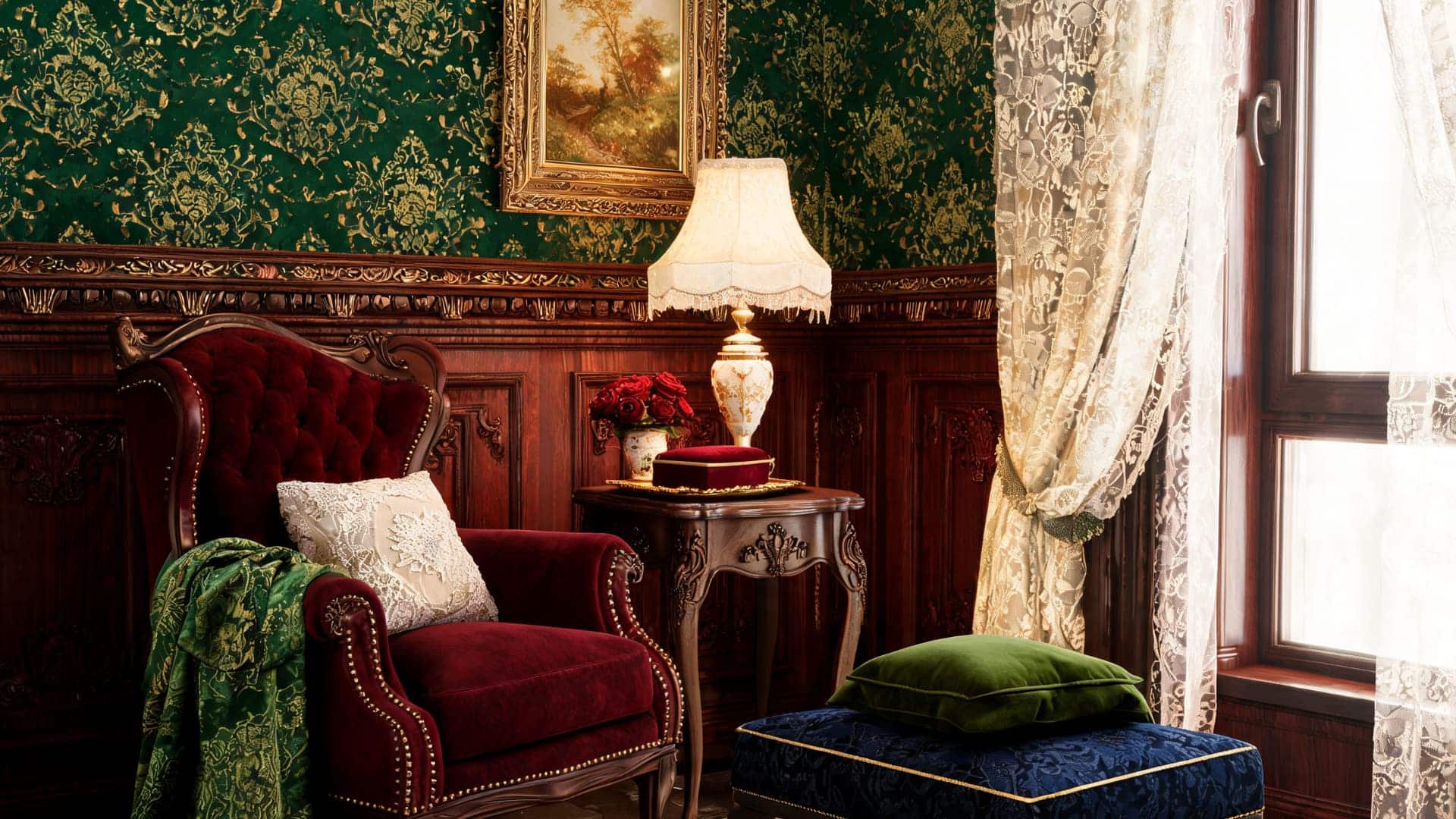
Choosing the right colors, textiles, and wall treatments is key to capturing the rich, layered look of a Victorian house interior. Jewel tones, luxurious fabrics, and patterned walls create a sense of depth and elegance while allowing you to highlight architectural features and furniture. A deep jewel-toned green paint is a reliable way to anchor a feature wall without committing the whole room.
| Category | Details | Tips |
|---|---|---|
| Jewel-Toned Schemes | Deep, saturated hues like emerald green, burgundy, navy blue, and gold | Use for feature walls, accent furniture, or statement pieces to add warmth and drama |
| Textiles and Furniture | Velvet, brocade, damask, lace; dark woods like mahogany and walnut | Layer fabrics on upholstery, curtains, and cushions to create richness and texture |
| Wallpaper and Wall Treatments | Floral, damask, and toile patterns | Consider an accent wall or full-room coverage, depending on the desired |
By thoughtfully combining these colors, fabrics, and wall treatments, you can craft a Victorian interior that feels luxurious, inviting, and authentic to the era while remaining functional for modern living.
Room-by-Room Victorian Styling
Layered lighting, color coordination, and clever use of architectural features allow you to maintain a lived-in feel while highlighting the distinctive characteristics of the Victorian era.
1. Entryways & Hallways
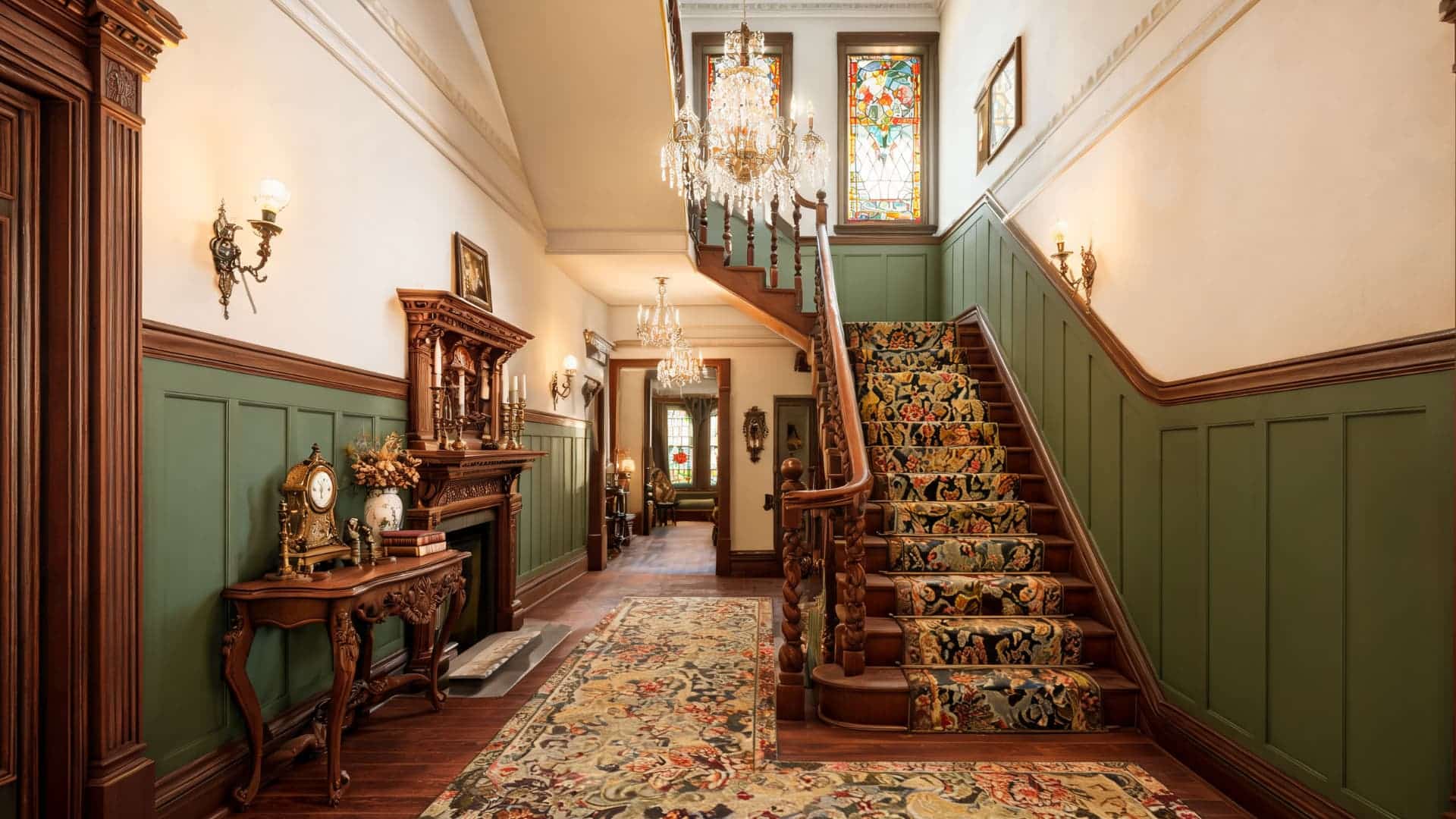
Victorian entryways set the tone for your entire home. Highlight staircases, mantels, or stained-glass windows as visual focal points to draw attention to the era’s craftsmanship.
Layered lighting, including pendant lights, wall sconces, or antique-inspired fixtures, ensures these spaces feel inviting and well-lit, enhancing the architectural details. Paint balustrades or dado rails in complementary or contrasting colors to define space and add visual interest.
Consider adding a small runner rug with intricate patterns to guide guests’ eyes through the hallway, and incorporate a console table with curated accents to create warmth and personality as soon as they enter.
2. Living Rooms
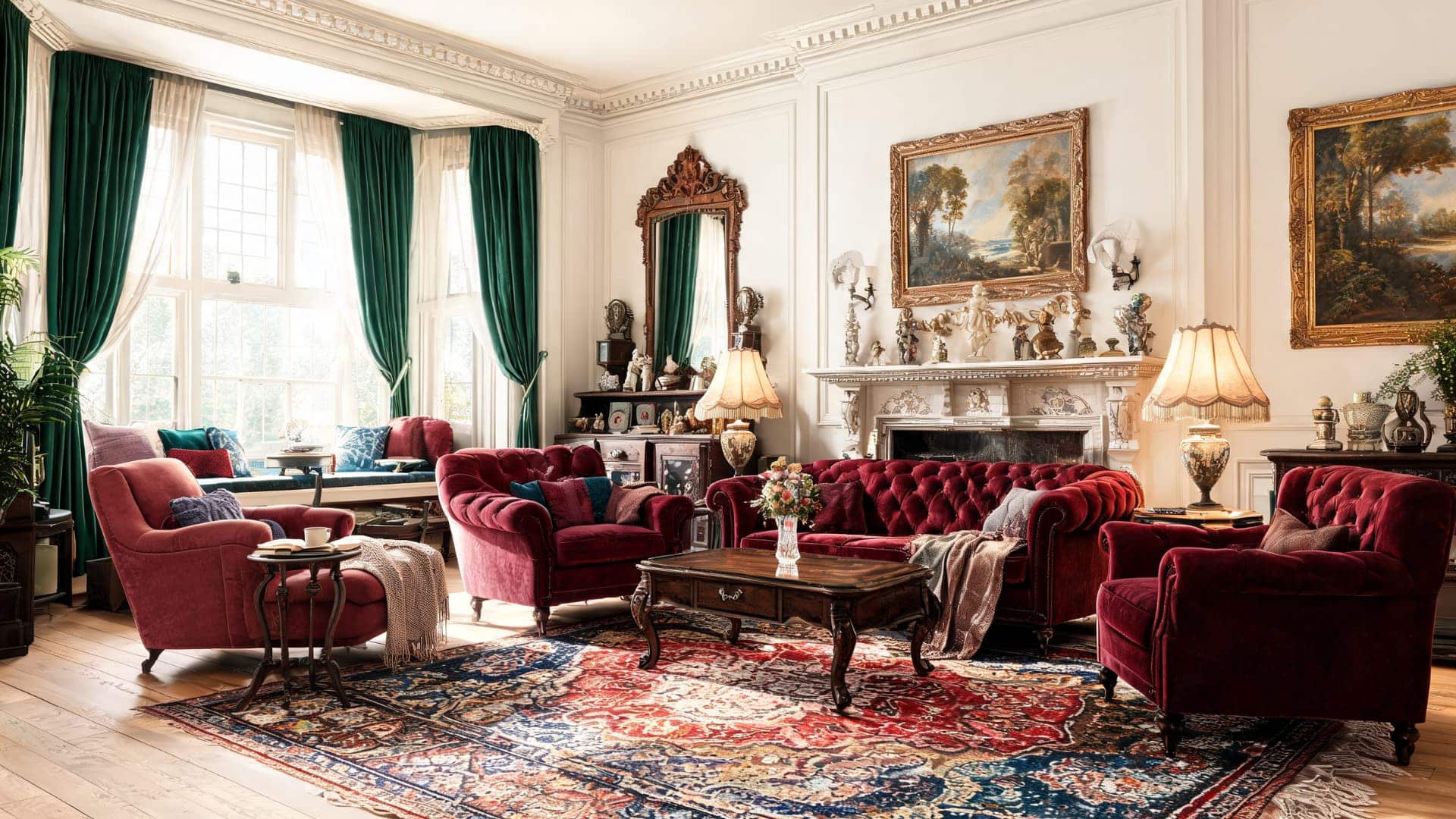
Victorian living rooms combine elegance with comfort through carefully layered furniture and textiles. Use tufted settees, velvet armchairs, and clawfoot tables to anchor the space and create conversation areas.
Layer Persian rugs, drapes, and fringed lampshades to add richness and texture. Statement art, mirrors, and antique collectibles enhance visual interest while reflecting personal style.
Balance ornate pieces with simpler, modern items to prevent overcrowding, and consider window seating or a small reading nook to make the most of natural light.
Accessories like decorative pillows or throws can introduce color contrasts and patterns that bring the room together cohesively.
3. Bedrooms
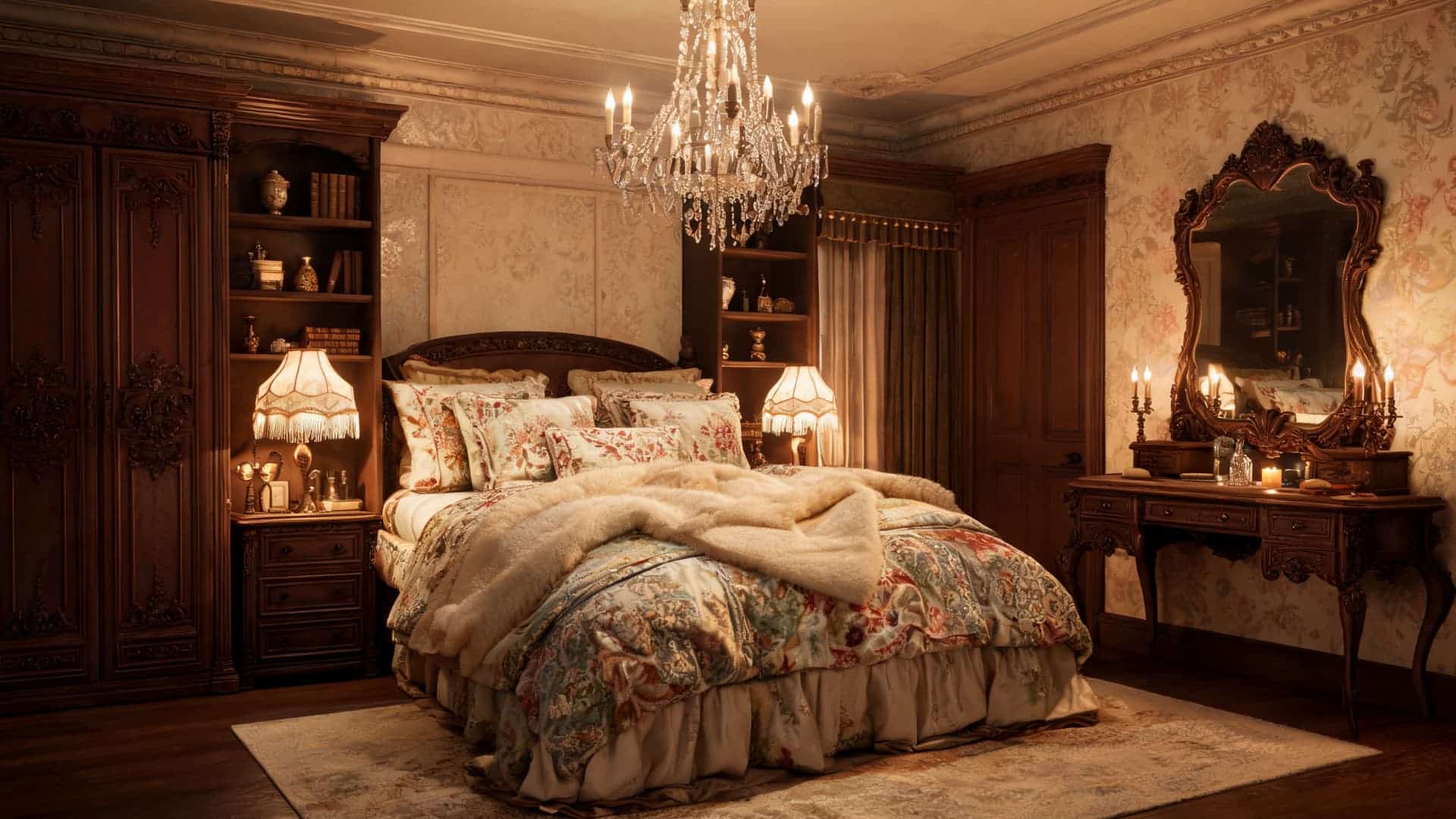
Victorian bedrooms are intimate retreats designed to feel both luxurious and personal. Layer quilts, embroidered pillows, and plush throws on beds to create a cozy yet sophisticated look.
Custom built-in wardrobes and alcove storage allow you to maintain functionality without sacrificing style. Consider incorporating period-appropriate lighting, such as bedside lamps with fringed shades or an overhead chandelier, to add ambiance.
Adding small decorative details, such as an ornate mirror or a vintage dressing table, completes the look while keeping the room inviting and comfortable for daily living.
4. Kitchens
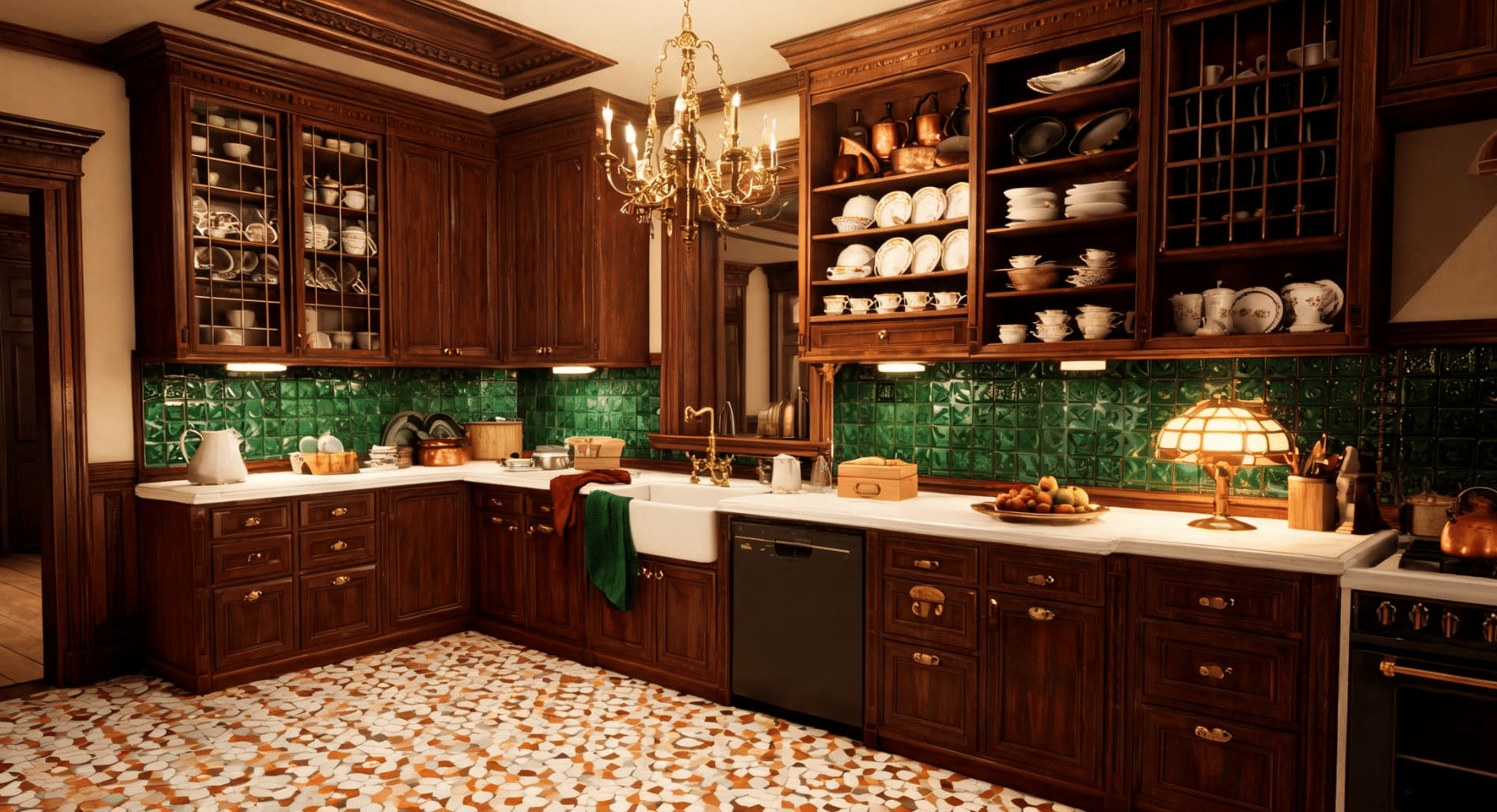
Kitchens in Victorian homes balance elegance with functionality. Shaker-style or paneled cabinetry with brass or bronze hardware creates period-authentic charm, while parquet, mosaic, or tiled flooring adds texture, color, and visual interest.
Layered lighting plays a key role, combining overhead fixtures with task lighting to brighten work areas while highlighting cabinetry and decorative elements. Open shelving or glass-front cabinets allow you to display fine china or vintage cookware.
By carefully planning layout and storage, you can maintain a kitchen that feels spacious, luxurious, and historically inspired, without sacrificing modern usability.
5. Bathrooms
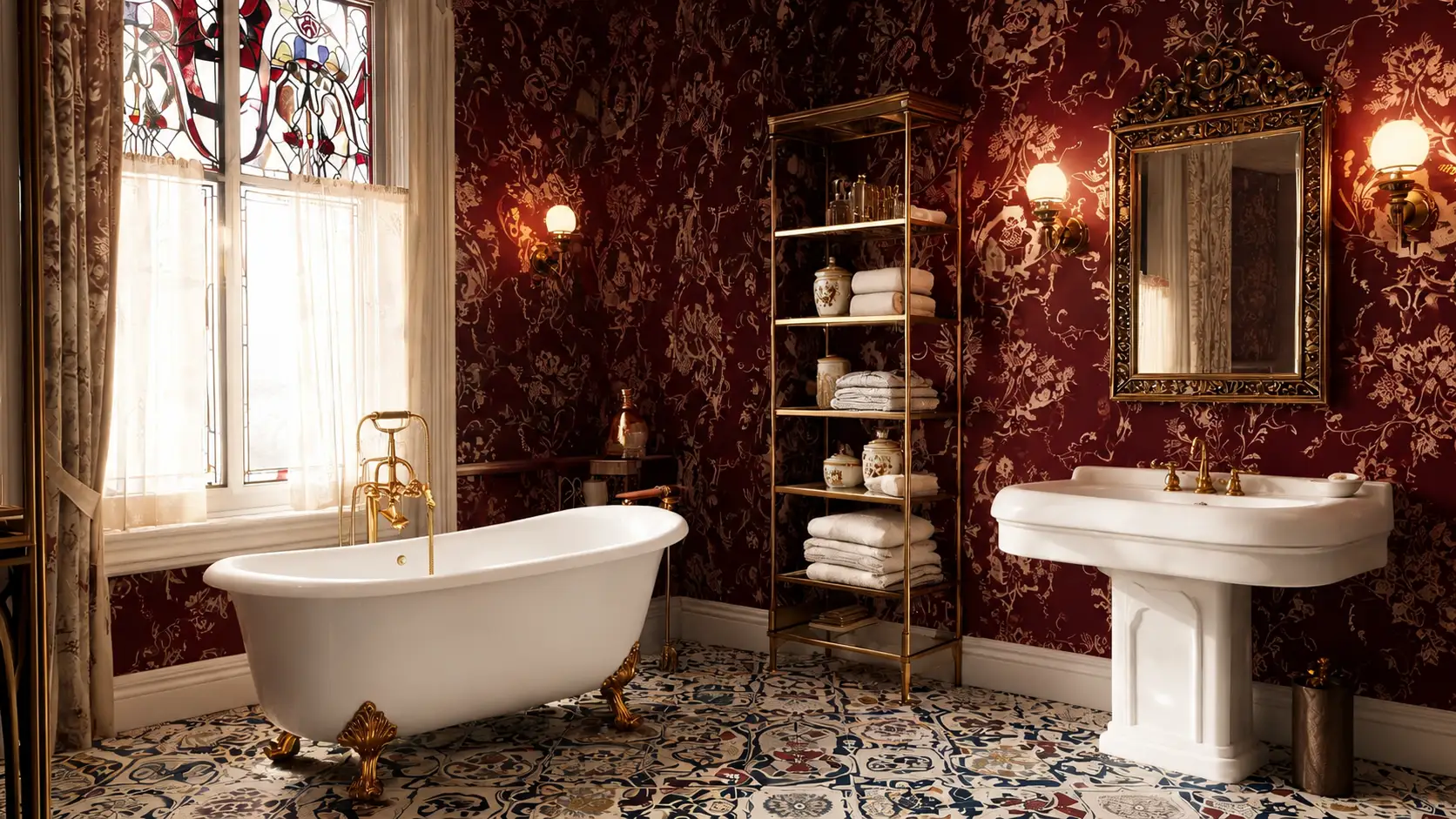
Victorian bathrooms are designed to feel luxurious while remaining functional. Freestanding clawfoot tubs, bold backsplash tiles, or statement sinks serve as focal points, bringing both style and elegance to the space.
Walls and floors often feature intricate patterns or rich jewel tones, adding visual depth and period authenticity. Vintage-inspired fixtures, such as brass taps, ornate mirrors, and sconces, enhance the historic character while meeting modern needs.
If the room is on the smaller side, some small bathroom paint colors can keep the space feeling open even with a deep, patterned floor. Open shelving, built-in cabinets, or glass-front units provide practical storage and an opportunity to display decorative towels, toiletries, or collectibles.
6. Small Spaces Adaptations
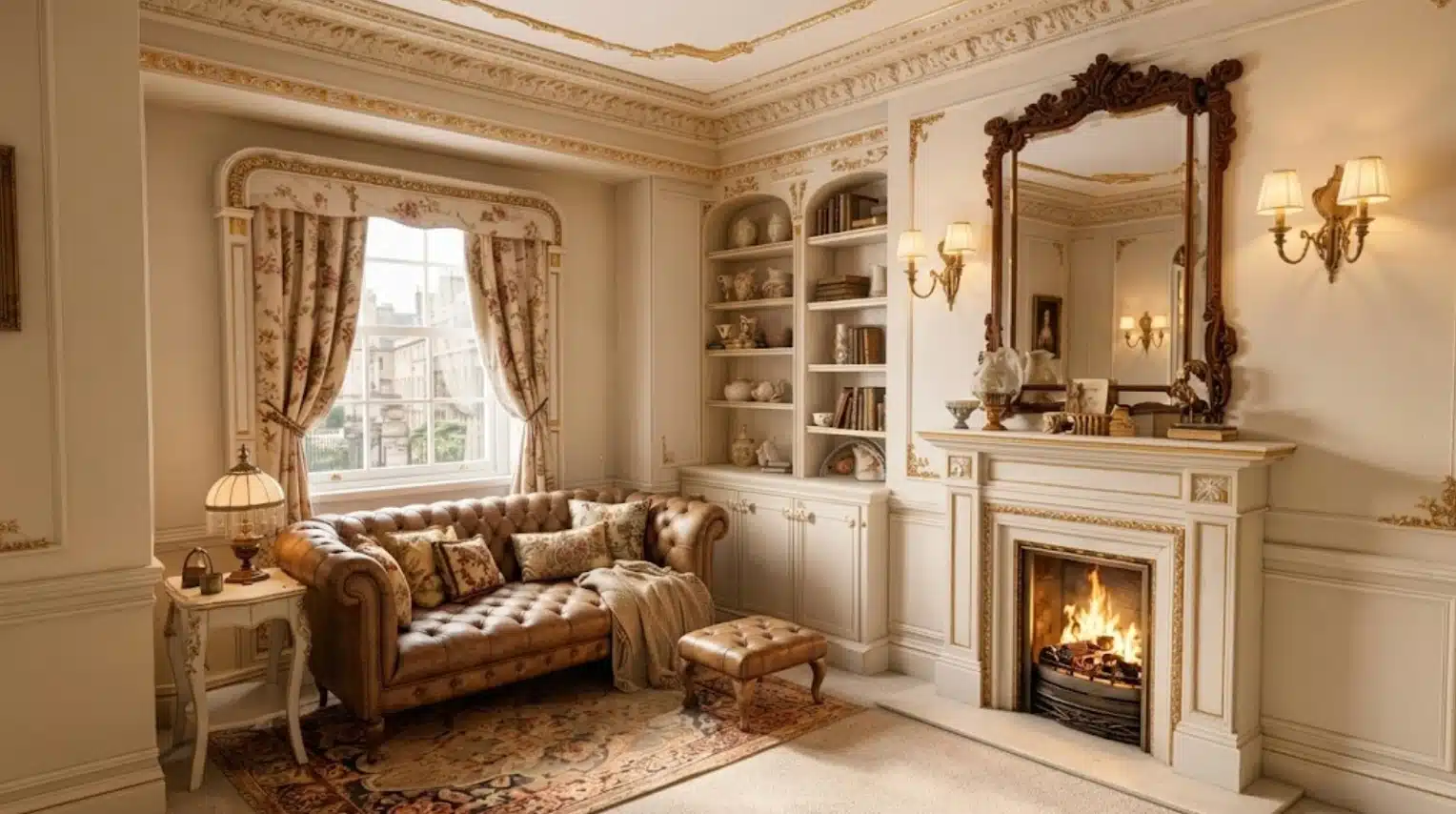
Adapting Victorian style to smaller rooms requires thoughtful scaling and layering. Use light wall colors to make spaces feel larger, mirrors to reflect light and add depth, and compact furniture to preserve flow.
Layered textiles, such as small rugs, cushions, and throws, maintain warmth and richness without overcrowding. Built-in storage and cleverly placed shelving maximize functionality while maintaining historic charm.
Focus on key architectural details like cornices, window trim, or fireplaces, and emphasize them with subtle accent colors or lighting.
Even in smaller rooms, the right balance of color, texture, and proportion ensures that Victorian elegance shines through.
Victorian Lighting and Ambiance
Lighting in a Victorian home isn’t just functional; it sets the mood, highlights architectural features, and adds drama to every room. The right combination of fixtures can make your interiors feel warm, inviting, and authentically Victorian.
- Chandeliers: Central statement pieces for living rooms, dining areas, or grand halls.
- Wall Sconces: Highlight artwork, fireplaces, or corridors with ambient lighting.
- Table & Floor Lamps: Add soft, layered lighting for reading nooks and bedrooms.
- Candlelight Accents: Use candle holders or electric candles for subtle Victorian charm.
Layering different light sources ensures a balanced, cozy atmosphere while accentuating furniture, fabrics, and architectural details.
Victorian Substyles Explained
The Victorian era produced several distinct substyles, each with its own personality. Knowing these substyles helps you choose the right fit for your space, whether that’s dramatic Gothic, refined Eastlake, or a mix of historical charm with modern livability.
1. Gothic Revival Interiors
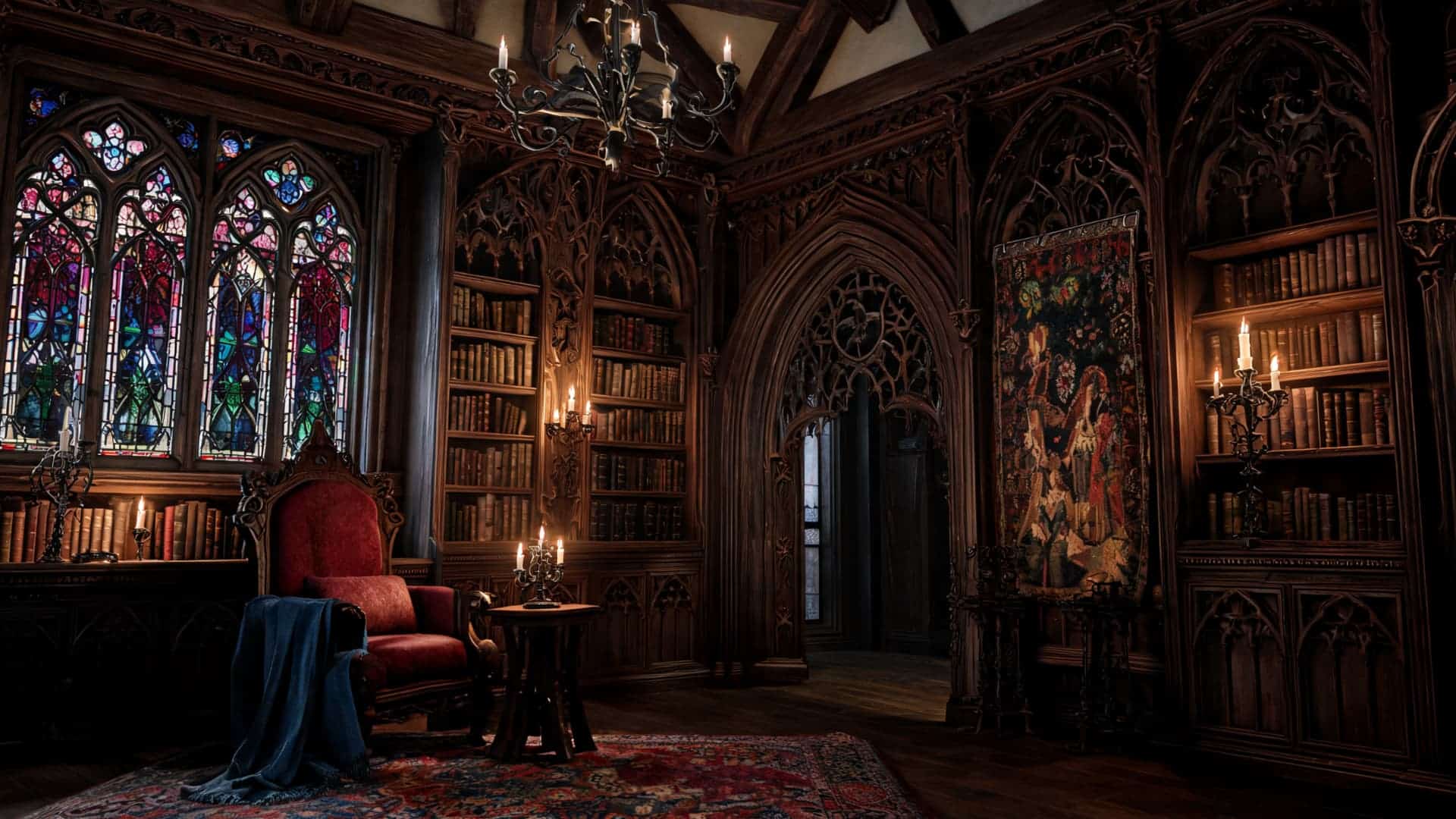
Gothic Revival brings a rich, moody, medieval-inspired style to your home, featuring dramatic pointed arches, cathedral-style windows, and detailed woodwork. This style adds depth, character, and an atmospheric sense of historic grandeur, creating spaces that feel intimate, dramatic, and full of period-inspired elegance.
- Architectural Features: Pointed arches, cathedral-style windows, and intricate woodwork.
- Furniture: Dark woods, carved chairs, and sturdy tables.
- Accents: Wrought iron fixtures, candle holders, and gothic lighting.
- Ideal Spaces: Libraries, studies, or reading nooks that benefit from intimate, dramatic character.
Use Gothic Revival elements sparingly to prevent a space from feeling heavy, and layer with light textiles to maintain balance.
2. Eastlake & Aesthetic Movement
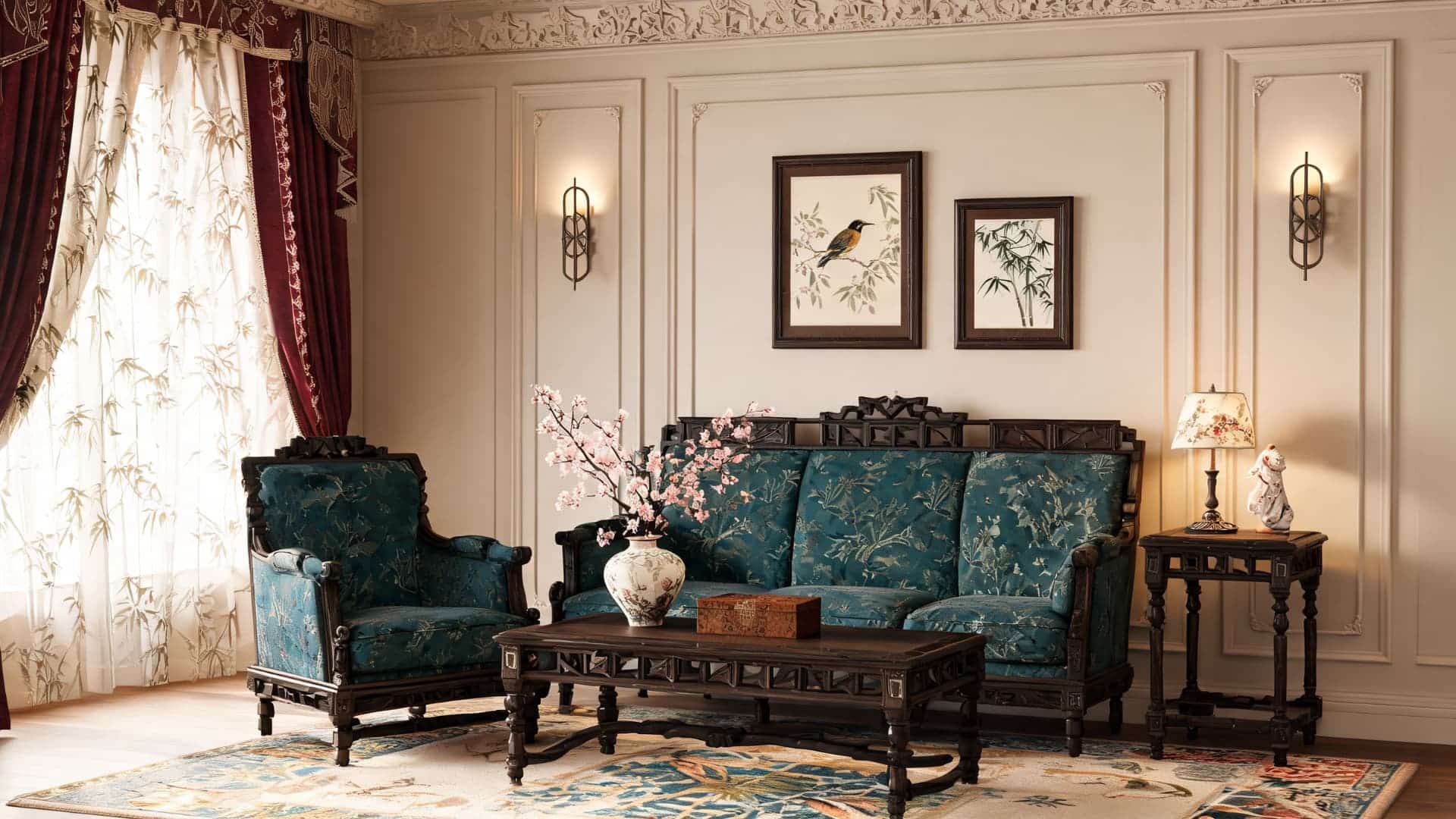
The Eastlake Movement substyles emphasize refinement, artistic beauty, and subtle elegance over heavy ornamentation. With geometric furniture, clean lines, and nature-inspired motifs, these styles create balanced, harmonious interiors that feel polished, sophisticated, and thoughtfully curated, allowing furniture and decorative elements to stand out without overwhelming the space.
- Furniture: Geometric, simple carvings, and clean lines.
- Motifs: Nature-inspired patterns, Asian influences, and subtle asymmetry.
- Décor: Art pieces, framed prints, and handcrafted accents.
- Ideal Spaces: Living rooms, parlors, and dining areas that benefit from sophisticated elegance.
These styles emphasize harmony and proportion, letting furniture and décor speak for themselves without overcrowding the room.
3. Blending Modern Elements
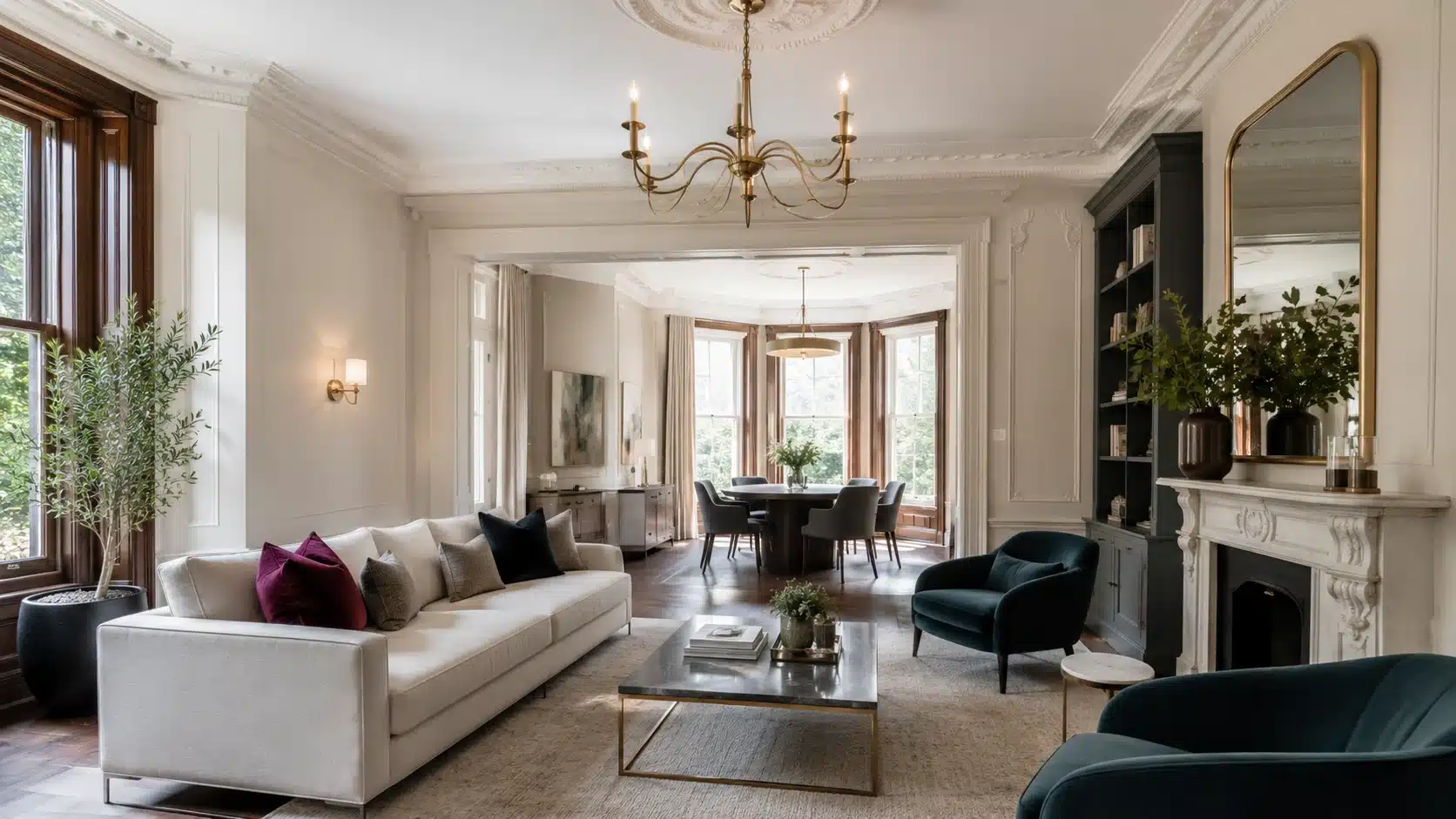
Modern Victorian design lets you enjoy the classic character of historic interiors while creating functional, livable spaces for today. By blending period features like chandeliers, clawfoot tubs, and detailed woodwork with contemporary furniture, open layouts, and modern finishes, this style achieves a balanced, practical, and visually cohesive home environment.
- Integrate Fixtures: Chandeliers, clawfoot tubs, or statement lighting with contemporary furniture.
- Open Layouts: Combine smaller rooms into larger, airy spaces while retaining period details.
- Color & Texture: Balance jewel tones or rich fabrics with neutral walls and modern materials.
- Functionality: Incorporate storage solutions, modern appliances, and lighting that complement the Victorian style.
Blending modern and historic elements ensures your home feels authentic, practical, and visually cohesive without losing Victorian character.
Quick Victorian Substyle Comparison
Here’s a simple table to quickly compare the main Victorian substyles, their key features, and the rooms where they work best:
| Substyle | Key Features | Ideal Rooms |
|---|---|---|
| Gothic Revival | Pointed arches, dark woods, wrought iron | Library, study, reading nook |
| Eastlake | Geometric furniture, subtle carvings, nature motifs | Living room, dining room |
| Aesthetic Movement | Asymmetry, art-focused, Asian motifs | Hallways, parlors, and feature rooms |
This quick reference helps you identify which substyle best fits each area of your home, making it easier to mix or stick to a particular Victorian feel.
Outdoor Victorian Design Inspiration
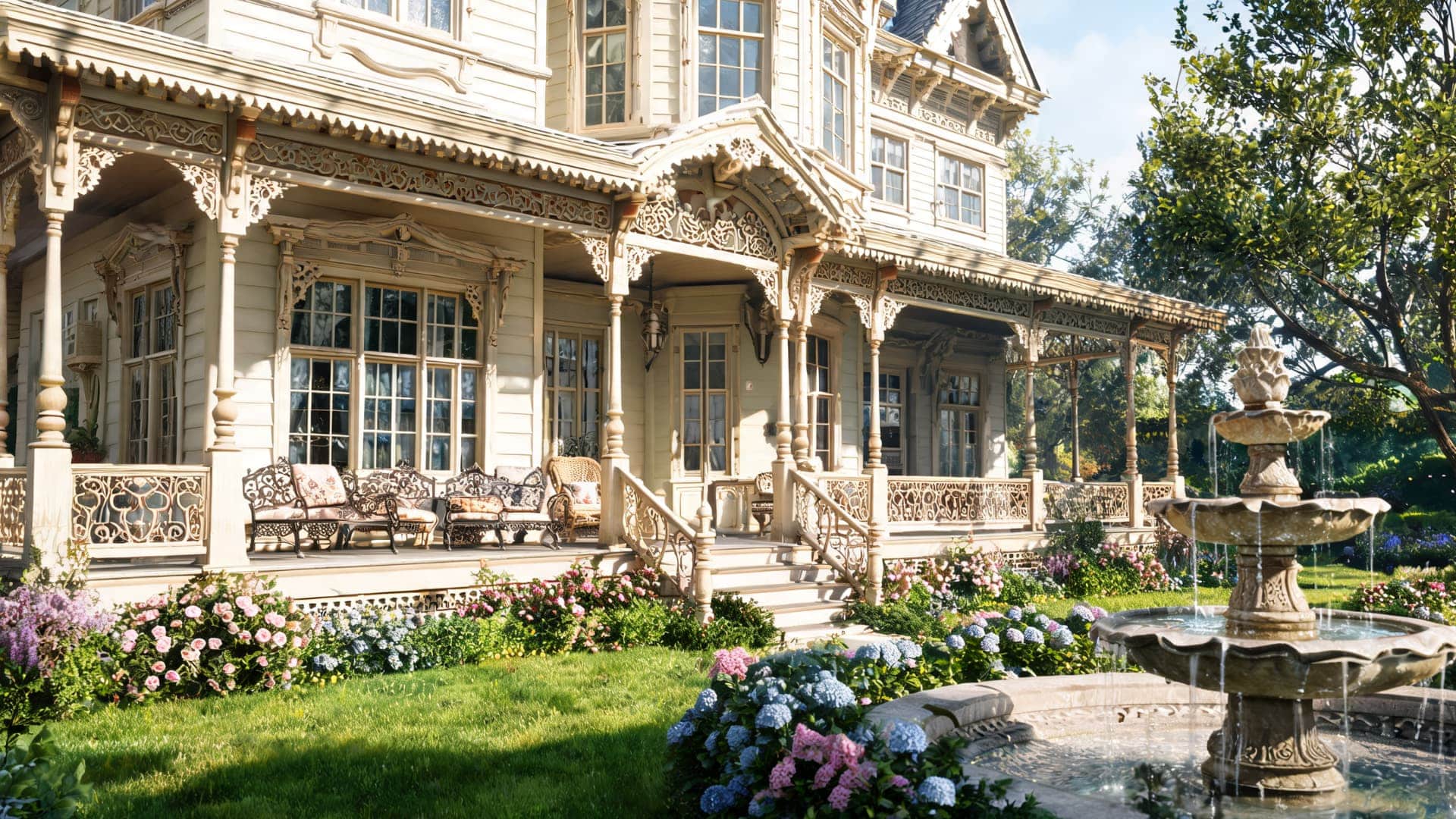
Victorian charm isn’t limited to interiors; it can extend beautifully to porches, verandas, and gardens, creating a cohesive look throughout your property.
Wraparound porches with carved-wood railings and turned posts add character, while wrought-iron benches or vintage-inspired seating provide inviting outdoor spaces.
Terracotta planters, climbing vines, and carefully arranged flower beds bring greenery and texture that complement Victorian interiors, much like what you’ll find in many French cottage ideas, where the same layered, garden-forward approach shows up.
Lighting is also key; lantern-style sconces or post lights echo the elegance of indoor fixtures and highlight architectural features.
Decorative touches like fountains, statues, or trellises provide visual interest, giving your outdoor areas the same historic elegance and timeless appeal as your interior design.
Little-Known Victorian Design Details
Before stepping inside to look at colors and fabrics, here are a few surprising details about Victorian design that shaped nearly every room in these grand houses:
- Good Parlors: Many homes kept a formal parlor reserved for guests, while everyday family life took place in a separate back room.
- Arsenic Green Wallpaper: Some wallpaper patterns used arsenic-based dye to achieve a vivid emerald shade, despite known health risks at the time.
- Sunset Windows: Staircase landings often included a small stained-glass window placed to catch colored light at a specific time of day.
- Hidden Servant Stairs: Narrow back staircases and corridors let household staff move through the home without crossing paths with the family.
- Tall Mantels: Fireplace mantels were often built above average eye level to showcase imported marble or hand-carved wood detailing.
- Layered Curtains: Sheer panels against the glass paired with heavy drapes on top gave homeowners control over both light and drafts.
These small details show how much thought went into daily life behind Victorian walls, and knowing them makes it easier to pick colors and materials that feel true to the period.
Victorian Décor Mistakes to Avoid
Even with the best intentions, it’s easy to make design mistakes when decorating a Victorian home. Use this table to identify common pitfalls and practical ways to fix them, keeping your interiors stylish and authentic.
| Mistake | Why It Happens | How to Fix It |
|---|---|---|
| Overcrowding Rooms | Victorian style can tempt you to fill every space with furniture and décor. | Focus on key statement pieces and leave breathing space. Layer textiles instead of furniture. |
| Mismatched Styles | Mixing modern furniture or contemporary colors without cohesion. | Balance modern elements with Victorian accents; use a consistent color palette. |
| Heavy Color Misuse | Using jewel tones on every wall or surface can overwhelm the space. | Reserve bold colors for feature walls, furniture, or accents; pair with neutrals. |
| Ignoring Architectural Details | Not highlighting cornices, bay windows, or fireplaces does not lose historic character. | Use lighting, paint, or furniture placement to draw attention to key features. |
| Cluttered Accessories | Displaying too many small decorative items can feel messy. | Select meaningful collectibles, rotate displays, and group items strategically. |
Following these guidelines helps maintain the elegance and authenticity of your Victorian interiors while avoiding common design missteps.
Frequently Asked Questions
Can Victorian interiors work with eco-friendly materials?
Yes. You can choose sustainably sourced wood, recycled fabrics, and low-VOC paints. Maintaining the Victorian style doesn’t require only traditional materials; eco-conscious alternatives can replicate textures and finishes while reducing environmental impact.
How do I maintain antique furniture in a Victorian home?
Regular dusting, gentle polishing, and avoiding direct sunlight preserve antique pieces. Use protective pads under objects and maintain stable humidity to prevent wood from cracking or warping, ensuring your furniture stays beautiful for decades.
What flooring options suit a Victorian interior besides wood?
Patterned tiles, encaustic cement, and luxury vinyl planks that mimic historic designs work well. Layering rugs over these floors can add warmth and texture while maintaining a period-appropriate Victorian feel.
How can I introduce color without overpowering a Victorian room?
Use accent pieces like pillows, throws, or artwork to introduce pops of color. Feature walls or small furniture items in jewel tones allow vibrancy without overwhelming ornate architectural details or rich textiles.
Are Victorian interiors suitable for pet-friendly homes?
Yes, with some planning. Choose durable fabrics like velvet blends or patterned rugs, protect wood surfaces with pads, and select furniture that balances elegance with practicality to accommodate pets safely.
Does Victorian style work in a small apartment?
Yes, if you scale it down. Stick to one or two statement pieces, keep wall colors lighter, and save the boldest jewel tones for accents rather than full rooms, so the space still feels open.
Final Reflections
A Victorian house interior comes together through layering, not addition. If you only take one thing from this guide, let it be the small-space lesson: light walls, a mirror placed to catch the window, and one or two architectural details picked out in color will read as Victorian far more convincingly than filling every surface with them.
Start with a single room and a single architectural feature, whether it’s a fireplace, a bay window, or a run of cornice, and build the color and textiles around that one thing before you touch anything else.
Drop a comment below and tell me if you are a big fan of Gothic or Classic Victorian.