

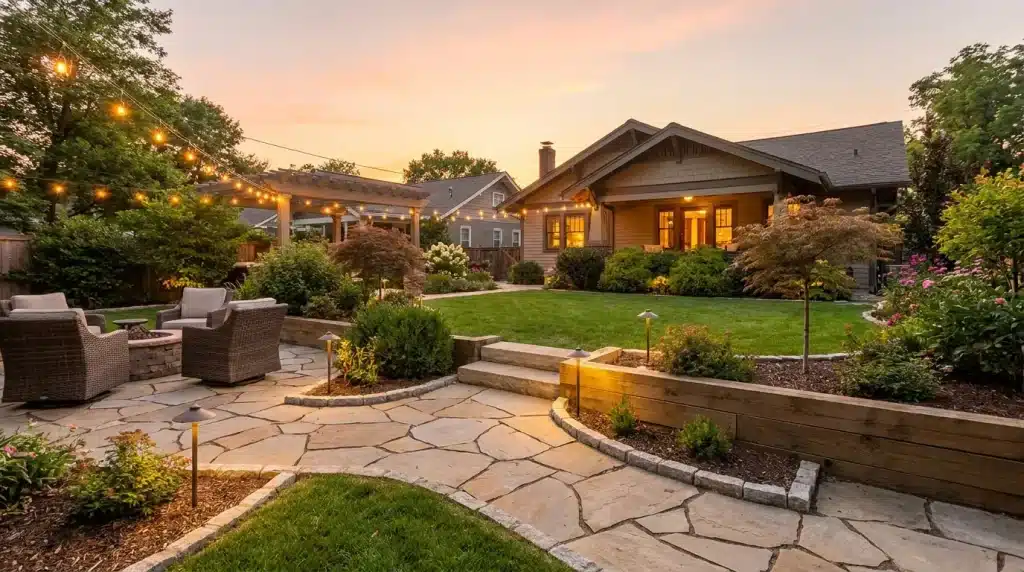


Your yard can look healthy and still feel hard to use. You might have trimmed grass, neat plants, and fresh mulch, yet nowhere comfortable to sit, walk, cook, or gather. That feels annoying, doesn’t it?
This is where what is hardscaping becomes a helpful question, not just a design term. It shows how built-in outdoor features can make your space work better day-to-day.
Maybe you want less upkeep, safer movement, better drainage, or a cozy spot for evenings outside. Before you choose a patio, wall, path, or deck, it helps to know what each feature actually does.
So let’s keep this simple and practical, like we’re planning your yard together with a clear next step in mind today
What Is Hardscaping Definition
Hardscaping is the built, non-living part of your outdoor space, like patios, paths, walls, decks, driveways, and fences. It gives your yard structure, so you can walk, sit, cook, park, or relax without relying only on grass and plants.
Think of it as the part that makes your yard usable, not just nice to look at. You might have a healthy lawn and pretty plants, but where do you sit after work or walk when it rains?
Hardscaping helps give each area a clear purpose and makes the space feel easier to enjoy. When it is planned well, your yard feels more comfortable, organized, and ready for everyday life without feeling crowded
Hardscape vs Landscape: What’s the Difference?
Landscape and hardscape can sound like the same thing at first, but they are not. I like to think of the landscape as the whole outdoor space, while hardscape is the built part inside it. Here is a simple way to keep the difference clear.
| Term | Meaning | Examples | Main Job |
|---|---|---|---|
| Hardscape | Built, non-living outdoor features | Patio, wall, path, deck, fence | Gives the yard shape and usable areas |
| Softscape | Living outdoor features | Grass, shrubs, trees, flowers | Adds life, shade, color, and seasonal change |
| Landscape | The complete outdoor space | Hardscape plus softscape | Brings the whole yard together |
Once you understand this split, planning feels less messy. You can first decide where your yard needs structure, then add plants and lawn areas where they make the space feel softer
Key Benefits of Hardscaping in Outdoor Spaces
Hardscaping works best when it fixes something you notice in real life. Maybe the yard feels empty, muddy, hard to maintain, or awkward to move through. These benefits show how the right built features can make your outdoor area easier to use. Here are some for you:
1. Turns Empty Areas Into Useful Spots
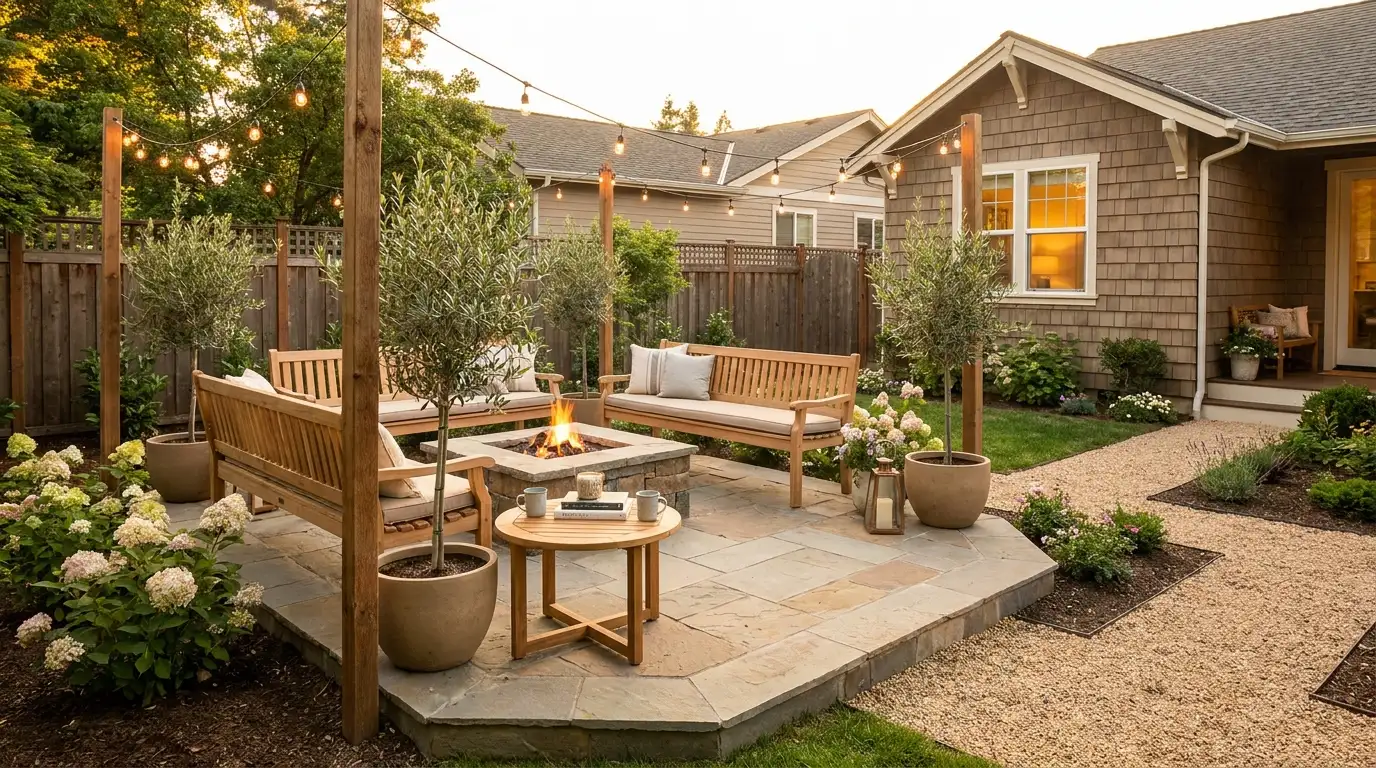
Some yards have plenty of open space, but no real place where you want to spend time. A hardscape feature can turn that unused corner, bare patch, or awkward side area into somewhere you actually enjoy. Here are two ways this benefit shows up in daily life.
- Outdoor Rooms: A paved or raised surface can hold furniture, planters, and lighting without sinking into grass or shifting after rain.
- Daily Comfort: You get a steady spot for morning coffee, weekend meals, quiet reading, or casual talks without having to set up every time.
2. Cuts Down Repeated Yard Work
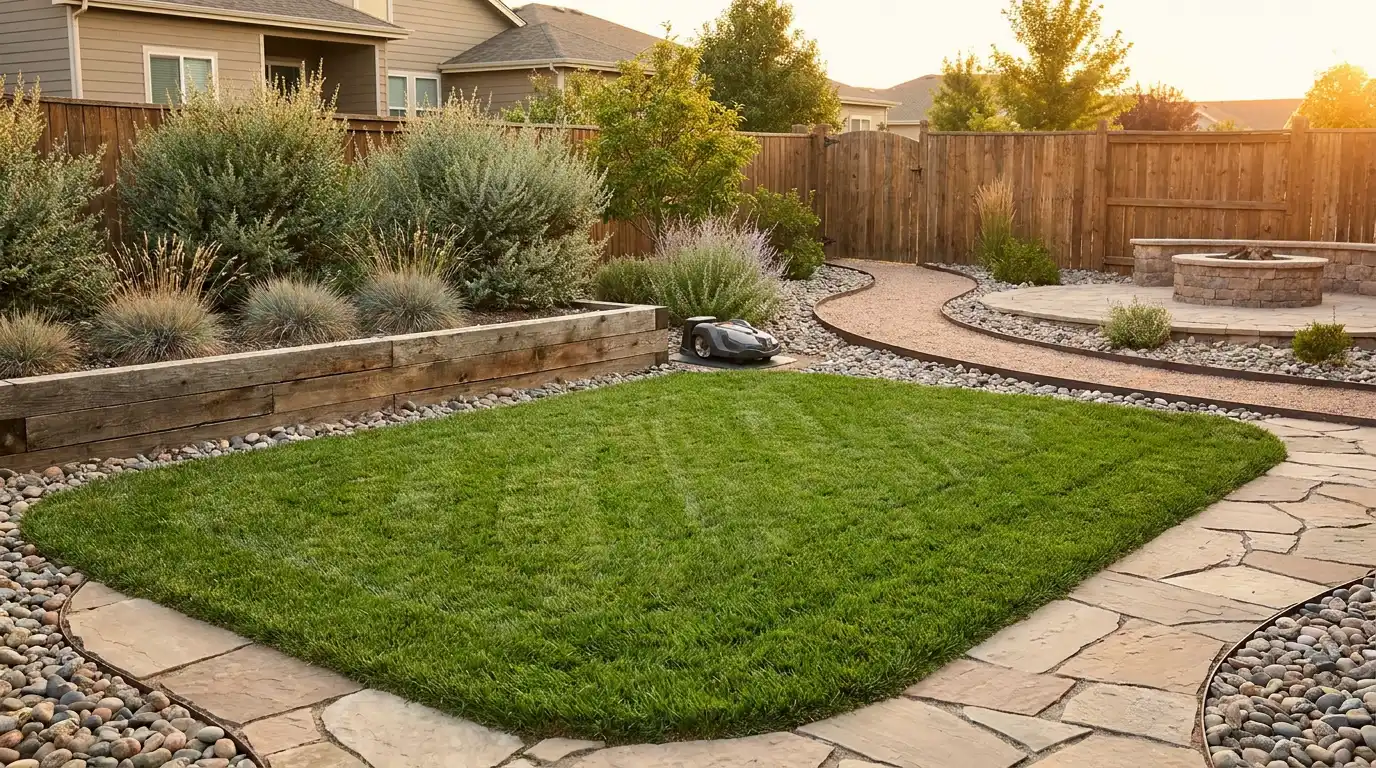
Let’s be honest, not every part of a yard needs to be grass. Some corners are annoying to mow, some narrow strips dry out fast, and some planted areas need more care than you want to give. This helps most when you replace the right areas, not the whole yard.
- Less Mowing: Replacing hard-to-cut corners or narrow grass strips with stone, pavers, or gravel can make routine care much easier.
- Cleaner Edges: Built borders around beds or paths to keep soil, mulch, and grass from spreading into places you want to be neat.
3. Handles Problem Water More Carefully
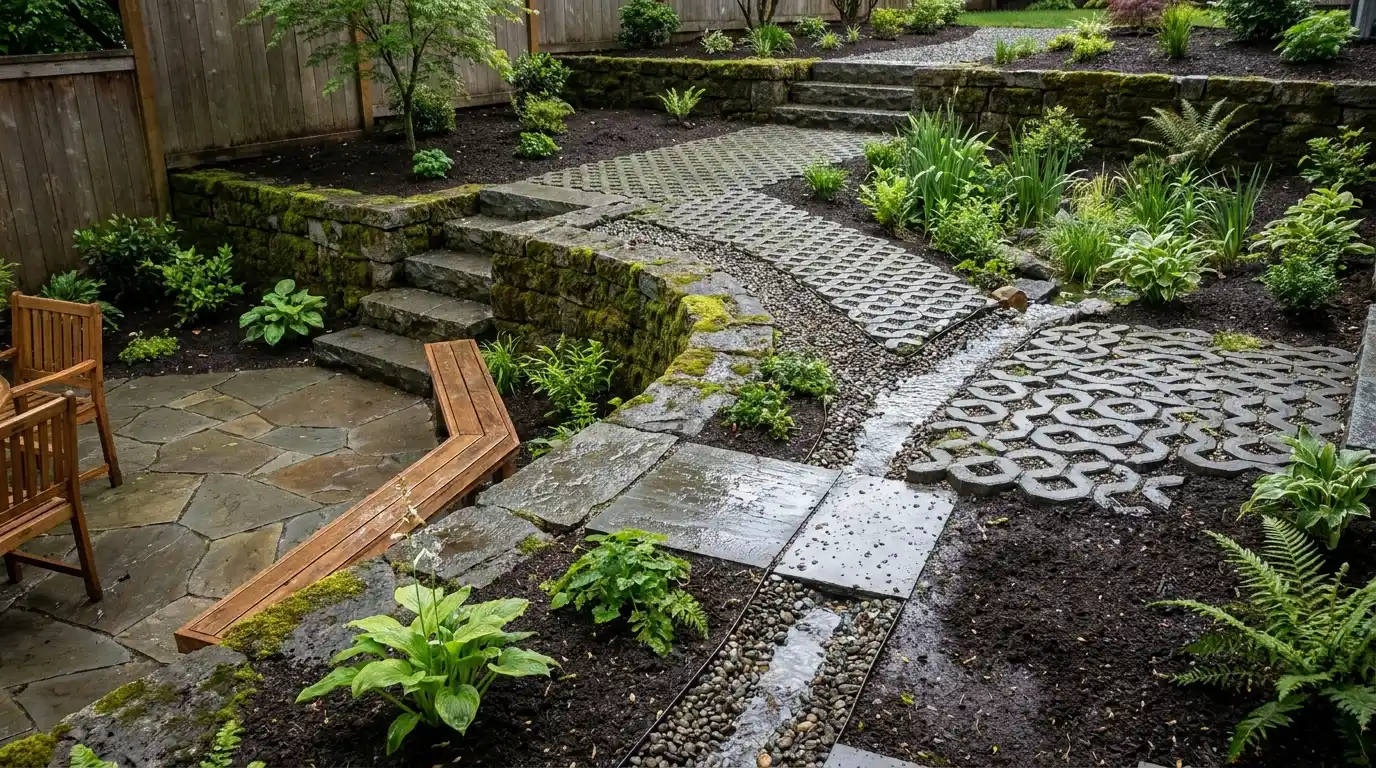
Water can turn a nice yard into a headache if it keeps landing in the wrong place. You may see puddles, soft soil, washed-out mulch, or muddy routes after rain. The goal is to guide water, not just cover the issue.
- Slope Support: Walls and terraced areas can hold soil in place where rain would otherwise pull it downhill over time.
- Surface Planning: Gravel beds, permeable pavers, and proper grading can reduce standing water in walkways, patios, and low yard areas.
4. Makes the Home Look More Complete
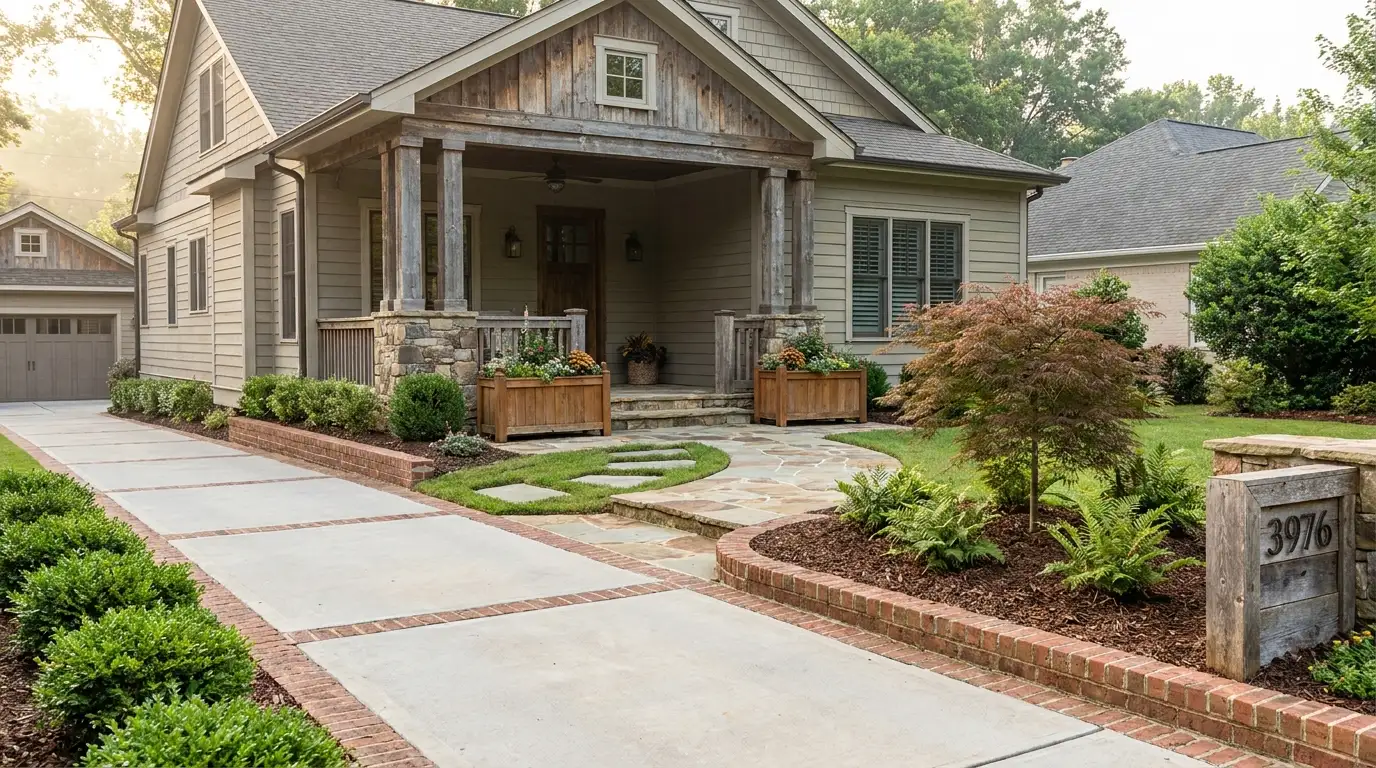
Hardscaping can make a home feel more finished from the outside. You do not need to add too much. Sometimes, a clean path, neat border, or better entry surface changes the whole first impression. This is about visual order, not decoration alone.
- Stronger Entry: A clean walkway, front steps, or driveway border can make the home feel more cared for before visitors enter.
- Lasting Shape: Stone, brick, concrete, and wood features keep their form through seasons when plants may thin, fade, or rest
5. Makes Outdoor Movement Safer
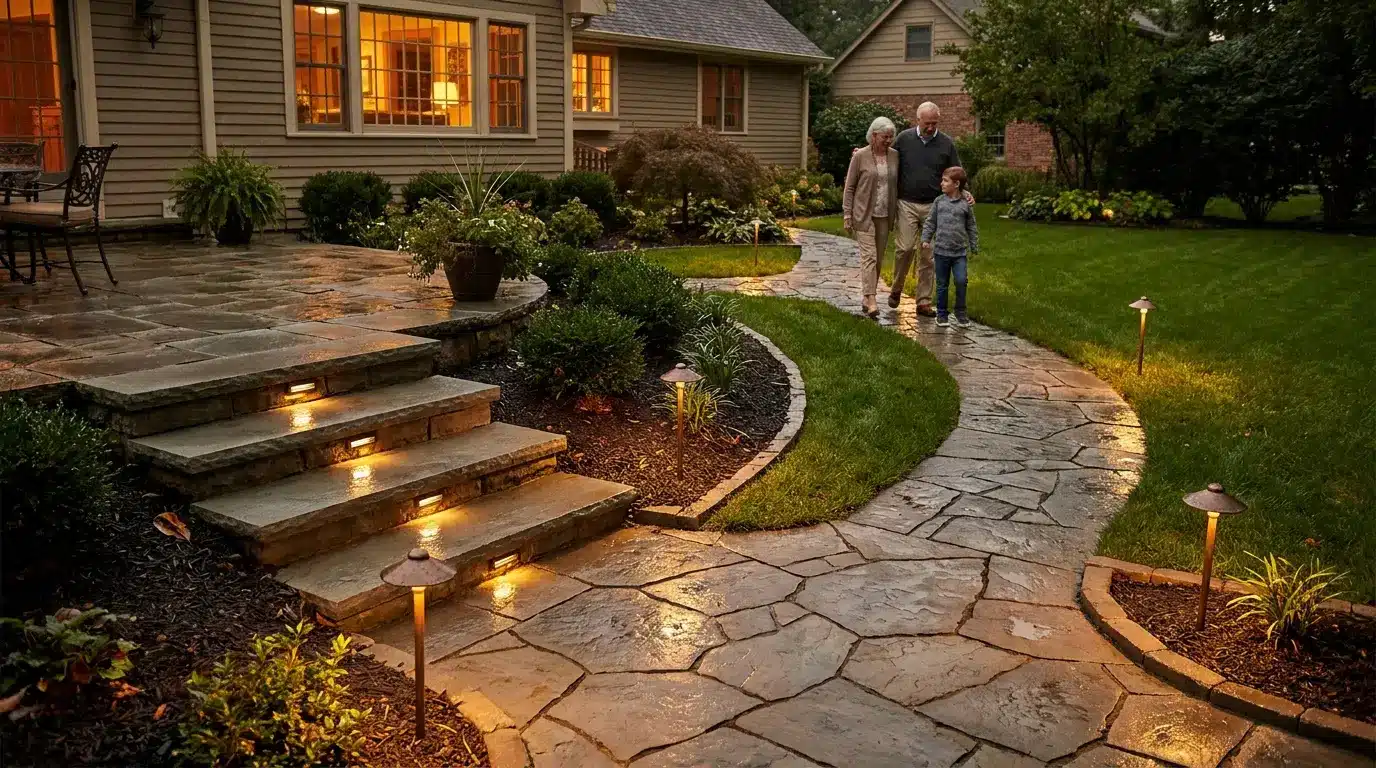
If you have ever walked across wet grass in the dark, you already know why this matters. A yard should feel easy to move through, even after rain or in the evening. This is helpful for guests, kids, older adults, and everyday routines. Here’s how you can take advantage of it:
- Stable Footing: Walkways, steps, and paved entries reduce the risk of slipping on mud, loose soil, or uneven grass.
- Visible Routes: Edged paths and low lighting can guide people at night without making them guess where to step next.
6. Gives the Yard a Clear Layout
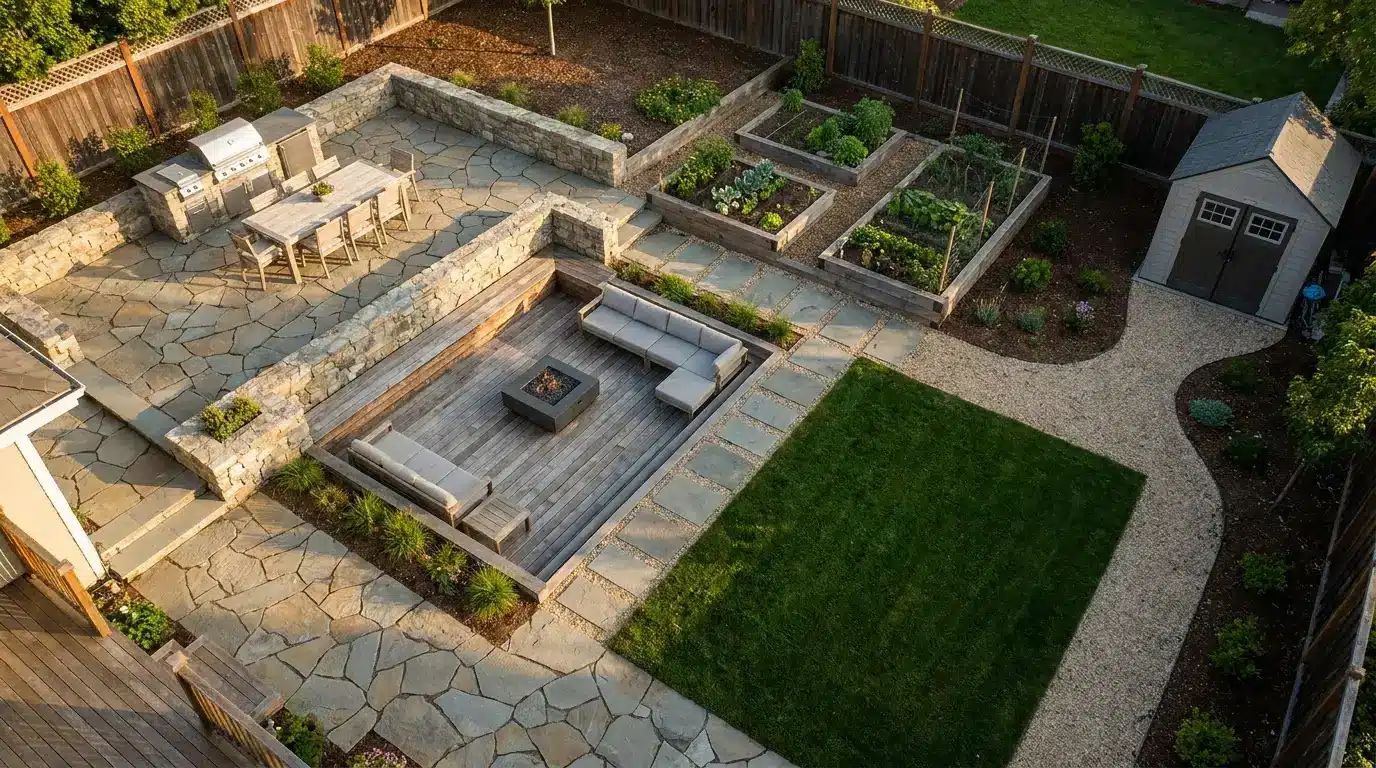
A yard without structure can feel like one open area with no clear purpose. Hardscaping helps you divide the space into useful zones, so each part feels intentional rather than random. This is where the yard starts to feel more organized.
- Defined Zones: A patio edge, wall, border, or deck line can separate cooking, seating, planting, and open areas without needing extra decoration.
- Visual Order: Built lines and edges help the eye understand where one outdoor area ends, and another begins, making the yard feel cleaner.
When Does Your Yard Actually Need Hardscaping?
Your yard may need hardscaping when the space keeps showing the same problems, even after regular upkeep. I would look at where the yard feels awkward, wasted, or harder to use than it should. These signs can help you decide before choosing a feature:
- Muddy routes after rain
- No steady place for seating
- Sloped or washing soil
- Too much unused lawn
- Weak privacy
- Awkward side yards
- A front entry that feels unfinished
Common Types of Hardscaping
Not every hardscape feature does the same job. Some help with movement, some create comfort, and some solve yard problems. Let’s go through the main types so you can see where each one fits. Ready.
1. Patios: The Ground-Level Gathering Spot
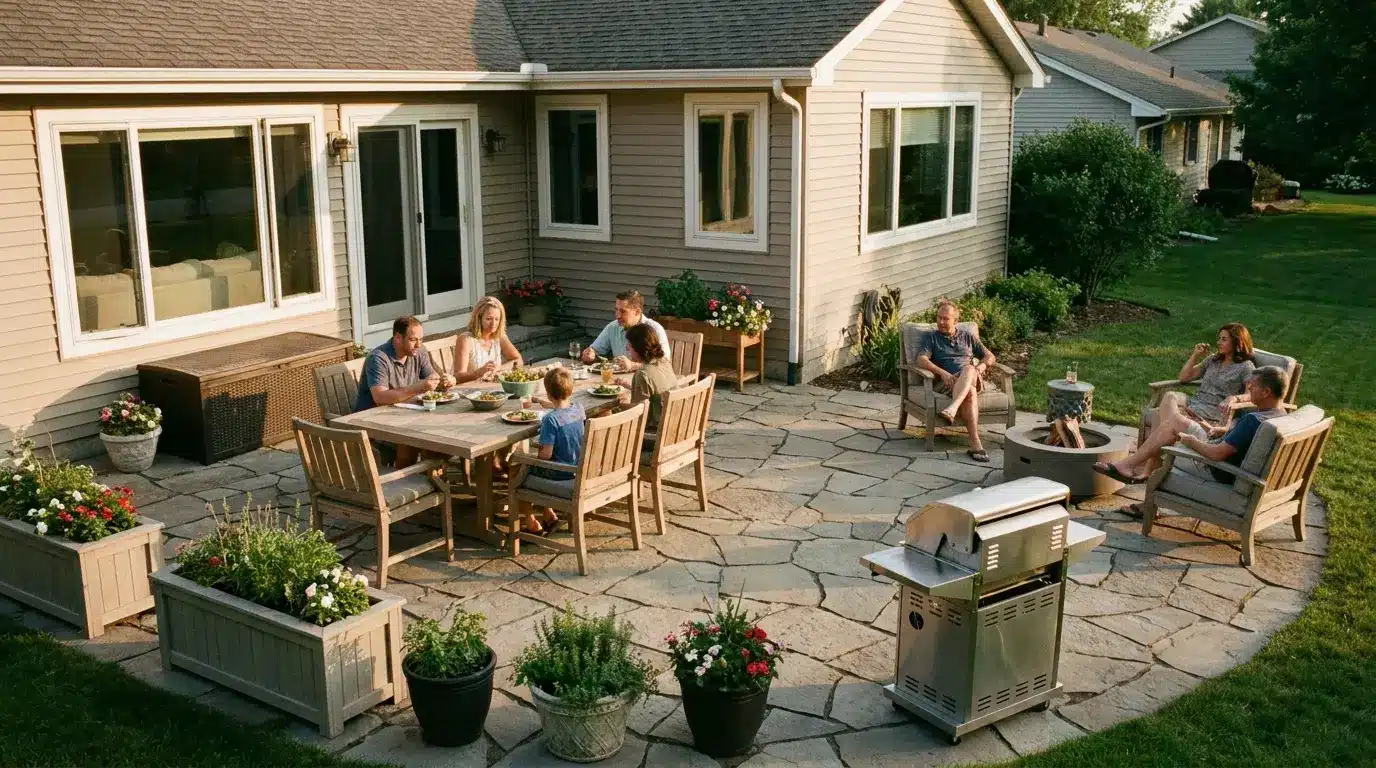
A patio is a flat surface built at ground level. It usually works well near the house, pool, or garden because it provides a stable surface for chairs, tables, planters, or a grill.
I’ve always liked patios because they make outdoor space feel useful right away, especially when you can step outside with coffee, food, or friends without changing levels. Use these two details to decide to konw if a patio fits your space:
- Best Placement: Patios work well near kitchen doors, shaded corners, pool edges, or garden views where people naturally pause.
- Smart Detail: Leave enough room around chairs and tables so people can move without stepping into planting beds.
2. Walkways and Garden Paths: The Yard’s Route Map
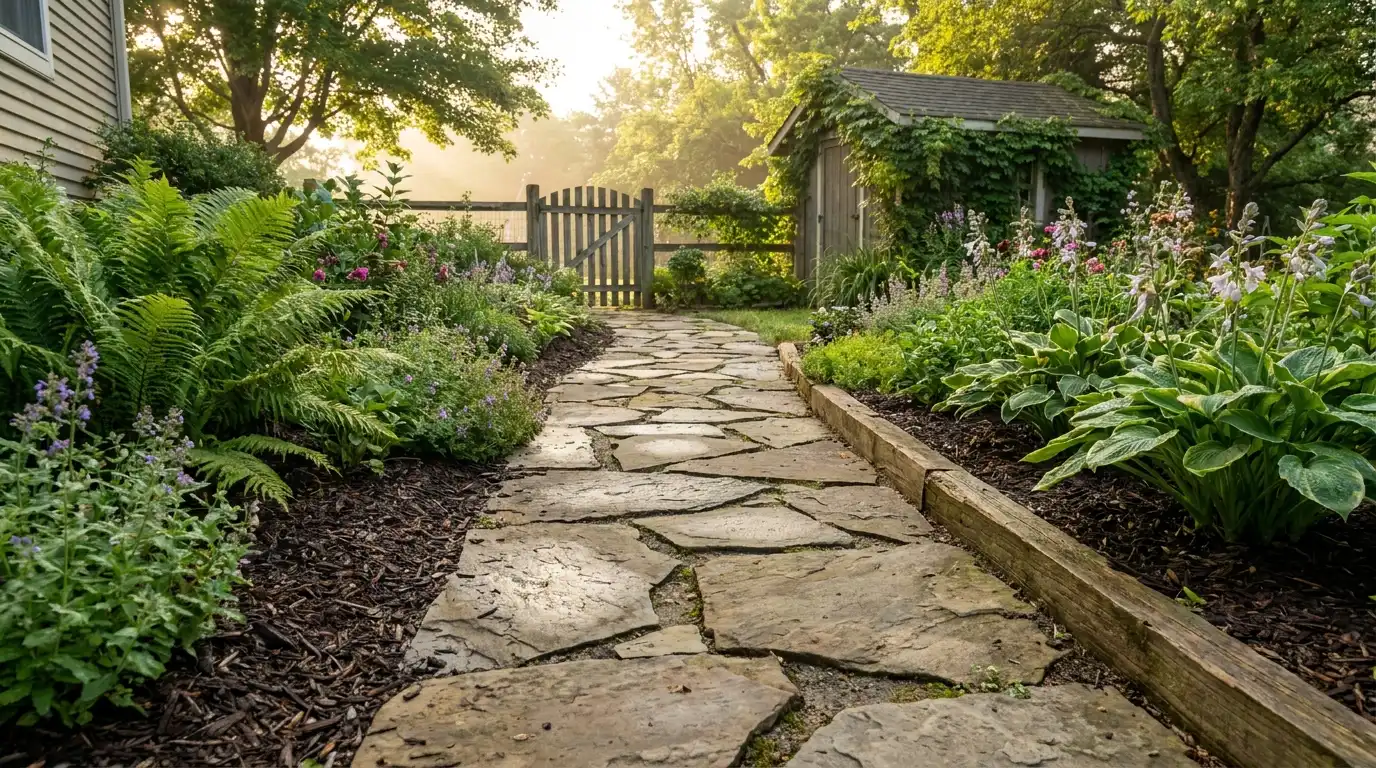
Walkways and garden paths help you move through the yard without having to guess where to step. They can feel formal near the front door or more relaxed through a garden area. The right path should feel nature to follow. Don’t you also think so. Use these two details in mind for that:
- Best Placement: Paths belong where people already walk, such as between gates, doors, patios, sheds, gardens, and driveways.
- Smart Detail: Match the width to traffic, since a main entry path needs more room than a quiet garden route.
3. Driveways: The Daily Arrival Zone
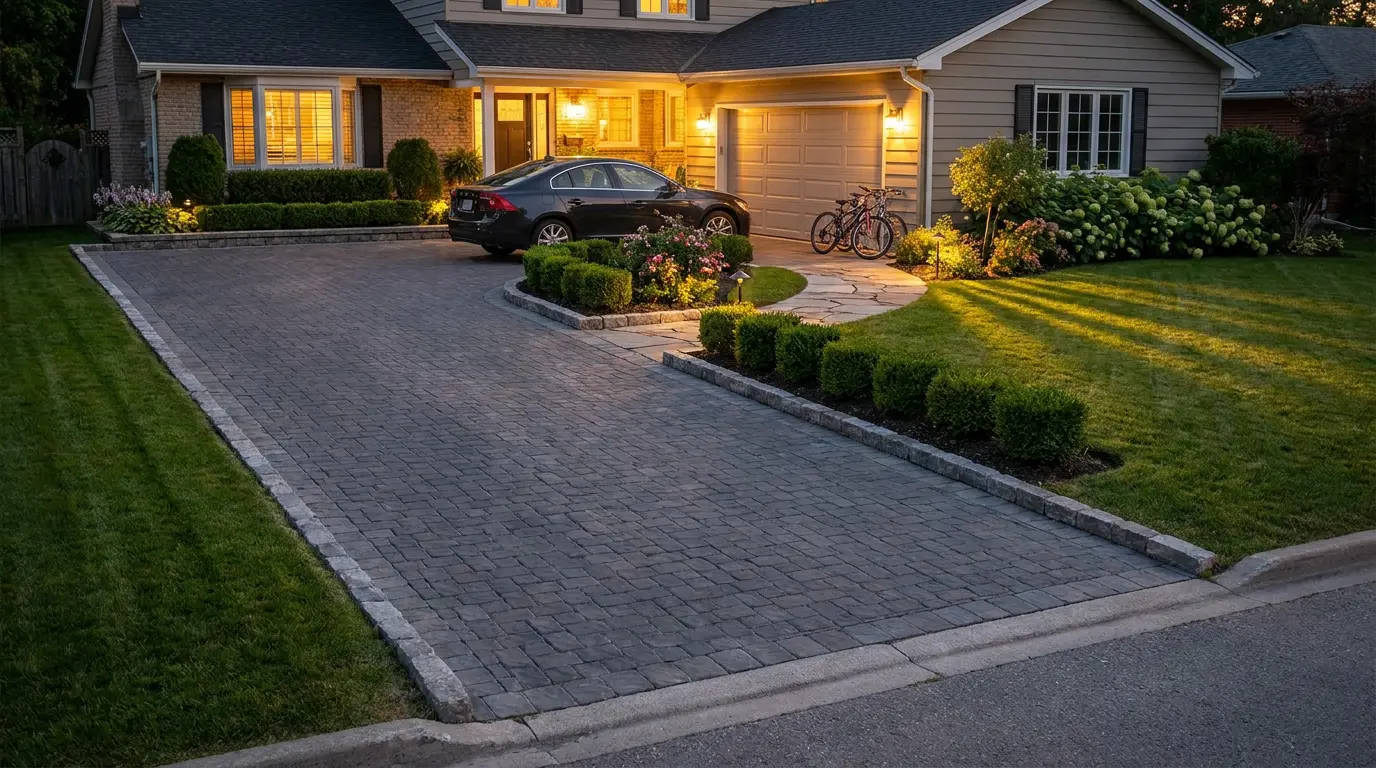
A driveway does more than hold cars. It shapes how you arrive home, how guests park, and how the front of the property feels from the street.
I’ve seen even a simple driveway upgrade make a home feel cleaner and more welcoming from the curb, so this is one area I would not treat as an afterthought. Think about real use before choosing the finish
- Best Placement: Driveways should connect the street, garage, parking area, and walkway without requiring sharp turns or awkward backing up.
- Smart Detail: Plan for drainage, tire weight, and snow or heat exposure before choosing concrete, pavers, gravel, or asphalt.
For a side-by-side look at stamped concrete vs pavers, that comparison breaks down cost and durability across both options.
4. Retaining Walls: The Slope Support System
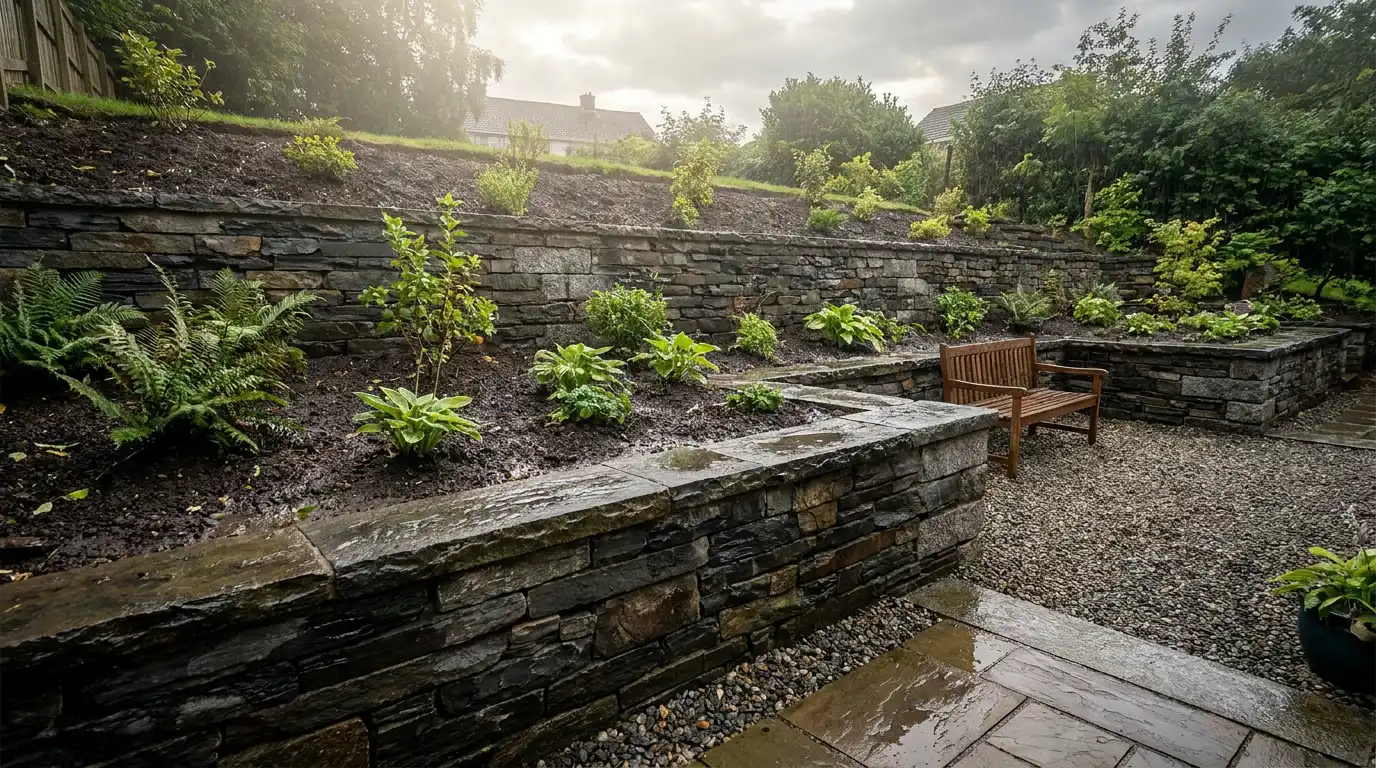
A retaining wall helps hold soil where the ground changes height. It can make a sloped yard feel more controlled and give raised areas a cleaner edge. This type should be planned with care.
- Best Placement: Retaining walls fit sloped yards, raised beds, terraced gardens, and areas where soil pushes into usable space.
- Smart Detail: Taller walls need drainage behind them because trapped water can add pressure and weaken the structure.
5. Decks: The Raised Outdoor Platform
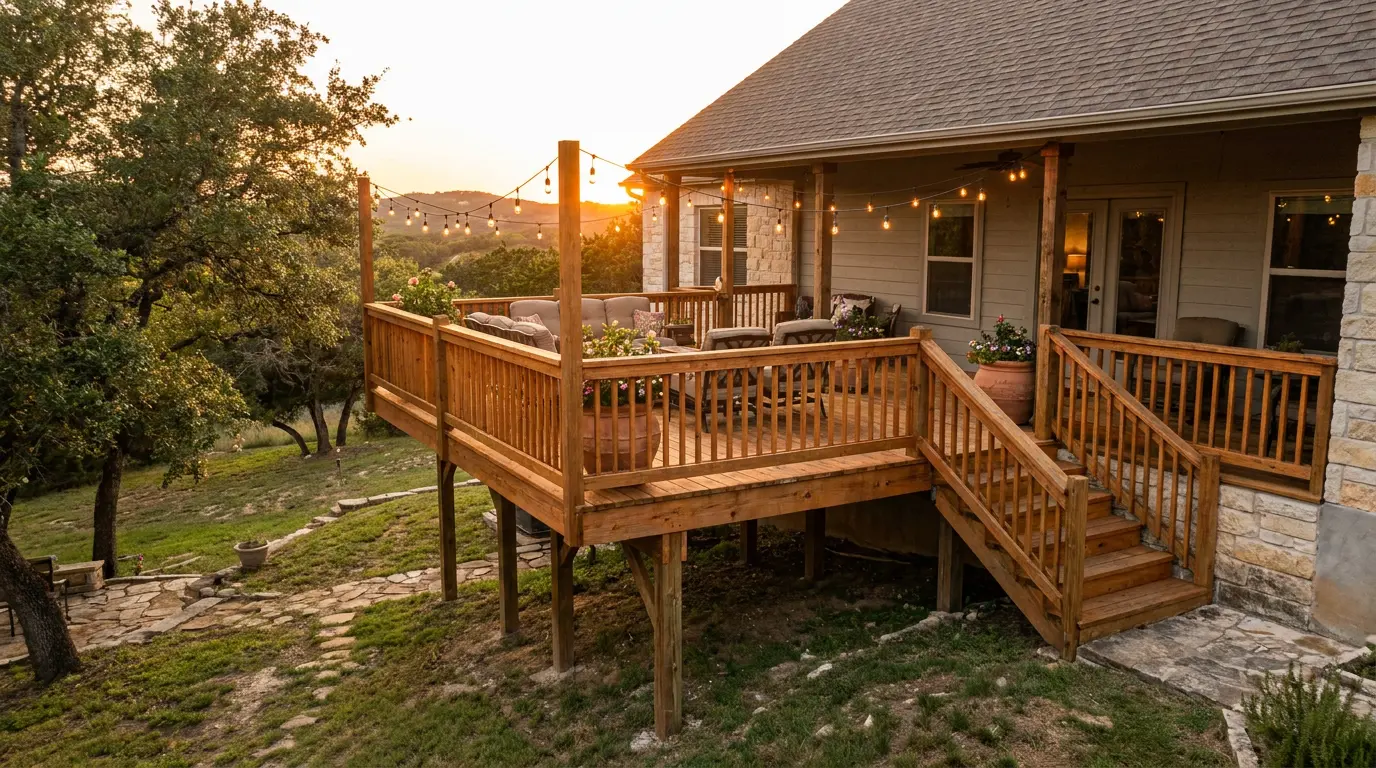
A deck is a raised outdoor surface, often connected to the back of the house. It works well when the yard is uneven or when the door sits above ground level. Decks are helpful when ground-level seating feels awkward.
- Best Placement: Decks suit homes with raised doors, uneven yards, views, or spaces where a ground patio feels awkward.
- Smart Detail: Railings, stairs, shade, and board spacing should be planned early because they affect safety and comfort.
6. Fences and Privacy Walls: The Boundary Builder
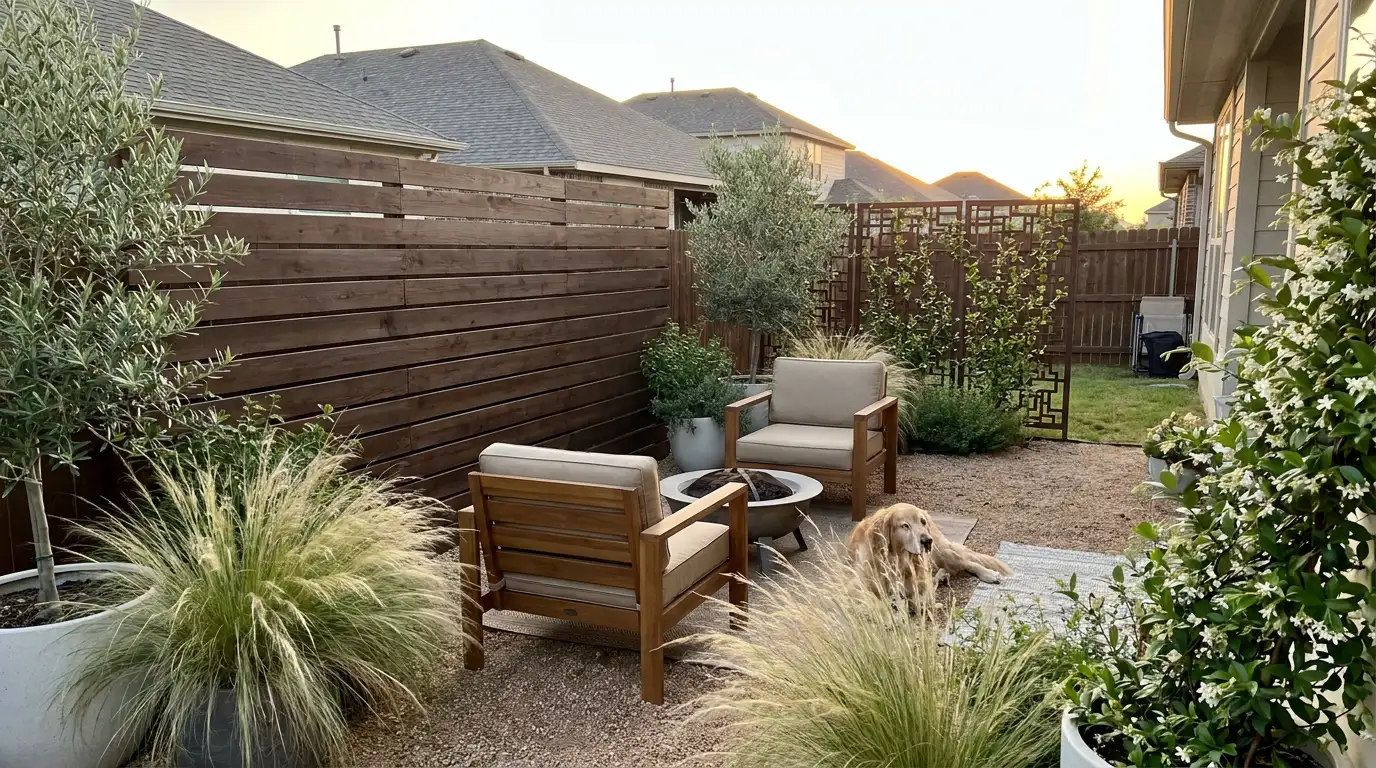
Fences and privacy walls help you feel more settled in your yard. They can mark property lines, block a view, protect pets, or make a seating area feel more private.
One of my favorite things about privacy walls is how they can make even a small outdoor area feel more peaceful and tucked away. I’ve seen them work really well in spaces that face nearby windows or busy side yards. The purpose should decide the style
- Best Placement: Boundaries work around yards, patios, pools, side areas, trash zones, or spaces facing nearby windows.
- Smart Detail: Height, material, and spacing should match privacy needs, local rules, airflow, pets, and the home’s look.
For ideas on materials and layout, fence styles and materials cover a range of practical options worth comparing before you commit.
7. Pergolas and Shade Structures: The Overhead Frame
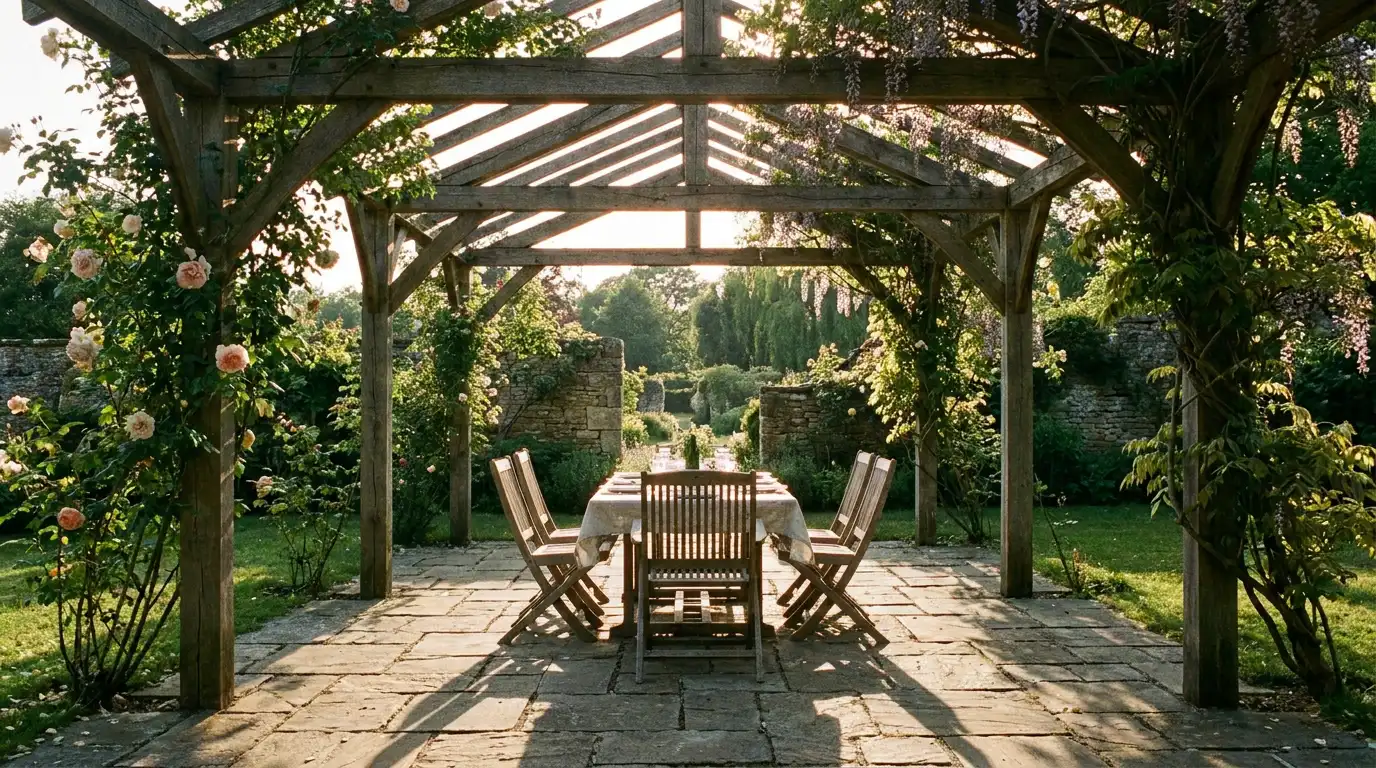
A pergola adds height over an outdoor area without fully closing it in. It can make a patio, deck, path, or dining area feel more like a real space. It helps define the area above you.
- Best Placement: Pergolas fit sunny sitting areas, outdoor dining spots, garden paths, and patios that need height overhead.
- Smart Detail: Check the sun’s direction before building, since beam placement determines how much shade the structure provides.
If you are weighing the build versus hire decision, building a pergola covers the structural steps and material choices in detail.
8. Outdoor Kitchens: The Built-In Cooking Station
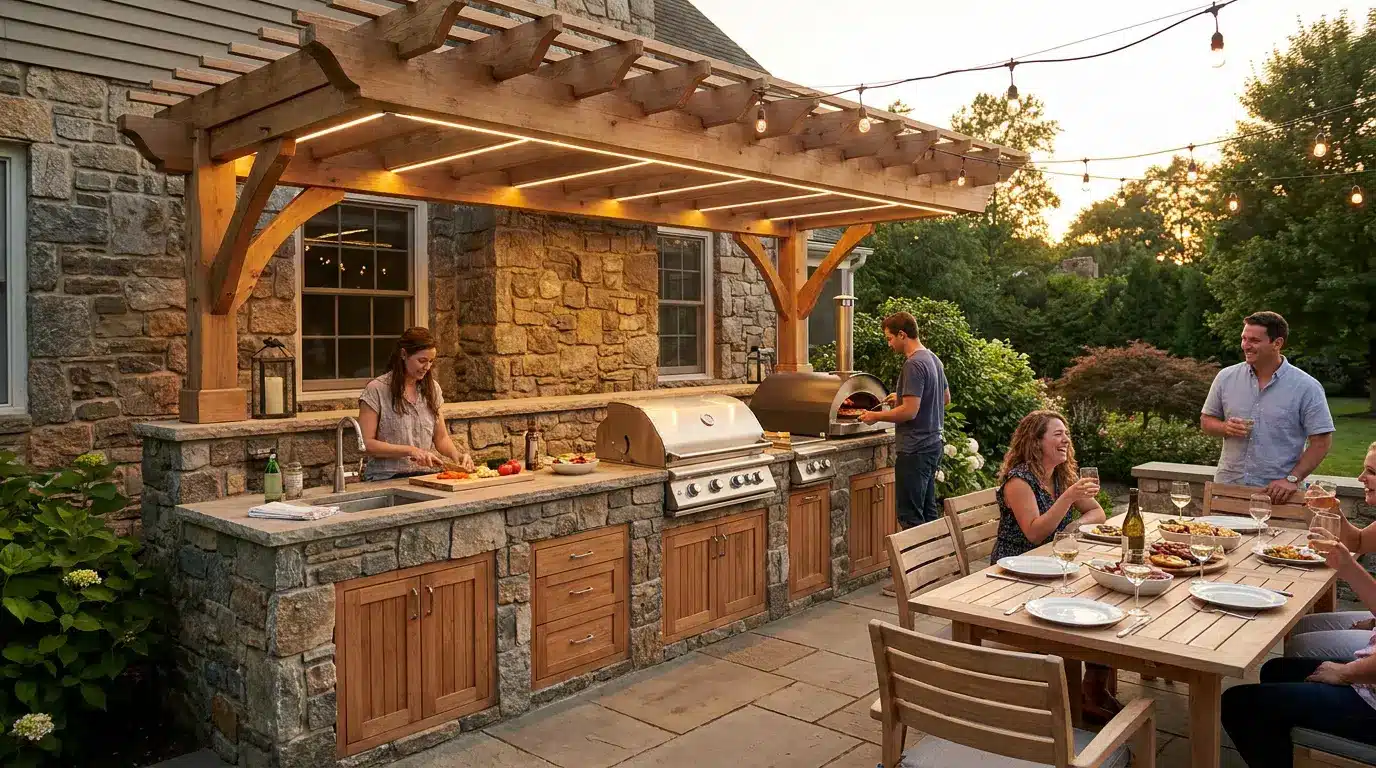
An outdoor kitchen makes sense when cooking outside is part of your routine. It can be simple with a built-in grill or larger with counters, storage, a sink, or a fridge. This feature works best for frequent outdoor meals. For sure you should give it a chance like this:
- Best Placement: Outdoor kitchens should be close enough to the indoor kitchen for easy prep but far enough away from smoke-sensitive doors.
- Smart Detail: Plan utility lines, counter space, lighting, and weather cover before choosing appliances or surface finishes.
9. Fire Pits and Outdoor Fireplaces: The Warm Gathering Point
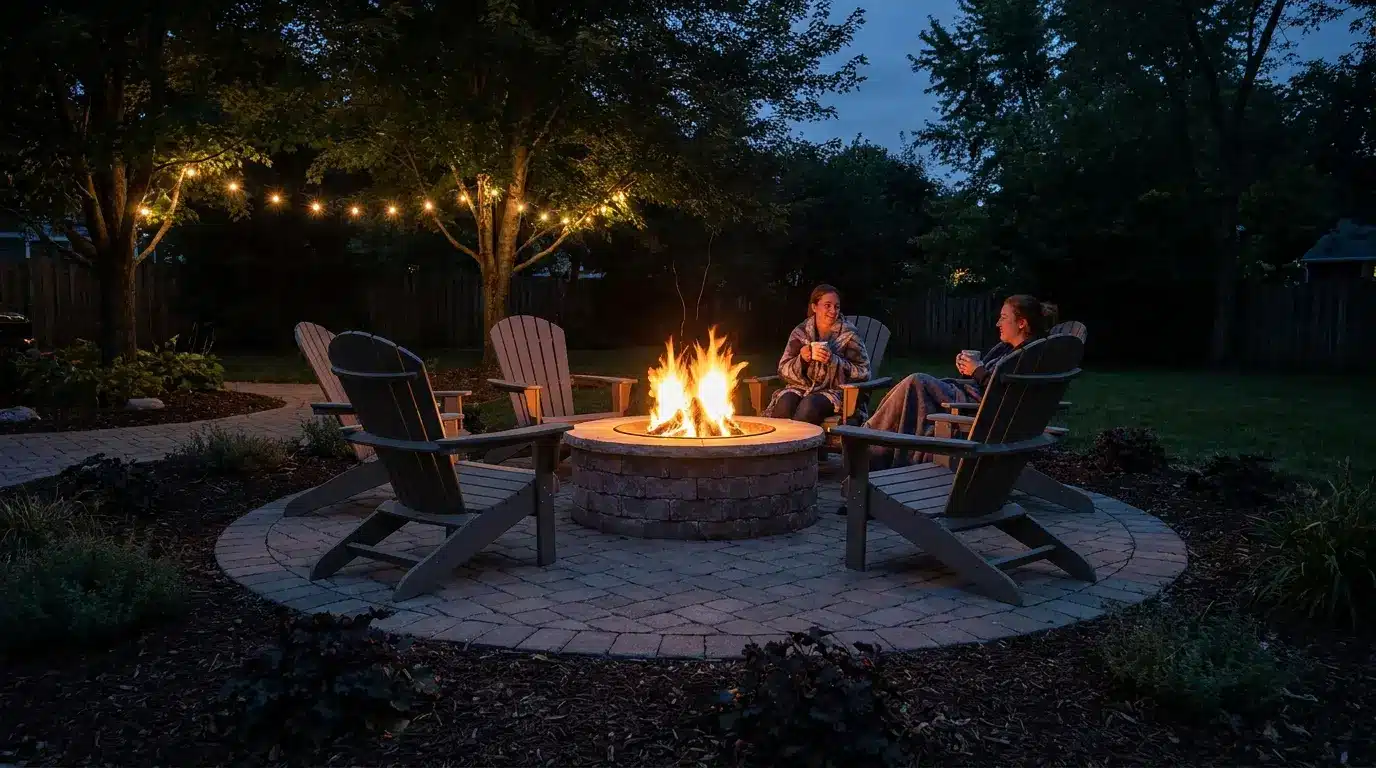
A fire feature gives people a reason to stay outside longer. A fire pit feels open and casual, while an outdoor fireplace can feel more fixed and private. Safety should guide the layout.
- Best Placement: Fire features need open space, steady seating distance, safe flooring, and clear separation from plants or structures.
- Smart Detail: Local fire rules, wind direction, fuel type, and seating layout should be checked before installation begins
If budget is a constraint, fire pit on a budget covers which materials hold up without overspending.
Common Hardscaping Materials
The material you choose affects how your hardscape feels, handles weather, and holds up over time. I would look past color first and consider use, care, and durability, too. Here’s a simple table to help you compare the main options before choosing one.
| Material | Best Used For | Why It Works | Keep in Mind |
|---|---|---|---|
| Concrete | Patios, driveways, slabs | Strong, clean, and practical | Can crack without good prep |
| Pavers | Paths, patios, pool areas | Easy to style and repair | Need a solid base |
| Natural Stone | Steps, walls, premium patios | Durable with natural texture | Costs more than many options |
| Brick | Paths, borders, small patios | Classic look and warm color | Can shift in damp spots |
| Gravel | Side yards, paths, drainage areas | Budget-friendly and drains well | May scatter over time |
| Wood | Decks, pergolas, screens | Warm and natural-looking | Needs regular protection |
| Composite | Decks and privacy screens | Lower upkeep than wood | Higher upfront cost |
| Metal | Gates, railings, edging | Strong and space-saving | May rust without coating |
Choose the material that fits the job first. The best-looking option will not help much if it cannot handle your weather, traffic, or upkeep needs
How to Choose the Right Hardscaping Feature
Choosing the right hardscaping feature starts with the problem you want to fix. I would look at what feels missing or hard to use before thinking about style or materials. Use these quick matches to narrow your choice.
- Need Seating: Choose a patio or deck for chairs, tables, meals, or quiet outdoor time.
- Need Dry Access: Choose a walkway if rain leaves you stepping through mud or wet grass.
- Need Slope Control: Choose a retaining wall if soil shifts or beds keep washing out.
- Need Privacy: Choose a fence or screen if the space feels too open.
- Need Outdoor Cooking: Choose an outdoor kitchen if you grill often and need prep space.
- Need Shade: Choose a pergola or cover if sunny areas stay too hot to use.
- Need a better driveway: Resurfacing or full replacement, depending on the current condition and driveway surface options that hold up to vehicle loads.
How to Balance Hardscape and Landscape
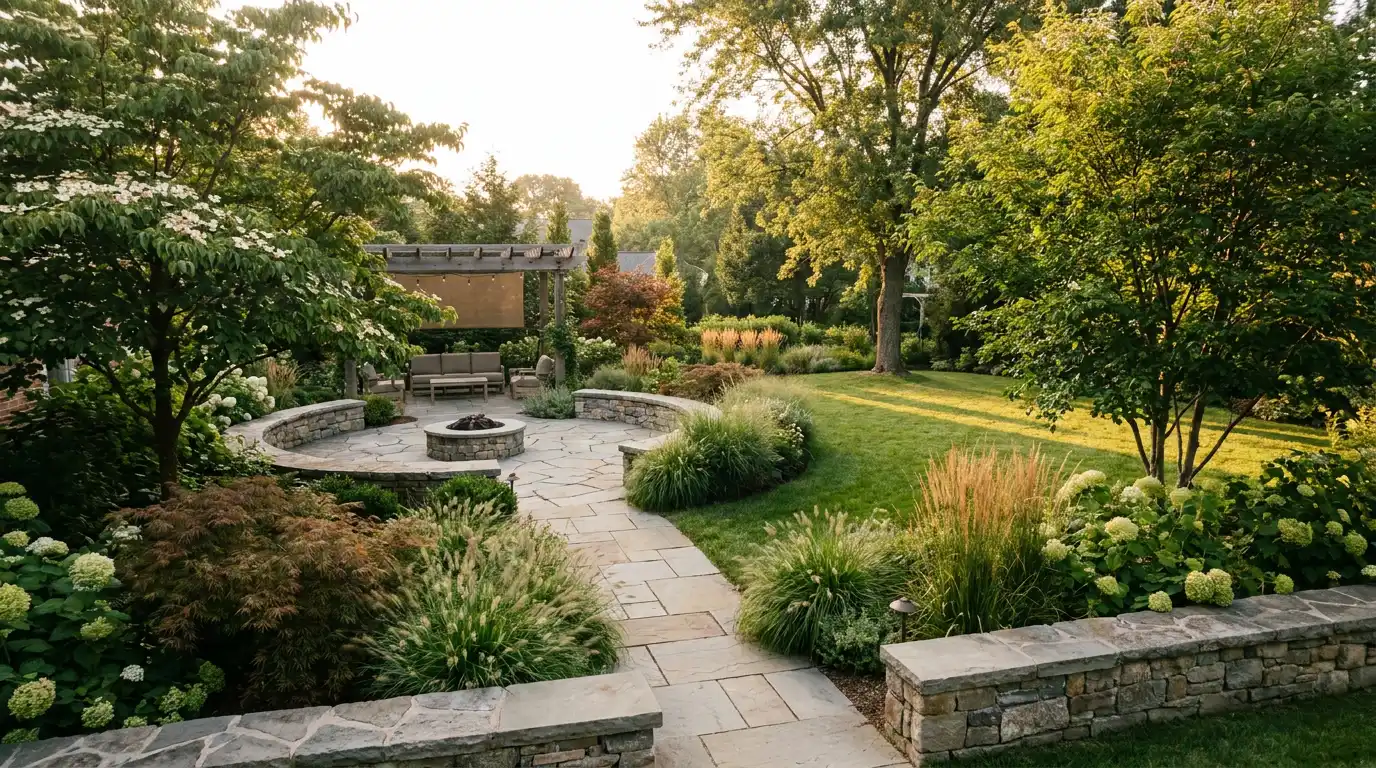
A good outdoor space needs both built features and living details. Hardscape gives the yard form. Plants, grass, and trees bring softness, shade, movement, and seasonal change. Too much hard surface can feel harsh. Too many planted areas can become hard to manage.
The right balance depends on how you use the yard. A family space may need an open lawn, safe paths, and a shaded sitting area.
A low-care space may rely on pavers, gravel, and hardy plants. A garden-focused yard may need softer edges and fewer large surfaces. I personally think of hardscape as the frame and softscape as the life inside it. Both need space to do their job.
If you are planning a larger outdoor project and need a sense of what the full scope costs, backyard remodel costs break down the line items that drive variation between a modest refresh and a full hardscape build.
Hardscaping Planning Tips Before You Start
Before you buy materials or call a contractor, spend some time watching how your yard works now. This small step can save you from wrong sizing, poor placement, and features that look nice but feel awkward later. Use these checks before the project starts.
- Set Priorities: Choose one main goal first, such as seating, access, privacy, slope control, easier care, or a better entrance.
- Study Traffic: Watch how people move from doors, gates, driveways, sheds, and garden areas before placing hard surfaces.
- Check Water: Look for rain to see where water pools, runs fast, or sits near the house.
- Measure Furniture: Leave space for chairs, tables, grills, doors, steps, and a walkway before fixing the final size.
- Review Rules: Check permits, property lines, HOA limits, utility lines, and fire rules before installing permanent features.
- Phase Work: Start with the most needed feature, then add other parts later so the yard grows in a planned way.
Common Hardscaping Mistakes to Avoid
Hardscaping mistakes can be hard to fix because many features are heavy, fixed, or tied to water movement. A small planning mistake can affect comfort, safety, and cost later. Here is a simple table to help you avoid the most common problems.
| Mistake | What Can Go Wrong | Better Move |
|---|---|---|
| Covering too much yard | The space may feel hot, flat, or uncomfortable | Keep room for shade, plants, and open areas |
| Ignoring drainage | Water may pool, stain surfaces, or move toward the house | Plan slope, drains, gravel, or permeable areas first |
| Choosing only by looks | The feature may not fit daily use | Match the design to how you walk, sit, park, or cook |
| Using the wrong material | Surfaces may crack, shift, fade, or need more care than expected | Choose based on climate, traffic, weight, and upkeep |
| Skipping base prep | Pavers, paths, or patios may sink or become uneven | Build a proper base before the visible surface goes down |
| Forgetting scale | A feature may feel too large, small, narrow, or crowded | Measure people, furniture, doors, and movement space first |
The safest projects respect how the yard behaves before changing it. Soil, water, sun, and daily movement should guide the design before style choices take over
Frequently Asked Questions
What is hardscaping in simple terms?
Hardscaping is the built, non-living part of your outdoor space: patios, paths, decks, walls, fences, driveways, fire pits, and outdoor kitchens. These features give the yard shape and make it easier to walk, sit, cook, park, and relax without relying only on grass.
Why is hardscaping important for a yard?
Grass and plants look good but do not give you stable places to sit, walk, or gather. Hardscaping fixes muddy routes, unused corners, drainage problems, and awkward layouts with built surfaces that work in all seasons, not just when the ground is dry.
What is the difference between hardscape and landscape?
Hardscape is the built portion, including patios, walls, walkways, decks, and fences. Softscape is the living portion, grass, trees, shrubs, and flowers. Together, they make up the full landscape. Both are needed; neither works as well without the other.
What are the most common hardscaping features?
Patios, walkways, driveways, retaining walls, decks, fences, pergolas, outdoor kitchens, and fire pits. Each serves a different function; some help with movement, some create seating, and some solve drainage or slope problems.
How do I know if my yard needs hardscaping?
Look for recurring problems: muddy paths, no steady seating area, eroding soil on slopes, poor privacy, or spaces that never get used. If the same issues keep coming back after regular upkeep, a built feature is usually the right fix.
What materials are best for hardscaping?
It depends on the job. Concrete works for slabs and driveways. Pavers suit patios and paths. Natural stone handles steps and premium surfaces. Gravel aids drainage. Wood and composite work for decks. Choose by climate and function first; then by appearance.
How do you balance hardscape and softscape?
Use hardscape to frame movement, seating, and tasks. Use grass, trees, and plants to soften edges, add shade, and bring seasonal change. Too much hard surface feels harsh in summer; too many planted areas become a maintenance problem. Let the function drive the ratio.
Final Tip
Now that you understand what is hardscaping, you can look at your yard with a clearer eye. I would not start by asking which feature looks best.
I would ask what would make the space easier for you to use this week and next year. Maybe you need a steady route to the door, a calm sitting area, less wet soil, or a private corner. Start with one need, then choose the feature that fits it.
A good outdoor space should feel natural to use, not forced. When hard surfaces and living elements work together, your yard feels planned, useful, and personal. Ready to shape a better outdoor area? Choose one clear goal and build from there with care today.