



|
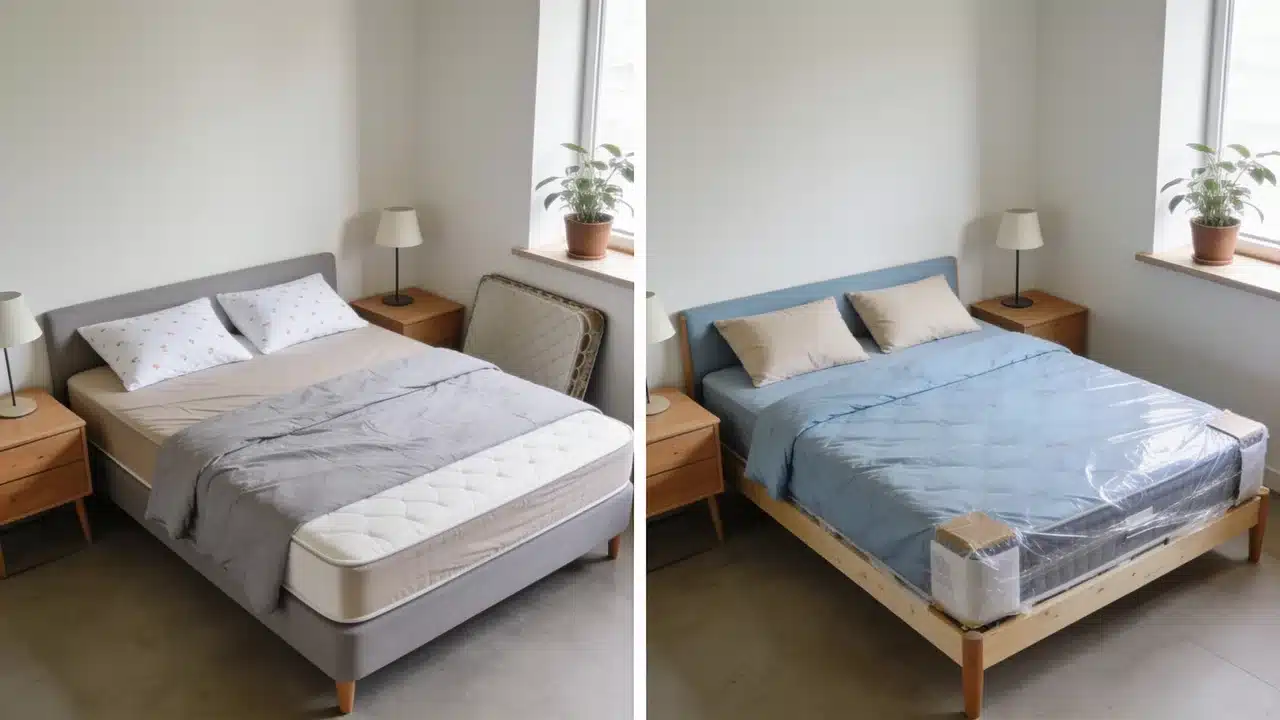
Summary: Most mattresses last between 7 and 10 years. Latex models can often last 10–15 years, while innerspring mattresses usually wear out sooner. Replace your mattress when it no longer provides proper support, comfort, or quality sleep. How long it actually lasts depends on the materials, usage, and maintenance. |
A mattress gets replaced only after the problem becomes impossible to ignore. A sore back that has been building for months, sleep quality that has quietly dropped, a mattress that looks fine but no longer feels that way.
The challenge is that mattresses rarely fail suddenly. They degrade gradually, and because the change is slow, it’s easy to adjust to it without realizing the mattress is the cause.
Those ranges in the summary are a starting point, not a fixed deadline. A mattress that is seven years old and still performing well does not need to be replaced. One that is five years old and already sagging does.
This blog covers everything that determines a mattress’s lifespan and when to replace it.
How Long Does a Mattress Typically Last?
Different mattress types age at different rates, depending on how their materials respond to regular use. The table below shows the average lifespans of common mattress types and how long each typically provides proper support.
| Mattress Type | Average Lifespan | Durability |
| Latex Mattress | 10–15 years | Long-lasting and resistant to sagging |
| Hybrid Mattress | 7–10 years | Good durability from foam and coils |
| Memory Foam Mattress | 7–10 years | Depends on the foam density |
| Innerspring Mattress | 5–8 years | Coils and padding wear faster |
| Pillow Top Mattress | 5–7 years | Comfort layers compress sooner |
6 Signs You Need to Replace Your Mattress
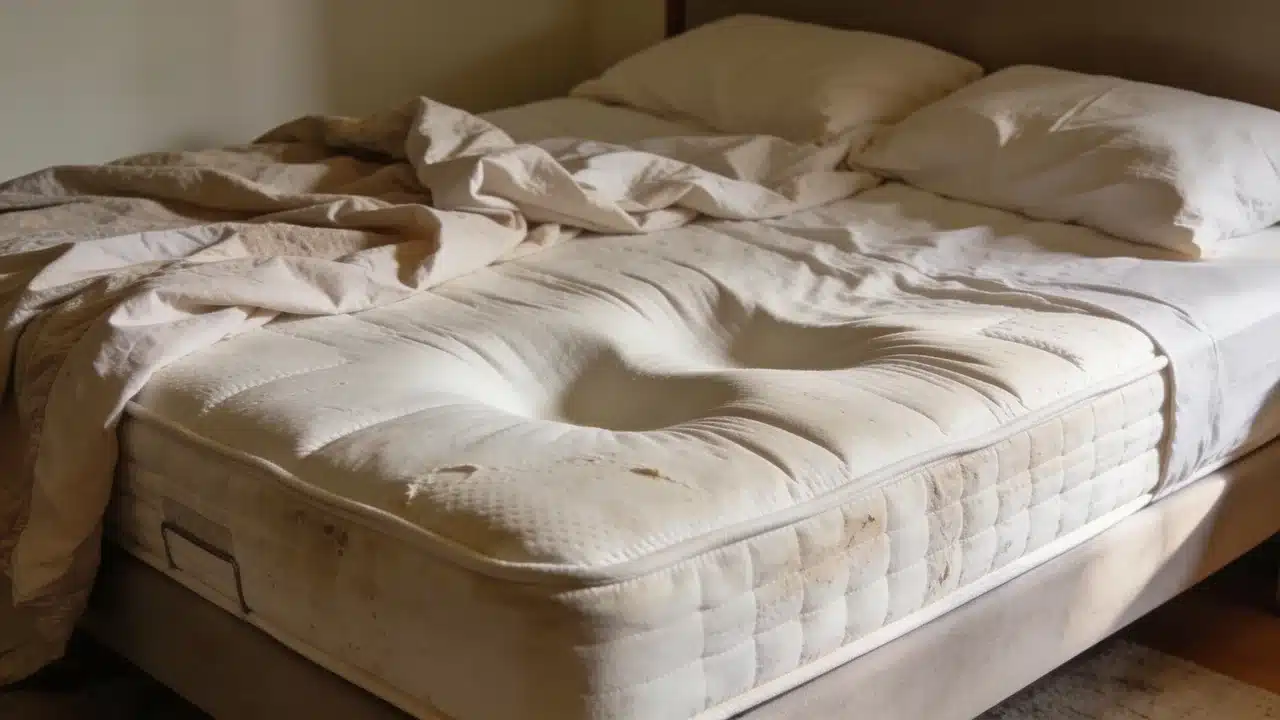
These signs indicate that a mattress can no longer support proper sleep. Checking for them helps catch the problem before it affects your health or daily routine.
1. Visible Sagging
Deep dips or visible body impressions show that the mattress has lost its original support structure. Sagging of one inch or more is a clear sign that replacement is due.
Look along the side of the mattress. Uneven areas you do not feel while lying down are often visible from that angle.
2. Morning Aches and Stiffness
Persistent back, neck, or hip discomfort upon waking suggests that the mattress no longer adequately supports your body.
Stiffness that clears up within the first hour of waking is a common sign. If you sleep better in a hotel or on another bed, your mattress is likely the cause.
3. Poor Sleep Quality
Increased tossing and turning or trouble staying comfortable at night can mean the mattress is breaking down. Sleep problems that appear only in bed often point to the mattress first.
If your sleep has declined without any other changes in your routine, the mattress deserves a closer look.
4. Uneven or Lumpy Surface
A surface that feels uneven or shows visible spring bumps indicates that internal materials have broken down. Sleeping on an uneven surface affects spinal alignment and disrupts sleep quality.
You may not notice the unevenness at first. Over time, your body registers it through increased discomfort and restless nights.
5. More Allergies or Odors
An older mattress accumulates dust mites and allergens, which worsen allergy symptoms over time. A persistent musty odor usually means moisture has reached the inner layers.
If your symptoms improve when sleeping elsewhere, the mattress is likely the cause. A protector alone will not fix the underlying buildup.
6. Increased Motion Disturbance
Feeling a partner’s movements more strongly than before can mean the mattress is losing its ability to absorb motion. Springs or foam that no longer isolate movement signals internal wear.
Small shifts in the night should not wake you. If they do, the mattress has likely broken down inside.
How Often Should You Replace Your Mattress?
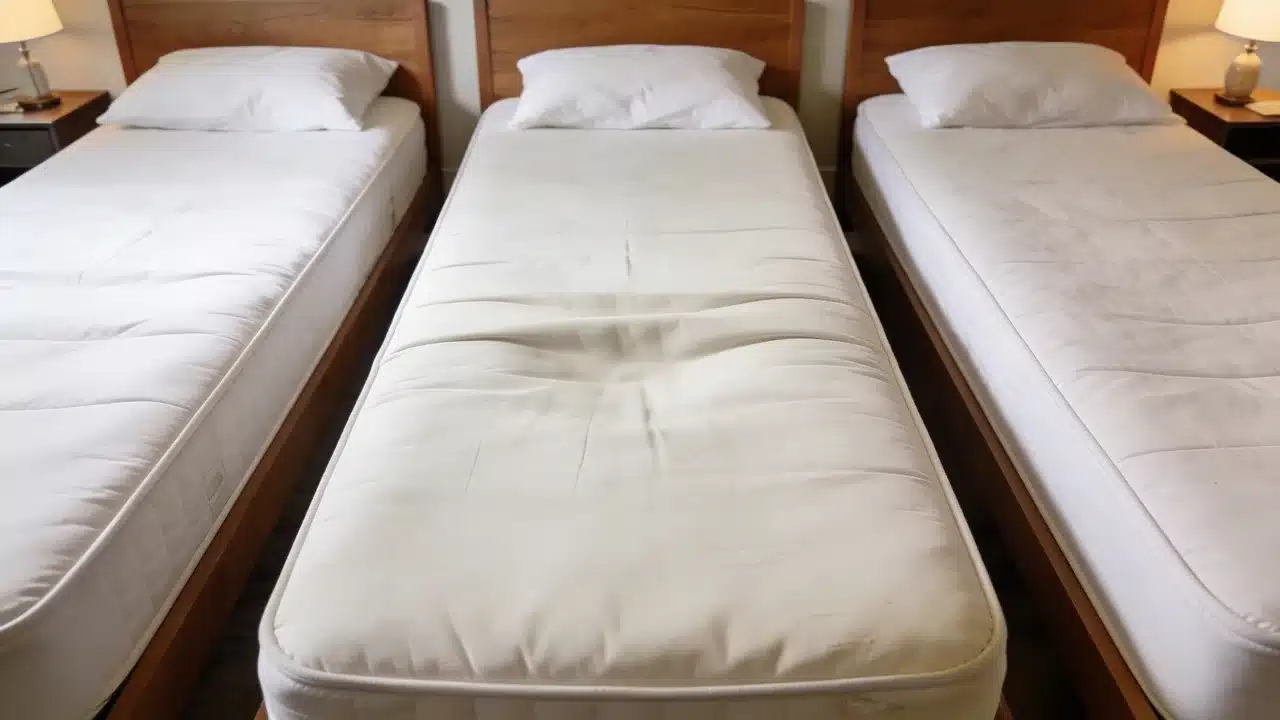
Replacing a mattress depends more on how it feels than on a fixed schedule. The table below outlines what to check at each stage of a mattress’s age.
| Mattress Age | What to Consider |
| Under 5 years | Usually within a normal lifespan |
| 5–7 years | Check comfort and support |
| 7–10 years | Common replacement period |
| 10+ years | Evaluate the condition carefully |
This comes down to how the mattress performs and feels, not a fixed number of years. That’s really the honest answer to how often you should replace your mattress.
What Affects How Long a Mattress Lasts?
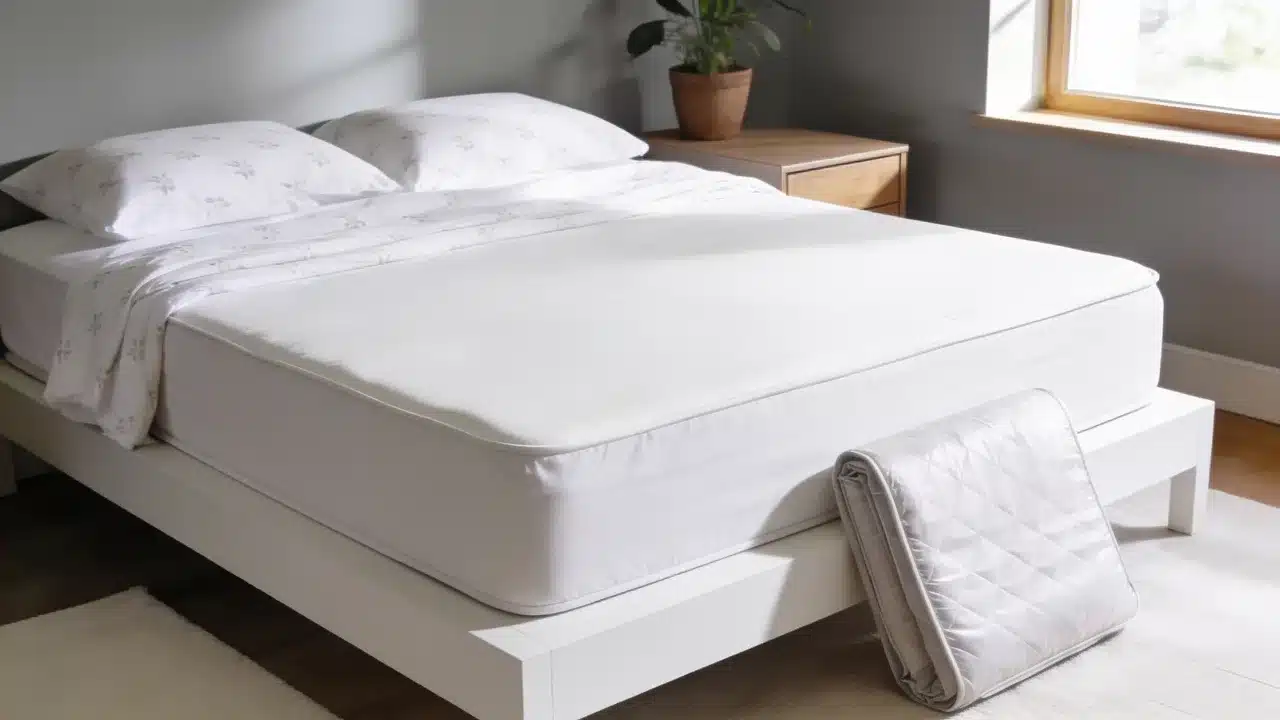
Three things shape this: materials, usage frequency, and the conditions in which the mattress is kept.
1. Material Quality and Construction
The materials inside a mattress shape how long it holds its shape. High-density foam compresses less under body weight and typically lasts longer than low-density options.
Latex resists breakdown better than most foam types. Coil design and layer construction also affect how long the support holds up.
2. Usage Frequency
A mattress used every night ages noticeably faster than one kept in a guest room. Daily use means more compression cycles and less recovery time between uses.
Guest room mattresses often last years longer because they carry body weight far less often.
3. Body Weight and Sleeping Style
Greater body weight increases the total pressure on the foam and coils, causing the materials to break down faster. Sleeping positions also affect wear patterns.
Side sleepers place concentrated pressure on the hips and shoulders. Stomach sleepers tend to put more strain on the center of the mattress.
4. Mattress Foundation and Support System
A mattress typically lasts longer when placed on a compatible foundation. Box springs, slatted bases with gaps of less than 3 inches, and platform beds all affect how weight is distributed.
An unsupported or broken frame leads to faster sagging and uneven wear.
5. Sleep Environment
The bedroom environment affects how long materials stay in good condition. High humidity causes moisture buildup inside the mattress, which accelerates foam breakdown.
Poor ventilation and temperature swings put extra strain on materials. Using a breathable cover and keeping the room dry extends the mattress’s life.
Can You Make a Mattress Last Longer?
None of the upkeep below takes much time, and it adds up over the years.
Use a waterproof mattress protector to stop spills and moisture from reaching inner layers. Rotate the mattress every three to six months if the manufacturer recommends it.
This spreads compression across different areas of the foam or coils. Vacuum the surface occasionally and avoid sitting on the same edge every day.
Use a compatible foundation and check that it still supports the mattress evenly.
A mattress topper can delay surface wear, but it cannot repair underlying structural issues. If sagging is already noticeable, a topper only temporarily covers the problem rather than addressing the cause.
What Your Mattress Warranty Covers
A mattress warranty covers manufacturing defects, not loss of comfort. The table below compares warranty reality with actual replacement timing across common situations.
| Situation | Replacement Consideration | Warranty Reality |
| Daily-use mattress | Usually 7–10 years | Warranty covers defects, not normal aging |
| Couple’s mattress | May wear faster | Comfort loss is usually not covered |
| Guest mattress | Often lasts longer | A longer warranty does not guarantee lifespan |
| Premium latex mattress | Can last 10–15 years | Warranty reflects coverage, not perfect performance |
| Older mattress (10+ years) | Inspect support and comfort | Replacement depends on the condition |
Mattress Topper vs Full Replacement
A topper improves the surface feel but cannot fix underlying structural problems.
Use a topper if:
- The mattress has a solid structure but feels too firm or too soft
- There is no visible sagging, body impressions, or uneven areas
- The mattress is under 7–8 years old with no signs of structural damage
- You want to protect the sleep surface and add time before a full replacement
Replace the mattress if:
- Visible sagging or deep body impressions are present
- Springs feel broken, or the surface is noticeably uneven
- You wake with pain regularly that eases within an hour of getting up
- The mattress is over 10 years old
- Poor sleep quality persists night after night despite no other changes
In my experience, a topper usually buys a few months before the underlying problem resurfaces. If the mattress has already given out, replacement is the right call.
The clearest test is to press down firmly across the sleep surface. If the mattress springs back evenly, a topper may be enough.
If certain areas stay compressed, the structure has already given out.
Happy Reading
A mattress does not announce when it’s done, it just quietly stops supporting you. So how long does a mattress last?
Usually 7 to 10 years, though the actual timing depends on the type, usage, and how it feels. Sag, poor sleep, and persistent stiffness are clearer signals than the calendar.
A good foundation, regular rotation, and a protector add real years. As for how often you should replace your mattress, as soon as it stops giving you good sleep.
If yours already shows two or more signs above, start comparing mattresses today.
Frequently Asked Questions
How Long Should a $2000 Mattress Last?
A $ 2,000 mattress can typically last 8–12 years when made with quality materials and properly maintained. Lifespan still depends on construction, usage, and care.
Can a Mattress Last for 20 Years?
Most mattresses do not maintain proper support for 20 years. High-quality latex models may last longer than average, but replacement depends on condition and comfort.
How Often Should You Replace a Mattress?
Most mattresses should be replaced every 7–10 years, but signs like sagging, discomfort, and poor sleep quality matter more than age alone.
How to Tell if a Mattress is Worn Out?
Common signs include visible sagging, uneven surfaces, increased motion transfer, waking with stiffness, and a noticeable decline in sleep comfort.
Based on the confirmed snippet text from the article, here is the full modified FAQ answer with the link embedded:
Do Toddler Beds Use the Same Mattress Size as a Crib?
Often yes. Many toddler beds are designed to use a standard crib mattress, with the same 28 x 52-inch dimensions. Check the toddler bed’s instructions before assuming the transition will work, as some designs differ slightly.