




When people start comparing paint finishes, one question comes up again and again: matte vs. flat paint.
As a color consultant, I help clients choose paint colors and finishes that work for their homes. Over the years, I’ve seen how small differences in sheen can affect both the look of a room and how well the paint holds up.
Flat and matte finishes both create that soft, low-sheen look many homeowners like. At first glance, they can seem almost identical.
But once you understand how they perform on real walls, the differences start to matter. Let’s break it down in a simple way so you can choose the right finish with confidence.
Flat Paint: What You Should Know Before Choosing It

Flat paint creates a soft, non-reflective surface that works especially well when you want walls to look smooth and subtle.
With almost no sheen, it absorbs light instead of bouncing it back, which helps hide dents, patches, and uneven texture. This makes it a practical choice for ceilings and low-traffic rooms where durability is less of a concern.
However, the same matte finish that hides flaws can also make cleaning difficult. Scrubbing often leaves shiny spots or discoloration. It is generally more affordable than higher-sheen options, but it does not hold up well in busy areas.
Choosing flat paint works best when appearance matters more than washability or heavy wear resistance.
Matte Paint: What You Should Know Before Choosing It

Matte paint offers a balance between appearance and durability, making it a practical option for many interior spaces. It has a low sheen that keeps walls looking soft and modern, while still reflecting a small amount of light for added depth.
Unlike flat paint, matte can handle gentle cleaning without leaving shiny marks, which makes it more suitable for bedrooms, living rooms, and other moderate-traffic areas. It still does a good job of hiding minor imperfections, though not quite as well as flat finishes.
Matte paint typically costs a bit more per gallon, and durability can vary by brand. Overall, it provides a refined look with improved everyday performance compared to flat paint.
Best Use Cases for Flat vs. Matte Paint
Choosing between flat and matte isn’t about which looks better; it’s about matching the paint to how the space gets used. Here’s where each finish shines and where it struggles.
1. Ceilings
Matte paint can work on ceilings in very modern homes where you want a touch more depth, but it costs more with no real benefits. Lighting matters too; flat absorbs light better in bright rooms.
Professional painters almost always use flat paint on ceilings because it hides imperfections very well.
There’s no reason to worry about cleaning up there. The lack of sheen also prevents distracting light reflections from windows or fixtures.
2. Low-Traffic Areas
Matte paint also works here if you prefer slightly easier cleaning, but flat is usually the budget-friendly winner. Both finishes let your wall color shine without distracting from the shine.
Flat paint works beautifully in adult bedrooms, formal dining rooms, and guest rooms because these spaces don’t get touched much. You won’t deal with scuffs or dirty handprints, so durability isn’t a concern. The smooth, stylish look makes rooms feel calm and sophisticated.
3. High-Traffic Areas
Matte paint is the smarter choice for hallways, busy living rooms, and dining spaces where people constantly pass through. It handles light bumps, occasional cleaning, and everyday wear much better than a flat.
Flat paint will show scuffs and marks that are hard to remove in these areas. Matte still gives you that low-sheen look, but with the toughness you need. It’s worth spending a bit extra to avoid repainting within a year.
4. Homes With Kids or Pets
Matte paint usually performs better because it survives sticky fingers, paw prints, and the occasional crayon mark. Premium matte paints with stain-resistant formulas are absolutely worth the investment; they wipe clean without burnishing or damage.
Flat paint will frustrate you quickly in active households. While matte costs more upfront, it saves you time, stress, and repainting costs down the road. Choose a washable matte for peace of mind.
Matte vs Flat Paint: Side-by-Side Comparison
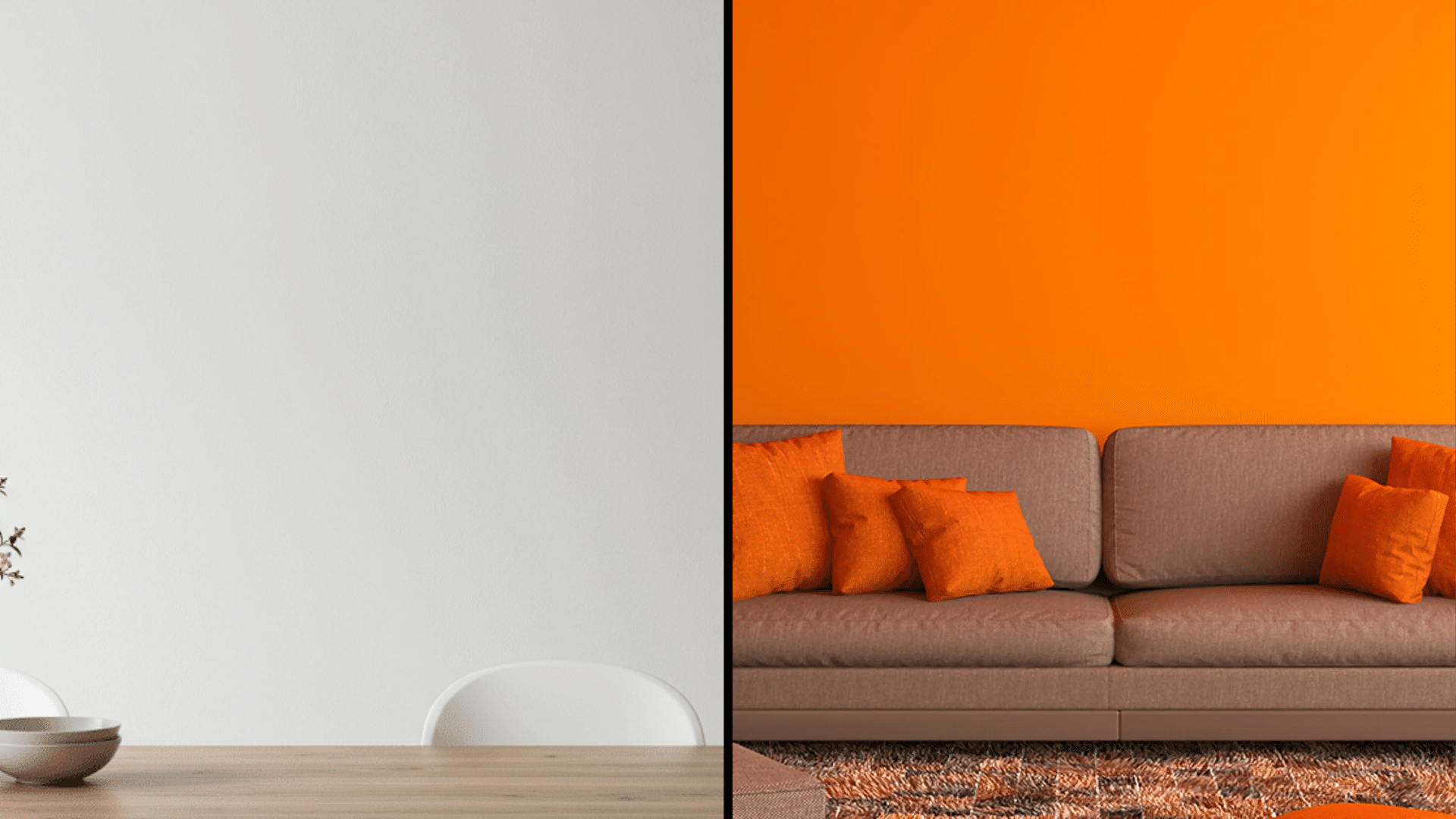
Sometimes you need to see the differences laid out clearly to make the right call. Here’s everything that matters when choosing between matte and flat:
| Feature | Flat Paint | Matte Paint |
|---|---|---|
| Sheen Percentage | 0–5% | 3–10% |
| Light Reflection | Absorbs almost all light | Reflects a small amount of light |
| Durability | Low. Marks easily. | Moderate. Handles daily wear better |
| Cleanability | Hard to clean | Can be gently wiped |
| Touch-Up | Blends very well | Good but slightly visible |
| Cost Per Gallon | $25–$45 | $35–$60 |
| Best Use | Ceilings, low-traffic rooms | Bedrooms, living rooms |
| Longevity | Shorter lifespan | Lasts longer |
Use this chart as your quick-reference guide: match your space’s traffic level and cleaning needs to the right finish.
Common Mistakes to Avoid
Avoiding these mistakes isn’t just about aesthetics: it’s about protecting your investment and ensuring a finish that lasts:
- Using flat paint in high-traffic areas leads to scuffs and stains that are nearly impossible to wipe clean.
- Applying a matte finish to damaged drywall highlights every imperfection rather than concealing them.
- Skipping paint samples before committing can result in costly color mismatches once the paint dries.
- Ignoring sheen levels in specific rooms, such as bathrooms or kitchens, can cause premature peeling and moisture damage.
- Overlooking primer before painting over dark or damaged walls leads to uneven, patchy final results.
Take the time to plan, test, and choose wisely, because the right preparation today saves you from expensive corrections tomorrow.
What Do Professional Painters Recommend?
In my work as a color consultant, I often speak with professional painters before starting a project. Most contractors give the same advice: use flat paint on ceilings. It hides drywall seams, roller marks, and small imperfections better than other finishes. It also absorbs light, which prevents glare from windows or ceiling fixtures.
For walls, many painters I work with now recommend matte paint as the standard interior finish. It keeps the soft, low-sheen look homeowners like while offering better durability for daily living. Over the years, I’ve seen fewer professionals use flat paint on walls because clients want surfaces they can clean.
Major brands such as Benjamin Moore and Sherwin-Williams now support this shift with improved matte formulas.
Community Discussion: What Will Work For Your Home?
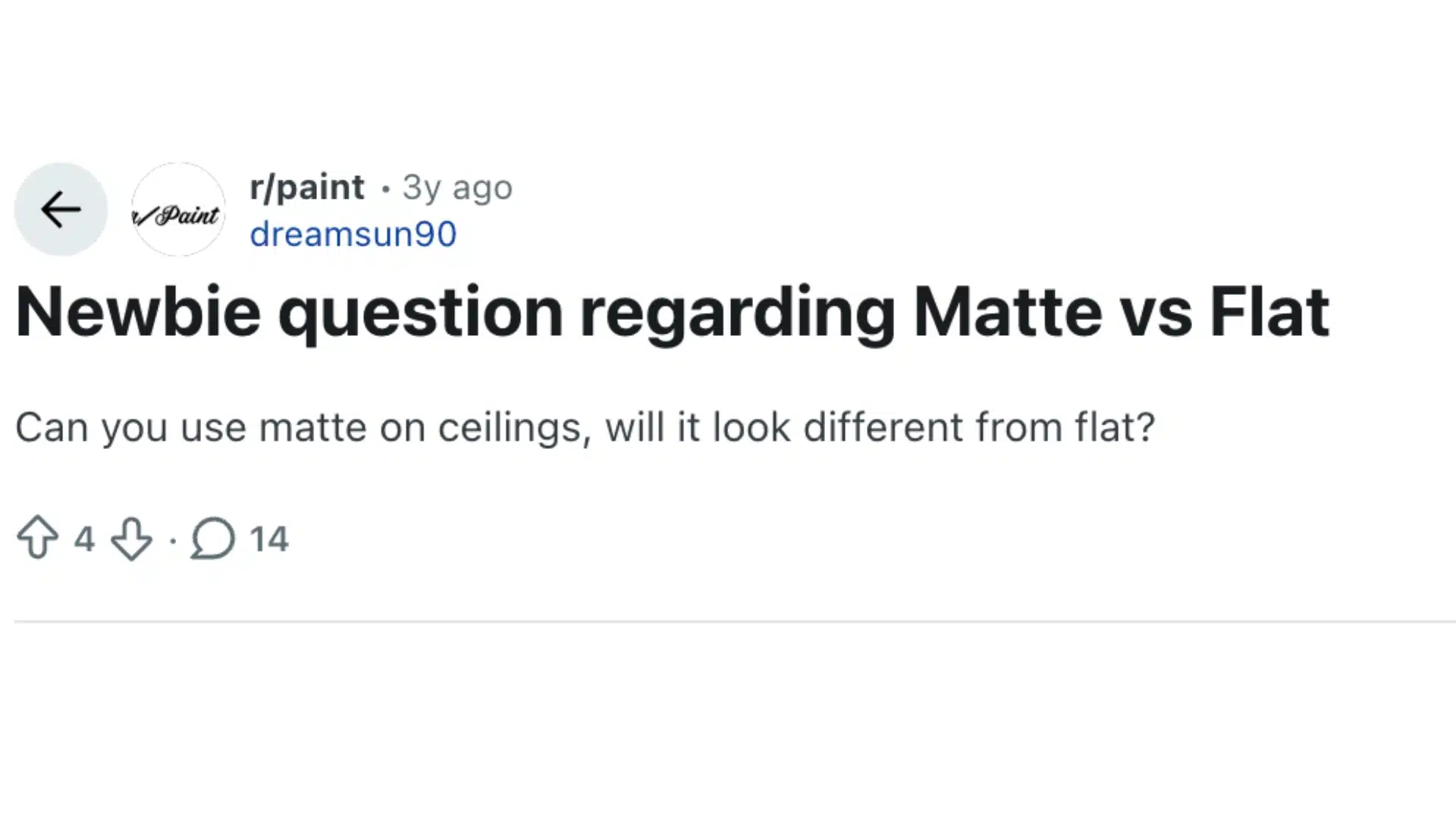
Before you make your final decision, it’s worth hearing from people who’ve actually lived with these finishes.
I found an incredibly helpful Reddit post where homeowners shared their real experiences with matte versus flat paint, the good, the bad, and for the “I wish I’d known that sooner” moments.
Some painters explained that flat usually works best on ceilings because it hides roller marks and uneven drywall. Others said matte can look almost the same, depending on the brand, but may show a slight sheen in certain light.
A few warned that not all “matte” labels mean the same thing across companies. Reading through those comments gave me practical insight you won’t see on a paint can. It might do the same for you before you buy.
Final Recommendation
After years of helping clients choose paint finishes, I’ve learned that the right choice depends on how a room is used. When clients ask about ceilings, I usually recommend flat paint because it hides small drywall flaws and reduces light reflection.
For interior walls, I often suggest matte paint since it keeps the soft look people like while holding up better to daily wear.
If a room sees regular activity, matte paint is usually the safer option because it handles light cleaning and minor scuffs more easily.
Once homeowners understand how each finish performs, the decision becomes much clearer. My advice is simple: match the finish to your lifestyle, and your walls will stay looking fresh for much longer.