

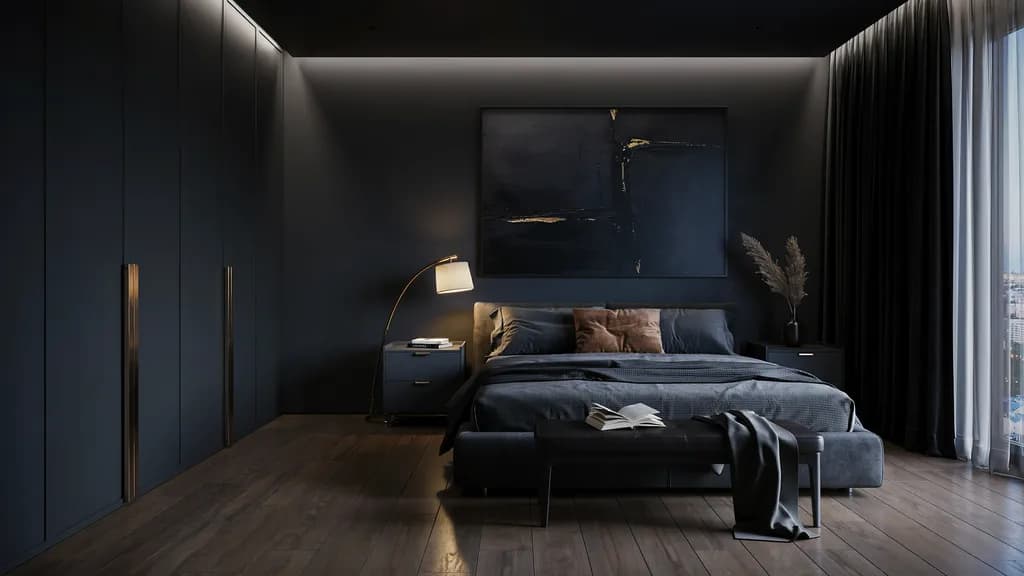
A well-planned black bedroom feels calm and grounded, not gloomy or cramped. Designers pair black walls with brass fixtures, warm wood, and soft linens. The result looks like a magazine spread and sleeps even better. If you’ve been eyeing black bedroom ideas. Black is often avoided because we worry it will make a bedroom feel smaller or absorb too much light. Used thoughtfully, however, it can create depth without sacrificing warmth or personality. These black bedroom ideas show how to use the color across walls, furniture, decor, and rooms of different sizes. Black Bedroom Wall Ideas for a Stylish Space Walls set the tone for a black bedroom. The amount of black you use, along with the room’s lighting, textures, and surrounding colors, determines whether the result feels cozy or overly dark. Some homeowners commit to four black walls. Others prefer just one accent wall or a patterned paper. Here are six ways to bring black onto your bedroom walls the right way. 1. Paint All Walls Black for a Dramatic Bedroom Painting every wall black makes the boldest statement on this list. It works best when the rest of the room balances it out. Use matte or eggshell black paint to create a sophisticated backdrop. Balance with lighter bedding, warm lighting, and textured fabrics. 2. Create a Black Accent Wall Behind the Bed A black accent wall behind the bed is the easiest way to try this trend without full commitment. A black wall creates instant contrast, especially against white, beige, or soft gray walls. It can still work in a small bedroom, since keeping the other walls lighter helps the space feel open. Use black only behind the headboard to create a focal point. Use lighter adjoining walls for stronger contrast. 3. Add Black Wall Paneling for Texture Black paneling turns a flat black wall into something with real depth. Vertical wood slats installed over black paint add texture and a natural element, softening the wall’s dark color. Molding or panel designs work the same way, adding shadow lines instead of relying on paint alone. Combine black paint with wood slats, molding, or panel designs. Use vertical details to emphasize height. Pair textured walls with simpler furniture so the room does not feel overly busy. 4. Try Black Wallpaper with Subtle Patterns Black wallpaper is a good option when a flat painted wall feels too plain. A subtle pattern adds movement without fighting the dark color. Recommend: Geometric prints Botanical patterns Textured finishes Helps prevent flatness in a dark room. Keep the pattern relatively subtle if the bedding, rugs, or furniture already contain strong prints. 5. Pair Black Walls with White Trim White trim is one of the simplest ways to keep a black bedroom from feeling heavy. White baseboards, doors, and molding draw the eye along clean lines rather than a single solid block of color. Use white or off-white baseboards and molding for contrast. Repeat the lighter trim color elsewhere through bedding or decor. Keep the contrast crisp for modern rooms or choose creamier whites for a softer look. 6. Use Black Ceiling Paint for a Cozy Effect A black ceiling pulls the whole room together. Painting the ceiling the same black as the walls creates a cocoon-like feeling that many find calming. In bedrooms with good natural light or high ceilings, this is a good addition. A low, dim room can feel closed in without enough light to balance it. Creates a cocoon-like atmosphere. Best suited for bedrooms with sufficient lighting and height. Black Bedroom Color Combination Ideas Black works best when another color controls the room’s warmth, contrast, or softness. Lighter neutrals can brighten it, while wood, green, or terracotta add warmer, more natural tones. Here are eight combinations that work well with black bedroom ideas. 7. Black and White Bedroom This is the classic pairing for a modern black bedroom. White keeps the room feeling crisp instead of heavy. Aim for roughly a 60/40 split between black and white surfaces, with white on larger areas like bedding or walls, so the room reads as sharp rather than stark. Use white bedding, rugs, or curtains against dark walls. Repeat black in smaller details to tie the palette together. Works especially well in modern, minimalist, and Scandinavian-inspired rooms. 8. Black and Beige Bedroom Pairing black with beige creates a softer, more effortless bedroom aesthetic and a cozy feel without feeling too dark. Warm beige keeps a black bedroom from feeling cold. Use beige on the largest surfaces, such as the walls or an area rug, and save black for furniture or accents so the room stays warm rather than heavy. Pair the combination with linen, wool, and woven materials. Use beige when you want contrast without a sharp black-and-white look. Add warm wood tones to make the palette feel more relaxed. 9. Black and Wood Bedroom Wood elements introduce warmth and a natural vibe, softening the boldness of black. Lighter woods like oak or ash brighten a black room more than darker walnut, so pick a wood tone based on how much natural light the space already gets. Add oak, walnut, or reclaimed wood furniture. Use visible wood grain to break up smooth black surfaces. Pair wood with black metal fixtures for a mixed-material look. 10. Black and Gold Bedroom Metallic decor pieces, like brass, gold, or silver, pop against a black wall and add a touch of luxury. Keep metallic details concentrated in a few areas so they feel intentional rather than decorative for their own sake. Use brass or gold on lighting, handles, or mirror frames. Repeat the same metal finish in two or three places. Balance reflective accents with softer fabrics and matte surfaces. 11. Black and Green Bedroom Deep green tones sit close to black on the color wheel, so the pairing feels natural rather than jarring. Olive, sage, or emerald all work well against black walls or bedding. Pair black with olive, sage, or emerald tones. Introduce green through bedding, upholstery, artwork, or plants. Add natural wood or woven materials to reinforce the organic feel. 12. Black and Gray Bedroom Layering black with different shades of gray keeps a room feeling modern without adding another color. Charcoal, soft gray, and black together read as one cohesive palette rather than clashing tones. Combine black with charcoal and soft gray. Use lighter gray on textiles to create contrast. Add texture so the monochromatic palette does not appear flat. 13. Black and Terracotta Bedroom Terracotta and other clay tones carry warmth that plain black walls lack on their own. This combination suits Mediterranean-style or earthy interiors especially well. Use terracotta through bedding, cushions, pottery, or rugs. Warm clay tones soften the intensity of black. Works well with Mediterranean and earthy interiors. 14. Black and Cream Bedroom Cream reads softer than bright white against black. It works well for anyone who wants contrast without a stark, high-fashion look. Use cream bedding, curtains, or rugs against black walls. Repeat cream across several surfaces to distribute the contrast. Works well in cozy, transitional, and traditional bedrooms. Black Bedroom Furniture Ideas Furniture is often the easiest way to bring black bedroom ideas into a room without committing to full black walls. A single black bed frame or dresser can do the work of an entire color scheme. Here are six ways to use black furniture well. 15. Add a Black Upholstered Bed An upholstered bed softens the hard edge that black furniture can have. Velvet, linen, or boucle textures add softness against the dark color. It pairs best with cream or oatmeal bedding and a woven jute or wool rug underneath. Velvet, linen, or boucle textures add softness. Creates a strong focal point. Pairs best with: cream bedding, natural rugs, and brass reading lamps. 16. Choose a Black Wooden Bed Frame A black wooden frame suits minimalist and contemporary bedrooms especially well. Its clean lines keep the piece from feeling too heavy in the room. Warm wood nightstands and a light oak floor balance the frame’s dark tone. Pair with oak or walnut side tables. Use white, beige, or muted bedding for contrast. Add a textured throw to soften the frame’s straight lines. 17. Use Black Nightstands for a Matching Look Matching black nightstands on either side of the bed create instant symmetry. Warm lamps on top keep the pair from reading as too stark. Gold or brass lamp bases and a soft table runner soften the matched black look. Creates symmetry around the bed. Add warm lamps to soften the appearance. Pairs best with: brass or gold table lamps, a light-colored table runner, and small ceramic decor pieces. 18. Add a Black Dresser or Storage Cabinet A black dresser adds real storage while keeping the room’s color story intact. Balance it with lighter decor pieces on top so it does not become the only dark element in the room. A woven basket or two, plus a light-colored vase, keeps the surface from feeling heavy. Style it with a cream, terracotta, or ceramic vase. Add rattan or woven baskets nearby. Hang a mirror above it to introduce a reflective surface. 19. Create a Black Built-In Wardrobe Wall A black built-in wardrobe wall gives the room a custom, cohesive look. Integrated interior lighting keeps it functional and stylish. Pairing the wall with a lighter ceiling and a wood- or brass-handle detail keeps the wall from closing in the room. Add warm interior wardrobe lighting. Use brass, bronze, or matte-gold handles for contrast. Keep the ceiling or surrounding walls lighter if the wardrobe occupies most of one wall. 20. Add Black Metal Furniture Accents Black metal furniture adds an edge without taking over the whole room. It works well in small doses across several pieces. Pair metal accents with warm wood or a soft textile to keep the look from feeling too industrial. Examples: Bed frames Side tables Shelving Mirrors Pair the metal with warm wood, linen, cotton, or one additional metal finish such as brass or bronze. Black Bedroom Decor Ideas Decor is what makes a black bedroom either feel flat or come to life. Texture, light, and a few well-placed accents make the biggest difference. These eight ideas cover the details worth getting right. 21. Layer Black Bedding with Different Textures Black bedding in a single flat fabric can look plain under normal light. Mixing textures adds depth without adding another color to the room. Include: Cotton sheets Quilted blankets Velvet pillows Linen throws Texture is what keeps black bedding from looking flat. A quilted blanket over smooth cotton sheets, or a velvet pillow against a linen throw, catches light differently across the bed. That variation gives the eye something to notice, even in a single color. 22. Add Warm Lighting to a Black Bedroom Layered lighting with warm bulbs prevents a black room from feeling too heavy. Lighting matters more in a black bedroom than almost any other design choice. Cover: Wall sconces Pendant lights Bedside lamps Dimmable fixtures Warm bulbs, in the 2700K to 3000K range, soften black paint and dark furniture. Cool white bulbs tend to make black surfaces look flat and a little cold. Dimmable fixtures let you adjust the mood between daytime brightness and evening warmth. 23. Use Mirrors to Reflect Light Mirrors and reflective surfaces can help bounce light around the room and offset the darkness. A large mirror does double duty in a black bedroom. Large mirrors help bounce natural and artificial light. Choose black frames for a cohesive look. 24. Add Large Artwork Against Black Walls Light-colored artwork stands out clearly against black walls and can break up a large uninterrupted dark surface. One substantial piece often creates a cleaner focal point than many small frames. Choose artwork with cream, white, muted, or metallic details. Size the piece to be proportional to the bed or dresser below it. Leave some empty wall space around the artwork. 25. Use Plants to Soften Black Interiors Wood elements and greenery introduce warmth and a natural vibe, softening the boldness of black. Plants achieve the same effect through color and life rather than texture. Use plants as small green accents against dark walls. Snake plants, pothos, and ZZ plants are well-suited to bedrooms with lower light levels. Choose simple planters so the foliage remains the main contrast. 26. Add Soft Rugs for Warmth A soft rug underfoot balances the hard visual weight of black walls or furniture. Texture matters here as much as color. Use: Cream rugs Beige textures Patterned designs 27. Style Black Curtains for a Dramatic Look Blackout curtains work best in bedrooms that need full darkness for sleep or in rooms with strong morning light. They can also make a room feel smaller on their own. Use blackout curtains when blocking morning or street light is the priority. Balance them with a lighter sheer layer or a light-colored curtain rod for contrast. Mount curtains higher to emphasize ceiling height. 28. Add Metallic Accents for Contrast Metallic finishes catch light in a way flat black paint cannot. A mix of one or two metal tones tends to look more intentional than several at once. Examples: Brass Gold Chrome Bronze Repeat the chosen metal through details such as lamp bases, handles, frames, or curtain hardware. Black Bedroom Style Ideas Black adapts to almost any design style, from stripped-down minimalism to full-on maximalism. The style you choose changes how much black you use and what you pair it with. Here are six directions to take a black bedroom. 29. Modern Black Minimalist Bedroom A minimalist black bedroom relies on simple shapes and very little clutter. The color does the visual work instead of pattern or ornament. Features: Clean lines Simple furniture Limited decoration Neutral accents 30. Luxury Black Bedroom with Velvet Details Velvet adds a soft, high-end feel that plain black paint or fabric cannot match on its own. This style leans dramatic on purpose. Use: Velvet headboard Plush bedding Statement lighting 31. Black Scandinavian Bedroom Scandinavian design usually avoids heavy color, so keep black light here. Keeping the rest of the room bright balances the one dark note. Balance black with: Light woods Neutral textiles Simple decor 32. Black Industrial Bedroom Industrial style pairs naturally with black, since both lean toward raw, unfinished materials. Metal and exposed surfaces fit right into this look. Combine it with: Black or aged metal finishes Exposed brick or concrete Dark furniture Warm wood details Adding wood or softer textiles keeps the room from feeling overly hard or utilitarian. 33. Black Bohemian Bedroom A boho black bedroom trades sleek surfaces for texture and pattern. Natural textiles and woven pieces warm up the coolness of black. Combine black with: Rattan Textiles Plants Handmade decor 34. Dark Cottage-Core Inspired Bedroom Dark Cottage-core style leans into black’s dramatic side rather than softening it. Rich fabrics and antique details give the room a sense of history. Use: Antique-style furniture Rich fabrics Ornamental details Black Bedroom Ideas for Different Space Types Not every home has the same room to work with. A black bedroom idea that works in a large main suite might not suit a small apartment or a low-light room. These ideas cover common real-world situations. 35. Small Black Bedroom Ideas A black accent wall can work in a small bedroom by anchoring the space and adding depth, as long as adjacent walls stay lighter. Full black walls can work too, but need more careful lighting. Try: Use black on one wall Add mirrors Keep furniture minimal Use layered lighting 36. Black Bedroom Ideas With Low Natural Light A room with little daylight needs extra help to keep black from feeling dim. Warm bulbs and reflective surfaces do most of the work here. Include: Warm bulbs Reflective surfaces Lighter fabrics Avoid full matte black everywhere, since matte finishes absorb more light than a satin or eggshell black would 37. Black Bedroom Ideas for Couples A shared bedroom needs a color palette and storage plan that work for two people, not one. Comfortable, neutral-leaning textures keep the space feeling calm for both partners. Include: Balanced color palettes Storage solutions Comfortable textures Neutral accents 38. Black Bedroom Ideas on a Budget You do not need a full renovation to bring black into a bedroom. Small, targeted changes get most of the visual impact for a fraction of the cost. Include: Black paint updates New bedding Decorative accents DIY furniture changes Things to Check Before Choosing Black Bedroom Walls A black bedroom can look striking, but it does not suit every space equally well. Before choosing the paint, consider your room’s size, lighting, and overall feel. How tall are your ceilings? Low ceilings can feel lower under a fully black room. If your ceilings sit under eight feet, consider stopping the black at the walls and keeping the ceiling white. Which direction do your windows face? A north-facing room gets soft, indirect light most of the day. Black can feel flat and cool in that kind of light. A south- or west-facing room gets warmer, stronger light, which balances black paint far better. How big is the room, really? Small bedrooms under 120 square feet can handle black on one or two walls without trouble. A fully black room that size often feels tighter than it is. Larger rooms have more room to absorb the color without feeling cramped. What color is your flooring? Dark hardwood or dark carpet paired with black walls can blur the line between floor and wall. Light flooring, like pale oak or a cream rug, gives the eye a clear stopping point. Does this room connect to another space? A black bedroom next to a bright, open hallway can feel like a sudden drop in energy. Adding a lighter accent near the doorway, such as a runner rug or a pale trim color, softens the transition. Final Thoughts Black is one of the boldest choices you can make in a bedroom, but it rewards a little planning. The best black bedroom ideas balance the color with light, texture, and warmth instead of using it alone. Walls, furniture, decor, and lighting all affect whether the final room feels cozy or cold. Start small if you’re unsure, with one accent wall or a few black furniture pieces, then build from there. Done well, a black bedroom can feel calm, grounded, and far more inviting than most people expect.
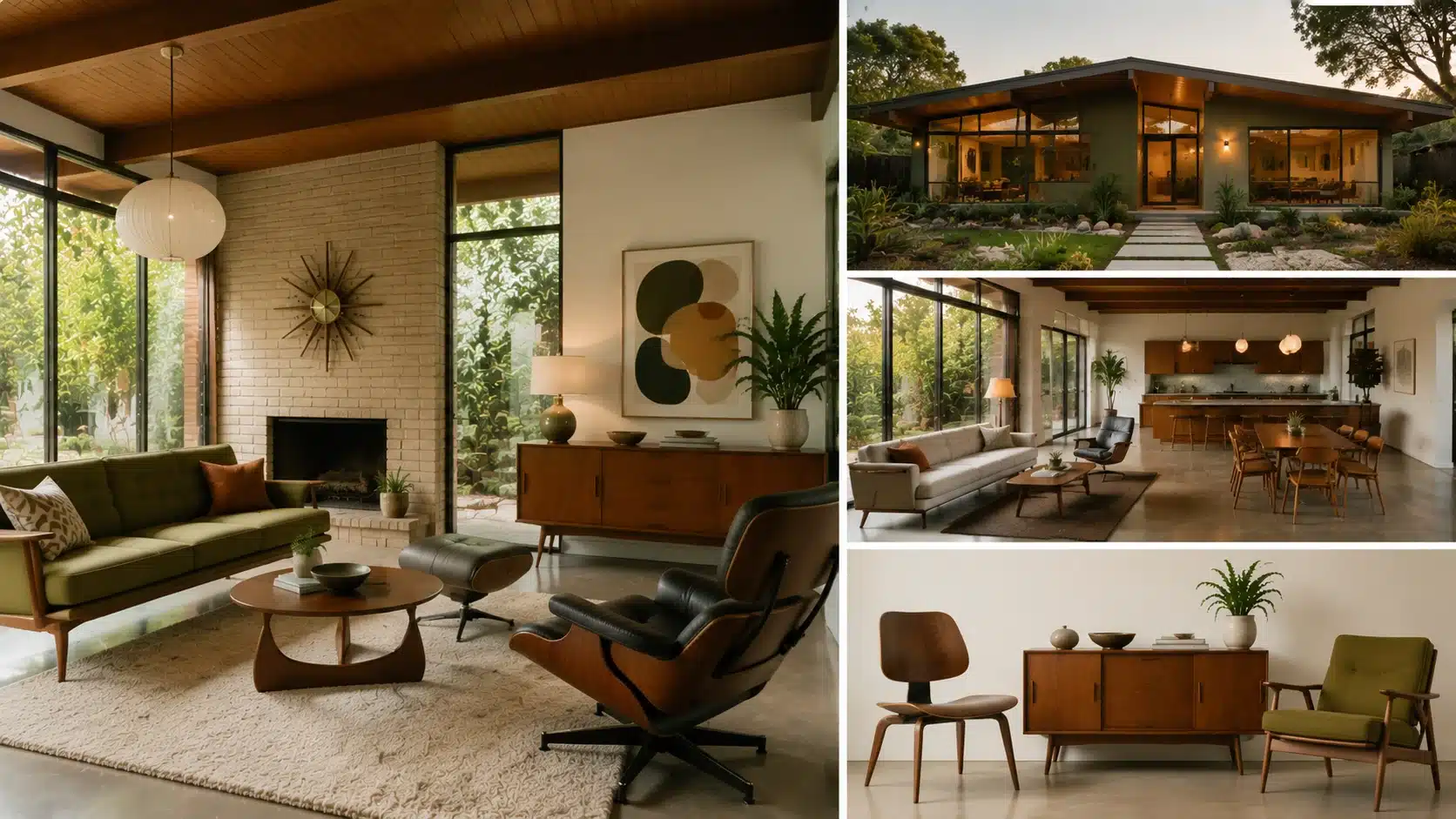
Quick Answer: Mid-century modern is a postwar design movement, roughly 1945 to 1969, built on uncluttered forms, tapered wood furniture, large windows, and open layouts. It values everyday usefulness over ornament, staying warm rather than stark. If you have walked into a room with clean lines and warm wood tones, you have likely seen mid-century modern design. The style gets mixed up with modern and contemporary decor all the time. That confusion makes it hard to know what you are actually shopping for. This blog breaks down what the style means, where it came from, and how it looks in real homes. You will find its history, its defining features, and room-by-room ideas. What Defines Mid-Century Modern Design? Mid-century modern design is defined by a balance of function, simplicity, and visual warmth. The style focuses on uncluttered spaces, practical furniture, and the thoughtful use of materials such as wood, leather, glass, and metal. Each element serves a purpose instead of adding decoration. Furniture features tapered legs, curves, and geometric shapes, while layouts focus on openness and indoor-outdoor connections. The style gained popularity after World War II as designers created practical pieces for changing lifestyles. Its timeless forms and usability keep it relevant in modern homes. The History Behind Mid-Century Modern Design Understanding its history reveals how postwar optimism, new technology, and a handful of designers built a style focused on practical, accessible living. Soldiers returned home, families expanded, and the country needed housing fast. Builders responded with smaller, simpler homes that dropped ornate details in favor of open layouts and clean construction. The Bauhaus School in Germany pushed the idea that design should serve everyday life rather than decorate it. Scandinavian minimal design added warmth through wood and handcraft. The International Style contributed glass walls and a stripped-down structure. Together, these influences gave American designers a starting point they reworked into something distinctly their own. A handful of designers defined the era and still get credit for it today, like: Charles and Ray Eames, this husband-and-wife team pioneered molded plywood and fiberglass furniture, including the Eames Lounge Chair. Eero Saarinen, known for the Tulip Table and Womb Chair, built both around a single sculptural base. Arne Jacobsen, a Danish architect and designer behind the Egg Chair and Swan Chair. Key Characteristics Of Mid-Century Modern Design The style stays easy to recognize through its balance of simplicity, warmth, and function, mixing architectural openness with carefully considered furniture and decor. Clean Lines And Simple Forms: Mid-century modern furniture and architecture rely on straight lines and simple shapes rather than heavy trim or carved details. Natural Materials And Warm Wood Tones: Teak, walnut, and oak appear throughout mid-century furniture, often left with a light finish that highlights the grain. Connection Between Indoor and Outdoor Spaces: Large windows and sliding glass doors were central to mid-century architecture, not just a decorative choice. Organic and Geometric Shapes: The style pairs sculptural, organic pieces, like curved chairs and rounded coffee tables, with more structured geometric forms. Functional Open Spaces: Open floor plans let mid-century homes feel larger than their square footage suggests. Mid-Century Modern Architecture Features Architecture from this era focused on simplicity, natural light, and a strong connection with nature. Mid-century homes used clean structures, open layouts, and materials that made spaces feel larger and more connected. Flat or low-pitched roofs replaced traditional steep designs, creating a simple geometric profile. Floor-to-ceiling windows brought in natural light and connected interiors with outdoor views. Open floor plans removed unnecessary walls between living areas, while post-and-beam construction used exposed supports to create flexible spaces without interior barriers. Indoor-outdoor living became a defining feature, with patios, courtyards, and sliding glass doors extending the home into the surrounding landscape. Famous examples include The Eames House in Los Angeles, which used prefabricated steel components to create an open design, and The Stahl House, known for its glass corners and dramatic city views. How to Create a Mid-Century Modern Home Today You can achieve this timeless look without turning your home into a museum. Combine classic pieces with modern comforts and your own personal taste. Start with One Statement Furniture Piece: Rather than replacing every item in a room, pick one anchor piece to build around. A lounge chair or a vintage credenza can set the right tone. Mix Vintage and Modern Elements: A room filled with vintage pieces can start to look like a theme rather than a home. Pair a contemporary sofa with a vintage-inspired coffee table. Choose Simple Materials: Stick to wood, glass, metal, and natural fabrics when picking new furniture or finishes. These materials echo the original style. Keep Decor Minimal: Mid-century rooms favor fewer well-made pieces over a room packed with accessories. Choose fewer items, but choose ones that serve a purpose. Mid-Century Modern Design Ideas for Different Rooms Each room can take on mid-century style in its own way. Thoughtful furniture, natural materials, and balanced color keep every space comfortable to live in. 1. Mid-Century Modern Living Room A low-profile sofa, a wooden coffee table, and a sculptural floor or table lamp form the backbone of a mid-century living room. Add one accent chair in Sherwin-Williams Cut the Mustard (SW 6384) or Benjamin Moore Hale Navy (HC-154) to break up the base. 2. Mid-Century Modern Kitchen Flat-panel cabinets in Benjamin Moore Swiss Coffee (OC-45) keep the space bright, while a kitchen island in Sherwin-Williams Renwick Olive (SW 2815) adds a period-accurate pop of color. Simple hardware, like slim brass or wood pulls, and open shelving keep the look consistent. 3. Mid-Century Modern Bedroom A platform bed with a low wooden frame anchors this look, especially against walls in Sherwin-Williams Kilim Beige (SW 6106). Add a nightstand or accent wall in Benjamin Moore Hale Navy (HC-154) for depth, then pair it with warm, layered lighting. 4. Mid-Century Modern Dining Room A mid-century dining room pairs a wooden table with sculptural pendant lighting overhead. For drama, paint an accent wall or built-in hutch in Sherwin-Williams Caviar (SW 6990), which grounds the space and lets a walnut table stand out. Pro tip: Balance a dark wall like Caviar with a lighter rug and plenty of natural light so the room does not feel closed in. 5. Mid-Century Modern Bathroom A mid-century bathroom leans on warm wood vanities, simple fixtures, and a spa-like palette. Benjamin Moore Beach Glass (1564) on the walls brings a calm, blue-green tone that pairs well with teak accents and brass hardware. Pro tip: Test Beach Glass on a poster board and move it around the room, since natural light shifts its blue and green undertones through the day. 6. Mid-Century Modern Home Office A simple wooden desk with tapered legs and an ergonomic chair with a molded shell fit the style well. Paint an accent wall in Sherwin-Williams Cavern Clay (SW 7701) behind the desk, and keep trim in Sherwin-Williams Alabaster (SW 7008) for contrast. Common Shades Used in Mid-Century Modern Interiors Color choices in this style pair earthy neutrals with bold accents, creating spaces that feel warm and balanced without ever looking overwhelming. Earthy Neutral Shades Most mid-century rooms start with a neutral base. These shades echo the natural materials used throughout the style and give bolder colors room to stand out. Shades like Benjamin Moore Walnut (CW-240), Sherwin-Williams Kilim Beige (SW 6106), and Sherwin-Williams Renwick Olive (SW 2815) work well on walls, floors, and larger furniture pieces. Bold Accent Colors Against that neutral base, mid-century interiors add pops of color through smaller pieces like chairs, pillows, and art. Shades like Sherwin-Williams Cut the Mustard (SW 6384), Sherwin-Williams Cavern Clay (SW 7701), and Sherwin-Williams Rustic Red (SW 7593) are common choices. Save bold colors for accent chairs, lamps, or artwork. This keeps the space from feeling too busy while still giving it personality. Popular Mid-Century Modern Furniture Pieces Furniture stands out as one of the clearest markers of this style, combining ergonomic shapes, solid craftsmanship, and materials built for everyday comfort. Furniture Piece Design Features Eames Lounge Chair Molded plywood shell with leather cushions Tulip Table Single pedestal base instead of four legs Wishbone Chair Curved wooden frame with a woven seat Credenzas Low, long storage pieces with clean fronts Lounge Sofas Straight lines with exposed wooden legs Exposed legs are one of the easiest ways to spot mid-century furniture. Lifting a sofa or chair off the floor made rooms feel more open, which mattered in smaller postwar homes. Low-profile designs served the same goal. A credenza that sits close to the floor takes up less visual space than a tall cabinet. Mid-Century Modern Vs Modern Vs Contemporary Design Although these styles share a clean look, their history, materials, and design approach differ enough to help individuals choose the right direction. Style Main Difference Mid-Century Modern Warm materials, vintage influence, organic shapes Modern A broader movement focused on simplicity and function without a fixed time period. Contemporary Reflects current trends, which shift as design preferences change Modern design is the umbrella term under which mid-century modern falls, tied to a specific era. Contemporary design changes with the times instead. It describes whatever is currently popular rather than a fixed set of features. Mistakes to Avoid With Mid-Century Modern Design Avoiding a few common mistakes helps keep the style authentic while creating a home that feels comfortable rather than overly staged or dated. Using Too Many Vintage Pieces: Filling a room with original mid-century furniture can make it look like a period set. Mix in newer pieces to keep the space feeling current. Choosing Poor-Quality Reproductions: Cheap reproductions often use thin veneers or weak joinery that wear out quickly. Look for solid-wood construction and quality materials. Making the Space Too Minimal: Mid-century design values simplicity, but a room stripped of all personality can feel empty rather than calm. Leave room for a few personal touches, like art or plants. Ignoring Comfort: Some mid-century pieces prioritize looks over ergonomics. Test seating before buying it, and pair statement chairs with genuinely comfortable options for everyday use. Mixing Too Many Design Styles: Combining mid-century pieces with several other unrelated styles at once can make a room feel disorganized. Choose complementary styles, like a Japandi interior design. Frequently Asked Questions What years are considered mid-century modern? The style generally spans the 1940s through the late 1960s, with its peak popularity in the 1950s and early 1960s. What makes a home mid-century modern? A mid-century modern home typically features an open floor plan, large windows, clean lines, and a strong visual connection to the outdoors through natural light and indoor-outdoor spaces. Is mid-century modern still popular? Yes. The style remains popular because of its timeless designs, functional layouts, natural materials, and ability to blend easily with modern furniture and decor. What colors are used in mid-century modern design? Common colors include warm wood tones, earthy neutrals, olive green, mustard yellow, burnt orange, and muted accent shades, creating a balanced and inviting look. What is the difference between mid-century modern and contemporary? Mid-century modern refers to a specific design movement from the mid-20th century, characterized by recognizable features. Contemporary design refers to current trends and continues to change over time. Why is Mid-Century Modern Design Still Popular? The style continues to draw homeowners because it combines a timeless look, practical layouts, durable materials, and furniture that still works in modern homes. Mid-century modern design has outlasted most decorating trends because its core ideas were never tied to a fad. Clean lines and open layouts work as well in a city apartment as they did in a 1950s suburban home. The style also lines up with a broader shift toward buying fewer, better things. A well-made walnut credenza or an original Eames chair can outlast several generations of mass-produced furniture.
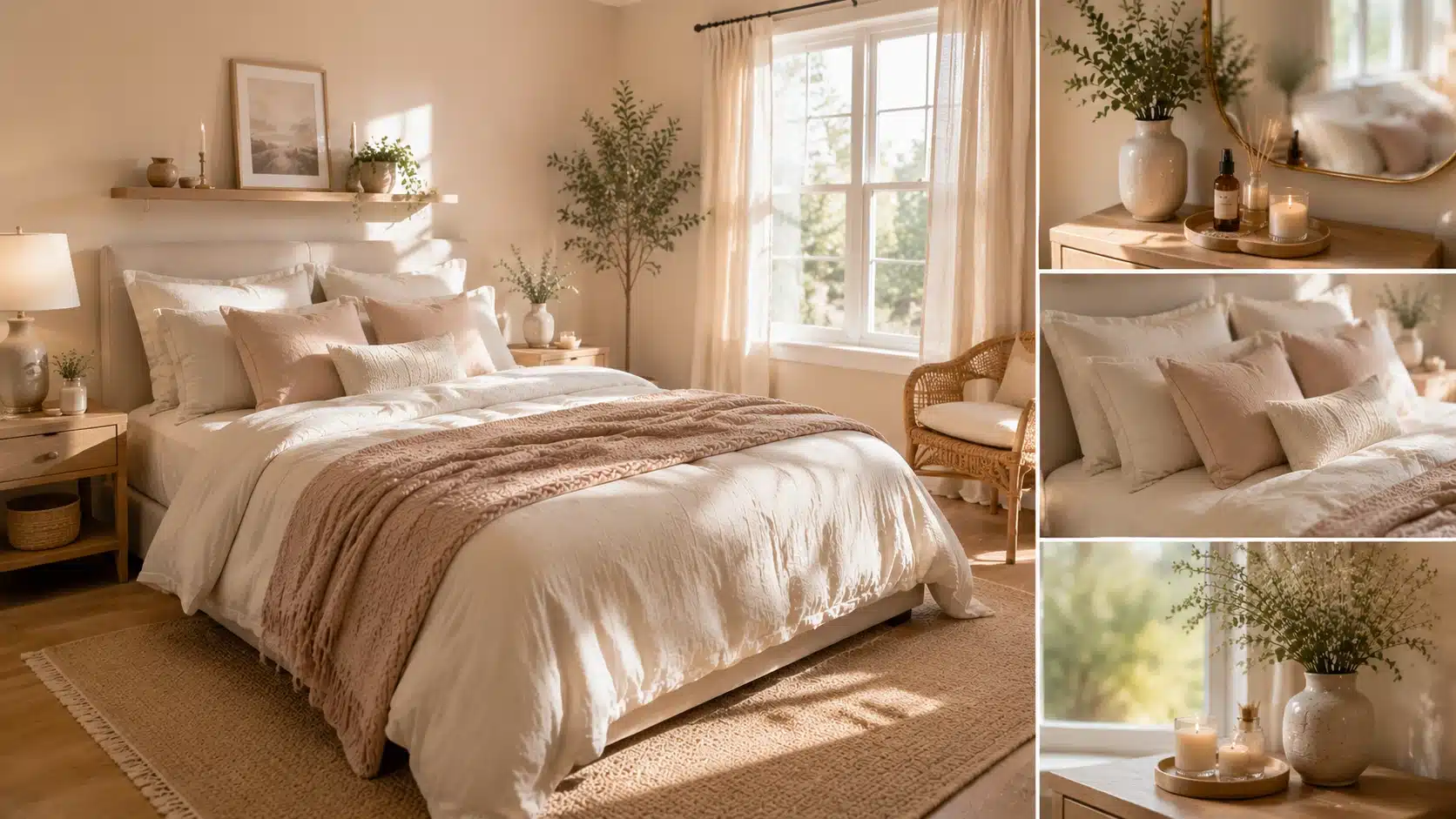
A bedroom should feel like a place where you can slow down, breathe, and reconnect with the person you share it with. Creating a romantic atmosphere doesn’t require expensive furniture or a full renovation. It comes down to a handful of simple choices: soft lighting, comfortable textures, warm colors, and small personal touches that make the room feel like yours. Whether you’re working with a spacious primary suite or a small rented apartment, these romantic, warm, and cozy bedroom ideas are for you. What Makes a Bedroom Feel Romantic, Warm, and Cozy? Before jumping into a list of ideas, it helps to understand the design principles that make a room feel this way in the first place. Most romantic bedrooms share three things: gentle lighting, soft textures, and details that feel personal rather than staged. Soft Lighting Creates a Relaxing Mood: Warm lighting between 2700K and 3000K creates a calming atmosphere. Layer bedside lamps, sconces, and candles rather than relying on harsh overhead lighting. Comfortable Textures Add Warmth: Layer soft bedding, cozy throws, rugs, and fabrics like linen, velvet, cotton, and boucle to add depth, comfort, and a welcoming feel. Personal Details Make the Room Feel Intimate: Add meaningful artwork, favorite books, or shared keepsakes to make the bedroom feel personal, lived-in, and connected to its occupants. Romantic, Warm, and Cozy Bedroom Ideas Once you understand the basics, it helps to see how those principles actually play out in a real room. Below are ideas, each with a few styling tips and a short note on why it works, so you can choose what best fits your space, style, and budget. 1. Layer Soft Neutral Bedding The bed sets the tone for the entire room, so it’s the natural place to start. Soft, neutral bedding in cream, oatmeal, or blush instantly reads as more romantic than bold patterns or stark white sheets, especially once you start layering a few pieces together. Styling Tips Stick to a tonal palette: cream, oatmeal, blush, or soft taupe Layer at least two textures, like linen under a knit throw Add four to six pillows in slightly varying shades for depth Avoid bold patterns that compete with the room’s softness Why It Works: Soft, neutral tones create a calming visual base that feels intimate rather than busy. Layering textures adds richness without adding clutter, which is the balance most romantic bedrooms are built on. 2. Add Warm Ambient Lighting Harsh overhead lighting works against a romantic mood almost every time. Swapping in warm, layered lighting from lamps, sconces, or string lights brings a soft, golden glow that makes a room feel intimate the moment you walk in. Styling Tips Choose warm white bulbs around 2700K over cool or daylight tones Add at least two light sources placed at different heights String lights along a headboard add an easy, romantic touch A dimmer switch gives you flexibility for different moods Why It Works: Warm lighting mimics candlelight and golden-hour sunlight, both of which we naturally associate with relaxation and closeness. 3. Hang Sheer Curtains Sheer curtains add movement, softness, and a slightly dreamy quality to a bedroom, especially when morning light filters through them. Styling Tips Layer sheer curtains behind heavier drapes for flexibility Choose soft white, cream, or blush sheers Hang curtains higher and wider than the window for extra drama Let the fabric pool slightly at the floor for a relaxed feel Why It Works: Sheer fabric diffuses light into a soft, glowing haze rather than harsh direct sun. That gentle movement and glow give the room a quietly romantic quality throughout the day. 4. Decorate with Candles Few things say romantic quite like candlelight. A small cluster of candles on a dresser or nightstand adds warmth and a flickering glow that no light bulb can fully replicate. Styling Tips Group candles in varying heights for visual interest Choose warm scents like vanilla, amber, or sandalwood Flameless candles work well if safety is a concern Place candles on a tray or mirror for extra glow Why It Works: Candlelight is soft, warm, and slightly unpredictable, qualities that read as far more romantic than steady artificial light. A calming scent adds another sense, deepening the overall mood. 5. Add Velvet Accents Velvet feels luxurious and romantic at the same time. A velvet cushion, bench, or headboard adds richness without redoing the whole room. Styling Tips Use velvet in small doses: cushions, a bench, or curtains Deep tones like emerald, burgundy, or navy feel especially romantic Pair velvet with softer fabrics like linen for balance Avoid overusing velvet, since it can feel heavy in large amounts Why It Works: Velvet catches and reflects light in a way that adds depth to a space. Its softness also invites touch, quietly reinforcing the cozy, intimate feeling a romantic bedroom aims for. 6. Create a Statement Headboard A bed without a headboard can feel slightly exposed, even if it’s hard to say why. A tall, upholstered headboard adds drama and an instant sense that the room was put together with intention. Styling Tips Go taller than standard for a more dramatic effect Curved or channel-tufted designs feel especially romantic Soft fabrics like velvet, boucle, or linen work beautifully Keep the wall behind it simple, so the headboard stands out Headboards: A headboard frames the bed and anchors it as the room’s clear focal point. Soft, curved shapes tend to feel more romantic than sharp, angular ones. 7. Use Soft Earthy Wall Colors Soft earthy tones like warm beige, terracotta, sage, or muted clay create a grounded, calming backdrop that feels romantic without leaning into anything too sweet or themed. They pair naturally with warm lighting and natural textures. Styling Tips Test paint samples in your room’s actual lighting before committing Consider an accent wall if a full repaint feels like too much Pair earthy tones with warm wood and soft textiles Avoid stark white trim if you want a softer overall look Why It Works: Earthy tones are rooted in nature, and we tend to associate them with warmth and safety. Unlike bright or cool colors, they create a sense of enclosure that reads as romantic rather than sterile. 8. Add Fresh Flowers Fresh flowers are one of the simplest, most classic ways to add romance to a bedroom. A single stem in a vase or a small bunch on the nightstand brings color, scent, and life into the space. Styling Tips A single stem or small bunch often feels more elegant than a large bouquet Choose soft-toned flowers like roses, peonies, or ranunculus Simple glass or ceramic vases keep the focus on the flowers Dried or faux flowers work well as a low-maintenance alternative Why It Works: Flowers introduce an organic, ever-changing element that static decor can’t replicate. They also add scent, which plays a real role in how romantic a space feels. 9. Style a Cozy Reading Corner A small seating corner, a comfortable chair, a soft throw, and maybe a side table give the bedroom a spot for quiet moments beyond the bed itself. It adds a layer of intimacy that the rest of the room doesn’t. Styling Tips Choose a genuinely comfortable chair, not just a decorative one Add a small lamp for soft, dedicated lighting Layer in a throw blanket and a cushion for extra coziness Keep the corner uncluttered so it feels inviting, not crowded Why It Works: A seating area separate from the bed adds depth to the room beyond sleeping. It also creates a natural spot for connection, whether that’s quiet reading or a shared cup of coffee. 10. Layer Rugs for Extra Warmth Layered rugs add warmth underfoot and visual depth to a room, softening hard flooring while adding texture. Layering a smaller textured rug over a larger neutral one creates a cozy, intentional look. Styling Tips Choose a large neutral base rug and a smaller accent rug on top Stick to soft, warm tones for a romantic feel Position rugs so they extend beyond the bed frame Mix textures, smooth and woven, for added depth Why It Works: Layered rugs add visual interest and warmth while grounding the furniture on top of them. Soft textures underfoot enhance the room’s overall sensory coziness. 11. Install Wall Sconces Wall sconces free up nightstand space while adding a soft glow on either side of the bed. It’s a small upgrade that instantly reads as more considered than basic table lamps. Styling Tips Plug-in sconces are an easy option if rewiring isn’t possible Choose warm metal finishes like brass or aged gold Mirror sconces on both sides of the bed for symmetry Pair with dimmable bulbs for extra flexibility Why It Works: Sconces add light at a flattering height without taking up surface space, so nightstands feel less cluttered. The soft glow also adds a sculptural element to the wall. 12. Hang Soft, Romantic Artwork Soft, muted artwork, florals, abstract shapes, or gentle landscapes add warmth and personality to bare walls without feeling overly themed. A single well-chosen piece often does more than a gallery wall of mismatched frames. Styling Tips Choose soft, muted color palettes that complement your walls Group smaller pieces in odd-numbered clusters Mix frame finishes for subtle variety Hang art at eye level when seated on the bed Why It Works: Art adds an emotional layer to a space, giving your eyes something meaningful to land on. Soft, romantic artwork reinforces the overall mood without competing with anything else in the room. 13. Add a Canopy Look A canopy, whether it’s a full frame or simple draped fabric, adds an undeniable sense of romance and drama to a bedroom. It frames the bed in a way that feels a little like a private world of its own. Styling Tips A curtain rod with draped sheer fabric works as a budget canopy Choose soft, lightweight fabrics that move easily Add fairy lights along the canopy frame for extra warmth Keep the rest of the room simple so the canopy stands out Why It Works: A canopy adds height and softness, drawing the eye upward and creating a sense of enclosure around the bed. That feeling of a room within a room is inherently intimate. 14. Use Natural Wood Furniture Natural wood furniture adds warmth and an organic, grounded feel to a bedroom, pairing beautifully with soft textiles and warm lighting. It also tends to age gracefully, gaining character rather than losing it. Styling Tips Mix wood tones intentionally rather than matching everything Look for secondhand or vintage pieces to save money Pair with brass or matte black hardware for an elevated look Keep surfaces relatively clear to let the wood grain show Why It Works: Wood introduces an organic, slightly imperfect element that contrasts nicely with smooth, manufactured surfaces. It reads as warm both visually and physically. 15. Add a Faux Fur Throw A faux fur throw draped over the bed or a chair adds an instant layer of softness and a small sense of indulgence. It’s the kind of detail that practically invites you to touch it. Styling Tips Drape loosely rather than folding it too neatly Choose cream, blush, or gray tones for a romantic feel Pair with other textures like linen or velvet for contrast Use on a chair or bench if bed space is limited Why It Works: Texture plays a big role in how luxurious a space feels, and faux fur is about as tactile as it gets. Its softness invites touch, reinforcing the room’s cozy, sensory feel. 16. Choose Blush and Cream Tones Blush and cream are about as classic as romantic color palettes get, and for good reason. These soft, warm tones feel gentle and intimate without tipping into anything overly themed. Styling Tips Use blush in smaller doses: pillows, throws, or art Pair with cream and warm white for balance Add brass or gold accents to elevate the palette Avoid using blush as the dominant wall color if you want subtlety Why It Works: Blush and cream sit close together on the color wheel, creating a soft, cohesive look without much contrast. That tonal closeness reads as gentle rather than bold or attention-grabbing. 17. Add Floating Shelves With Personal Touches Floating shelves are a great way to display small, meaningful items, such as a candle, a framed photo, or a small plant, without taking up floor space. They add personality to walls that might otherwise stay empty. Styling Tips Limit each shelf to three or four items for a curated look Mix heights and textures: a candle, a small frame, a plant Choose shelves in wood or matte black for versatility Leave some negative space rather than filling every inch Why It Works: Floating shelves add vertical interest and a personal touch without crowding the floor. Styled thoughtfully, they create small vignettes that feel intentional rather than generic. 18. Switch to Linen Bedding Linen bedding has an effortlessly relaxed, slightly rumpled look that feels romantic in a natural, lived-in way. It’s the opposite of stiff, overly formal bedding, and that’s part of the charm. Styling Tips Choose linen in soft neutral or muted tones Embrace the natural wrinkles rather than fighting them Pair with a few structured pillows for balance Wash linen regularly to keep it soft and fresh Why It Works: Linen’s natural texture and slight imperfections give a room a relaxed, lived-in feel that reads as more authentic than overly stiff bedding. 19. Add Warm Metal Accents A few gold or brass accents- picture frames, candle holders, a mirror frame- add warmth and a touch of glamour without overwhelming the space. They pair beautifully with soft, neutral palettes. Styling Tips Stick to one metal tone, gold or brass, for cohesion Use warm metal accents sparingly; a few well-placed pieces are enough Pair with soft neutrals or blush tones for balance Mirrors and candle holders are an easy starting point Why It Works: Warm metals reflect light beautifully, adding a subtle sparkle that feels elegant rather than flashy. In small doses, they elevate a room without shifting the mood away from cozy. 20. Keep the Room Clutter-Free This last idea isn’t about adding anything; it’s about editing. A clutter-free bedroom feels calmer, more intentional, and ultimately more romantic, since clutter pulls focus away from the details. Styling Tips Clear the surfaces of everyday clutter before bed each night Use baskets or drawers to hide functional items Limit decor to a few meaningful pieces per surface Do a quick reset of the room each morning Why It Works: Clutter keeps the brain subtly on edge, even if you’re not consciously aware of it. A clear, calm space lets the cozy details you’ve added actually stand out. 21. Use a Vintage or Antique Mirror An antique-style or curved mirror softens the hard lines of a bedroom while adding a gentle decorative note, even before it reflects any light. Styling Tips Look for curved or ornate frames over plain modern edges Place a mirror opposite a window to brighten the room Pair with a small tray or candle for extra glow Choose a size proportional to the wall it’s hung on Why It Works: A mirror with character adds a sense of history that a plain modern one can’t. Placed well, it also bounces light around the room, making it feel brighter and more open. 22. Add Scent with Diffusers and Sprays The smell of a bedroom shapes its mood more than most people realize. Soft floral scents or soothing woody notes, such as sandalwood, are always a safe, romantic choice. Styling Tips Use an essential oil diffuser for a subtle, consistent scent Choose calming notes like lavender, vanilla, or sandalwood A light mist of linen spray on the sheets adds a fresh touch Always keep candles attended if using them for scent Why It Works: Scent is one of the most overlooked design tools, yet it shapes how inviting a room feels the moment you walk in, layering in a sense that visuals alone can’t reach. 23. Choose Dimmable Lighting Fixed, bright lighting rarely feels romantic, no matter what else is in the room. A dimmer switch lets the space shift from bright and functional in the morning to soft and relaxed at night. Styling Tips Add dimmers to both overhead and lamp lighting where possible Pair with warm bulbs for the softest possible glow Keep at least one light source low and warm for evenings Test brightness levels at night before finalizing your setup Why It Works: The ability to adjust brightness gives you control over the room’s mood throughout the day, rather than being stuck with one fixed setting that may not fit the moment. 24. Layer in Natural Fiber Textures A jute or wool rug, a woven basket, or a natural-fiber lampshade adds an earthy softness that grounds the room. These textures pair naturally with wood furniture and warm color palettes. Styling Tips Choose a jute or wool rug for warmth underfoot Add a woven basket for blankets or extra storage Mix in a rattan or wicker accent piece for texture Keep the rest of the palette neutral, so textures stand out Why It Works: Natural fibers add visual and physical texture that manufactured finishes rarely match, giving the room an organic, grounded feel that supports the overall coziness. 25. Bring in Rattan and Woven Accents A rattan headboard, chair, or mirror frame adds a relaxed, natural quality that feels collected rather than store-bought. It’s an easy way to soften a room that leans a bit too modern or stark. Styling Tips Start with one rattan piece, like a chair or mirror Pair with soft textiles to balance the texture Avoid overusing rattan, since it can start to feel busy Mix with wood tones for a cohesive, natural look Why It Works: Woven, natural materials add texture and warmth without visual weight, keeping a romantic room feeling light rather than heavy. 26. Mix Patterns Through Throw Pillows A few well-chosen throw pillows in mixed patterns and textures add depth and personality to the bed without requiring a full bedding overhaul. Styling Tips Stick to a shared color family across all patterns Mix scales: one large print, one small print, one solid Use an odd number of pillows for a more natural look Swap seasonally to refresh the room without much cost Why It Works: Layered patterns catch the eye without overwhelming it, as long as the color palette stays consistent. It’s an easy, low-cost way to add richness to the bed. 27. Keep the Style Personal, Not Perfect The most romantic bedrooms rarely look like they came straight out of a showroom. A few personal, slightly imperfect touches, a favorite photo, a well-loved book, a plant that’s a little overgrown. Styling Tips Choose a few meaningful objects over a lot of generic decor Let one or two items show some wear or history Avoid matching every single element too perfectly Update small details seasonally to keep the room feeling lived-in Why It Works: A slightly imperfect, personal room feels warmer and more romantic than one that looks staged, since it reflects the people who actually live there rather than a catalog page. Tips to Make a Bedroom More Romantic A romantic bedroom doesn’t need to come with a large price tag. Small, budget-friendly swaps can shift the entire feel of the room, and the best updates often depend on how much space you’re actually working with. A larger bedroom has more room for layered pieces, while a smaller bedroom usually gets the most impact from one or two well-chosen changes. The table below breaks down simple, affordable options for each. Tips For Larger Bedrooms Update Budget-Friendly Option Lighting Add a floor lamp plus warm bedside lamps Bedding Layer a duvet, throw, and extra pillows Walls Framed artwork above the headboard Decor Fresh headboard and a small reading corner Furniture Rearrange pieces to create two zones Tips For Smaller Bedrooms Update Budget-Friendly Option Lighting Warm bulbs and one wall-mounted sconce Bedding Add a textured throw or extra pillows Walls Removable wallpaper or a single mirror Decor A candle and a small vase of flowers Furniture Rearrange the pieces you already own None of these updates require a big investment, and even one or two changes from the tables above can make a noticeable difference in how warm and romantic the room feels. Pro tip: Start with lighting and bedding first. They have the biggest visual impact for the least money. What to Avoid While Designing a Romantic Bedroom Even a well-decorated bedroom can lose its warmth if a few common mistakes creep in. Using only cool white lighting gives the room a harsh, clinical appearance that works against a romantic mood. Adding too many decorative items makes the space feel crowded rather than calm, which pulls attention away from the room’s overall warmth. Choosing style over comfort can leave a bedroom looking good in photos but feeling so stiff that it’s hard to relax. A romantic bedroom should prioritize rest. Ignoring bedding quality is an easy mistake to make, since the bed is the main visual and functional element in the entire room. Worn or mismatched bedding undercuts every other design choice. Frequently Asked Questions What colors make a bedroom feel romantic? Warm neutrals, muted pinks, deep reds, and earthy shades create a softer, more intimate bedroom atmosphere than cool or stark tones. How can I make my bedroom cozy without new furniture? Use lighting, layered bedding, curtains, a rug, and small decor changes to add warmth without replacing any major furniture pieces. What lighting is best for a romantic bedroom? Warm bulbs between 2700K and 3000K give off a soft glow that feels comfortable and relaxing rather than harsh or clinical. How can I make a small bedroom feel romantic? Use soft textures, warm lighting, a well-placed mirror, and simple decor choices to add coziness without crowding the room. Future Trends for a Romantic Bedroom A romantic bedroom isn’t defined by how much you spend. It comes down to a feeling, built from warm light, soft textures, and a few personal touches that make the space feel like your own. Looking ahead, expect romantic bedroom design to lean further into warm, low-glare lighting, natural materials, and softer, more textural fabrics as people continue favoring calm, restorative spaces over trend-driven looks. Start small if you need to. Swap the bulbs, add a throw, or bring in one piece of art, and let the rest follow.
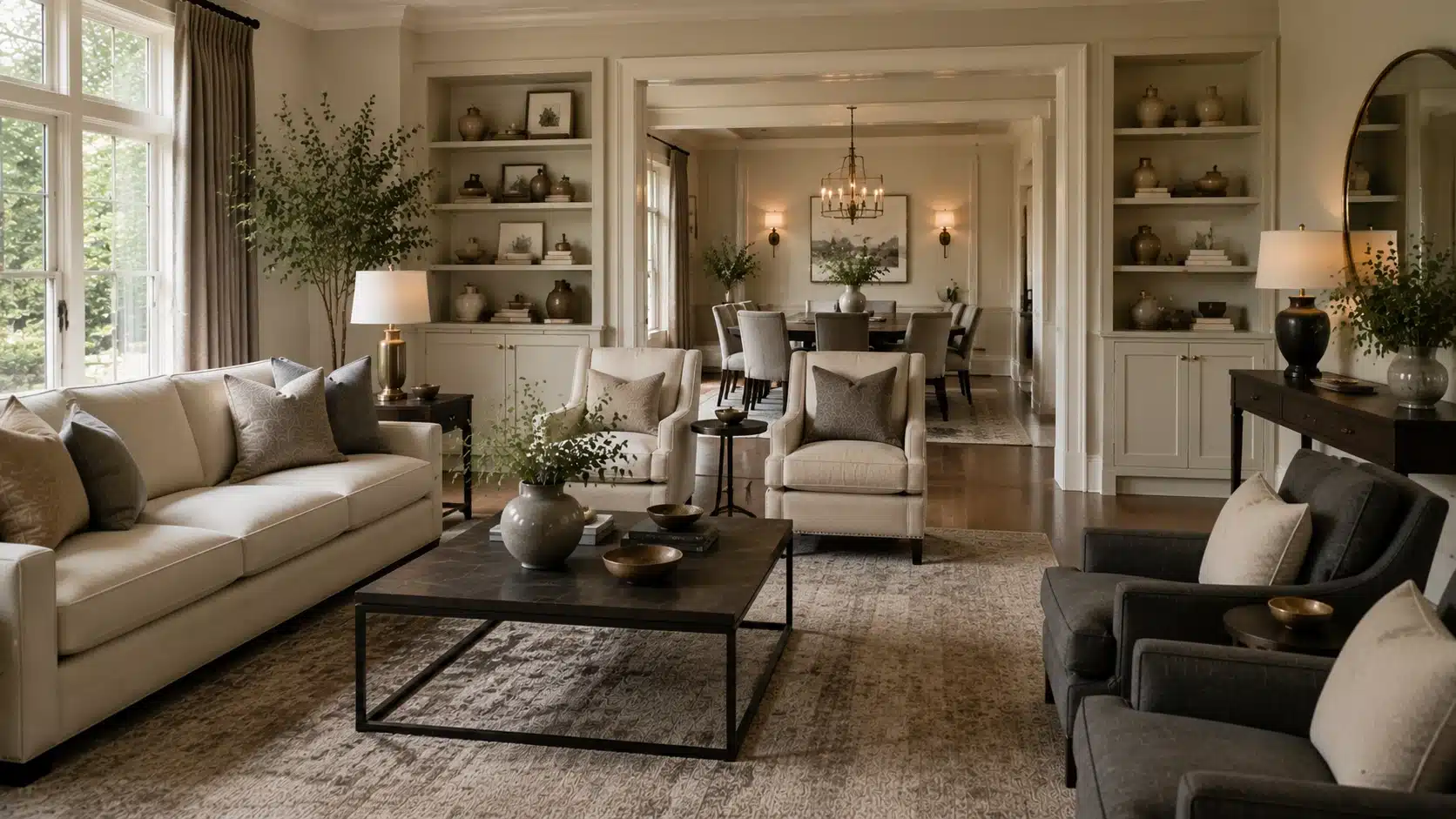
I’ve spent years walking into clients’ homes, where beautiful antique furniture sits awkwardly next to sleek modern lighting, and neither piece looks quite right. That mismatch is usually the moment someone calls a designer. It’s also exactly the problem this style was built to solve. This style sits in the middle ground between traditional warmth and contemporary simplicity. It borrows the comfort and detail of classic rooms while keeping the clean lines and restraint of modern spaces. In this blog, you’ll learn what defines the Transitional Interior Design, the key elements that make it work, how to apply it room by room, the mistakes that trip up, and how to get the look without a full renovation budget. What Is Transitional Interior Design? This style blends traditional furniture and details with the simplicity of contemporary design. It isn’t a strict rulebook so much as a balancing act. You keep the warmth and craftsmanship of traditional rooms, then pair it with the restraint and cleaner silhouettes of modern interiors. The style grew out of a simple shift in how people wanted to live. Formal, heavily decorated rooms started to feel impractical, while fully modern spaces often felt cold. Transitional design emerged as the middle path, and it has stayed popular because it doesn’t chase trends. A room designed a decade ago can still look current today, since it relies on proportion and material choices rather than whatever’s fashionable that year. Designers describe it the same way: understated, textural, and comfortable rather than heavily ornamented. The goal isn’t to notice the furniture first. It’s worth noticing how the whole room feels. Key Elements of Transitional Interior Design No single piece of furniture defines transitional style on its own. It’s a handful of choices working together: color, furniture, texture, architecture, and materials. Each one plays a small part, but together they create the balanced, comfortable feel the style is known for. 1. Neutral Color Palettes With Warm Undertones Transitional rooms almost always begin with a neutral base, typically featuring whites, beiges, taupe, warm greys, and soft browns. These colors don’t compete with the furniture or architecture, which is exactly the point. A neutral wall lets a carved wood console and a simple modern sofa sit in the same room without visual conflict. The trick is avoiding a flat, one-note space. Warm gray walls paired with wood furniture add depth. Cream upholstery grounded by black or bronze accents keeps a neutral room from feeling washed out. 2. A Mix of Traditional and Modern Furniture This is the clearest visual signal of the style. You’re not filling a room with only antiques or only contemporary pieces. You’re pairing them. A few combinations that consistently work: A tufted, traditional-shaped sofa with a simple modern coffee table Classic dining chairs under a contemporary pendant light A carved wood mirror above a streamlined console The one rule worth remembering is not to match every piece to the same era. A room full of only traditional furniture reads as traditional rather than transitional. The mix is the style. 3. Layered Textures Instead of Heavy Patterns Traditional rooms often rely on bold patterns; modern rooms often rely on none at all. This approach leans on texture instead, using linen curtains, wool rugs, leather accents, velvet cushions, and natural wood finishes to add depth without visual noise. This layering is what gives a transitional room its sense of comfort. A plain sofa in the right fabric can feel more inviting than a heavily patterned one, simply because of how the material reads and feels. 4. Balanced Architectural Details Crown molding, paneling, built-in shelving, and simple trim work all have a place in transitional homes, but the details are kept simpler than in fully traditional interiors. Ornate crown molding gets swapped for a cleaner profile. Elaborate paneling gets simplified into flat panels. The architecture still nods to tradition, just without the extra flourish. 5. Mixed Materials and Finishes Wood, glass, stone, and metal working together is a hallmark of transitional spaces. A stone fireplace surround, a glass coffee table, and matte black hardware can all coexist in the same room because none of them is fighting for attention. Mixing materials, rather than repeating a single finish throughout, is what keeps the space from feeling flat or overly matchy. Transitional Interior Design Ideas For Different Rooms The principles behind transitional design stay the same from room to room, but how they show up changes. A living room leans on furniture and lighting, while a kitchen or bathroom leans more on materials and finishes. 1. Living Room A transitional living room typically starts with a neutral sofa, rugs, and a mix of classic and contemporary lighting. Traditional details like a fireplace mantel or molding stay in place, while the furniture around them leans simpler. Classic artwork in a clean frame and a balanced furniture arrangement (rather than a rigid, formal layout) complete the look. 2. Kitchen Shaker cabinets are the backbone of most transitional kitchen designs because the door style itself bridges traditional paneling and modern simplicity. Pair them with marble or clean quartz countertops, mixed metal hardware, and simple backsplash tile. Wood accents, whether on an island or on open shelving, keep the space feeling warm rather than clinical. 3. Bedroom An upholstered headboard is one of the fastest ways to bring transitional style into a bedroom. Keep bedding neutral, then layer in texture through textiles like a knit throw or linen duvet cover. Traditional bedside tables paired with modern lamps are a small detail that does a lot of visual work. 4. Bathroom Bathroom designs lean transitional through a freestanding tub, classic tile patterns, and modern fixtures like a wall-mounted faucet or minimal cabinet hardware. Natural stone finishes on countertops or flooring add the same warmth that wood does in other rooms. Once a foundation is in place, repetition, ratio, and scale work together, and a mixed room stops looking accidental. Transitional Interior Design vs. Similar Styles It’s easy to confuse transitional design with the styles sitting on either side of it. Modern, contemporary, and traditional all overlap, but each treats ornamentation, trend sensitivity, and formality differently. 1. Transitional vs. Modern Interior Design: Modern design prioritizes minimalism, sharp lines, and little to no ornamentation. This style keeps some warmth and softness in furniture shapes and finishes, making it feel more lived-in than a strictly modern room. 2. Transitional vs. Contemporary Interior Design: Contemporary design house style shifts with current trends, which means a contemporary room from ten years ago can look dated fairly quickly. This look is built around longevity rather than trend cycles, so it tends to age better. 3. Transitional vs. Traditional Interior Design: Traditional interiors lean into ornamentation, formal furniture arrangements, and detailed millwork. Transitional spaces simplify it all: less decoration, more relaxed layouts, and cleaner finishes throughout. Quick comparison: Style Ornamentation Trend Sensitivity Overall Feel Transitional Simplified, selective Low, built for longevity Balanced, comfortable Modern Minimal to none Low Sleek, sparse Contemporary Varies with trends High Current, ever-changing Traditional Heavy, formal Low Ornate, classic The common thread across all three comparisons is balance. Transitional design borrows just enough from each neighboring style to feel current and comfortable, without fully committing to any single extreme. Errors to Avoid in Transitional Interior Design Even residential owners who understand the style well can tip a room too far toward one side without realizing it. These four mistakes come up the most, and each one is easy to fix once you know what to look for. Using too many decorative details. Overcrowding a room with antiques, patterns, and accessories pulls it back toward traditional design and away from transitional balance. Creating a completely neutral room without contrast. An all-neutral room without contrast can feel unfinished. Darker woods, metal accents, or textured fabric give the eye somewhere to land. Mixing styles without repeating elements. Furniture from different eras without a shared color, material, or finish feels disconnected rather than curated. Choosing trendy pieces over timeless ones. Trend-driven pieces undercut the entire point of the style. Ask if you’ll still want it in five years. Most of these mistakes come from the same root cause: overcorrecting in one direction, whether that’s too much decoration, too little contrast, or too much trend-chasing. Catching them early keeps a room feeling balanced instead of unfinished or overdone. How to Create Transitional Style on a Budget A full transitional redesign doesn’t require a renovation. Most of the look comes down to smart, targeted swaps rather than tearing out what’s already there, which means you can work room by room and spread the cost out over time. A few lower-cost changes go a long way: Keep existing architectural features rather than removing them Update lighting first, since fixtures change a room’s feel quickly Add texture through throw pillows, a new rug, or linen curtains Replace cabinet or door hardware with an inexpensive material update Mix in a vintage or secondhand find alongside newer furniture Repaint walls in a warm neutral tone None of these require a contractor, and most can be done over a weekend. Here’s a rough sense of what each change tends to cost: Change Approx. Budget Effort Repaint walls in a warm neutral $50–$200 Weekend project Replace cabinet or door hardware $30–$150 A few hours Add a new rug or throw pillows $50–$300 Same day Swap in linen curtains $60–$200 Same day Update a light fixture $75–$400 Weekend project Mix in a vintage or secondhand find $20–$150 Ongoing, as you find pieces Costs will vary by room size and materials, but none of these require touching the budget you’d set aside for a full renovation. Is Transitional Interior Design Right for Your Home? This interior design style tends to suit people who like classic details but don’t want a formal, museum-like room, and works less well for anyone drawn to a fully bare, minimal space or a heavily ornate, maximalist one. I’m not sure your taste fits the style. Here’s a quick gut check: If Your Vibe Is… Transitional Design Fit “I love antiques, but I don’t want my living room to look like a museum” Strong fit “I want a calm, neutral space that still feels warm” Strong fit “I keep collecting furniture from different eras and can’t tie it together” Strong fit “I want a completely bare, ultra-minimal room” Not a fit; lean modern instead “I want every piece ornate, patterned, and formal” Not a fit; lean traditional instead “I want a space that still feels current in ten years” Strong fit If most of your answers land in the “strong fit” column, transitional design is likely your style. If you’re drawn to the extremes on either end, one of its close cousins, fully modern or fully traditional, will probably serve you better. Frequently Asked Questions What is the 3-5-7 rule in interior design? It’s a styling guide for grouping decor in odd numbers, since asymmetrical groupings tend to look more natural and balanced than even ones. What colors are used in transitional interior design? Neutral tones dominate transitional spaces, including white, beige, taupe, warm gray, and soft brown, often layered with darker wood or metal accents for contrast. Is transitional design outdated? No. It’s built around timeless proportions and materials rather than trends, which is why it tends to stay relevant far longer than trend-driven styles. How do you make a room look transitional? Pair traditional furniture shapes with modern finishes, keep the palette neutral, layer in texture through fabrics, and simplify architectural details rather than removing them entirely. The Sweet Spot Between Old and New Good design rarely asks you to pick a side, and transitional style proves it. It takes the comfort of a room your grandmother would recognize and pairs it with the ease of one built for how you actually live now. No strict rulebook, no chasing whatever’s trending this year, just repetition, proportion, and texture doing the quiet work of holding a room together. That’s also why it lasts. A well-styled transitional living room today will still feel right in ten years, long after trend-driven looks have cycled out. If you’re ready to try it, don’t overhaul the whole house at once. Pick one traditional piece and one modern piece you already love, put them in the same room, and build outward from there. The balance tends to reveal itself once you stop overthinking it.
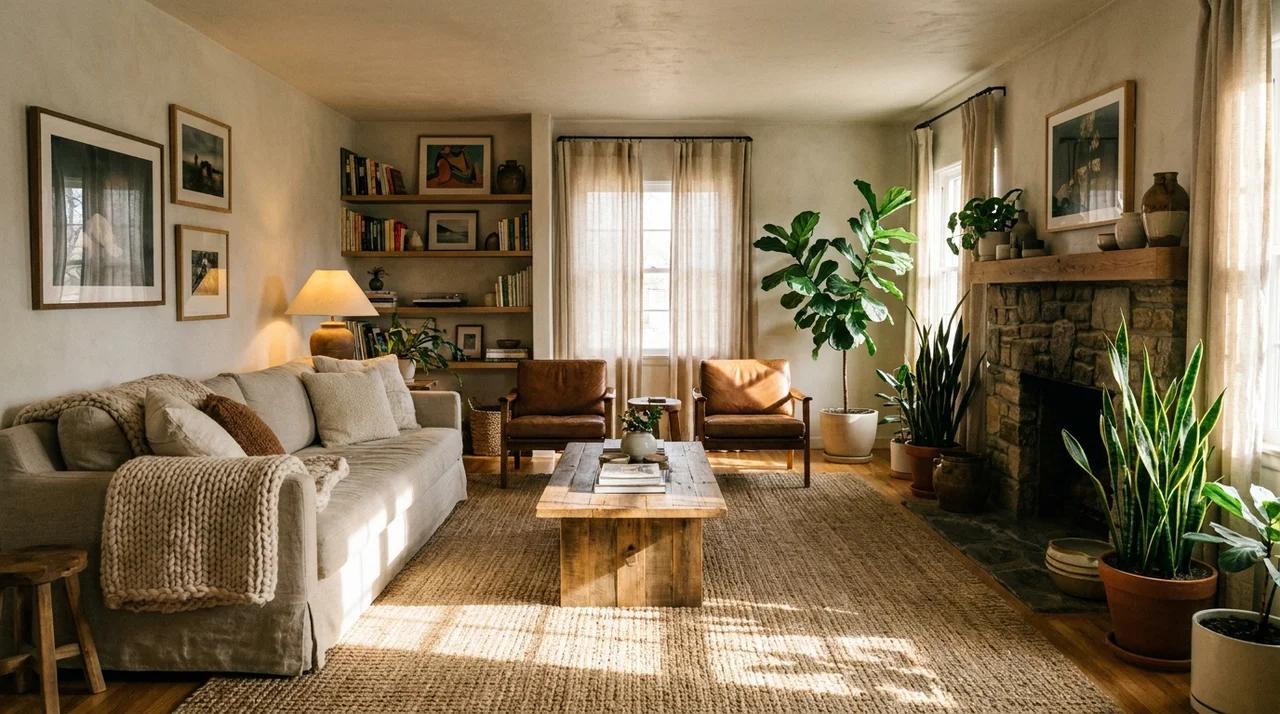
A room can still feel incomplete even after adding quality furniture and decor. The missing piece is often not the items themselves but how everything works together. A well-decorated space comes from the right balance of layout, colors, lighting, textures, and personal details. Small updates like moving furniture, adding soft fabrics, improving lighting, or changing wall art can make a noticeable difference. Creating a comfortable home does not always require a large budget or major changes. These practical decorating tips will help you make thoughtful updates that improve the look and feel of your space. 21 Simple Ways to Improve Your Home Decor Small changes can have a big impact on how a room looks and feels. These decorating ideas focus on furniture placement, colors, lighting, textures, and personal touches to help create a more balanced and comfortable home. 1. Define How You Want the Room to Feel Before selecting furniture, colors, or decorative pieces, think about the mood you want the room to create. Every space serves a different purpose, so the design should match how you want to feel when you spend time there. A bedroom may need calming colors and soft textures, while a living room can feel warm and welcoming. Defining the atmosphere first helps you make better decorating decisions and prevents random purchases that do not work well together. 2. Create a Decorating Plan Before Shopping A decorating plan helps you avoid mistakes and create a more balanced interior. Start by measuring your room, noting existing furniture, and deciding which pieces you want to keep or replace. Consider your budget, preferred colors, and how you use the space daily. Planning your layout before shopping makes it easier to choose furniture and accessories that fit properly. It also prevents overcrowding and ensures every item serves a purpose in the room. 3. Choose a Color Palette That Connects the Room A coordinated color palette can make a room feel more organized and visually comfortable. Instead of choosing colors separately for walls, furniture, and accessories, select a few shades that work together. Use a main color as the foundation, supporting colors for larger pieces, and accent shades through smaller decorations. Repeating similar tones in cushions, artwork, rugs, or curtains creates a connected look and makes the interior feel thoughtfully designed rather than randomly decorated. Before choosing colors or finishes, it is helpful to know the expected cost to paint the interior of a house. 4. Create One Main Focal Point A focal point gives a room direction and creates a natural place for the eye to rest. Without one, a space can feel scattered because every element competes for attention. Choose a feature that stands out, such as a large artwork piece, a fireplace, a statement furniture item, an accent wall, or a decorative mirror. Arrange the rest of the room around this feature so it supports the overall design. A strong focal point can make simple interiors feel more intentional. 5. Arrange Furniture Based on Room Function Furniture placement plays an important role in how comfortable and practical a room feels. Instead of arranging pieces only based on appearance, consider how people move and use the space. Create seating areas that encourage conversation, keep pathways open, and avoid blocking doors or windows. In smaller rooms, thoughtful placement can make the area feel larger and easier to use. A well-planned furniture layout improves both the look and everyday function of your home. 6. Choose Furniture That Fits the Room Scale Selecting furniture that matches your room’s size is crucial for a balanced and comfortable space. Oversized sofas or tables can overwhelm small rooms, while tiny pieces in large spaces can feel lost. Consider the dimensions of the room and the proportion of each item relative to others. Balancing larger furniture with smaller accents or accessories ensures harmony. The material of your furniture also affects the overall look and feel of a room. Choosing the right wood type for your furniture can influence the durability, style, and character of each piece, especially when selecting long-lasting furniture. 7. Add Texture to Make Rooms Feel Complete Layering different textures gives depth and warmth to any space. Mixing materials like wood, metal, glass, fabric, and stone creates visual interest and prevents rooms from looking flat. Incorporate soft textiles such as cushions, rugs, and throws alongside harder surfaces like furniture or flooring. Even small decorative objects with unique textures, like woven baskets or ceramic vases, can elevate the feel of a room. 8. Use Multiple Lighting Sources Lighting is one of the most powerful decorating tools. Combining ambient, task, and accent lighting creates a balanced and inviting environment. Ambient light provides overall illumination, task lighting focuses on specific activities like reading or cooking, and accent lighting highlights artwork, architectural features, or decorative objects. Layering different sources prevents harsh shadows and adds warmth. Using multiple lighting options also makes rooms more flexible, allowing the mood to be adjusted depending on the time of day or activity. 9. Maximize Natural Light Natural light brightens spaces, enhances colors, and makes rooms feel larger. To maximize it, keep windows clear of heavy drapes or obstructions and use sheer curtains to diffuse sunlight. Position mirrors to reflect light into darker corners or across the room, and choose furniture with reflective surfaces to enhance brightness. Light wall colors also help distribute sunlight. Proper use of natural light reduces the need for artificial lighting during the day while making interiors feel more open, airy, and welcoming. 10. Add Mirrors to Improve Space and Light Mirrors are a simple yet effective way to enhance both space and light. Placing a mirror opposite a window can reflect natural light, making rooms feel brighter and more open. Decorative mirrors above furniture or in small spaces add depth and create the illusion of additional square footage. Choosing frames and shapes that match your decor ensures they feel integrated. Mirrors are especially helpful in hallways, bathrooms, and compact rooms where visual expansion is needed without structural changes. 11. Bring Greenery into Your Interior Adding plants and natural elements instantly breathes life into a room. Indoor greenery adds color, texture, and freshness while improving mood and air quality. Place tall plants in empty corners, small potted plants on shelves or tables, and hanging plants in rooms with limited floor space. Combining plants of different heights and leaf shapes creates visual interest, while integrating them with furniture and decor ensures the space feels cohesive and inviting. 12. Style Shelves with Balance Well-styled shelves can transform a room’s look and add personality. Mix books with decorative items such as vases, sculptures, and small plants to create variety. Arrange objects in odd-numbered groupings for a natural feel, and vary heights and textures to maintain interest. Leave some empty space to avoid visual clutter. Thoughtful shelf styling combines organization with artistry, making shelves both functional and visually appealing within your interior decorating plan. 13. Decorate Walls without Overcrowding Walls offer a canvas for personality, but overdecorating can make spaces feel chaotic. Choose artwork, mirrors, or shelves that complement the room’s scale and color palette. For gallery walls, plan spacing carefully and mix frame sizes and orientations for balance. Leave portions of the wall empty to allow breathing space. Even a single statement piece can serve as a focal point when paired with complementary furniture and accessories. Minimal but intentional wall decor elevates the interior without overpowering the room. 14. Choose Artwork That Matches Your Space Artwork significantly influences a room’s character. Select pieces that harmonize with the color scheme, scale, and overall style of your space. Oversized artwork can anchor a room, while smaller pieces may work best in groupings or gallery walls. Incorporate personal or meaningful pieces to add authenticity. Position artwork at eye level to maintain balance, and ensure surrounding decor complements rather than competes with it. 15. Use Rugs to Define Areas Rugs are versatile tools for both function and style. They anchor furniture, define zones in open-plan spaces, and add warmth and texture. In living areas, ensure the rug is large enough for at least the front legs of furniture to rest on it. Layering smaller rugs or using runners in hallways can add visual interest. Choose materials, patterns, and colors that complement the overall design. A thoughtfully placed rug can visually unify a room, provide comfort underfoot, and make the interior feel polished and intentional. 16. Layer Curtains and Soft Furnishings Layering fabrics and soft furnishings adds depth, comfort, and a finished look to any room. Use curtains with texture or pattern to frame windows and add height, while coordinating with cushions, throws, and bedding for visual harmony. Mixing fabrics like linen, velvet, or knitted materials creates tactile interest. Rotating pillows and throws seasonally can refresh the space without major changes. Thoughtful layering balances aesthetics and functionality, making interiors feel cozier, welcoming, and carefully styled while reflecting your personal decorating taste. 17. Mix Old and New Decor Pieces Combining vintage and contemporary items brings character and personality to a room. Pair modern furniture with antique accents, such as a reclaimed wooden table or a vintage mirror. Mixing materials and styles prevents interiors from looking flat or overly matched. Carefully selected old and new pieces can complement one another, creating a cohesive yet dynamic look. This approach makes a home feel curated and personal while allowing you to incorporate meaningful or heirloom items alongside stylish modern decor. 18. Add Personal Items to Make the Space Yours Personal items give your home a sense of identity. Display meaningful objects such as framed photographs, travel souvenirs, handmade crafts, or personal collections. Integrate them with existing decor to maintain balance and avoid clutter. Including personal items ensures your home feels authentic, inviting, and reflective of your lifestyle. Even small touches like a decorative bowl or a favorite sculpture can add personality. Thoughtfully curated personal pieces elevate your interior decorating while making the space uniquely yours. 19. Keep Decorative Surfaces Organized Cluttered surfaces can make even a stylish room feel chaotic. Use trays, boxes, or baskets to group smaller items together. Limit the number of decorative objects on tables, shelves, or consoles to maintain balance. Rotate accessories occasionally to keep spaces fresh and interesting. Prioritize items that are both visually appealing and functional. Organized surfaces contribute to a clean, intentional look, allowing key decorative elements to stand out. This strategy enhances the overall harmony and professionalism of your interior decorating. 20. Use Vertical Space Effectively Vertical space is often underutilized, but it can make rooms feel taller and more organized. Install tall shelves, wall-mounted storage, or artwork to draw the eye upward. Floor-to-ceiling curtains create the illusion of height, while tall plants add both vertical interest and greenery. Using vertical space is especially valuable in smaller rooms where floor area is limited. By decorating upward, you maximize functionality, improve storage, and create a visually balanced interior that feels open, dynamic, and thoughtfully designed. 21. Add Seasonal Updates with Small Changes Refreshing a room for different seasons can keep your interior lively without major renovations. Swap cushion covers, throws, or curtains to reflect seasonal colors. Add fresh flowers, candles, or small decorative accents for a timely feel. These simple adjustments can create a sense of change and novelty while maintaining your core design. Seasonal updates are a cost-effective way to make a home feel dynamic and welcoming, allowing each space to reflect the time of year and keep your interior decorating fresh. Common Decorating Mistakes to Avoid Over time, I have noticed that many decorating mistakes come from making choices too quickly. A little planning can help a room feel more balanced and comfortable. Buying furniture without measuring is one of the most common issues. A piece that looks perfect in a store may feel too large at home, so checking dimensions first makes a big difference. I have also found that rooms feel more inviting when they mix textures instead of matching everything. Combining wood, fabric, metal, and different finishes adds depth and personality. Lighting is another detail that can change a space. Adding lamps and using natural light helps create a warmer feel than relying only on overhead lights. Trends can inspire ideas, but personal style matters more. Leaving some open space and choosing pieces that fit your lifestyle keeps a home comfortable and timeless. Create a Home That Feels Like You A well-decorated home is not about adding more things. It comes from making thoughtful choices with your space, furniture, colors, lighting, and decor. Small changes can make a room feel completely different. Moving a sofa, updating a lamp, adding texture, or choosing artwork that fits the space can improve the overall look without major changes. You do not have to redesign your entire home at once. Start with one room or one corner, make changes that suit your needs, and build from there. The best interiors are the ones that feel comfortable, personal, and easy to live in every day. Frequently Asked Questions How Often Should I Update My Home Decor? Small decor changes can be made seasonally, while larger updates depend on your preferences. Refreshing textiles, accessories, and layouts keeps your space feeling fresh. What are the Basic Rules of Interior Decorating? Focus on balanced layouts, suitable colors, layered textures, proper lighting, and a focal point to create a comfortable and well-designed space. HowCan I Decorate My Home Without Spending a Lot of Money? Refresh your home by rearranging furniture, updating soft furnishings, adding plants, improving lighting, and using existing decor in new ways. What Should I Decorate First in a Room? Start with the room layout and larger furniture pieces, then add colors, lighting, rugs, artwork, and accessories to complete the look. How Do I Make My Home Look Professionally Decorated? Use a cohesive color scheme, mix textures, improve lighting, choose the right furniture size, and keep the space balanced without adding too much clutter.
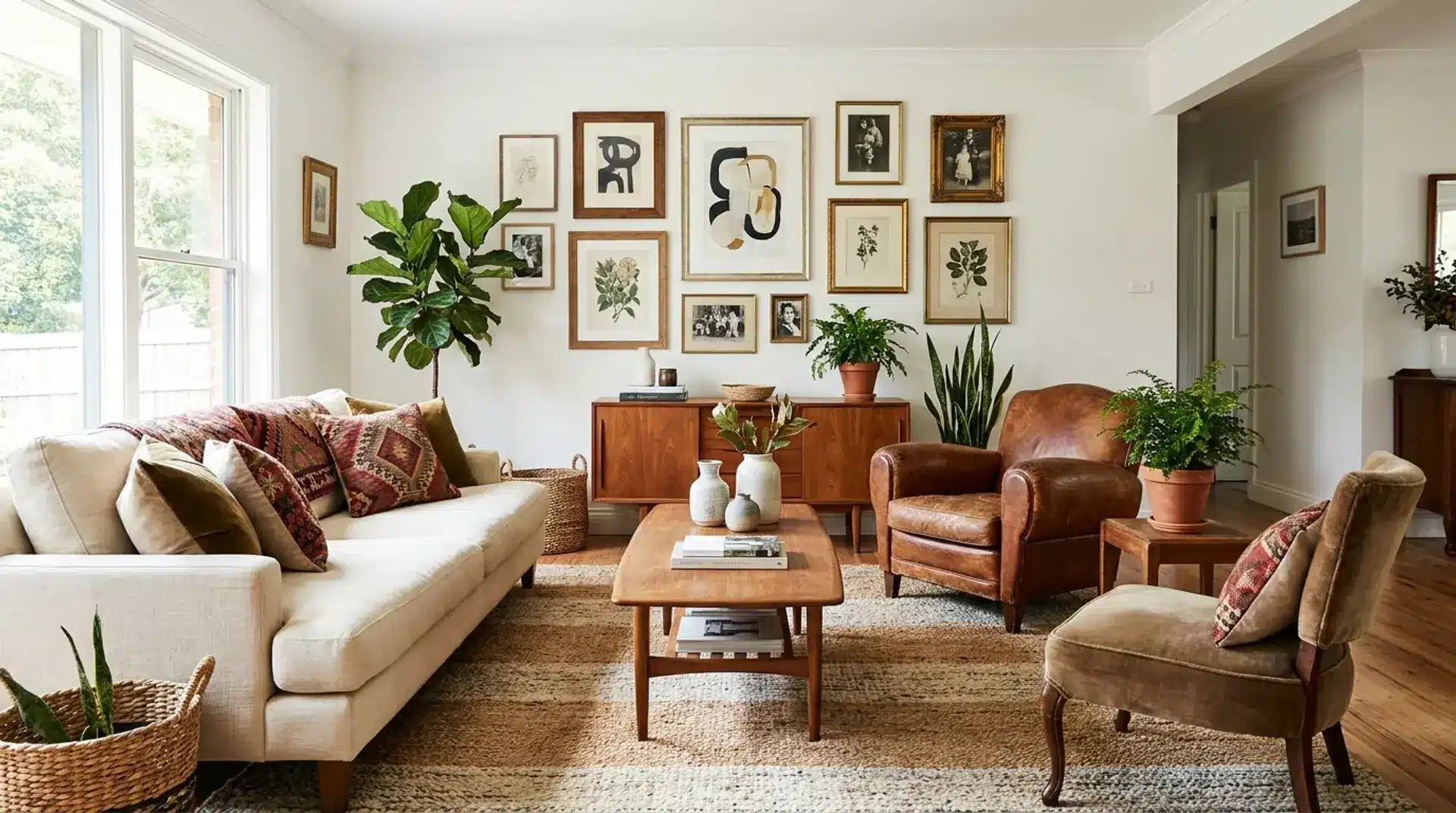
Eclectic interior design blends furniture, colors, textures, and influences from different styles and time periods to create a space that feels balanced, cohesive, and uniquely personal. Rather than following a single design trend, it combines carefully chosen elements that reflect your taste while maintaining harmony throughout the room. The result is a home with character instead of a perfectly matched showroom appearance. In this blog, you’ll learn what defines eclectic interior design, how it differs from bohemian and maximalist styles, and practical tips to incorporate it into your home. We’ll also explore simple, room-by-room ideas to help you achieve the look with confidence. What Is Eclectic Interior Design? Eclectic interior design is one of the most distinctive interior design styles, mixing pieces from different design periods, cultures, and aesthetics into one cohesive room. The word comes from the Greek term eklektikos, which means to select the best of everything rather than sticking to one rigid style. That single idea, selecting freely instead of following rules, is what makes eclectic decorating so popular right now. People are moving away from matched furniture sets. They want rooms that reflect years of collecting, travel, and personal taste rather than a single catalog order. That shift also explains why eclectic style pairs so well with thrifted and vintage finds. A room built this way rarely looks finished in one shopping trip. It grows slowly, piece by piece, as your taste and life change. Key Characteristics of Eclectic Style Design An eclectic room is never random, even though it might look that way at first glance. There is always a plan holding it together behind the mix. A neutral base with one or two accent colors: Walls and large furniture usually stay simple so bold pieces can stand out. Mixed furniture eras: A mid-century chair might sit beside a modern glass table, and that contrast is the point. Layered textures: Velvet, wood, wool, and metal often appear in the same room to add depth. Personal, meaningful objects: Travel finds, family pieces, and art on display give the space its story. Intentional curation: Every item earns its spot. Nothing sits there by accident, even if it looks casual. These traits work together, not separately. Remove the neutral base or the curation, and the room slides toward clutter instead of style. How to Achieve Eclectic Interior Design in Your Home Getting this look right takes a bit of planning, even though the finished room should feel effortless. Start small and build outward rather than buying everything at once. 1. Choose a core color palette first: Pick two or three colors to repeat across rugs, pillows, and accessories. This keeps the whole room feeling connected. 2. Pick one or two focal points: A bold piece of art or a statement chair gives the eye somewhere to land before it wanders to everything else. 3. Mix furniture eras on purpose: Pair an antique dresser with a modern lamp, or a Victorian chair with contemporary art. The contrast should feel deliberate, not accidental. 4. Layer textures with restraint: Combine two or three textures per room, such as wood, wool, and glass, instead of using every material you own. 5. Leave negative space: Empty wall or floor space gives the eye a rest and keeps a busy room from feeling cluttered. Start with large furniture and a neutral backdrop. Add one statement piece next, then layer in textiles, art, and smaller accessories over the course of weeks or months. Eclectic Interior Design Ideas by Room Eclectic interior design works best when each room balances contrast with cohesion. While the core principles remain the same, every space has its own purpose and styling needs. Here are practical ways to bring eclectic charm into different areas of your home. 1. Living Room A well-balanced eclectic living room combines different design eras through furniture, artwork, and accessories while maintaining a unified visual flow. Start with a neutral sofa as the foundation, then build character with layered accents. Add a bold area rug, a vintage coffee table, and a gallery wall featuring artwork in different frame styles and sizes. Mix textures through cushions, throws, and natural materials to create a space that feels inviting, curated, and visually balanced without looking overcrowded. 2. Bedroom An eclectic bedroom blends comfort with personal expression by mixing vintage finds, modern elements, and meaningful décor pieces. Keep the bed as the calming focal point by using simple, neutral bedding. Introduce personality with a patterned throw, mismatched bedside tables, and a statement artwork above the headboard. Layer soft lighting, textured fabrics, and decorative accents to make the room feel warm, comfortable, and thoughtfully collected while maintaining a restful atmosphere. 3. Dining Room An eclectic dining space allows different chair styles, finishes, and decorative elements to work together around a common theme. Create contrast by pairing a modern dining table with chairs from different styles or time periods. Unify the look with a shared color palette, similar upholstery, or coordinated table décor. A striking pendant light, textured rug, or eye-catching centerpiece can complete the space while keeping the overall design cohesive and welcoming. 4. Small Apartment Small, eclectic apartments benefit from thoughtful selections, with each piece of furniture adding function and personality. In compact spaces, focus on quality over quantity. Choose a few standout pieces, such as a statement chair or unique coffee table, instead of filling the room with many small accessories. Keep the color palette consistent, use multifunctional furniture, and add layers through textiles and artwork to create visual interest without making the space feel crowded. How to Design an Eclectic Style Interior on A Budget Creating an eclectic home does not require a large budget or expensive matching furniture sets. Among the many interior design styles, eclectic design stands out for its flexibility, allowing you to mix old and new pieces without following strict decorating rules. Shop Secondhand First: Thrift stores, estate sales, and online marketplaces are great places to find vintage furniture and unique decor pieces at lower prices. Older items often bring more character. Mix High and Low Price Points: Combine one investment piece, such as a statement light fixture or artwork, with budget-friendly cushions, prints, rugs, and accessories to create a stylish balance. Try Small DIY Updates: Refresh existing items with simple changes like new pillow covers, repainting an old dresser, or reframing thrifted artwork to give your room a fresh look. Buy Pieces Slowly: Eclectic spaces naturally develop over time, so there is no need to decorate everything at once. Add meaningful pieces gradually as you discover them. Explore Affordable Sources: Look for unique finds at estate sales, on Facebook Marketplace, at local thrift shops, and at flea markets. These places are ideal for discovering one-of-a-kind furniture. With thoughtful choices and patience, you can create a budget-friendly eclectic space that feels personal, layered, and full of character. Eclectic vs Bohemian vs Maximalist Interior Designs These three styles are often confused because they all mix patterns and reject strict rules. Feature Eclectic Bohemian Maximalist Color palette Neutral base, accent pops Bold, earthy tones Rich, saturated colors Furniture Mixed eras, curated Global, handmade pieces Ornate, statement pieces Structure Balanced, clean lines Organic, flowing Layered, dense Feel Curated art gallery Free-spirited, worldly Bold and abundant Eclectic design tends to feature a neutral color scheme, clean lines, and a few standout pieces. Bohemian style leans into bold, earthy colors, global textiles, and organic, flowing shapes with less structure. Maximalist design pushes further still, filling nearly every surface with pattern, color, and collected objects in a more-is-more approach. If you want a room that feels calm despite the mix, eclectic is the safer starting point. If you want warmth and global flavor, bohemian fits better. My Perspective on Eclectic Room Styling Eclectic style gives you so much freedom, but that doesn’t mean everything works together naturally. One common pitfall is creating too many focal points. When every corner has bold artwork, statement furniture, or eye-catching accessories, the room starts competing with itself, and nothing stands out. Another is skipping a unifying color or theme. Even when mixing styles, repeating colors, textures, or finishes helps the space feel curated rather than chaotic. Overcrowding is another trap. Filling every empty nook with furniture or decor diminishes the impact of each piece. Comfort and function matter too. Furniture that looks stunning but feels awkward or doesn’t suit your lifestyle disrupts the balance. Finally, mixing without intention can make the space feel random instead of thoughtfully layered. The good news is that most mistakes can be fixed without a full makeover. Remove unnecessary pieces, tweak the layout, or introduce a repeated color or texture, and your eclectic room instantly feels more harmonious and inviting. Final Thoughts Eclectic interior design allows you to create a home that feels personal, layered, and full of character by combining different eras, colors, textures, and meaningful pieces. The key is finding balance through a cohesive color palette, thoughtful placement, and a mix of elements that work together rather than compete. This style is not about filling a room with random decor, but about creating a space that reflects your personality and experiences. Whether you are updating a single room or designing an entire home, eclectic style encourages creativity, patience, and intentional choices that make your space feel uniquely yours. Have you tried mixing furniture styles in your own home? Share what worked, or what didn’t, in the comments below. Frequently Asked Questions What Makes A Room Look Eclectic? An eclectic room combines different styles, eras, colors, and textures while maintaining harmony through a shared theme, color palette, or design element. Is Eclectic Interior Design The Same As Bohemian Style? No, eclectic design focuses on a balanced mix of styles, while bohemian interiors usually emphasize layered patterns, natural elements, and a more relaxed, free-spirited look. How Do You Mix Different Furniture Styles In One Room? Combine contrasting furniture pieces by tying them together with similar colors, materials, shapes, or finishes to create a cohesive, intentional look. Can Eclectic Interior Design Work In Small Spaces? Yes, eclectic style works well in small homes when you choose fewer statement pieces, maintain visual balance, and avoid overcrowding the space.
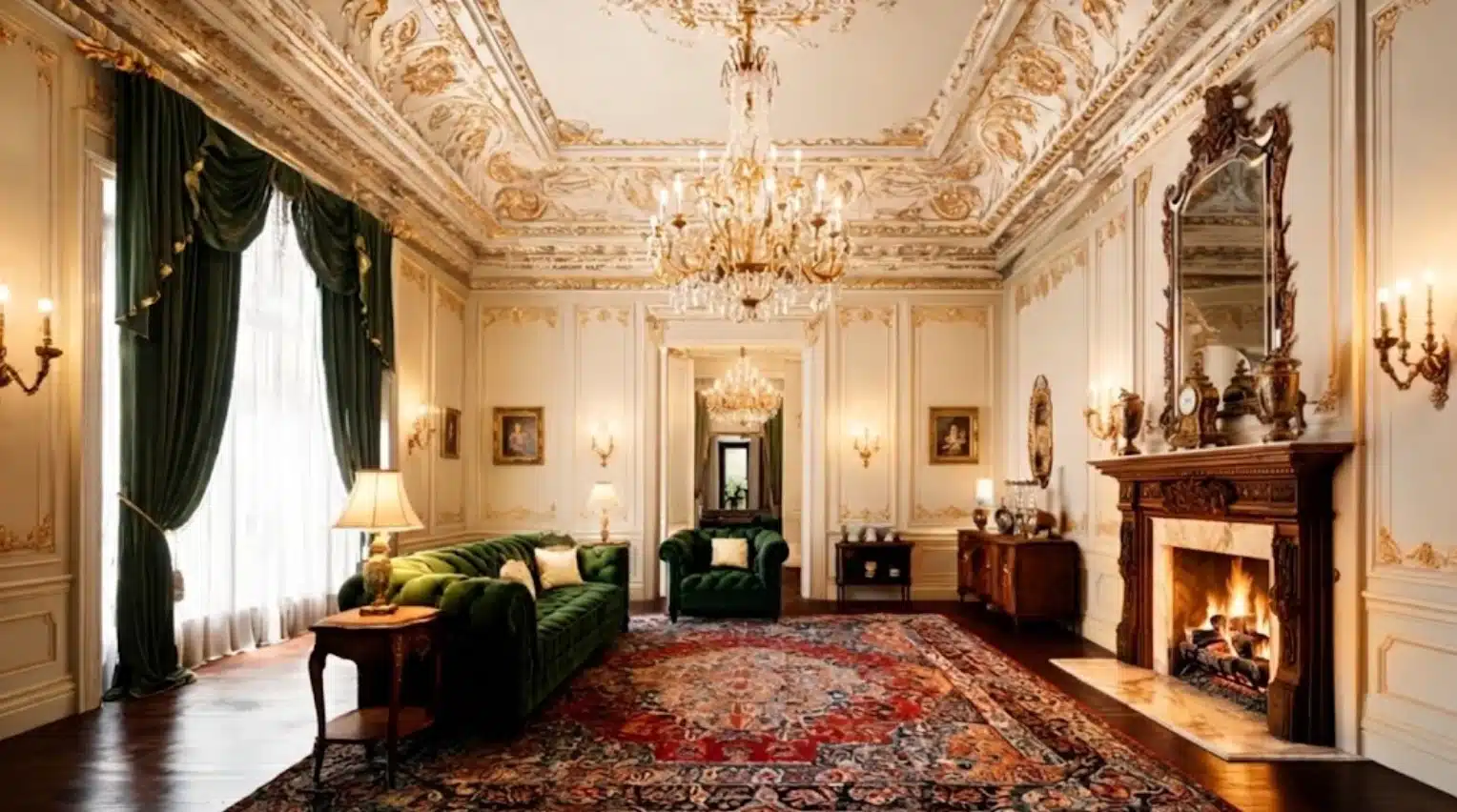
Ever walked into a room and felt like it belonged to another era? I know the feeling; it’s frustrating when you want your home to feel classy and royal but end up stuck with mismatched furniture or bland walls. A Victorian house interior can solve that by blending heritage appeal with modern functionality. I’ve gathered practical ideas you can use to bring warmth, texture, and character into every room. You’ll see how to layer fabrics, choose complementary colors, and highlight architectural details so your space feels enduring yet livable. Understanding Victorian Interior Design The Victorian era, spanning 1837–1901, was a period of rapid industrial innovation and cultural refinement. Homes from this time reflected both personal taste and social status, with ornate details, handcrafted furniture, and intricate wallpapers that showcased exceptional craftsmanship. Each room was designed to impress and tell a story, blending functionality with artistry. Signature architectural elements such as high ceilings, bay windows, decorative cornices, wainscoting, and fireplaces form the foundation of a Victorian interior. These features create a sense of grandeur and set the tone for the overall design. They also provide structure for layering furniture, textiles, and decorative accents. If you live in a mansion or a smaller historic home, understanding these core elements helps you bring authentic period character into your space. Victorian Color Palettes and Materials Choosing the right colors, textiles, and wall treatments is key to capturing the rich, layered look of a Victorian house interior. Jewel tones, luxurious fabrics, and patterned walls create a sense of depth and elegance while allowing you to highlight architectural features and furniture. A deep jewel-toned green paint is a reliable way to anchor a feature wall without committing the whole room. Category Details Tips Jewel-Toned Schemes Deep, saturated hues like emerald green, burgundy, navy blue, and gold Use for feature walls, accent furniture, or statement pieces to add warmth and drama Textiles and Furniture Velvet, brocade, damask, lace; dark woods like mahogany and walnut Layer fabrics on upholstery, curtains, and cushions to create richness and texture Wallpaper and Wall Treatments Floral, damask, and toile patterns Consider an accent wall or full-room coverage, depending on the desired By thoughtfully combining these colors, fabrics, and wall treatments, you can craft a Victorian interior that feels luxurious, inviting, and authentic to the era while remaining functional for modern living. Room-by-Room Victorian Styling Layered lighting, color coordination, and clever use of architectural features allow you to maintain a lived-in feel while highlighting the distinctive characteristics of the Victorian era. 1. Entryways & Hallways Victorian entryways set the tone for your entire home. Highlight staircases, mantels, or stained-glass windows as visual focal points to draw attention to the era’s craftsmanship. Layered lighting, including pendant lights, wall sconces, or antique-inspired fixtures, ensures these spaces feel inviting and well-lit, enhancing the architectural details. Paint balustrades or dado rails in complementary or contrasting colors to define space and add visual interest. Consider adding a small runner rug with intricate patterns to guide guests’ eyes through the hallway, and incorporate a console table with curated accents to create warmth and personality as soon as they enter. 2. Living Rooms Victorian living rooms combine elegance with comfort through carefully layered furniture and textiles. Use tufted settees, velvet armchairs, and clawfoot tables to anchor the space and create conversation areas. Layer Persian rugs, drapes, and fringed lampshades to add richness and texture. Statement art, mirrors, and antique collectibles enhance visual interest while reflecting personal style. Balance ornate pieces with simpler, modern items to prevent overcrowding, and consider window seating or a small reading nook to make the most of natural light. Accessories like decorative pillows or throws can introduce color contrasts and patterns that bring the room together cohesively. 3. Bedrooms Victorian bedrooms are intimate retreats designed to feel both luxurious and personal. Layer quilts, embroidered pillows, and plush throws on beds to create a cozy yet sophisticated look. Custom built-in wardrobes and alcove storage allow you to maintain functionality without sacrificing style. Consider incorporating period-appropriate lighting, such as bedside lamps with fringed shades or an overhead chandelier, to add ambiance. Adding small decorative details, such as an ornate mirror or a vintage dressing table, completes the look while keeping the room inviting and comfortable for daily living. 4. Kitchens Kitchens in Victorian homes balance elegance with functionality. Shaker-style or paneled cabinetry with brass or bronze hardware creates period-authentic charm, while parquet, mosaic, or tiled flooring adds texture, color, and visual interest. Layered lighting plays a key role, combining overhead fixtures with task lighting to brighten work areas while highlighting cabinetry and decorative elements. Open shelving or glass-front cabinets allow you to display fine china or vintage cookware. By carefully planning layout and storage, you can maintain a kitchen that feels spacious, luxurious, and historically inspired, without sacrificing modern usability. 5. Bathrooms Victorian bathrooms are designed to feel luxurious while remaining functional. Freestanding clawfoot tubs, bold backsplash tiles, or statement sinks serve as focal points, bringing both style and elegance to the space. Walls and floors often feature intricate patterns or rich jewel tones, adding visual depth and period authenticity. Vintage-inspired fixtures, such as brass taps, ornate mirrors, and sconces, enhance the historic character while meeting modern needs. If the room is on the smaller side, some small bathroom paint colors can keep the space feeling open even with a deep, patterned floor. Open shelving, built-in cabinets, or glass-front units provide practical storage and an opportunity to display decorative towels, toiletries, or collectibles. 6. Small Spaces Adaptations Adapting Victorian style to smaller rooms requires thoughtful scaling and layering. Use light wall colors to make spaces feel larger, mirrors to reflect light and add depth, and compact furniture to preserve flow. Layered textiles, such as small rugs, cushions, and throws, maintain warmth and richness without overcrowding. Built-in storage and cleverly placed shelving maximize functionality while maintaining historic charm. Focus on key architectural details like cornices, window trim, or fireplaces, and emphasize them with subtle accent colors or lighting. Even in smaller rooms, the right balance of color, texture, and proportion ensures that Victorian elegance shines through. Victorian Lighting and Ambiance Lighting in a Victorian home isn’t just functional; it sets the mood, highlights architectural features, and adds drama to every room. The right combination of fixtures can make your interiors feel warm, inviting, and authentically Victorian. Chandeliers: Central statement pieces for living rooms, dining areas, or grand halls. Wall Sconces: Highlight artwork, fireplaces, or corridors with ambient lighting. Table & Floor Lamps: Add soft, layered lighting for reading nooks and bedrooms. Candlelight Accents: Use candle holders or electric candles for subtle Victorian charm. Layering different light sources ensures a balanced, cozy atmosphere while accentuating furniture, fabrics, and architectural details. Victorian Substyles Explained The Victorian era produced several distinct substyles, each with its own personality. Knowing these substyles helps you choose the right fit for your space, whether that’s dramatic Gothic, refined Eastlake, or a mix of historical charm with modern livability. 1. Gothic Revival Interiors Gothic Revival brings a rich, moody, medieval-inspired style to your home, featuring dramatic pointed arches, cathedral-style windows, and detailed woodwork. This style adds depth, character, and an atmospheric sense of historic grandeur, creating spaces that feel intimate, dramatic, and full of period-inspired elegance. Architectural Features: Pointed arches, cathedral-style windows, and intricate woodwork. Furniture: Dark woods, carved chairs, and sturdy tables. Accents: Wrought iron fixtures, candle holders, and gothic lighting. Ideal Spaces: Libraries, studies, or reading nooks that benefit from intimate, dramatic character. Use Gothic Revival elements sparingly to prevent a space from feeling heavy, and layer with light textiles to maintain balance. 2. Eastlake & Aesthetic Movement The Eastlake Movement substyles emphasize refinement, artistic beauty, and subtle elegance over heavy ornamentation. With geometric furniture, clean lines, and nature-inspired motifs, these styles create balanced, harmonious interiors that feel polished, sophisticated, and thoughtfully curated, allowing furniture and decorative elements to stand out without overwhelming the space. Furniture: Geometric, simple carvings, and clean lines. Motifs: Nature-inspired patterns, Asian influences, and subtle asymmetry. Décor: Art pieces, framed prints, and handcrafted accents. Ideal Spaces: Living rooms, parlors, and dining areas that benefit from sophisticated elegance. These styles emphasize harmony and proportion, letting furniture and décor speak for themselves without overcrowding the room. 3. Blending Modern Elements Modern Victorian design lets you enjoy the classic character of historic interiors while creating functional, livable spaces for today. By blending period features like chandeliers, clawfoot tubs, and detailed woodwork with contemporary furniture, open layouts, and modern finishes, this style achieves a balanced, practical, and visually cohesive home environment. Integrate Fixtures: Chandeliers, clawfoot tubs, or statement lighting with contemporary furniture. Open Layouts: Combine smaller rooms into larger, airy spaces while retaining period details. Color & Texture: Balance jewel tones or rich fabrics with neutral walls and modern materials. Functionality: Incorporate storage solutions, modern appliances, and lighting that complement the Victorian style. Blending modern and historic elements ensures your home feels authentic, practical, and visually cohesive without losing Victorian character. Quick Victorian Substyle Comparison Here’s a simple table to quickly compare the main Victorian substyles, their key features, and the rooms where they work best: Substyle Key Features Ideal Rooms Gothic Revival Pointed arches, dark woods, wrought iron Library, study, reading nook Eastlake Geometric furniture, subtle carvings, nature motifs Living room, dining room Aesthetic Movement Asymmetry, art-focused, Asian motifs Hallways, parlors, and feature rooms This quick reference helps you identify which substyle best fits each area of your home, making it easier to mix or stick to a particular Victorian feel. Outdoor Victorian Design Inspiration Victorian charm isn’t limited to interiors; it can extend beautifully to porches, verandas, and gardens, creating a cohesive look throughout your property. Wraparound porches with carved-wood railings and turned posts add character, while wrought-iron benches or vintage-inspired seating provide inviting outdoor spaces. Terracotta planters, climbing vines, and carefully arranged flower beds bring greenery and texture that complement Victorian interiors, much like what you’ll find in many French cottage ideas, where the same layered, garden-forward approach shows up. Lighting is also key; lantern-style sconces or post lights echo the elegance of indoor fixtures and highlight architectural features. Decorative touches like fountains, statues, or trellises provide visual interest, giving your outdoor areas the same historic elegance and timeless appeal as your interior design. Little-Known Victorian Design Details Before stepping inside to look at colors and fabrics, here are a few surprising details about Victorian design that shaped nearly every room in these grand houses: Good Parlors: Many homes kept a formal parlor reserved for guests, while everyday family life took place in a separate back room. Arsenic Green Wallpaper: Some wallpaper patterns used arsenic-based dye to achieve a vivid emerald shade, despite known health risks at the time. Sunset Windows: Staircase landings often included a small stained-glass window placed to catch colored light at a specific time of day. Hidden Servant Stairs: Narrow back staircases and corridors let household staff move through the home without crossing paths with the family. Tall Mantels: Fireplace mantels were often built above average eye level to showcase imported marble or hand-carved wood detailing. Layered Curtains: Sheer panels against the glass paired with heavy drapes on top gave homeowners control over both light and drafts. These small details show how much thought went into daily life behind Victorian walls, and knowing them makes it easier to pick colors and materials that feel true to the period. Victorian Décor Mistakes to Avoid Even with the best intentions, it’s easy to make design mistakes when decorating a Victorian home. Use this table to identify common pitfalls and practical ways to fix them, keeping your interiors stylish and authentic. Mistake Why It Happens How to Fix It Overcrowding Rooms Victorian style can tempt you to fill every space with furniture and décor. Focus on key statement pieces and leave breathing space. Layer textiles instead of furniture. Mismatched Styles Mixing modern furniture or contemporary colors without cohesion. Balance modern elements with Victorian accents; use a consistent color palette. Heavy Color Misuse Using jewel tones on every wall or surface can overwhelm the space. Reserve bold colors for feature walls, furniture, or accents; pair with neutrals. Ignoring Architectural Details Not highlighting cornices, bay windows, or fireplaces does not lose historic character. Use lighting, paint, or furniture placement to draw attention to key features. Cluttered Accessories Displaying too many small decorative items can feel messy. Select meaningful collectibles, rotate displays, and group items strategically. Following these guidelines helps maintain the elegance and authenticity of your Victorian interiors while avoiding common design missteps. Frequently Asked Questions Can Victorian interiors work with eco-friendly materials? Yes. You can choose sustainably sourced wood, recycled fabrics, and low-VOC paints. Maintaining the Victorian style doesn’t require only traditional materials; eco-conscious alternatives can replicate textures and finishes while reducing environmental impact. How do I maintain antique furniture in a Victorian home? Regular dusting, gentle polishing, and avoiding direct sunlight preserve antique pieces. Use protective pads under objects and maintain stable humidity to prevent wood from cracking or warping, ensuring your furniture stays beautiful for decades. What flooring options suit a Victorian interior besides wood? Patterned tiles, encaustic cement, and luxury vinyl planks that mimic historic designs work well. Layering rugs over these floors can add warmth and texture while maintaining a period-appropriate Victorian feel. How can I introduce color without overpowering a Victorian room? Use accent pieces like pillows, throws, or artwork to introduce pops of color. Feature walls or small furniture items in jewel tones allow vibrancy without overwhelming ornate architectural details or rich textiles. Are Victorian interiors suitable for pet-friendly homes? Yes, with some planning. Choose durable fabrics like velvet blends or patterned rugs, protect wood surfaces with pads, and select furniture that balances elegance with practicality to accommodate pets safely. Does Victorian style work in a small apartment? Yes, if you scale it down. Stick to one or two statement pieces, keep wall colors lighter, and save the boldest jewel tones for accents rather than full rooms, so the space still feels open. Final Reflections A Victorian house interior comes together through layering, not addition. If you only take one thing from this guide, let it be the small-space lesson: light walls, a mirror placed to catch the window, and one or two architectural details picked out in color will read as Victorian far more convincingly than filling every surface with them. Start with a single room and a single architectural feature, whether it’s a fireplace, a bay window, or a run of cornice, and build the color and textiles around that one thing before you touch anything else. Drop a comment below and tell me if you are a big fan of Gothic or Classic Victorian.
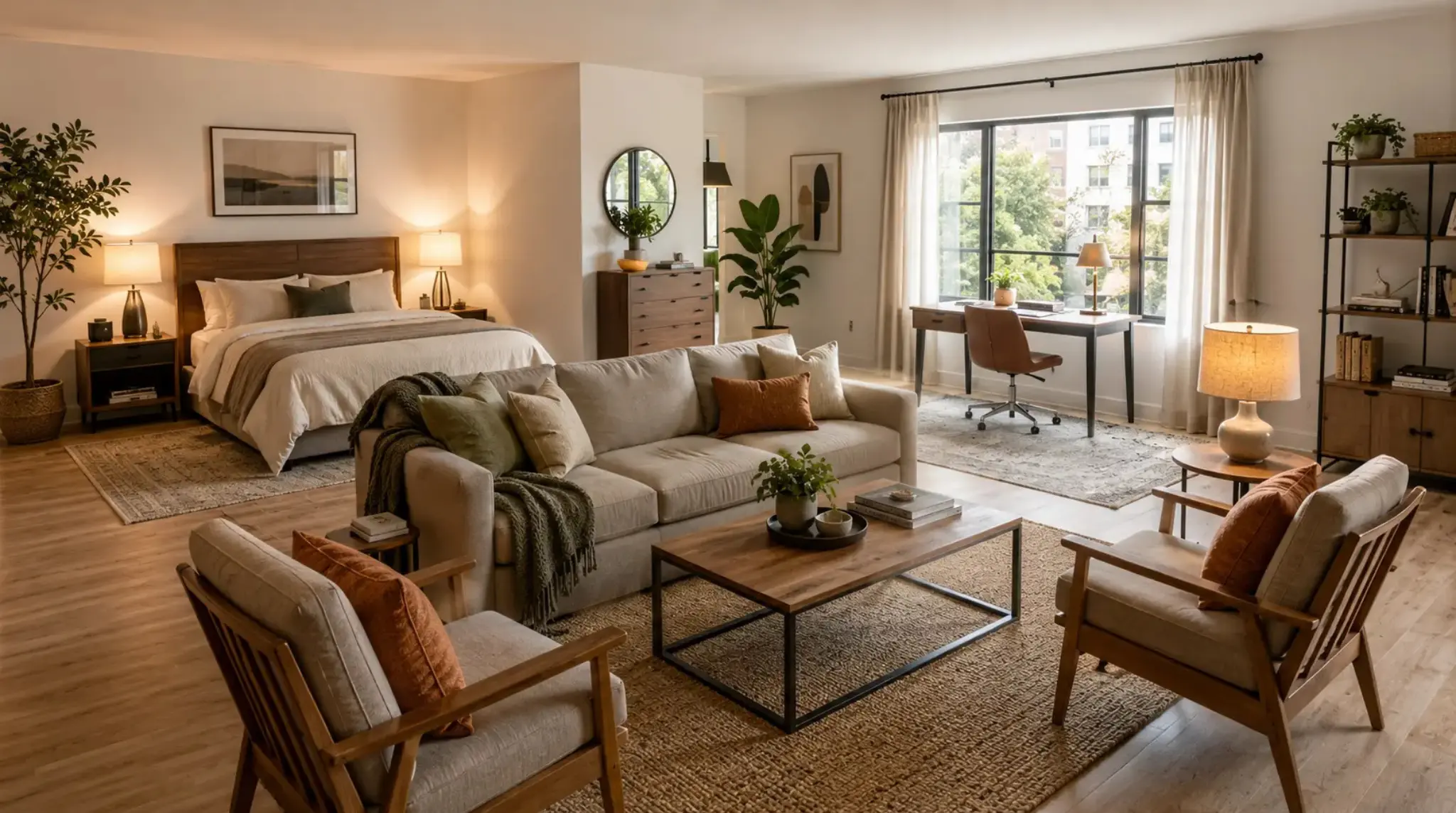
A room can have nice furniture and still feel wrong. Sometimes the sofa blocks the path. Sometimes the bed takes over the whole space. Sometimes a long room feels like a hallway with chairs. That is why room layout ideas matter before color, wall art, or new furniture. I like starting with the way the room needs to work each day, because that makes every choice easier. Your dream room should feel comfortable, useful, and easy to move through. Once the purpose is clear, you can place the largest pieces first, fix awkward corners, and build a room that feels good from the moment you walk in. I also keep comfort first. Let the Room’s Daily Job Decide the Layout Before moving anything, decide what the room needs to do most often. A living room for movies needs a different setup than one made for guests. A bedroom with a desk needs a clear sleep area and a separate work spot. A kids’ room needs open floor space. A gaming room needs screen comfort, cable control, and chair space. Write down the top three uses of the room. Keep the list simple. For example, your bedroom may need to support sleep, study, and storage. Your living room may need space for a TV, guests, and reading. Once you know this, the layout stops feeling random. Start with the biggest piece. In a living room, that is usually the sofa. In a bedroom, the bed is the focus. In a study room, the desk is. Place that item first, then add smaller pieces around it. Measure the Space Before Moving Furniture A good layout starts with real numbers. Guessing can lead to blocked doors, tight corners, and furniture that feels too large. Measure the room before you move heavy items or buy anything new. Measure: Each wall Doors and door swings Windows Closets Outlets Radiators Built-ins Main furniture pieces Take photos from each corner. This helps you see what the room looks like from different points. You can also use painter’s tape on the floor to mark where a sofa, bed, desk, or table might go. If the taped shape feels too tight, the furniture will likely feel too tight, too. How to Do a Living Room Layout Makeover Step by Step A cluttered, badly laid out living room is usually a sequence problem, not a furniture problem, since most people move one piece at a time instead of starting clean. Clear the room first, sort what stays and what goes, and measure the empty space before anything comes back in. From there, follow these steps. Identify the main walking path: Map the route from the entry to the sofa, TV, or exit, and keep it at least 30 to 36 inches wide. Pick one focal point: Choose the fireplace, TV, window, or largest wall, and build everything else around that single point. Place the largest piece first: Position the sofa or sectional relative to the focal point before anything else goes back. Tape out the footprint. Mark the sofa and coffee table positions with painter’s tape, then walk through them before moving the real furniture. Add secondary seating and the coffee table: Angle the chairs toward the focal point, and leave about 18 inches between the sofa and the table. Reintroduce storage and lighting with a purpose: Bring back only pieces that solve a clutter problem you noticed earlier, and add a lamp beyond the main ceiling light. Size the rug and do a final walk-through: Choose a rug large enough for the front legs of the furniture to sit on, then walk the room as you would on a normal day, adjusting one piece at a time. This takes longer than rearranging piece by piece, but it’s the difference between a living room that looks fine in photos and one that holds up to daily use. Room Layout Ideas for Every Space The best layouts start with how a room is used each day. These room layout ideas can help create better flow, improve comfort, and make every square foot work harder. 1. Balanced Seating Layout Best for: Square or medium living rooms This layout works well for square or medium-sized living rooms. Place a sofa across from two chairs, then add a coffee table in the center. Use side tables near the seats so people have a place for drinks, books, or lamps. This setup feels calm because both sides of the room carry similar weight. It is also great for talking with family or guests. If the room feels too formal, soften it with a round table, a textured rug, or chairs angled slightly inward. 2. TV-Focused Layout Best for: Family rooms, TV rooms, and casual living rooms A TV-focused setup is best for movie nights, weekend lounging, and daily family use. Place the sofa across from the TV, then angle extra chairs toward the screen. Keep the screen away from harsh window glare if you can. Leave a clear path beside or behind the seating. This keeps people from walking between the sofa and the screen all the time. Add closed media storage if remotes, wires, games, or chargers make the wall feel messy. 3. Conversation Layout Best for: Guest-friendly living rooms and no-TV sitting rooms If your room is mostly for guests, arrange seats so people face each other. A sofa with two chairs works well. Four chairs around a central table can also feel warm and relaxed. Keep the table close enough for everyone to reach. Add lamps near the seating, not just one ceiling light. This layout works best when the TV is not the main feature. It helps the room feel more personal and less like a waiting area. 4. Fireplace Layout Best for: Living rooms with a fireplace. A fireplace can make furniture placement easier because it already gives the room a strong center, though it’s easy to get wrong. This awkward living room layout with a fireplace breakdown shows a few common ways that happen. Place the sofa facing or angled toward it. Add chairs on either side to create a comfortable group. If the TV is also in the room, place it beside the fireplace if the wall allows it. Mounting it above the fireplace can work, but only when the height feels comfortable. A rug under the seating area helps the group feel connected. 5. Window-Facing Layout Best for: Rooms with large windows, views, or window nooks If your room has a large window or a nice view, use it as the main feature. Face the seating toward the window instead of hiding it behind furniture. Keep bulky pieces away from the glass so natural light can enter the room. A window nook can become a small reading spot with a chair, bench, lamp, and small table. Low storage works well under a window because it keeps the wall useful without making the room feel heavy. 6. Open-Center Small Room Layout Best for: Small living rooms, small bedrooms, and rental rooms Small rooms often feel better when the center stays open. Place larger furniture along the cleanest walls and keep the main path clear. Choose fewer pieces instead of filling every corner. Furniture with legs can make the floor look more open. Wall shelves, slim tables, and nesting tables also help. A mirror near natural light can make the room feel brighter. The key is to give your eyes and feet a clear path. 7. Corner Seating Layout Best for: Small rooms, studio corners, and compact bedrooms A corner layout is useful when the room has limited floor space. Place a chair, small sofa, desk, or reading seat in a corner, then build around it. This frees the middle of the room for movement. Use a floor lamp, a corner shelf, or a small side table to make the corner more useful. Avoid oversized pieces that block the path. This works well in small bedrooms, studio rooms, and compact living rooms. 8. Storage-First Layout Best for: Bedrooms, kids’ rooms, and busy living rooms If a room always feels messy, plan storage before styling. Think about what lands on the floor, bed, sofa, or desk every day. Then place storage near that exact spot. Use closed cabinets, storage beds, baskets, benches, and wall shelves. In a bedroom, under-bed drawers can hold extra bedding or clothes. In a living room, a storage ottoman can hide throws, remotes, and games. A tidy layout feels easier to enjoy. 9. Two-Zone Long Room Layout Best for: Long living rooms, long bedrooms, and open-plan spaces. Long rooms can feel awkward when all the furniture is lined up. If the room is also long and rectangular with a TV involved, a simple understanding of a long rectangular living room layout with a TV can walk through a few zoning options in more detail. Break the space into two zones instead. One end can be for seating, and the other can be for reading, work, play, or dining. Use rugs to mark each zone. Keep the walking path clear from one end to the other. Avoid placing every item against the same wall. This gives the room shape and keeps it from feeling like a hallway. 10. Across-the-Width Narrow Layout Best for: Narrow living rooms and tight rectangular rooms A narrow room needs furniture that works across the width, not only along the length. Place a sofa or pair of chairs across the shorter side when possible. This helps stop the tunnel effect. Choose slim arms, open legs, and smaller tables. Round or oval tables are easier to move around than sharp corners. Wall lights can also save floor space when floor lamps make the room feel tight. 11. Bed-as-the-Focus Bedroom Layout Best for: Main bedrooms and guest bedrooms Most bedrooms work best when the bed is the main feature. Place it on the strongest full wall, ideally where it does not block windows, closets, or doors. Leave space on both sides if the room allows it. Add nightstands, lamps, and a rug to complete the bed area. If one side is tighter, use a wall shelf instead of a full nightstand. This gives the bedroom a clear starting point. 12. Small Bedroom Layout Best for: Small bedrooms, student rooms, and rental rooms In a small bedroom, place the bed along the longest wall or in the position that leaves the clearest path to the door and closet. Two nightstands are nice, but one can work if space is tight. Use wall shelves instead of large dressers when possible. Add under-bed storage for items you do not need every day. Keep the floor as open as you can. Soft lamps can make a small room feel calmer at night. 13. Study and Sleep Layout Best for: Teen rooms, student rooms, and work-from-home bedrooms A bedroom that also works as a study space needs clear zones. Place the bed in the calmest part of the room. Put the desk near natural light if possible, but avoid glare on the screen. Use a small shelf, rug, or lamp to separate the desk from the bed. Keep books, chargers, and work items close to the desk so they do not spread across the room. This helps the room feel less busy. 14. Teen Dream Room Layout Best for: Teen bedrooms and personal rooms A teen room often needs space for sleep, study, storage, and personal space. Start with the bed, then add a desk, storage, and a chill corner if space allows. Use shelves for books, photos, sports items, crafts, or collectibles. Add soft lighting near the bed and desk. Keep storage simple so cleaning does not feel hard. Bedding, posters, lamps, and a carpet or rug can change the room without a full makeover. 15. Gaming Room Layout Best for: Gaming bedrooms, hobby rooms, and media rooms A gaming room needs comfort and order. Place the desk where screen glare is low. Leave enough space for the chair to move back without hitting the bed, wall, or storage unit. Keep cables grouped with clips, sleeves, or a cable box. Use shelves for consoles, headphones, books, and collectibles. Add lighting behind the screen or near shelves, but keep it easy on the eyes. Comfort matters more than filling the room. 16. Cozy Reading Corner Layout Best for: Bedroom corners, living room corners, and window spots Even a small corner can become a quiet reading spot. Use a comfortable chair, a small table, a lamp, and a shelf. Place it near a window if the light is good. Add a soft rug or throw if the space feels bare. Keep the setup simple. A reading corner should not need much furniture. It just needs a clear purpose and a place to sit without distractions, and browsing reading nook ideas can help narrow down a layout that fits the space. 17. Flexible Multi-Use Layout Best for: Studio apartments, guest rooms, and shared rooms Shared rooms, guest rooms, studio apartments, and small homes need flexible zones. Use rugs, shelves, curtains, or lighting to separate each area without adding walls. Choose furniture that can do more than one job. A daybed can work for seating and sleep. A foldable desk can save space. A storage bench can hold items and offer extra seating. Keep the main walking path open so the room still feels easy to use. Room Rules and Layout Tests Before moving furniture, use these quick rules to check if the layout will feel comfortable and easy to use. Rule Quick Use Main walkways Keep 30 to 36 inches clear Sofa to coffee table Leave about 18 inches Bedside space Keep 24 inches if possible Desk chair space Leave 30 inches or more Dining chair space Keep about 36 inches for pull-out Rug size Place the front furniture legs on the rug Painter’s tape Mark the furniture size before moving pieces Paper sketch Map doors, windows, outlets, and furniture Free room planner Test layouts in 2D or 3D These small checks can help you spot layout problems before you lift, shift, or buy anything new. Common Mistakes to Avoid Before choosing any layout, check these common mistakes so the room does not feel cramped, blocked, or hard to use. Buying furniture before measuring the room Blocking doors, windows, closets, or outlets Pushing every furniture piece against the wall Using too many items in a small space Choosing a rug that is too small for the seating area Ignoring storage needs for everyday items Creating narrow or awkward walking paths The best layouts feel easy to walk through, sit in, clean, and use. Frequently Asked Questions What if a door opens into the furniture? Move the largest piece away from the door swing first. If that is not possible, use slimmer furniture near the entry. The door should open fully without hitting a chair, table, bed, or storage unit. How do I place furniture around a radiator? Keep fabric, wood, and storage pieces away from direct heat. Use the radiator wall for low decor only if airflow stays open. A nearby chair can work, but avoid blocking heat from entering the room. What if outlets are in the wrong spot? Use cord covers, cable clips, or a floor outlet cover to keep wires safer and neater. Do not stretch cords across walkways. If a desk or TV needs power, place it near the safest outlet. How can renters test changes without damage? Use painter’s tape, removable hooks, freestanding shelves, and plug-in lights. Test furniture positions before buying anything large. For wall decor, choose light pieces and renter-safe strips that remove cleanly when used correctly. What should I do with an off-center window? Balance the wall with furniture rather than forcing perfect symmetry. A chair, plant, lamp, or narrow shelf can fill the empty side. Keep the window clear enough for light, curtains, and daily use. Final Thoughts The best room layout ideas make your space easier to live in, not just nicer to look at. Start with the room’s main job, measure the walls, choose one clear focal point, and move the largest piece first. I always think a room feels better when every item has a reason to be there. Your dream room does not need to be costly or full of new furniture. It needs comfort, clear paths, useful storage, and details that feel like you. Try one change today, such as moving a chair, testing a rug spot, or clearing a walkway, then adjust until the room feels right. Start small and notice the difference. Drop a comment below and let me know how your layout turned out.
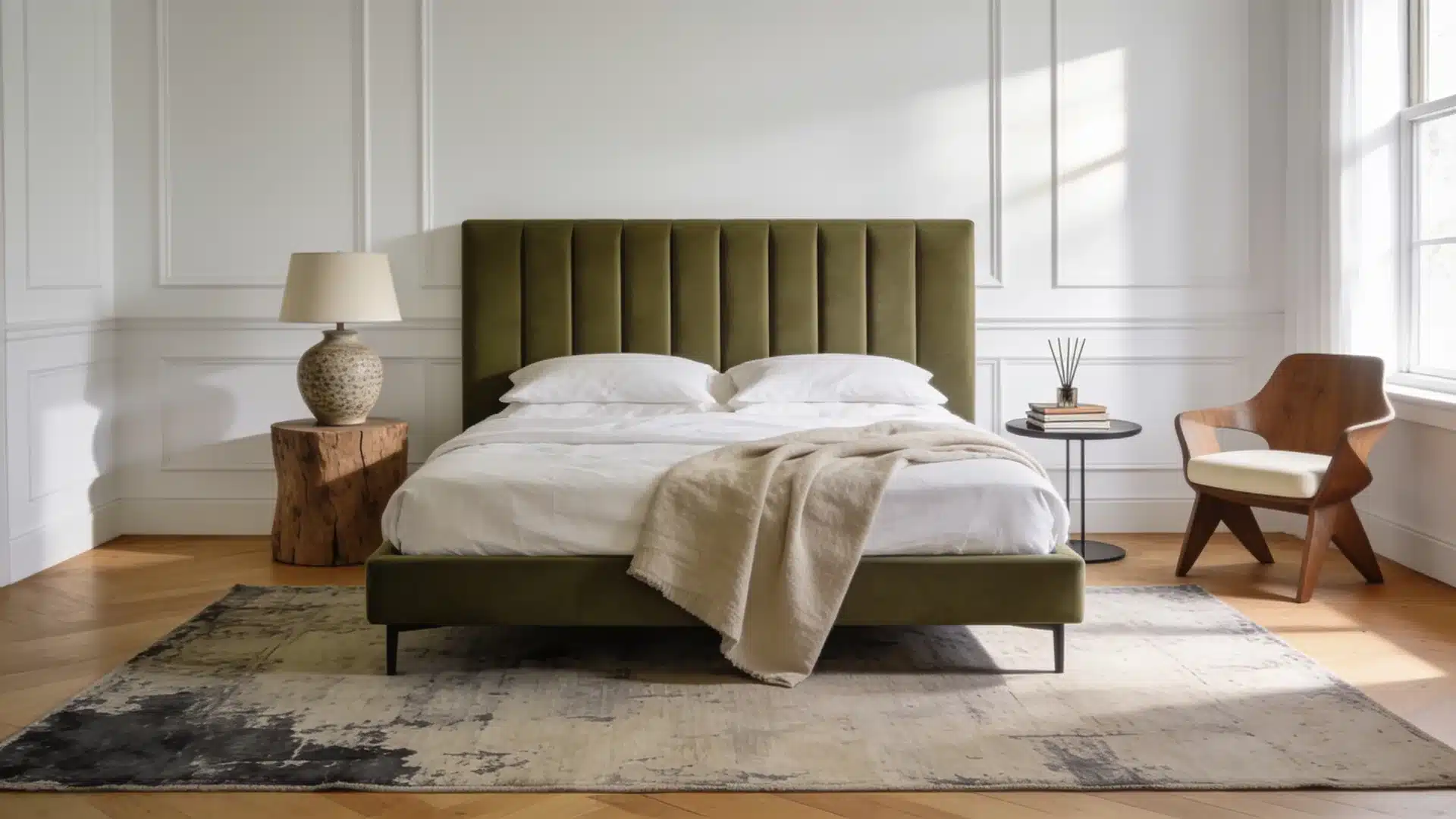
Ever stepped out of bed onto a floor that felt more like sandpaper than a cozy sanctuary? Finding the best carpet for bedrooms involves much more than just picking the softest sample in the showroom. You need something that handles bare feet, resists stains, and won’t flatten out in a year. I have broken down exactly how to match carpet construction and fibers to your actual daily routine. You will find how to evaluate pile heights, choose the right padding, and avoid costly installation mistakes. By the end, you can confidently select a durable, comfortable floor that fits your budget perfectly. Key Qualities of a Bedroom Carpet If you are shopping for the best carpet for bedrooms, softness is the starting point, not the finish line. The bedroom is a low-traffic room, which gives you flexibility that hallways and living rooms don’t. But low traffic doesn’t mean no demand. You still need a carpet that holds up to bare feet every morning, resists allergen buildup, and looks presentable years from now without a full replacement. Room Type Primary bedroom, guest room, kids’ room, or shared space Key Priorities Softness, noise reduction, easy cleaning, durability Best Fiber Nylon (durability), triexta (stain resistance + softness), polyester (budget), wool (premium) Pile Height Medium (most rooms); low (allergies, easy clean); high (primary bedroom comfort) Recommended Padding 7/16-inch rebond or 8 lb density for best support and feel Once you know how your bedroom is actually used, who sleeps there, whether pets come in, and how often you vacuum, the choice between carpet types becomes much more straightforward. Here’s how to match what you need to what the market offers. What to Know Before Comparing Carpet Types for Bedrooms Before comparing plush against textured or nylon against triexta, think about how the bedroom functions day-to-day. A quiet primary bedroom tolerates a softer, thicker pile that would flatten quickly in a high-traffic hallway. A kids’ room, guest room, or bedroom that doubles as a workspace needs something that can withstand more use and clean faster. Also, consider pets, allergies, the direction the room faces, furniture weight, and how often you actually vacuum in your house. Carpet padding matters more than most buyers realize; the right pad changes how a carpet feels underfoot and directly affects how long it lasts. Budget the full picture: carpet material, pad, removal of the old floor, and installation. Skipping any of those line items leads to surprises at the end of the project. Best Carpet Types for Bedrooms Choosing the right bedroom carpet involves more than how a sample feels in the showroom. The carpet type, meaning the construction style, fiber, and pile height, determines what the floor feels like after two years of daily use, not just the day it’s installed. Here’s what each option actually gives you. 1. Plush Carpet Material: Nylon, polyester, or wool Plush carpet has a smooth, dense surface that gets cut to an even height across the whole floor. The result is a velvety feel that works well in traditional, modern, and more formal bedroom designs. The fibers create a warm, cushioned surface that makes getting out of bed more bearable on cold mornings. It performs best in primary and master bedrooms where foot traffic stays light, and comfort is the main job. The trade-off is visibility; plush carpet shows footprints and vacuum lines more readily than textured styles, which bothers some people and doesn’t bother others. Homeowners who want a consistently soft, finished-looking floor and don’t mind a weekly vacuum pass to keep it neat tend to stay happy with plush long-term. 2. Saxony Carpet Material: Nylon, polyester, or wool blends Saxony carpet features upright, dense fibers that give the floor a polished, formal look. It’s a step above plush in refinement and suits guest bedrooms and primary suites where style matters alongside comfort. The thick pile creates a soft, cushioned surface that genuinely feels different underfoot than a mid-grade option. It adds warmth and absorbs sound well, which matters more in bedrooms directly above living spaces. Like plush, the upright fibers will show footprints, but many people appreciate the freshly vacuumed look that it creates. For a bedroom designed to feel welcoming and visually composed, Saxony reliably delivers both. 3. Frieze Carpet Material: Nylon, polyester, or triexta Frieze carpet uses tightly twisted fibers that curl at the tips rather than standing straight up. That curl is what makes it practical, footprints don’t register the way they do on plush, and everyday dirt and wear get hidden in the texture. This makes frieze a strong choice for kids’ bedrooms, teen rooms, and any space that gets more foot traffic than a typical primary bedroom. It still feels soft underfoot, but it holds its appearance longer than looser pile styles under real daily use. For homeowners who want comfort without the visual maintenance that plush requires, frieze tends to be the better long-term call. 4. Textured Carpet Material: Nylon, polyester, or triexta Textured carpet uses fibers cut at slightly different heights, which creates a multi-directional surface that resists showing marks. It’s the most versatile option in the lineup, comfortable enough for a primary bedroom, durable enough for a shared space, and visually flexible enough to work with most bedroom decor. Footprints, vacuum lines, and minor wear don’t register the way they do on plush or Saxony. That practical advantage makes textured carpet a reliable default for family bedrooms, shared kids’ rooms, or any space where appearance needs to stay consistent without constant maintenance. If you can only choose one style that works across multiple bedroom types in your home, textured carpet is the most defensible pick. 5. Low-Pile Carpet Material: Nylon, polyester, wool, or olefin Low-pile carpet has shorter fibers, typically under half an inch, that sit close to the backing. It’s not as cushioned as plush or Saxony, but it’s considerably easier to clean and less likely to trap dust, pet hair, and allergens deep in the pile. That cleaning advantage is the reason allergy-conscious households and pet owners often reach for low-pile first. It’s also a good fit in smaller bedrooms where a thicker carpet would make the room feel heavier and more closed in. The look is clean and understated, which works particularly well with modern and minimalist bedroom layouts. If easy maintenance matters more than maximum softness, low-pile gives you a floor that earns its place practically. With the five main carpet types covered, the next step is matching the right one to how your specific bedroom is actually used. How to Choose the Best Carpet for Bedrooms in Your Home Choosing bedroom carpet gets easier when you match it to the room’s real conditions rather than the softest sample on the rack. Here’s what actually drives the decision. Room Use: Choose softer, thicker carpet for quiet primary bedrooms. Use more durable options for kids’ rooms, guest rooms, or bedrooms that double as workspaces. Fiber Type: Nylon holds up best under wear. Triexta handles stains with built-in resistance and feels soft without requiring a high pile. Polyester works well on a tighter budget. Wool is the premium natural option with real long-term durability. Pile Height: Plush and Saxony maximize comfort. Textured and frieze handle daily use without showing wear. Low-pile keeps cleaning simple. Carpet Padding: Quality padding changes everything; it affects how soft the floor feels, how much sound it absorbs, and how long the carpet lasts. A 7/16-inch rebond pad at 8 lb density is a reliable starting point for most bedrooms. Color Choice: Warm neutrals, greige, taupe, beige, soft brown, hold up across changing decor and don’t show daily wear the way pale or very dark colors do. If you’re still working out the room’s palette, bedroom colors that feel cozy are worth settling before you commit to carpet. Common Mistakes to Avoid When Choosing Bedroom Carpet These are the decisions that look fine in the store and cause regret six months later. Mistake Why It Causes Problems Better Choice Choosing only by softness Soft carpet flattens quickly when the fiber quality is poor, regardless of how new it feels. Balance softness with fiber density and face weight. Skipping quality padding Poor padding makes even good carpet feel thin and shortens its lifespan significantly. Budget for supportive 8 lb rebond padding. Picking very light colors Pale carpet shows stains, dust, and daily marks much faster than medium tones. Use soft neutrals or medium warm tones. Choosing a high pile for messy rooms Thick fibers trap dust, crumbs, and pet hair in ways that short vacuuming passes can’t clear. Use textured, frieze, or low-pile carpet in active rooms. Skipping home samples Showroom lighting changes how carpet color reads, significantly. Test samples in your bedroom under its actual light. Forgetting cleaning needs Some carpets need more frequent vacuuming and spot cleaning than the buyer planned for. Match carpet type to your actual cleaning routine. Avoiding these six mistakes is often the difference between a floor that still looks right five years in and one that needs replacing before it should. These are the questions that come up most often once someone has a sample on the floor and a decision to make. Frequently Asked Questions Will ultra-soft carpets require a special vacuum cleaner? Yes. High-end, ultra-soft carpets (often made with specialized micro-fibers like Caress or Tactesse) are packed so densely that standard heavy vacuums create a tight suction seal against the floor. This makes the vacuum incredibly hard to push and can actually tear out the fine fibers. If you choose an ultra-soft pile, you will need a vacuum with adjustable height settings and vented hulls that allow airflow to bypass the seal. How do I minimize visible seams in a large primary bedroom? Carpet rolls standardly come in 12-foot and 15-foot widths. If your bedroom is larger than these dimensions, seams are inevitable. To keep them hidden: Ensure the installation crew runs the seams parallel to the natural light entering from your primary windows rather than perpendicular to it. Avoid placing seams right at the foot of the bed or directly in the center of high-visibility walking paths. What is “carpet off-gassing,” and how do I prevent it in a sleeping environment? New carpets and paddings can release volatile organic compounds (VOCs) for the first 24 to 72 hours after installation, often causing that distinct “new carpet smell.” If you have respiratory sensitivities, look for carpets tested and labeled with the Carpet and Rug Institute’s Green Label Plus certification. To stay comfortable, plan to ventilate the bedroom with open windows and a fan for at least 48 hours before sleeping in the room. Can I install thick bedroom carpet over radiant floor heating systems? You can, but you have to check the R-value (thermal resistance). Thicker carpets combined with heavy rebond foam padding act as an insulator, blocking the heat from rising into your room efficiently. For radiant heating, keep the combined R-value of your carpet and padding under 2.5. This typically means choosing a low-to-medium pile cut with a thin, dense rubber or felt pad instead of thick foam. Why do some bedroom carpets split or fray right at the doorway? Fraying at the threshold usually happens when installers skip a proper transition strip. The transition between your bedroom carpet and the hallway floor (hardwood, tile, or another carpet) takes the brunt of daily pivoting feet. Ensure your installer uses a solid metal binder bar, Z-bar, or a hidden tack strip transition rather than just cutting the edges flush and tucking them down. Final Thoughts Your bedroom floor should be a comfortable, lasting investment rather than a source of future maintenance regret. I want to ensure you remember that balancing plush softness with the right fiber density, correct pile height, and thick padding makes all the difference over time. Matching your material choices to your actual cleaning habits, family pets, and specific room traffic prevents premature wear and costly early replacements. Armed with these practical insights, you are fully ready to select the best carpet for bedrooms without falling for deceptive showroom tricks. Which carpet style do you think will work best for your home layout? Share your thoughts in the comments below, or check out my related flooring blogs today.